






























































Article Contents:
- What is a Stair Skirting Board - And Why It's Not What Everyone Thinks
- Wall Stair Skirting: Diagonal Element Along the Flight
- Extension Strip for Stair Steps at the Wall
- Profile for Stair Flight Side Panel
- Decorative Molding Under Stair Steps
- When You Can't Do Without Stair Skirting Board
- Four Functions of Skirting Board on Stair Steps
- Which Solutions Work Instead of Regular Floor Skirting
- Stair skirting board on wall (diagonal)
- Wooden filler strip for steps
- Corner piece for stair steps
- Profile or molding for decorative step finishing
- Filler element for stair flight side panel
- Which materials are suitable for skirting boards and step profiles
- Wood and solid wood: first choice for stairs
- MDF for stair profiles
- Polyurethane and synthetic materials
- How to choose a profile according to stair type
- Marching staircase along the wall
- Open staircase with balusters
- Staircase with risers
- Staircase without risers ('airy')
- Classical staircase with rich finishing
- Modern minimalist staircase
- How to choose the size and shape of skirting for stair steps
- How to match skirting for steps with other staircase elements
- Skirting and steps
- Skirting and risers
- Baseboard and Balusters
- Baseboard and Handrails
- Baseboard and First Floor Flooring
- Baseboard and Wall Finishing
- Ready-made Profile, Corner, or Custom Wooden Plank: Which is Better
- Installing Balusters and Baseboard: How the Stair System Works
- How to Buy Baseboard for Stairs Without Mistakes: A Detailed Checklist
- Stair Finishing in a Private House: How Baseboard Works in the Overall System
- What STAVROS Offers for Stair Tread Finishing
- FAQ: Answers to Frequently Asked Questions About Stair Baseboard

A staircase in a house is not just a structure. It is movement in space, its vertical axis. How it looks determines the architectural character of the entire interior more strongly than many other finishing elements. And yet—what usually goes unnoticed until the very last moment? The joint between the step and the wall. That very corner where the horizontal and vertical meet. Where the foot touches the wall when ascending. Where the paint flakes off first, where it's harder to reach with a cloth, and where gaps and cracks become immediately apparent as soon as the staircase is installed.
Stair Skirting Board— is precisely the element that transforms a technical corner into an architecturally finished joint. Not a decorative trifle, but a full-fledged part of the system, without which the staircase does not look fully completed.
Go to the STAVROS catalog:
-
staircase components made of wood— steps, balusters, profiles, add-ons
-
skirting made of solid wood— for steps, flights, junctions
-
solid wood millwork— profiles, battens, strips for stairs




What is a Stair Skirting Board—and Why It's Not What Everyone Thinks
When a person types 'stair skirting board' into a search bar, several completely different tasks are hidden behind this query. Some are looking for a way to close the gap between the step and the wall on a flight staircase along a load-bearing wall. Others want to neatly finish the end, the side of the flight. Some want a wooden strip under the stairs that covers the dirty corner at the floor. And some are even looking for a profile to protect the edge of the step from chips and wear.
These are fundamentally different products—but united by one logic: neat, finished finishing of stair steps. Let's honestly and separately examine each task so that, in the end, every reader finds what they really need.




Stair Skirting Board on the Wall: Diagonal Element Along the Flight
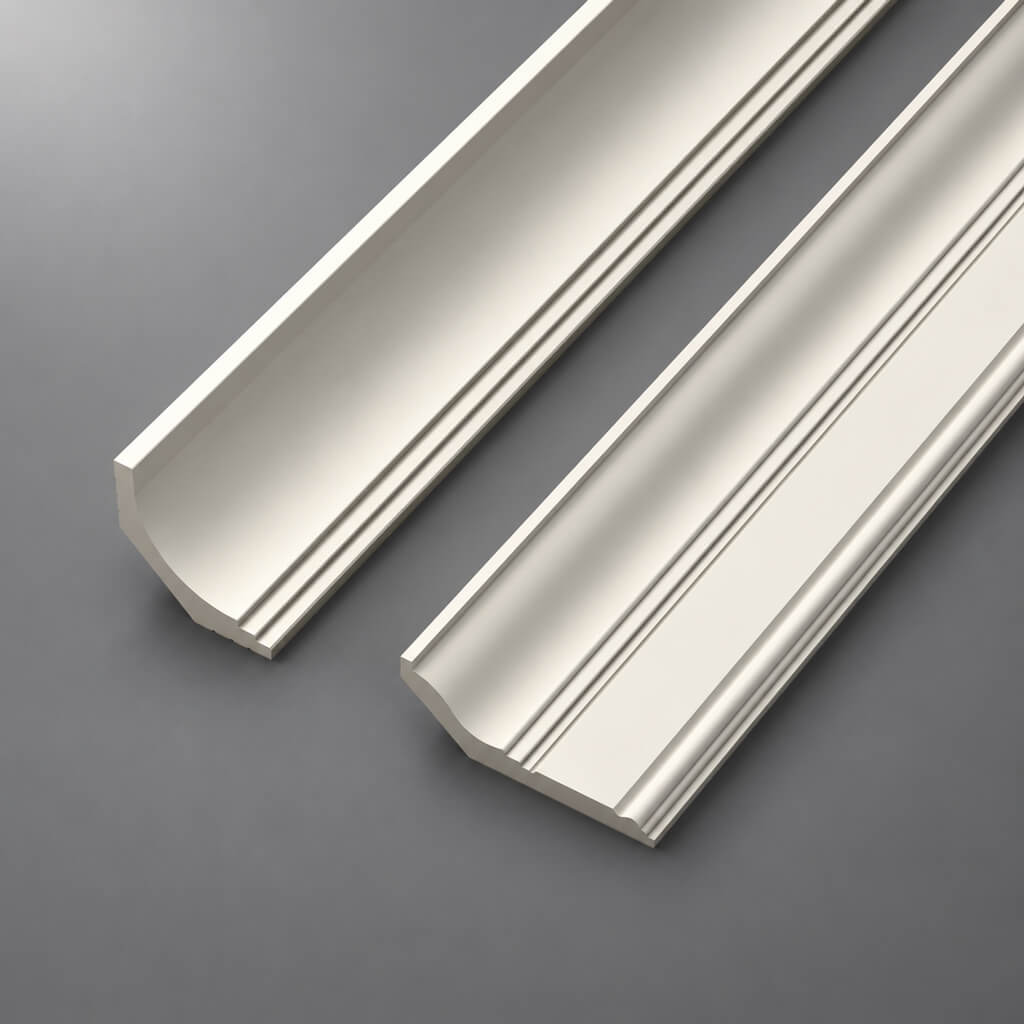
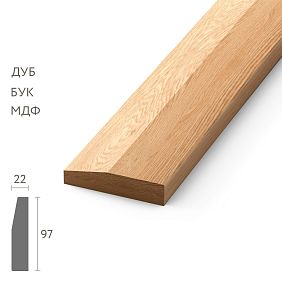
The most common scenario. The staircase runs along a wall — and along the entire flight, an angle forms between the steps and the wall. It can be quite clean if the geometry of the wall and the flight is perfect. But in reality — a gap, unevenness, a level difference. This is precisely where a stair skirting board is needed: a diagonal batten made ofwooden trim, which runs parallel to the stringer line and conceals the junction of the steps with the wall along the entire flight.
This element is also called a 'diagonal skirting board', 'bumper', or 'false stringer' — depending on the design and traditions of the specific manufacturer. Essentially, it's the same profiled batten, but installed not horizontally, but at the angle of the flight.
Our factory also produces:


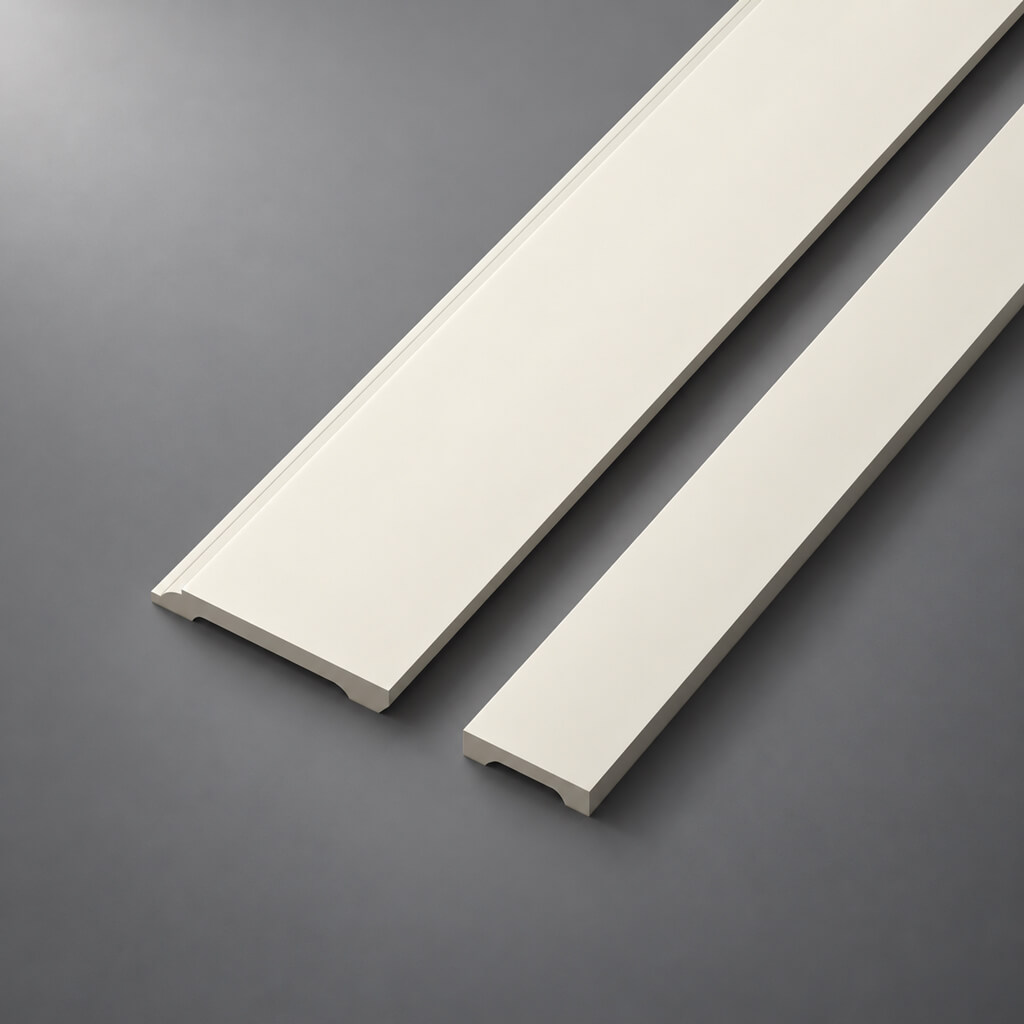
Extension strip for steps at the wall
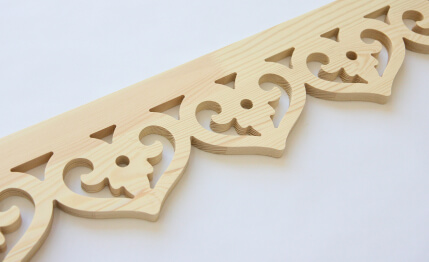
The second scenario is a point extension for each step. Where the step meets the wall, a small wooden strip or profile is installed, which closes the gap precisely at this joint. This solution is more often used on concrete or metal stairs clad with wood, when the geometry of each step is individual.
Get Consultation
Profile for the side of a stair flight
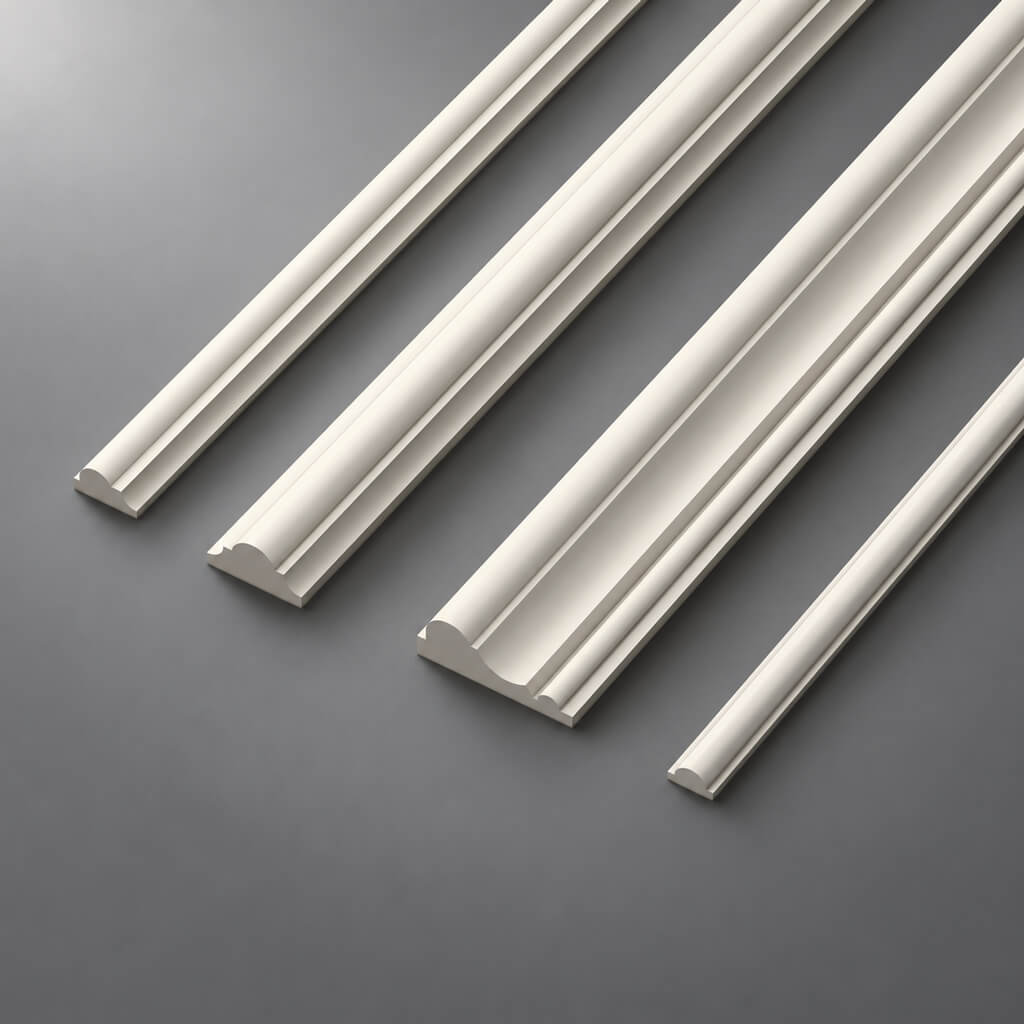
The third task is finishing the side of an open staircase. If the staircase does not adjoin a wall on both sides, its open end requires finishing. The sidewooden profile for steps— is not a skirting board in the literal sense, but a product from the same category of woodensolid wood trim.
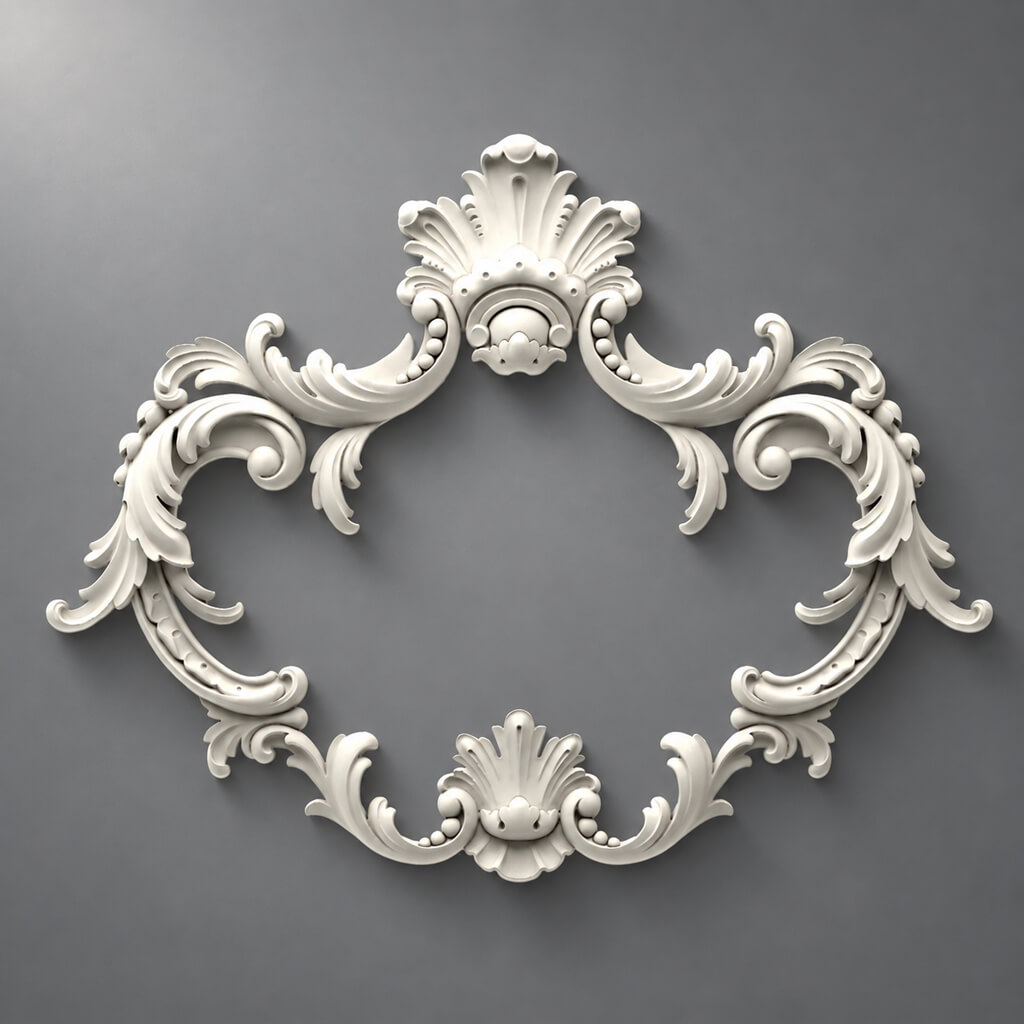
Decorative molding under steps
Finally — a purely decorative task: a beautiful molding along the bottom line of the risers, which adds architectural expressiveness to the staircase. This is already the territory ofmoldings and profiles, not technical additions.
All four tasks are different, but equally important for the staircase to look complete.
When stair skirting is indispensable
There are situations where this question can be postponed. And there are — when it cannot be postponed. Let's consider the scenarios whereskirting for stair steps works as a mandatory element, not as optional decor.
Staircase along the wall for its entire length. Here, the flight skirting is an architectural necessity. The length of the joint can reach 5–8 meters. Without closing this angle, the staircase looks unfinished regardless of the quality of the steps and railings.
Cladding a concrete or metal frame with wood. Wooden overlays on the steps and risers create gaps at the wall — especially if the wall is uneven. Onlyskirting board for stepsor an extension strip will neatly cover this gap.
The junction where the staircase flight meets the floor of the second floor. The top node is one of the most complex in staircase finishing. Here, a corner profile or skirting board is needed to smoothly complete the transition between the last step and the floor covering. Ifbaseboardcontinues the system on the second floor, the staircase-floor joint is perceived as a single whole.
Classic interior with high demands for detailing. In a private house with wooden finishes, balusters, turned railings—every uncovered node catches the eye. The correctwooden skirting board for stairsis part of the system that makes the interior convincing.
Four functions of skirting boards on stair steps
Let's talk honestly: why is this element needed at all and what does it solve in practice?
First—the decorative function. This is obvious. A staircase with neatly closed joints looks different than one with open gaps. Skirting boards along the flight create a horizontal—or more precisely diagonal—line that rhythmically repeats the angle of the stairs and makes them architecturally complete.
Second — protective function. An open wall corner is a place where dust, dirt, and moisture accumulate. During wet cleaning, water gets into the gaps and gradually destroys both the step coating and the wall plaster.skirting made of solid woodor an additional wooden strip closes this corner and extends the service life of the entire finish.
Third — connecting function. The staircase, steps, walls, floor — these are all different surfaces. The skirting board along the flight serves as a visual adapter that unites these planes into a single architectural logic. When the staining of the staircase skirting board matchesbalustersand the steps — the staircase is perceived as a single object, not a set of separate elements.
Fourth — style completion. This point is underestimated. In an interior where everything is thought out — parquet, furniture, doors, wall finishes — an unclosed corner at the staircase stands out. Even if everything else is done flawlessly. A correctly selectedprofile for staircase stepscompletes that very detail which makes the interior cohesive.
What solutions are suitable instead of a regular floor skirting board
Here lies the main practical pitfall. Many try to solve the issue by simply buying a standardbaseboardand running it diagonally along the flight. This works — but only in some cases. Let's examine all the options.
Stair skirting board on wall (diagonal)
Specialized element for a flight staircase along a wall. Installed parallel to the stringer with an incline equal to the flight angle — typically from 25° to 45°. In shape, it can be a simple straight profile or have a shaped cross-section. Made fromsolid wood moldings oak, beech, or pine.
Key point: for diagonal installation, a profile is needed that, when cut at an angle, provides a flat surface for wall contact. Not every standard skirting board ensures this.
Wooden filler strip for steps
A narrow wooden strip installed along the wall stepwise — each step gets its own small filler. The width of such a strip is from 20 to 50 mm, height 10–20 mm. This is the most precise way to close the joint at each step individually — especially if the flight geometry is uneven.
Such a strip is made from the same wood species as the steps.solid wood millwork in the required cross-section allows cutting such fillers precisely on-site.
Corner for stair steps
A wooden or metal corner profile that covers both the joint between the step and the wall and protects the step edge from chipping. This is a more technical element — often used where the load on the step edge is high or where steps are made of more fragile materials. For wooden stairs in a residential house —Solid wood corner beadof the same wood species looks organic.
Profile or molding for decorative stair riser finishing
When the staircase is the central architectural feature of the house, its finishing requires more expressive means. Under each riser — a decorativesolid wood molding, which creates a horizontal rhythm in the side view. This is a solution from classic staircase design, used in 18th–19th century mansions and still looks convincing in modern homes with classical or neoclassical architecture.
Add-on element for the side of a stair flight
An open staircase side is a vertical plane visible from the side. If it is not covered — the stringer, bolts, and step cuts are visible. This is technically honest but rarely beautiful. A wooden overlay strip on the side covers this plane and creates a monolithic look for the flight.Wooden balusters for staircasesin the required size and wood species — the correct solution for this detail.
What materials are suitable for stair skirting and profiles
Wood and solid wood: the first choice for a staircase
Skirting for a solid wood staircase— it is the only material that looks organic next to wooden steps. The logic is simple: oak steps, oak balusters, oak handrails — and suddenly a plastic skirting board. This is a disconnect. It is instantly noticeable.
For a wooden staircasewooden skirting board for stairsmade from the same wood species is a basic requirement. One texture, one tone, one lacquer tint — and all elements are perceived as a single system.
The most common wood species for stair skirting boards:
Oak — dense, wear-resistant, with an expressive texture. For stairs where wood bears load every day. OakPogonazh iz massivamachines well with a router, holds its profile precisely.
Beech — smooth surface, easily painted white. For stairs with white or painted finishes — beech elements under enamel give a perfectly even and clean result.
Pine — a budget option from a soft coniferous species. Suitable for country houses in a simple style. But for parquet halls and expensive interiors — not the right level.
Ash, larch — alternative options for specific design solutions.
An important nuance: moisture content. WoodenStair Skirting Boardmust be kiln-dried with 8–12% moisture content. Raw wood shrinks after installation, causing gaps and warping. This is not a defect of the skirting board — it's an error in selection.
MDF for stair profiles
MDF Skirting Board— a rational choice for some scenarios. Precise geometry, stability, good surface for painting. For stairs with painted white finish — MDF trim at the steps will be neat and even.
Limitations: MDF does not tolerate moisture. Not suitable for stairs in hallways, country houses with unstable microclimate, or open stairs. And MDF next to wooden steps is always a pair of 'imitation + original', which is noticeable.
Polyurethane and synthetic materials
Polyurethane and plastic profiles are the most affordable option. Lightweight, white color, easy installation. Possible for temporary solutions, for a country house, or for stairs in utility rooms.
For a residential private house with a wooden staircase — not the right level. Synthetic materials next to natural wood look like a mismatch that is immediately noticeable.
How to choose a profile for the type of staircase
Staircases vary — and each type requires its own approach to skirting.
Straight-run staircase along a wall
The most common scenario in private homes. A long flight runs along a load-bearing wall, and its entire extended corner requiresa diagonal stair skirting board. The profile is taken for the entire length of the flight plus a margin, installed with trimming to fit the angle at the top and bottom points.
Profile height is 40–70 mm depending on the gap and desired visual weight. For a wide flight — a larger profile, for a compact one — a lighter one.
Open staircase with balusters
Here the focus is on the system: treads,balusters, handrails, stringer. The skirting here is more often decorative — under the treads along the stringer. Its task is visual completion, not a technical addition. The profile is chosen from the same wood species as thestaircase components.
Staircase with risers
A closed structure with risers. Here the joints are hidden by the geometry itself, but decorative molding along the lower edge of the riser — under the tread — adds classical expressiveness.Moldings and cornicesSmall profiles are mounted along the horizontal line under each tread.
Staircase without risers ('airy')
Open treads without risers are a modern, minimalist type. Here, a baseboard as such is not needed—the edge of the tread is important. A wooden corner orextension profilealong the edge of the tread protects it from chipping and serves as a decorative finish.
Classical staircase with rich finishing
Carvedbalusters, turned handrails, support posts. Here, the stair baseboard is part of the architectural system. A shaped profile, matching the profile of wall moldings and withcornices. A unified decorative logic from floor to ceiling.
Modern minimalist staircase
Straight edges, clean planes, neutral tones. Here, a thin straight profile with a smooth surface is appropriate—Pogonazh iz massivain a tint matching the treads, without relief or milled decoration. The baseboard is present but not accentuated.
How to choose the size and shape of skirting for stair steps
The size of stair skirting is not an arbitrary choice. There are technical and visual constraints.
Profile height. For diagonal stair skirting — 40–80 mm. A profile that is too thin does not cover the gap and looks fragile. One that is too wide is bulky and visually weighs down the flight. The optimum for most stairs is 50–65 mm.
Strip thickness. 12–20 mm. If the strip is thinner — it bends under load and does not hold fasteners well. Thicker than 20 mm — it is no longer skirting, but a separate element.
Width for additional strips at the wall. 20–40 mm. Covers the gap, compact enough not to interfere with ascent.
Straight or shaped profile. Straight — for a modern interior. Shaped with a bead or chamfer — for classic style. Important: the profile of the stair skirting must be visually linked to the profile ofof the floor skirting boardthe first floor. If there is skirting with a classic bead at the base of the flight by the floor — the stair profile along the flight should repeat this cross-section.
Smooth line along the flight. Stair skirting is installed without stepped transitions — the diagonal line must be continuous. If the flight has a landing — the skirting changes direction and requires miter cutting at the inflection point.
How to combine skirting for steps with other stair elements
This is where real design begins. Not just 'closing the gap' — but building a system. A staircase in a house is an object consisting of dozens of details. Each of them must speak the same language.
Baseboard and steps
First rule: wood species and finish.Stair Skirting Boardshould be made from the same wood species and coated with the same finish as the steps themselves. Oak with oak, beech with beech, varnish with varnish. This is not a strict rule, but violating it is almost always noticeable.
Baseboard and risers
If the risers are painted white, the stair baseboard can be white. If they are wooden, the baseboard should match the tone of the riser. The transition from the horizontal step to the diagonal baseboard on the wall will look like a continuation of the same material.
Baseboard and balusters
balusters for staircasesmade of oak with a turned pattern, and next to it a baseboard with a smooth profile from the same species. This creates harmony. The balusters provide a vertical rhythm, while the baseboard on the wall establishes a diagonal line. The two systems together create the internal geometry of the stair space.
Ifbalusterspainted white, the stair baseboard can also be white. The main thing is that the solution is systematic, not random.
Baseboard and handrails
Handrails made of beech under clear varnish or a painted surface set the material language for the entire staircase. The stair baseboard repeats this choice.
Baseboard and first-floor flooring
The bottom point of the flight — where the staircase meets the floor. Herebaseboardshould smoothly "receive" the stair baseboard. Ideally, both are made of the same material. The transition from the diagonal flight to the horizontal baseboard at the floor should be resolved through mitered cuts or a special transition insert.
Baseboard and wall finish
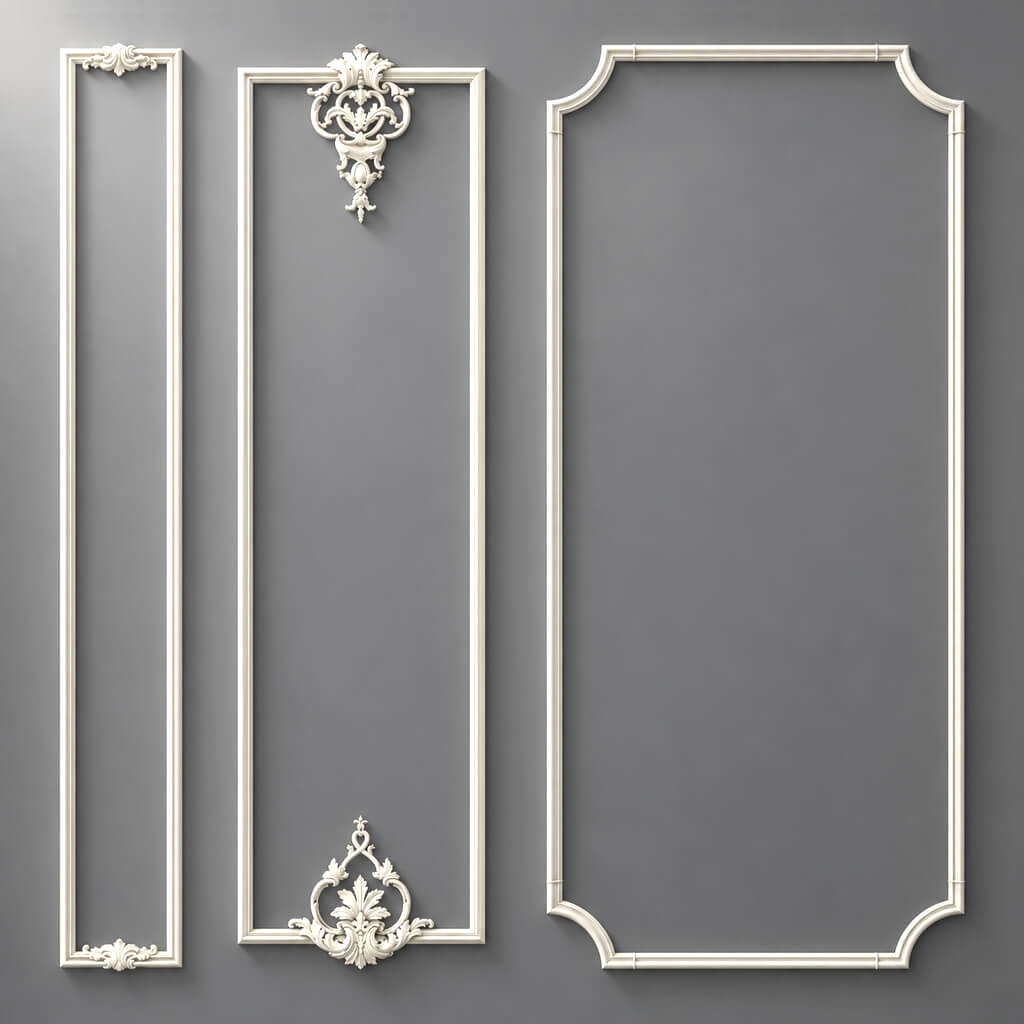
If the wall along the staircase hasdecorative moldingsor relief panels — the stair baseboard should read as the bottom line of this system. It continues the architectural dialogue between the wall and the flight.
Ready-made profile, corner piece, or custom wooden plank: which is better
This is a practical question, behind which lies a specific choice when ordering.
| Parameter | Ready-made profile | Corner piece for joint | Custom-made baseboard |
|---|---|---|---|
| Ease of Installation | High | High | Medium |
| Precision fitting | Medium | Medium | High |
| Visual result | Good | Minimalist | Excellent |
| Suitable for non-standard angles | Not always | No | Yes |
| Cost | Low–medium | Low | Medium–high |
| For painting | Yes (MDF) | Yes | Yes |
| Under varnish | Yes (array) | Yes | Yes |
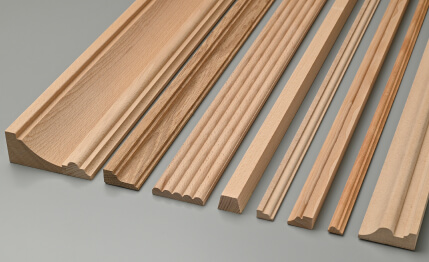
Ready-made profile — optimal for standard stairs with uniform slope, straight walls, and simple design. Taken fromsolid wood trimthe required cross-section, installed with angle trimming — quickly and neatly.
Corner piece — used where the end of a step needs protection or for a minimalist joint against the wall without a bulky baseboard. Ideal for modern interiors with open-tread stairs.
Custom wooden molding — for non-standard stairs with irregular wall geometry, exclusive projects, and classic stairs with elaborate decorative systems.staircase componentsTailored to a specific project — the choice for those who seek perfect results, not compromise.
Installing balusters and baseboard: how the staircase system works
A staircase is assembled in a specific sequence. This order is important for achieving a proper result with the baseboard.
Correct sequence:
-
Mounting the load-bearing structure (stringer, carriage)
-
Installing treads and risers
-
Installationbalusters and railings
-
Mounting the stair baseboard along the wall — after the steps, but before the final wall finishing
-
Final painting or varnishing
If the baseboard is installed after the walls are already painted, the risk of damaging the finish during fitting is higher. If installed before the steps, the gap cannot be precisely covered. The correct placement is after securing the steps, before the final painting.
Types and Installation of Balusters— is a separate topic that directly affects where and how the baseboard is installed. If balusters are attached to the end of the step, the baseboard runs along the wall independently. If it's a stringer construction, the baseboard can be part of the stringer.
How to Buy Baseboard for Steps Without Mistakes: A Detailed Checklist
Go through these points before ordering. Each of them affects the result.
-
Task: What exactly needs to be covered — the joint along the flight, the end of the side, the corner at each step, the gap at the floor?
-
Type of staircase: flight along the wall, open with balusters, with or without risers?
-
Material of steps: oak, beech, pine, ash, laminate on concrete, tile? The baseboard should match.
-
Toning: under varnish, under oil, under white enamel? Choose in advance — the wood species depends on this.
-
Profile: straight, with a bead, with a chamfer, shaped? Coordinate with the floor baseboard.
-
Size: measure the actual gap at the wall, determine the desired profile height.
-
Material moisture content: only kiln-dried 8–12%
-
Footage: flight length + upper and lower horizontal sections + 15% reserve
-
Installation: adhesive + hidden screws; the skirting is attached to the wall, not to the steps
-
Integration with other elements: balusters, handrails, floor skirting — everything should be in a unified system
Staircase finishing in a private house: how skirting works in the overall system
Finishing a private housewith a wooden staircase is a complex task, where step skirting is one of the final touches. That's why its selection cannot be left until the last moment.
When designing a staircase, the correct approach is to think of it as a system from the start. Treads, risers,balustershandrails, newel posts, flight skirting, transition skirting at the floor — these are interconnected parts. Each should be selected from the same wood species, same stain, and same profile style.
Staircase Components and Elementsin a unified range allow assembling this entire system from a single source — without color discrepancies, without fitting issues, without texture inconsistencies.
When finishing a private house in wood, the staircase becomes its central element. Its baseboards, moldings, and profiles are not minor details but part of the architectural solution. This is where wood works to its full potential: warm, living, and textured.
What STAVROS offers for finishing staircase steps
When it comes tobuying baseboards for staircase stepshigh-quality ones made of natural wood—the task is not only to find the right size but also to obtain material with proper moisture content, precise geometry, and the right wood species for a specific project.
STAVROS manufactures and supplies the full range of products for wooden staircases:
-
solid wood skirting boards—straight and classic profiles made of oak and beech, kiln-dried, tolerance ±0.1 mm
-
Pogonazh iz massiva—slats, strips, profiles of non-standard sections for diagonal installation
-
staircase components—treads, risers, stringers, support posts in a unified system
-
balusters for staircases—turned, carved, in various wood species and finishes
-
Moldings and cornices— decorative profiles for risers and wall finishing
-
floor skirting boards— for linking the staircase-floor system into a unified material context
The fundamental difference between STAVROS and much of the rest of the market: all products are made from solid natural wood with controlled moisture content. This means — no warping after installation, no color variations within a single batch, no surprises after six months.
A wooden staircase is an expensive and lengthy project. Saving on skirting boards and profiles for it means risking the entire result. STAVROS is a supplier that understands how a wooden staircase works as a whole, not one that just sells individual strips.
FAQ: answers to frequently asked questions about stair tread skirting boards
Is a skirting board needed on a staircase?
Yes, if the staircase runs along a wall and there is a gap between the steps and the wall. Without it, the corner remains open: dust, gaps, an untidy appearance.
How to close the joint between the step and the wall?
With a wooden stair skirting boardor with an extension strip made from the same wood species as the steps. It is mounted to the wall with adhesive and concealed screws.
Which profile is better for stair steps?
Depends on the style. Straight smooth — for a modern staircase. Shaped with a bead — for a classic one. Height 40–65 mm — optimal for most stairs.
Can regular floor skirting be used on a staircase?
Technically — yes. But standardbaseboardis designed for horizontal installation. For a diagonal flight, you need to cut the angles correctly and ensure the profile maintains wall contact during slanted installation.
What to choose for a wooden staircase — wood or MDF skirting?
Only fromsolid wood of the same species. MDF next to natural wood creates a visual mismatch.
What is better: corner molding or strip for steps?
Corner piece — for edge protection and a minimalist joint. Trim — for covering the gap along the wall for the entire height. Different tasks, different products.
How to combine stair skirting with floor skirting?
One material, one wood species, one tint. At the transition point from the flight to the floor — an angled cut or a special transition insert.
What to choose for a classic staircase?
Figuredsolid wood profile— oak or beech, under varnish. With molding on the risers and in a unified profile with the balusters.
What to choose for a modern staircase?
Straight smooth profile without relief, made from the same solid wood as the steps. Wood-tone tint or white enamel.
Can stair skirting be painted?
Yes. Beech skirting is the best option for white enamel. Oak skirting is for tinted varnish or oil.
Where to buy stair tread trim elements?
staircase componentsandPogonazh iz massiva— in the STAVROS catalog. The entire staircase system in one place.
How to calculate the amount of skirting board for a staircase?
Measure the diagonal length of the flight + the upper horizontal section at the landing + the lower section at the floor. Add 10–15% margin for trimming.
Is a skirting board needed on an open staircase without a wall?
Here, a skirting board in the classic sense is not needed. But the end of the steps and the side require finishing — with a wooden overlay orprofile.
The staircase is one of the most complex areas in a house in terms of finishing. Here, many planes, materials, and angles come together. And it is here that the final detail —Stair Skirting Board— either puts the finishing touch on the image or leaves it incomplete. Choose the material, profile, and size consciously — and the staircase will become not just a structure, but a true architectural statement of the house.
STAVROS Company — a manufacturer of solid wood products:baseboards, trim, staircase components, molding and cornicesNatural solid wood, chamber drying, precise geometry — all so your staircase looks exactly as you envisioned. STAVROS — when every detail matters.