Article Contents:
- 1. Why choose wooden skirting board
- 1.1 Ecological safety and non-toxicity
- 1.2 Durability and restorability
- 1.3 Thermal and sound insulation
- 1.4 Aesthetics and tactile properties
- 1.5 Microclimate regulation
- 2.1 Solid block
- 2.2 MDF with veneer finish
- 2.3 Combined profiles
- 2.4 Flexible wooden skirting boards
- 2.5 Skirting boards with cable channel
- 3.1 Oak
- 3.2 Ash
- 3.3 Beech
- 3.4 Walnut
- 3.5 Birch and pine (veneer)
- 4.1 Skirting board width
- 4.2 Thickness and depth
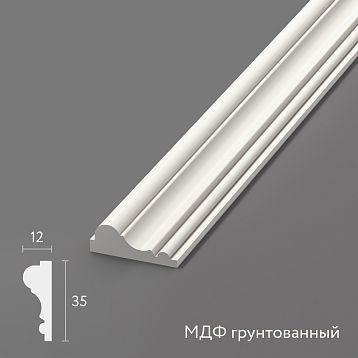
- 4.3 Profiles
- 4.4 Expansion gaps
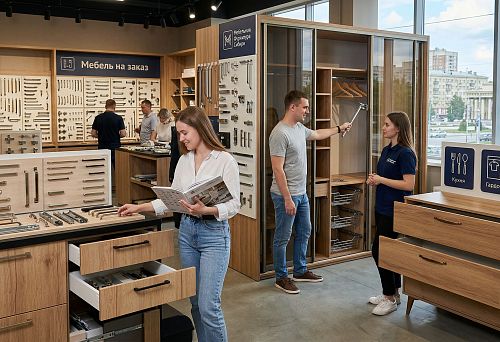
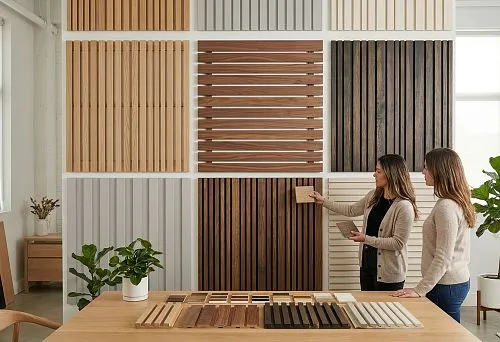
- 6.1 Specialized showrooms and display rooms
- 6.2 Online stores
- 6.3 Hardware hypermarkets
- Price breakdown (approximate)
- 8. How to choose the optimal option: step-by-step guide
- 9. Detailed installation technology
- 9.1 Tools and Materials
- 9.2 Surface Preparation
- 9.3 Marking and Fitting
- 9.4 Cutting and End Treatment
- 9.5 Installation
- 9.6 Final Finishing
- 10. Maintenance and Lifespan Extension
- 10.1 Daily Care
- 10.2 Periodic Restoration
- 10.3 Microclimate Control
- 10.4 Professional Maintenance
- 11. Design Techniques
- 11.1 Contrast
- 11.2 Monochrome
- 11.3 Underlighting
- 11.4 Zoning
- 12. Frequently Asked Questions

Wooden skirting board — one of those finishing elements whose existence and importance are only remembered at the end of renovation. Nevertheless, it simultaneously performs several tasks: hides the technological gap between the wall and floor, protects the lower part of the wall from mechanical damage and moisture, creates a neat frame for the flooring and completes the interior. In Samara, where the climate combines cold winters and humid summer months, a thoughtful choice and installation of a wooden skirting board can significantly extend the lifespan of the flooring and add a sense of coziness and high quality to an apartment or office. In this comprehensive guide, we will explain how and whereto buy wooden skirting board in Samarato pay attention to when selecting, how to calculate the required quantity, how the installation and care are performed, as well as suggest design techniques and answers to frequently asked questions.


1. Why Choose Wooden Skirting Board




1.1 Ecological Safety
Natural wood is one of the most eco-friendly building materials. When properly manufactured (certified to E0/E1 standards), wooden skirting board does not emit formaldehyde or other harmful volatile organic compounds, which is especially important for children's rooms, bedrooms, and medical facilities. It is hypoallergenic, does not irritate skin or respiratory tract, and does not contribute to static electricity buildup.
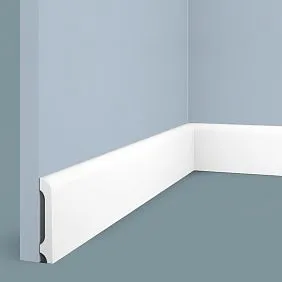
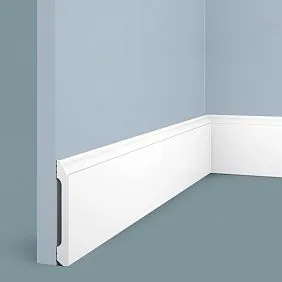
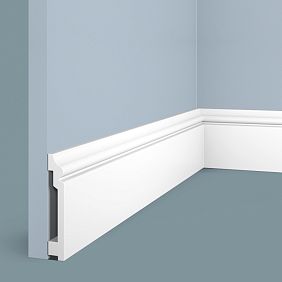
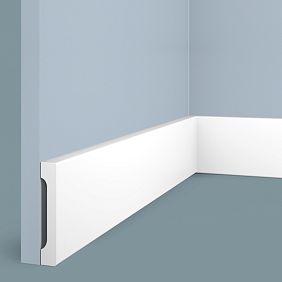
Our factory also produces:
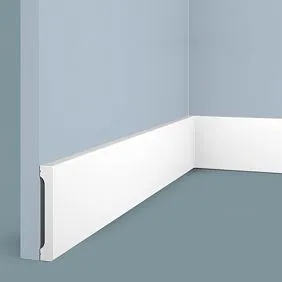
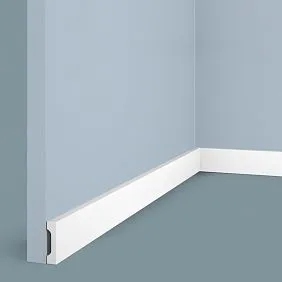
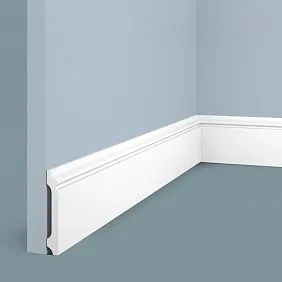

1.2 Strength and Restorability
Thick solid planks (from 18 to 30 mm thick) have high mechanical strength: they withstand furniture impacts, scuffs from cleaning equipment, and heavy foot traffic. In case of superficial damage, scratches, or abrasions, wooden skirting board can be sanded and re-coated with varnish or oil, allowing you to restore its original appearance without replacing the entire element.
Get Consultation
1.3 Thermal and Sound Insulation
Wood has low thermal conductivity and a porous structure, which effectively absorbs sound and slows its propagation. A wide wooden skirting board around the entire perimeter of the room creates an additional acoustic buffer, reducing noise levels. Additionally, it reduces heat loss at the junction between floor and wall, which is especially relevant for apartments with "warm floors" and older buildings with poor insulation.
1.4 Aesthetics and Tactile Properties
The natural pattern of growth rings, tones ranging from light beige to rich walnut, and the soft texture of wood — all of this creates a unique interior effect. Wooden skirting board is pleasant to hold, feels warm to the touch, and evokes a sense of coziness. Under linear or end lighting, the wood’s texture comes alive, playing with light and shadow.
1.5 Microclimate Regulation
Natural wood can absorb and release moisture, helping to maintain a comfortable humidity level in the room (40–60%). This is especially important in winter when heating is on and the air becomes too dry, and in summer when it becomes humid. Wooden skirting board maintains balance — it absorbs excess moisture and releases it when the air is dry.
The market offers several technological solutions differing in material and manufacturing method. Let's consider each of them.
The market offers several technological solutions differing in material and manufacturing method. Let's consider each of them.
2.1 Solid Block
Description. Solid board of hardwood species: oak, beech, ash, walnut.
Advantages.
● Absolute eco-friendliness.
● Possibility of multiple sanding and restoration.
● High strength and wear resistance.
Disadvantages.
● High cost (from 1200 ₽/linear m).
● Sensitivity to humidity fluctuations — requires microclimate control.
● Installation with compensatory gaps (2–3 mm).
2.2 MDF with veneer finish
Description. Body made of moisture-resistant MDF, front part — natural veneer 1–3 mm thick.
Advantages.
● Stable geometry under humidity changes.
● Wide range of veneer shades and species.
● Price 30–40% lower than solid wood (from 400 ₽/linear m).
Disadvantages.
● Veneer is susceptible to chips and scratches.
● Local restoration is impossible — entire strip must be replaced.
2.3 Composite Profiles
Description. Bottom part made of MDF, front panel — solid wood or veneer.
Advantages.
● Natural appearance of solid wood.
● Increased moisture resistance and dimensional stability.
● Lower cost than solid wood.
Disadvantages.
● Complex installation due to multi-layer structure.
● When the front panel is damaged, the entire element must be replaced.
2.4 Flexible Wooden Skirting Boards
Description. Elastic composites with added wood fibers.
Advantages.
● Follows wall and arch curvature.
● Conceals unevenness up to 10 mm.
● Easy installation on curved elements.
Disadvantages.
● Limited selection of natural tones.
● May lose elasticity over time.
2.5 Baseboards with cable channel
Description. A cavity remains inside the profile for cable installation.
Advantages.
● Concealed wiring for power and media cables.
● Easy access to wires for repair if needed.
Disadvantages.
● Limited capacity.
● Price is slightly higher than analogs without a channel.
3. Wood species and their characteristics
3.1 Oak
● Hardness. Very high (7.5–8 on the Janka scale).
● Color. From light beige to rich brown.
● Features. Durable, long-lasting, resistant to damage and moisture after lacquering.
● Price. Premium segment — from 1500 ₽/linear m.
3.2 Ash
● Hardness. High (6.5–7).
● Color. Cream-white with a slight golden tint.
● Features. Flexible, suitable for sanding, ideal for modern and Scandinavian interiors.
● Price. High segment — 1200–1800 ₽/linear m.
3.3 Beech
● Hardness. Medium (6).
● Color. Warm pinkish-brown.
● Features. Uniform texture, more economical than oak and ash.
● Price. Mid segment — 1000–1400 ₽/linear m.
3.4 Walnut
● Hardness. Medium (6).
● Color. Chocolate-brown with dark veins.
● Features. Elegant and expensive look, falls into the luxury segment.
● Price. From 1800 ₽/linear m.
3.5 Birch and pine (veneer)
● Hardness. Low–medium (3–4).
● Color. Light, yellowish.
● Features. Good for painting, budget option, easily tinted.
● Cost. Budget segment — from 400 ₽/linear m.
4. Profile Formats and Sizes
4.1 Baseboard Width
● 60–80 mm — classic for ceilings up to 2.7 m.
● 80–100 mm — universal solutions for ceilings up to 3 m.
● 100–120 mm — optimal for ceilings 3–3.2 m.
● 120–150 mm and above — stylish, for high halls and studios.
4.2 Thickness and Depth
● Thickness — 18–30 mm (greater thickness = higher strength).
● Depth (wall protrusion) — 15–24 mm (affects decorative effect).
4.3 Profiles
● Straight — minimalism, loft, high-tech.
● With soft bevel — universal, suitable for many styles.
With grooves — classic, neoclassic.
● With recess for lighting — modern solution, floating ceiling effect.
4.4 Expansion Gaps
When installing, leave a 2–3 mm gap between the wall and baseboard to compensate for seasonal wood expansion. This is important even for ceiling baseboards, as humidity changes affect material dimensions.
5. Calculating Required Quantity
For accurate calculation, follow this algorithm:
- Measure the room’s perimeter along the inner corner.
- Subtract the width of large door and window openings deeper than 2 cm.
- Add an 8–12% allowance for cutting corners and possible defects.
- Determine the package length (2.4 m, 2.5 m, 2.7 m).
- Divide the total length by the length of one strip and round up.
Example Calculation
Perimeter 18 m – door opening 0.9 m = 17.1 m;
Allowance 10% → 18.81 m;
At package length 2.5 m → 18.81 ÷ 2.5 ≈ 7.52 → 8 packages.
For rooms with curved corners and complex architectural forms, we recommend increasing the allowance to 15%.
6. Where to buy at a good price: channels and selection criteria
6.1 Specialized stores and showrooms
Advantages:
● Wide range of profiles and species.
● Opportunity for live viewing and touching samples.
● Designer and technician consultations.
● Service of on-site measurement and precise calculation preparation.
Disadvantages:
● Prices 10–20% higher than average market rates.
● Often requires advance payment.
Tip: Visit several stores, compare shades under daylight and artificial lighting, ask for quality certificates.
6.2 Online stores
Advantages:
● Convenient search by parameters and filters.
● Promotions, discounts, free delivery for orders above the tender amount.
● Ability to compare dozens of offers with one click.
Disadvantages:
● Some shades and textures are difficult to evaluate without samples.
● Delivery times may vary from 2 to 14 days.
Recommendation: Order demo samples of veneer or plastic templates, clarify return and exchange conditions for defective items.
6.3 Building material hypermarkets
Advantages:
● Affordable prices and wholesale discounts.
● Self-pickup at any convenient time.
● Complete set of necessary accessories (corners, clips, glue).
Disadvantages:
● Limited selection of species and profiles.
● No designer or technical support.
Tip: Hypermarkets are suitable for budget and standardized solutions, but for exclusive projects, it’s better to contact a specialized supplier.
7. Price: what makes up the cost
The cost of wooden ceiling skirting is determined by several factors:
- Wood species (brand, species status, processing difficulty).
- Processing method (open-pore lacquer, matte PU lacquer, oil, stain).
- Profile width and complexity (more material and milling = higher price).
- Brand and manufacturer level (imported and premium brands are 20–30% more expensive).
- Regional markup and logistics (delivery from central regions increases cost).
- Equipment and trim (accessories, decorative elements).
- Measurement and installation services (installers increase the final bill by 200–500 ₽/linear m).
Price breakdown example
● Budget segment (400–700 ₽/linear m): MDF with veneer, simple straight profiles.
● Mid-range segment (700–1200 ₽/linear m): oak veneer, combined profiles, simple milling.
● Premium segment (1200–2000 ₽/linear m and above): oak, beech, walnut, complex profiles with grooves and recesses for lighting.
8. How to choose the optimal option: step-by-step guide
- Determine your budget. Divide the amount between material purchase and installation.
- Analyze the interior. Decide whether you need a contrasting skirting board or one matching the ceiling.
- Consider usage conditions. Humidity, temperature, room traffic.
- Measure accurately and calculate the number of strips with a 10–15% reserve.
- Visit showrooms or order veneer samples online.
- Compare prices in three sources: showroom, online store, hypermarket.
- Evaluate the service: presence of measurers, installers, warranty, and post-warranty service.
- Place your order and agree on delivery and installation.
9. Detailed installation technology
9.1 Tools and materials
● Painter’s line and level.
● Tape measure, marker.
● Circular saw or miter gauge.
● Clips and guides.
● Construction adhesive (‘liquid nails’).
● Decorative-headed screws.
● Lacquer or oil for treating ends.
● Gloves and safety goggles.
9.2 Surface preparation
- Remove old skirting board and clean the wall.
- Spackle large defects (deviations over 5 mm per 2 m).
- Prime the surface.
9.3 Marking and fitting
- Using painter’s line, draw a straight line at the height corresponding to the skirting board’s width.
- Lay out all strips ‘dry’ without fastening, check angles and lengths.
- Mark cutting and mounting locations.
9.4 Cutting and end processing
- On the panel saw, make a 45° cut for right angles.
- For non-standard angles, use an adjustable miter gauge.
- Immediately after cutting, treat the ends with varnish or oil.
9.5 Mounting
● Clips: Install the guide and snap the strip in place.
● Liquid nails: Apply adhesive evenly, press the strip down, and secure with supports.
● Screws: Drill pilot holes, screw in the screws, and cover with caps.
9.6 Final finishing
- Remove excess adhesive and dust.
- Wipe the baseboard with a dry cloth.
- If necessary, apply an anti-static agent or protective wax.
10. Maintenance and extending service life
10.1 Daily care
● Wipe with a soft cloth without abrasives.
● Immediately remove water and household chemical splashes.
10.2 Periodic restoration
● Apply varnish or oil every 6–12 months.
● For solid profiles, sanding and reapplication of varnish may be possible.
10.3 Microclimate control
● Maintain humidity at 40–60% and temperature at +18…+24 °C.
● Use humidifiers and dehumidifiers seasonally.
10.4 Professional servicing
● For significant wear, invite professionals for full restoration.
● Check fasteners condition once a year.
11. Design techniques
11.1 Contrast
A dark baseboard against light ceilings and walls creates a striking accent and highlights architecture.
11.2 Monochrome
A baseboard matching the ceiling color 'melts' visually, expanding the space and creating a 'floating' ceiling effect.
11.3 Lighting
An LED strip in the profile's niche provides a soft background and depth effect to the interior.
In combined spaces, use different shades or profiles to divide into zones.
Use different shades or profiles to divide into zones in combined spaces.
Frequently Asked Questions
Can wooden skirting boards be painted?
Yes, veneered and solid baseboards suitable for painting are compatible with acrylic and alkyd paints.
What width of baseboard to choose for 3 m ceilings?
Optimal width — 100–120 mm.
How long does installation take?
A professional team will install ceiling baseboards in a room up to 25 m² in 3–5 hours.
Is it necessary to prime the wall before installation?
Recommended: primer improves adhesive bond and "liquid nails" performance.
How to store baseboards until installation?
Horizontally, in a dry room, in factory packaging.
Wooden ceiling baseboard is not just a decorative trim, but a key element of interior design, providing completeness, protecting walls and floors, and adding warmth and natural wood aesthetics. To avoid mistakes and extra costs,to buy wooden skirting board in Samara for guaranteed quality, contact trusted suppliers offering a full-service cycle: from measurements and samples to delivery, installation, and maintenance.