Article Contents:
- Philosophy of decorative trim in modern interior design
- Evolution of decorative elements: from antiquity to the present day
- Materials as the foundation of perfection
- Classification of decorative trim: navigating the world of possibilities
- By Functional Purpose
- By stylistic directions
- Technical aspects of selection: the science of beauty
- Sizes and proportions
- Profiles and their aesthetic impact
- Surfaces and textures
- Application in various interior zones
- Living Room: Theater of Home Life
- Bedroom: oasis of peace and beauty
- Kitchen: combination of beauty and functionality
- Bathroom: moisture-resistant elegance
- Color Solutions and Their Psychological Impact
- Classic palette
- Modern trends
- Innovative technologies and materials
- Smart trim
- Ecological innovations
- Installation and Mounting: Secrets of a Professional Result
- Preparation stage
- Mounting methods
- Working with different materials: key features
- Integration with Other Interior Elements
- Harmony with baseboards
- Combining with Cornices and Moldings
- Care and maintenance: Preserving beauty for years
- Regular maintenance
- Periodic refreshment
- Economic aspects: investments in beauty
- Cost Formation
- Long-Term Economic Efficiency
- Trends and prospects for development
- Modern directions
- Technological Innovations
- Frequently Asked Questions
- Conclusion: investment in lasting beauty
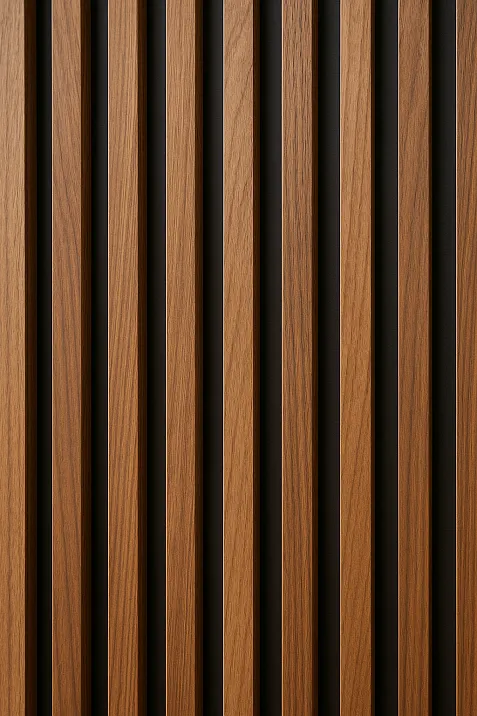
When it comes to creating the dream interior, every detail matters. And among the vast variety of finishing elements, decorative trim holds a special place — those very 'artist’s touches' that transform an ordinary space into a work of art.Decorative plank to buyToday — it is not just purchasing a finishing material, but an investment in the beauty, functionality, and coziness of your home.
What makes decorative trim so popular in modern design? The answer lies in its remarkable ability to combine practicality with aesthetics, creating visual accents where they are most needed. These elements can radically change the perception of space, adding depth, structure, and elegance.


Philosophy of decorative trim in modern interior design




Evolution of decorative elements: from antiquity to the present day
Its history traces back to deep antiquity. Already in ancient temples and palaces, architects used moldings, cornices, and trim to create visual harmony and highlight architectural features of buildings. These elements carried not only decorative but also symbolic significance, reflecting the status of the owner and his aesthetic preferences.
Todaydecorative plankIt is experiencing a true renaissance. Modern manufacturing technologies allow the creation of trim of incredible quality and variety, capable of satisfying the most refined tastes. From classic profiles to ultra-modern minimalist forms — everyone can find a solution perfectly matching their vision of the ideal interior.
The psychology of space perception also plays an important role in the popularity of decorative trim. Horizontal elements visually expand a room, vertical ones increase ceiling height, and complex compositions create a sense of luxury and sophistication. These are not just finishing elements — they are tools of architectural magic.
Our factory also produces:


Materials as the foundation of perfection
Choosing a material for decorative trim is the first and most important step toward creating the ideal interior. Each material has its unique characteristics that determine not only the appearance of the finished product but also its performance properties.
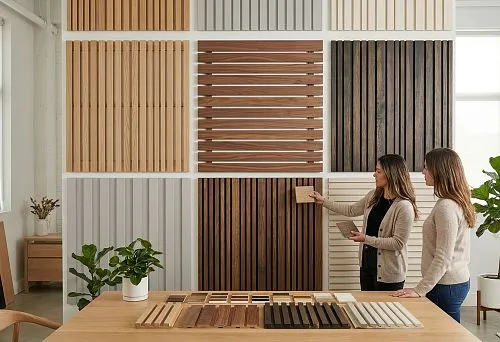
Decorative wooden plankIt remains the benchmark of quality and natural beauty. Natural wood breathes, lives its own life, creating a special atmosphere of warmth and coziness in the room. Each wood species has its own character: oak — noble and strict, birch — light and delicate, walnut — rich and expressive.
New-generation composite materials offer an alternative to natural wood, preserving its aesthetic qualities while surpassing it in technical characteristics. High-density MDF allows creating trim with complex profiles and perfect geometry, while special coatings ensure durability and resistance to external influences.
Metallic trim opens new horizons in design. Aluminum, steel, brass — each metal brings its own unique touch to the interior. They are ideal for creating modern, technologically advanced spaces, where clarity of lines and minimalism of forms are important.
Get Consultation
Classification of decorative trim: navigating the world of possibilities
By functional purpose
Wall trim represents the most extensive category of decorative elements.Decorative planks on the wallThey can perform multiple functions: create panels, frame openings, form niches, highlight architectural features of the room. Their variety is breathtaking — from delicate strips to massive cornices.
Ceiling strips solve the task of decorating the upper part of the room.Ceiling decorative trimThey can hide the junction between wall and ceiling, create multi-level compositions, serve as a base for hidden lighting. Especially effective in rooms with high ceilings, where there is room to implement bold design ideas.
Furniture strips — this is a separate universe of decorative possibilities.Decorative furniture plankThey can turn an ordinary cabinet into a piece of furniture art, and a simple kitchen into an elegant space for culinary creativity.
By stylistic directions
Classic style dictates its own rules for using decorative strips. Here, complex profiles with multiple curves, grooves, rosettes, and capitals are appropriate.Decorative wooden planksIn a classic execution — this is the embodiment of centuries-old craftsmanship and impeccable taste.
Modern minimalism requires a completely different approach. Here, clean lines, geometric precision, and the absence of unnecessary decoration are important.White decorative stripIt fits perfectly into the concept of minimalist interiors, creating a sense of light, air, and space.
Industrial style implies using metal or composite strips with imitation of metallic surfaces.Decorative metal stripIn such an interior, it is not just decoration, but an organic part of the overall space concept.
Technical aspects of selection: the science of beauty
Dimensions and Proportions
Choosing the right size of a decorative strip is an art requiring understanding of visual perception laws. Too massive strips in a small room will create a feeling of confinement, while too thin strips in a spacious room will simply disappear.
The golden rule of proportions states: the height of the strip should be approximately 1/8 of the wall height. However, this is merely a starting point for creativity. In rooms with non-standard proportions, you can boldly experiment, creating unique compositions.
The width of the strip also has critical importance. Narrow strips create delicate accents, while wide strips form powerful architectural elements.Universal decorative stripOf medium width — this is a compromise solution suitable for most interiors.
Profiles and their aesthetic impact
The profile shape of the strip determines the character of the visual effect it creates. Simple rectangular profiles create clear, graphic compositions. Rounded shapes introduce softness and coziness. Complex multi-level profiles create rich play of light and shadow.
Asymmetric profiles — a modern trend in strip design. They create dynamic, lively compositions that attract attention and add individuality to the interior. Such strips are especially effective in avant-garde interiors.
Surfaces and textures
The surface of the strip — this is its 'face,' determining the overall impression of the element. Smooth glossy surfaces reflect light, creating a sense of luxury and grandeur. Matte surfaces absorb light, forming a calm, soothing atmosphere.
Textured surfaces add tactile qualities to the interior. Imitation of wood, stone, fabric — modern manufacturing technologies allow creating strips with any desired texture.Decorative strips for woodMade from composite materials, they are often indistinguishable from solid wood products.
Application in various interior zones
Living room: the theater of home life
The living room is the heart of the home, the place where the family gathers and receives guests. Here, decorative strips should create an atmosphere of hospitality and comfort.Decorative strip for finishingOn walls in the living room, they can form panels, frame the fireplace area, and create accent compositions.
Strips look especially effective in the TV zone. They not only decorate the wall but also help hide cables, create niches for equipment, and integrate the screen into the overall interior composition. Vertical strips visually increase the ceiling height, which is especially important in modern apartments.
Strips can also serve as a base for placing works of art. Special hooks and holders integrated into the strips allow easily changing the exhibition, creating new visual accents without additional wall mounting.
Bedroom: oasis of peace and beauty
Decorative planks in the bedroom should create an atmosphere of calm and relaxation. Here, soft, rounded shapes, natural materials, and muted colors are appropriate. Planks at the headboard not only decorate the space but also serve a practical function, protecting the wall from contact.
Decorative wood stripPerfectly suited for the bedroom. Natural wood creates a healthy microclimate, regulates humidity, and fills the room with a pleasant woody aroma. Especially popular are planks made from coniferous species — pine, spruce, cedar.
Integrated lighting in the planks creates soft, diffused light, ideal for evening reading or simply relaxing. LED strips hidden behind the planks create the effect of floating elements in the air.
Kitchen: combination of beauty and functionality
The kitchen imposes special requirements on decorative elements. Here, not only aesthetic but also hygienic qualities of materials are important. Planks must be easy to clean, not absorb odors, and be resistant to steam and temperature fluctuations.
Decorative plank for the kitchenMade from special composite materials or with protective coatings, they perfectly handle these tasks. They can frame the work area, create transitions between different finishing materials, and form decorative panels.
The use of planks to create a "cabinet" — a decorative panel between the work surface and wall-mounted cabinets — is especially popular. This is not only beautiful but also practical — planks can be easily replaced when updating the interior.
Bathroom: moisture-resistant elegance
The bathroom is a special zone where decorative planks must combine beauty with maximum resistance to moisture.Decorative plank for the bathroomMade from special moisture-resistant materials or with a reliable protective coating.
Planks in the bathroom can frame mirrors, create decorative panels, and form niches for accessories. Planks with integrated lighting are especially effective — they create soft, even lighting, ideal for morning and evening routines.
Color solutions and their psychological impact
Classic palette
White plank color — this is a classic that will never go out of style. White planks visually expand the space, create a sense of cleanliness and freshness, and serve as an ideal background for any interior design solutions. They are especially effective in Scandinavian style and modern minimalism.
Decorative black plankCreates a completely different effect. Black planks add drama, clarity, and modernity to the interior. They are ideal for lofts, industrial interiors, and modern minimalist spaces.
Natural wood tones remain consistently popular. They create a sense of warmth, coziness, and connection to nature. From light birch tones to deep wenge shades — everyone will find a suitable option for their interior.
Modern trends
Metallic tones — gold, silver, copper, bronze — bring notes of luxury and elegance into the interior. They are especially effective under evening lighting, when the play of light on the metallic surface creates a magical atmosphere.
Vibrant plank colors — a bold solution for those who are not afraid of experimenting. Red, blue, green planks can become a bright accent in a neutral interior or, conversely, support the overall color scheme of the room.
Gradient transitions — the latest trend in plank design. A smooth transition from one color to another creates unique visual effects, adding dynamism and modernity to the interior.
Innovative technologies and materials
Smart planks
Modern technologies have enabled the creation of "smart" decorative planks integrated with home automation systems. They can include sensors for lighting, temperature, humidity, and dynamic wireless sound reproduction.
Planks with adjustable lighting allow creating different lighting scenarios depending on the time of day, mood, or functional purpose of the room. RGB LEDs can produce millions of shades, transforming ordinary planks into elements of light design.
Integration with voice assistants makes managing planks even more convenient. Simply say a command, and the lighting built into the planks will change according to your preferences.
Ecological Innovations
Modern production increasingly pays attention to the ecological component. Planks made from recycled materials, biodegradable composites, and wood from sustainably managed forests are becoming increasingly popular among environmentally conscious consumers.
Special coatings with photocatalytic properties can purify the air from harmful impurities. Such planks not only decorate the interior but also improve the room's microclimate, which is especially important for children's rooms and bedrooms.
Antibacterial coatings prevent the development of pathogenic microorganisms on the plank surfaces. This is especially relevant for spaces with high hygiene requirements — hospitals, childcare facilities, food production facilities.
Installation and mounting: secrets of a professional result
Preparation Stage
A quality result is impossible without careful preparation. The surface must be perfectly flat, clean, and treated with appropriate primers. Even minor irregularities will be noticeable after installing the planks, so their removal is a mandatory stage of work.
Marking is the foundation of successful installation. A laser level ensures perfectly accurate lines along which the planks will be installed. Special attention should be paid to corners and joints — here, precision is critically important.
The choice of fasteners depends on the plank material and the base. For wooden planks on a wooden base, self-tapping screws are suitable; for mounting to concrete or brick, anchors are required. Hidden fasteners ensure a perfect appearance without visible connecting elements.
Methods of mounting
Mechanical fastening is the most reliable method, ensuring maximum connection strength. Modern hidden fastening systems allow achieving a flawless result without visible fastening elements.
Adhesive fastening is suitable for light planks on flat surfaces. Modern polyurethane adhesives provide strong, long-lasting connections. It is important to choose the adhesive correctly according to the materials of the plank and the base.
Magnetic fastening systems — an innovative solution allowing quick installation and removal of planks as needed. Particularly convenient for planks that may require periodic maintenance or replacement.
Features of Working with Different Materials
Wooden planks require special attention to the moisture of the material and the room. Significant differences in these indicators may cause deformation. Expansion gaps help avoid problems when the planks change size.
Composite planks are more dimensionally stable, but require careful handling — plank edges must be perfectly flat and treated with special compounds to prevent delamination.
Metallic planks require protection against corrosion at fastening points. All connecting elements must have appropriate coatings or be made of stainless materials.
Integration with other interior elements
Harmony with baseboards
Creating a unified interior ensemble requires careful coordination of all elements.Wooden baseboardshould harmoniously match decorative planks in material, color, and finish style. This creates visual unity, unifying all surfaces of the room.
wooden skirting board purchaseis better installed simultaneously with planks — this guarantees exact color match and uniform texture. Many manufacturers offer comprehensive collections including all necessary finishing elements.
The height and profile of the baseboard must correspond to the scale of the decorative planks.wooden baseboardwith the same profile as wall planks, creates a unified architectural language for the room.
Combination with cornices and moldings
Decorative plank for corniceplays an important role in window frame decoration. It not only conceals curtain fasteners but also creates a finished, elegant window appearance. A properly selected plank can visually enlarge the window size and alter the proportions of the opening.
Moldings and planks must work as a unified ensemble, creating complex, multi-level compositions. The interplay of various profiles, sizes, and textures allows creating unique interior solutions.
Transition elements between different types of planks — corners, connectors, caps — must be executed with the same care as main elements. It is precisely the details that create a sense of quality and professionalism.
Care and Maintenance: Preserving Beauty for Years
Regular Maintenance
Proper care extends the service life of decorative planks and preserves their original beauty. Regular dry cleaning with a soft brush or vacuum cleaner with a delicate attachment removes dust from textured surfaces and hard-to-reach areas.
Wet cleaning should be performed with special agents suitable for the specific plank material. Wooden planks require wood-specific cleaners, composite planks — neutral cleaners, metallic planks — special polishes.
It is important to avoid aggressive chemical agents, abrasive materials, excessive moisture. All stains and dirt should be removed immediately, without allowing them to penetrate the material.
Periodic Renewal
Planks with lacquer coatings may require periodic renewal. Frequency depends on usage conditions, coating quality, and room usage intensity. On average, renewal is required every 5-7 years.
Restoration of wooden planks is an entire art, requiring knowledge of wood properties, processing technologies, and characteristics of various coatings. Sometimes it is simpler to replace damaged elements rather than attempt to restore them.
Modular plank systems allow replacing individual elements without dismantling the entire structure. This significantly simplifies maintenance and reduces repair costs.
Economic aspects: Investment in beauty
Formation of cost
The cost of decorative planks depends on many factors. The material used plays a key role — natural wood of premium species costs significantly more than composite materials. Profile complexity, processing quality, and manufacturer reputation also affect the price.
Do not compromise on quality — low-quality, cheap planks may cause problems during installation and operation. It is better to choose the optimal price-to-quality ratio rather than redoing the work later.
Installation cost may range from 30% to 100% of material cost depending on project complexity. DIY installation can save money but requires specific skills and tools.
Long-term economic efficiency
Quality decorative planks serve for decades without replacement. Unlike other types of finishes that require periodic renewal, good planks are a long-term investment.
Partial repair capability — an important advantage of plank systems. If an individual plank is damaged, it can be replaced without affecting other elements. This significantly reduces maintenance costs.
Decorative planks increase property value. High-quality finishes using premium materials are highly valued in the real estate market, making investments in planks not only aesthetically but also financially worthwhile.
Trends and Development Prospects
Modern interior styles also use oak skirting boards, but in a different interpretation. Minimalism prefers simple rectangular profiles without decorative elements. Smooth surfaces with matte finish create a sense of strictness and elegance.
Minimalism remains one of the leading trends in decorative plank design. Simple forms, clean lines, absence of unnecessary decoration — these principles are reflected in modern plank collections.
Ecological sustainability is becoming an increasingly important factor in selection. Planks made from recycled materials, with minimal carbon footprint, certified to ecological standards, are gaining growing demand.
Personalization is another important trend. Consumers want unique solutions that reflect their individuality. Manufacturers respond to this demand by offering customization of sizes, profiles, colors, and textures.
Technological Innovations
3D printing opens new possibilities in the production of decorative planks. It allows creating elements of any complexity, including previously impossible shapes with internal cavities and integrated channels for communication.
Nanotechnologies allow creating coatings with unique properties — self-cleaning, antibacterial, changing color depending on lighting or temperature.
The Internet of Things (IoT) makes planks part of a smart home. Sensors embedded in planks can monitor microclimate parameters, air quality, and lighting levels, transmitting data to a centralized home management system.
Frequently asked questions
What material is best to choose for decorative planks in wet areas?
For bathrooms and kitchens, planks made of moisture-resistant composite materials or natural wood with protective coating are best suited. Teak, larch, and thermally treated wood have natural moisture resistance. It is also important to ensure proper ventilation in the room.
Can decorative planks be used in a child's room?
Yes, but with safety requirements. Planks must be made from eco-friendly materials and have safety certifications. Avoid sharp corners; use planks with rounded edges. The coating should be resistant to mechanical impacts and easy to clean.
How to correctly calculate the number of planks for a room?
The calculation depends on the chosen installation method. For solid cladding, measure the room's perimeter and divide by the plank width. For decorative panels, calculate the area of each panel. Add 10-15% extra for cutting and potential damage during installation.
How long does it take to install decorative planks?
Installation time depends on project complexity, work area size, and installer qualifications. Simple wall cladding can be completed in one day, while complex multi-level compositions require several days. Surface preparation usually takes as much time as the actual installation.
Do planks need to be treated after installation?
Planks made of natural wood usually require final finishing after installation — painting, varnishing, or staining. Planks with factory-applied coatings do not require additional treatment. It is important to protect plank ends with appropriate compounds.
Can planks be removed without damaging walls?
It depends on the method of attachment. Planks glued to walls are difficult to remove and may damage wall finishes. Mechanically fastened planks are easier to remove, but may leave fastener marks. Special hidden fastening systems allow removing planks with minimal damage to the base.
Conclusion: Investment in lasting beauty
Decorative plank to buyToday, it is much more than simply purchasing a decorative material. It is an investment in the beauty, comfort, and longevity of your interior. Properly selected and professionally installed decorative planks can transform any space, adding character, elegance, and individuality.
The modern market offers an incredible variety of solutions — from classic wooden planks to ultra-modern composite materials with integrated technologies.Decorative Furniture PanelsThey allow creating unique furniture items, while wall planks form distinctive interior compositions.
It is important to remember that project success depends not only on material quality, but also on proper planning, professional installation, and correct maintenance. Each stage requires attention and understanding of the specifics of working with decorative planks. Integration with other interior elements, includingwith a classic profile creates a sense of solidity, reliability.creates a harmonious ensemble, where each detail complements the overall composition.
STAVROS is a recognized leader in the production of high-quality decorative planks and interior elements. Rich experience, deep understanding of modern market needs, and constant pursuit of perfection — all this enables STAVROS to create products meeting the highest quality and design standards. STAVROS production facilities are equipped with modern European equipment, ensuring precise manufacturing and consistent quality of each item. The STAVROS team consists of experienced craftsmen, designers, and technologists who do not merely produce planks, but create elements of future interiors, fully understanding the responsibility for the final result. STAVROS quality control system covers all stages of the production process — from raw material inspection to final packaging of finished products. STAVROS offers not just materials, but comprehensive solutions for creating unique interiors, including consultation on selection, technical support, warranty, and post-warranty service. Choosing STAVROS products means investing in quality, reliability, and beauty that will delight you for many years.