Article Contents:
- History of Window Frame Trim Development
- Materials for Window Frame Trim
- Wood – Classic for All Eras
- Stone and Artificial Stone
- Polyurethane and Other Modern Materials
- Styles of Window Frame Trim
- Classic style
- Rustic Style (Country Style)
- Modern minimalism
- Ethnic Styles
- Technology of Manufacturing Wooden Window Frames
- Material Selection and Preparation
- Design and Manufacturing
- Finishing and protective treatment
- Installation of Window Frames
- Surface Preparation
- Mounting methods
- Finishing
- Features of Framing Different Types of Windows
- Rectangular Windows
- Arched Windows
- Circular and Oval Windows
- Mansard Windows
- Restoration of Historical Window Frames
- Assessment of Condition and Preparation for Restoration
- Methods of Restoring Wooden Elements
- Recreating Lost Elements
- Modern Trends in Window Framing
- Ecological and natural properties
- Minimalism and Functionality
- Technological Innovations
- Practical Recommendations for Choosing Framing
- Considering the Architectural Style of the Building
- Climate Characteristics of the Region
- Budget Constraints and Durability
- Window Framing in Different Rooms
- Living rooms
- Kitchen and Bathroom
- Commercial and Public Spaces
- Integrating Trim with Other Interior Elements
- Coordination with Door Openings
- Relationship with Molding and Cornices
- Role in the Overall Room Composition
- Maintenance of Window Frames
- Regular Maintenance of Wooden Elements
- Extending service life and preventive measures
- Seasonal Maintenance Activities
- Economic Aspects of Choosing Trim
- Price-to-Quality Ratio
- Impact on Building Energy Efficiency
- Increase in Property Market Value
- Conclusion
Window openings are not just functional holes in walls; they are architectural elements capable of transforming the appearance and interior space of any room. Window frame It is not only a decorative element but also an important structural component that protects surrounding surfaces from moisture, temperature fluctuations, and mechanical damage. A properly selected and installed frame can emphasize the architectural style of a building and give the interior a sense of completeness and elegance.


History of window framing development
The tradition of decorating window openings has a multi-century history. In ancient times, windows were small openings protected from bad weather using simple means — animal skins, fabrics, or wooden shutters. With the development of construction technologies and the advent of glass, windows became not only a functional element but also an important architectural detail.
In the Renaissance Window frame It gained particular significance. Architects of that time created complex compositions of carved stone, decorating windows with columns, pilasters, and pediments. In Baroque and Rococo, the framing became even more ornate, with an abundance of decorative elements, moldings, and carvings.
Neoclassicism brought strictness and symmetry to window design, while modernism introduced smooth, natural lines. In contemporary architecture, we observe both a return to historical styles and the creation of minimalist, functional solutions.




Materials for window frame
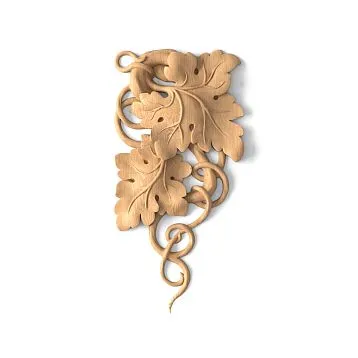
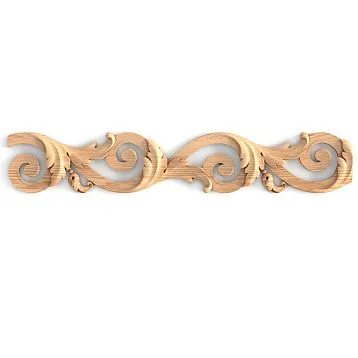
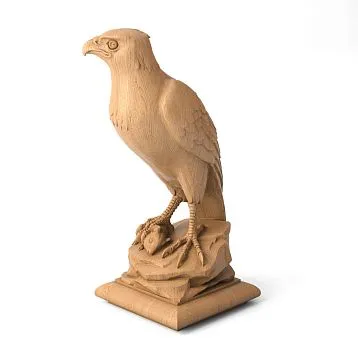
Our factory also produces:


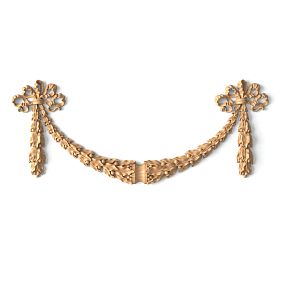


Wood – classic for all times
Wood remains one of the most popular materials for window frameIt possesses natural beauty, eco-friendliness, and excellent thermal insulation properties. For manufacturing wooden frames, various types of wood are used:
- Oak — distinguished by high strength, durability, and noble texture. Oak frames can serve for decades, acquiring an even more expressive appearance over time.
- Spruce – a more affordable option, possessing good operational characteristics and a pleasant light shade.
- Larch — exceptionally resistant to moisture and decay, making it an ideal choice for window frames in rooms with high humidity.
- Beech – a hard wood with a uniform structure, easily processed and painted.
- Ash – features an attractive grain and high strength.
Wooden Window frame Requires regular maintenance – treatment with protective compounds, painting, or varnishing. However, these efforts are rewarded with the unique coziness and warmth that wood brings to the interior.
Get Consultation
Stone and artificial stone
Stone window frames are a symbol of luxury and durability. Natural stone is primarily used in building exteriors and can be represented by materials such as:
- Marble — a classic material with a distinctive pattern and noble sheen.
- Granite — an exceptionally strong and durable material, resistant to atmospheric effects.
- Limestone – softer and more workable, allowing the creation of complex decorative elements.
- Sandstone – possesses warm natural tones and harmonizes well with brickwork.
Artificial stone represents a more affordable alternative to natural stone. It is lighter, easier to install, and offers a wide range of textures and colors. Modern technologies allow creating artificial stone that is practically indistinguishable from natural stone.
Polyurethane and other modern materials
In the last decades, for window frame synthetic materials are increasingly used:
- Polyurethane — a lightweight, moisture-resistant material that does not rot or attract insects. Polyurethane elements can be painted in any color, do not crack, and do not deform over time.
- PVC — an affordable and practical material, resistant to moisture and temperature fluctuations. PVC products do not require additional finishing and are easy to install.
- Fiber-cement — a composite material combining the strength of cement with the lightness and flexibility of fibers. Fiber-cement frames are resistant to atmospheric effects and fire.
Styles of window framing
Classic Style
Classical Window frame Characterized by symmetry, proportionality, and use of traditional architectural elements. Typical details include:
- Pilasters — flat columns flanking the window on both sides.
- Cornices — horizontal projections above the window, often with profiled surfaces.
- Sondries — decorative elements above the window in the form of a small cornice or pediment.
- Keystone stones — central elements of arched windows, often adorned with carving or relief.
Classic frames are most often made of wood, stone, or plaster and can be either restrainedly elegant or richly decorated.
Rustic style
The rustic style implies the use of natural materials and simple forms. Window frame In rustic style, it is often made from roughly processed wood or stone, emphasizing the natural beauty of the material. Key features:
- Minimal surface treatment preserving natural texture.
- Simple, functional forms without excessive decoration.
- Warm, natural tones.
- Shutters are often used as both a functional and decorative element.
Modern minimalism
Modern minimalist frames are characterized by simple forms and clean lines. In this style, the following are often used:
- Simple geometric shapes without decorative elements.
- Contrasting color solutions.
- Combinations of various materials – metal, glass, concrete.
- Hidden technical elements creating an impression of "seamlessness".
Ethnic styles
Different cultural traditions offer unique approaches to window frame design:
- Mediterranean style – arched windows with white or terracotta trim, often complemented by wrought iron grilles.
- Eastern style – carved wooden frames with characteristic geometric or floral ornamentation.
- Scandinavian style – simple, functional forms in light tones, often with contrasting coloring.
Technology of manufacturing wooden frames
Material selection and preparation
The process of creating quality wooden window frame begins with careful selection of material. The wood must be well-dried (moisture not exceeding 12-15%), free of visible defects – knots, cracks, signs of rot or insect damage.
Material preparation includes the following stages:
- Primary processing – cutting logs into boards of required thickness.
- Drying – natural (over several months) or kiln-dried (faster and more controlled process).
- Planing – leveling the surface and giving boards precise dimensions.
- Sanding – removing minor defects and creating a smooth surface.
Design and manufacturing
Design window frame begins with precise measurements of the window and surrounding surfaces. Based on these data, a drawing is created, taking into account all construction features and decorative elements.
Manufacturing wooden elements can be done either manually or using modern equipment:
- Cutting material to size with allowances for processing.
- Milling profiles and decorative elements.
- Creating joints – tenons, grooves, locks.
- Assembling individual elements into a single structure.
- Final sanding of the entire structure.
Finishing and protective treatment
Final stage of creating wooden window frame – is finishing and protective treatment. It includes:
- Priming – applying special compositions that improve adhesion of subsequent coatings and protect wood from moisture and biological damage.
- Staining – imparting the desired shade to wood using stains or dyes.
- Varnishing or painting – creating a protective decorative layer.
- Applying finishing coatings – wax, oil, or special protective compounds.
Modern technologies offer a wide range of materials for wood finishing, from traditional oil-based and alkyd to innovative acrylic and polyurethane compositions, providing long-term protection and preserving decorative qualities.
Installation of window frames
Surface preparation
Before installation window frame It is necessary to carefully prepare the surface:
- Clean from old finish, dust, and dirt.
- Level walls around the window, using plaster or spackle if necessary.
- Treat the surface with primer to improve adhesion.
- Perform precise measurements and marking for installation locations of frame elements.
Methods of mounting
The method of fastening depends on the frame material and surface type:
- Wooden elements are fastened to wooden surfaces using nails, screws, or wood glue. To brick or concrete walls – using anchors or bolts.
- Stone frames are typically mounted on special metal fasteners – brackets or anchors.
- Polyurethane and PVC elements are most often fastened using special adhesives or construction foam.
Final Finishing
After installation window frame Final finishing:
- Filling joints and seams with spackle or sealant.
- Sanding surfaces to create a perfectly smooth transition between elements.
- Painting or varnishing the entire structure to create a unified visual appearance.
- Applying protective coatings, especially for exterior elements exposed to atmospheric conditions.
Features of framing different types of windows
Rectangular windows
Rectangular windows – the most common type, offering wide possibilities for window frame. A classic solution includes:
- Vertical casings on both sides of the window.
- Horizontal casing or cornice above the window.
- Sill or decorative element below the window.
Variations may include additional decorative elements – pilasters, consoles, rosettes, modillions.
Arched windows
Arched windows require a special approach to framing. The main challenge is creating an accurate arched shape that matches the window's contour. The following methods are used:
- Manufacture of complete arched elements according to a template.
- Creation of composite structures from individual segments.
- Use of flexible materials capable of taking the required shape.
Arched Window frame Often supplemented by a keystone at the top of the arch and impost blocks dividing the window into sections.
Round and oval windows
Round and oval windows (illuminators) present a special challenge for framing. They require manufacturing elements according to individual templates, precisely replicating the window's shape. Often, such windows are framed with minimalist surrounds that emphasize their unusual form, or, conversely, with richly decorated frames that transform the window into an architectural accent.
Mansard windows
Mansard windows located in roof slopes have their own framing specifics. The inner trim must account for the sloped ceiling and ensure maximum light penetration. Often, eaves that widen toward the bottom are used, painted in light tones to better reflect light.
Restoration of historical window frames
Assessment of condition and preparation for restoration
Historical restoration window frame begins with a careful assessment of its condition:
- Visual inspection and photographic documentation of all elements.
- Identification of damage – cracks, chips, signs of rot, insect infestation.
- Determination of the degree of preservation of original finishes – paint, gilding, carving.
- Preparation of restoration work plan taking into account the historical value of the object.
Methods for restoring wooden elements
Restoration of wooden frames may include the following methods:
- Prosthetics – replacement of damaged sections with new elements made of similar wood.
- Strengthening – treatment of weakened wood with special compounds restoring its strength.
- Restoration of carving – recreation of lost decorative elements based on surviving samples or historical documents.
- Removal of later layers – cleaning off non-original paints and finishes to reveal the original appearance.
Recreation of lost elements
When original elements are completely lost window frame their recreation is based on:
- Archival photographs and drawings.
- Similar surviving elements on the same building.
- Typologically similar samples from the same historical period.
Recreation requires high craftsmanship and knowledge of historical techniques to ensure new elements integrate organically into the building’s overall ensemble.
Modern trends in window framing
Ecological and natural properties
Modern eco-trends are also reflected in window frame trimBecoming increasingly popular are:
- Use of wood from sustainably managed forests, with appropriate certifications (FSC, PEFC).
- Use of natural finishing materials – oils, waxes, water-based paints.
- Reuse of historical architectural elements.
- Creating trim from recycled materials.
Minimalism and Functionality
In modern architecture, minimalist solutions are often preferred:
- Clean, geometric forms without excessive decoration.
- Hidden technical elements – drainage, ventilation openings.
- Integration of window trim into the overall facade system.
- Multi-functional elements combining decorative and practical functions.
Technological Innovations
Technological advancements offer new opportunities for window frame:
- Composite materials combining strength, lightness, and resistance to external influences.
- 3D printing of decorative elements, allowing creation of complex shapes with minimal costs.
- Integration of LED lighting into trim elements.
- Smart systems responding to environmental changes – temperature, lighting, humidity.
Practical recommendations for choosing a frame
Consideration of the building's architectural style
When choosing window frame is of primary importance for compatibility with the building's architectural style:
- For classical buildings, traditional profiled casings, cornices, and sashings are suitable.
- Modern style is characterized by smooth, asymmetrical forms and botanical motifs.
- Constructivism and minimalism imply simple geometric forms, often with contrasting color schemes.
- Ethnic styles require adherence to proportions and ornaments characteristic of the given culture.
Regional climatic features
Climate conditions significantly influence the choice of materials and trim construction:
- In high-humidity regions, materials resistant to rot and mold – larch, thermowood, composites – are preferred.
- In regions with sharp temperature fluctuations, material resistance to deformation – stone, fiber-cement, certain types of plastic – is important.
- In sunny regions, material and finish resistance to UV degradation must be considered.
Budget constraints and longevity
When planning the budget for Window frame it is important to consider not only initial costs, but also long-term maintenance expenses:
- Wooden frames have a medium initial budget, but require regular maintenance and renewal of protective coatings.
- Stone road frames are installed, but practically require no maintenance and last for decades.
- Polyurethane and PVC elements are available at a low cost and require no special care, but have a limited service life.
Window frames in various rooms
Living rooms
in residential spaces Window frame must combine aesthetic appeal with practicality. Key aspects:
- Harmonious integration with the overall interior style.
- Use of eco-friendly materials.
- Ease of use and maintenance.
- Ability to integrate with curtain, blind, and valance systems.
Kitchen and bathroom
Rooms with high humidity impose special requirements on window framing:
- Materials must be moisture-resistant and easy to clean.
- The construction must prevent moisture accumulation and mold formation.
- Finishing must withstand household chemicals and temperature fluctuations.
Optimal options include plastic, composite materials, ceramic tiles, and specially treated wood.
Commercial and public spaces
In public buildings Window frame must correspond to the functional purpose of the room and corporate style:
- Offices often use strict, minimalist solutions in neutral tones.
- Restaurants and cafes may use more decorative, stylized frames to create a certain atmosphere.
- Educational and medical facilities require practical, durable materials that meet sanitary standards.
Integration of framing with other interior elements
Coordination with door openings
To create a harmonious interior, it is important to coordinate Window frame with door opening finishes:
- Use of identical or stylistically similar profiles.
- Coordination of proportions and sizes of decorative elements.
- Unified color scheme or thoughtfully designed contrasting combination.
Relationship with moldings and valances
Window frames should be part of the overall system of decorative interior elements:
- Ceiling moldings and valances can complement the shapes of window frames.
- Baseboards and wall moldings should be coordinated in style and proportions.
- Decorative elements – outlets, consoles, pilasters – can use common motifs.
Role in the overall room composition
Window frame can play different roles in the interior:
- Be a neutral background, highlighting other decorative elements.
- Serve as an accent, drawing attention to the view from the window.
- Act as the main decorative element, setting the tone for the entire room.
Maintenance of window trim
Regular maintenance of wooden elements
Wooden Window frame requires regular care:
- Cleaning from dust and dirt with a soft brush or vacuum cleaner.
- Wiping with a damp, well-wrung cloth without using aggressive cleaning agents.
- Periodic treatment with special wood compounds – oils, waxes, polishes.
- Updating protective coatings – varnish or paint – as they wear out (typically every 3-5 years for interior and 1-3 years for exterior elements).
Features of maintenance for different materials
Each material requires a specific care approach:
- Stone is cleaned with special non-acidic cleaners. Periodic treatment with hydrophobic agents may be required for moisture protection.
- Polyurethane and PVC can be cleaned with a damp cloth and mild detergent. Avoid abrasive materials and solvents.
- Metallic elements require protection against corrosion – periodic application of anti-corrosion compounds and renewal of decorative coatings.
Seasonal maintenance activities
To ensure longevity window frame it is recommended to conduct seasonal inspections and maintenance:
- In spring – inspection for damage after winter, cleaning from dirt, local repairs if necessary.
- In summer – check the condition of protective coatings, especially on the southern side of the building exposed to intense sunlight.
- In autumn – preparation for the winter season, treatment with protective compounds, sealing gaps and joints.
- In winter – monitoring for condensation on interior surfaces, timely removal of snow and ice from exterior elements.
Economic aspects of choosing molding
Price-to-quality ratio
When choosing window frame it is important to find the optimal balance of price and quality:
- Cheap materials may require frequent replacement or repair, which will ultimately cost more in the long run.
- High-quality materials and professional installation ensure durability and aesthetic appeal for many years.
- The cost of maintaining different materials may vary significantly and should be considered when planning the budget.
Impact on building energy efficiency
Correctly executed Window frame can significantly improve building energy efficiency:
- Quality trim prevents cold bridges and heat loss.
- Some materials have additional insulating properties.
- Well-designed framing can enhance natural ventilation and regulate sunlight entry.
Increase in property market value
Investments in quality Window frame can increase property market value:
- Aesthetically appealing windows improve the overall impression of the building.
- Quality materials and craftsmanship indicate a high level of construction and finishing.
- Historically accurate or design-oriented solutions can become a unique advantage of a property in the real estate market.
Conclusion
Window frame It is not merely a decorative element, but an important functional detail affecting comfort, energy efficiency, and building longevity. Properly selected and well-executed framing accentuates architectural style, creates a harmonious interior, and increases property value.
The modern market offers a wide range of materials and technologies enabling the realization of any design ideas—from historical reconstructions to avant-garde solutions. At the same time, it is important to consider not only aesthetic preferences but also practical aspects—climate conditions, functional purpose of the space, maintenance requirements.
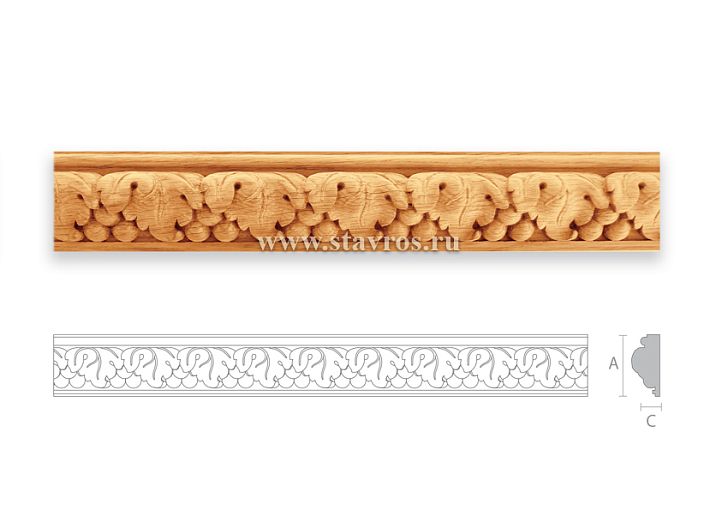
Company 'Stavros' offers a wide range of high-quality solid wood products for window frame – moldings, cornices, baseboards, and other decorative elements. Years of experience, modern equipment, and use of premium materials allow creating products that combine aesthetic perfection with functionality and durability.