Article Contents:
- History of window framing in architecture of different eras
- Origins of the tradition of window framing
- Evolution of framing styles through centuries
- National characteristics of window framing
- Elements and components of window framing
- Main architectural elements
- Decorative elements and their symbolism
- Functional components of framing
- Materials for manufacturing window frames
- Traditional materials and their characteristics
- Modern materials and technologies
- Material selection depending on style and climate
- Manufacturing and installation technologies for window frames
- Traditional manufacturing methods
- Modern manufacturing technologies
- Installation and Mounting Process
- Stylistic Solutions for Window Trim
- Classic framing styles
- Ethnic and regional styles
- Modern trends in framing design
- Practical aspects of selecting and maintaining window framing
- Framing selection depending on building architecture
- Maintenance and servicing of different types of framing
- Restoration and rehabilitation of historical framing
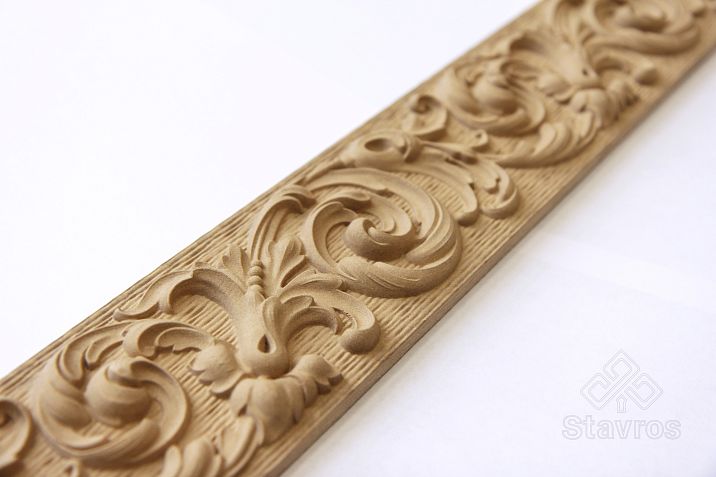
In the world of architecture and interior design, there are elements that, despite their apparent secondary importance, play a decisive role in forming the overall appearance of a building. One such element is window framing – an architectural technique that not only emphasizes the facade style but also protects window openings from adverse environmental effects. The art of window framing has a multi-century history, and today we will examine it in all aspects: from historical development to modern technologies and materials.
window framing – it is not just a decorative element, but an important component of the architectural ensemble, which can radically change the perception of a building both from the outside and from the inside. Properly selected framing can transform even the simplest window, giving it elegance and character that match the overall style of the house.
In this article, we will thoroughly examine various aspects window casings: historical traditions, types and varieties of framing, materials used, installation technologies, as well as modern trends in this field. Regardless of whether you are planning to build a new house or restore a historic building, this information will help you make the right choice and create a harmonious look for your home.


History of Window Framing in Architecture of Different Eras




Origins of the Tradition of Window Opening Framing
History window casings It traces its roots back to deep antiquity. Already in ancient architecture of Ancient Greece and Rome, window openings were distinguished by special architectural elements. In Greek architecture, windows were framed by simple stone sills that served not only a decorative but also a structural function, reinforcing the opening. The Romans developed this tradition by adding more complex elements: cornices, pediments, and pilasters, which gave windows monumentality and grandeur.
In medieval European architecture, especially in Romanesque and Gothic styles, window openings acquired special significance. Gothic windows with their pointed arches and stained glass required appropriate framing, often including intricate stone carving and sculptural elements. These frames not only emphasized the beauty of the stained glass but also served as structural elements distributing the load from massive walls.
During the Renaissance, architects returned to classical forms of antiquity but reinterpreted them according to new aesthetic ideals. Window frames of this period were characterized by harmonious proportions, symmetry, and the use of classical orders: columns, pilasters, cornices, and pediments. Especially refined examples can be seen in Italian palazzi, where windows were often framed by richly decorated sills made of marble or sandstone.
Our factory also produces:



Evolution of window framing styles through centuries
Styles window casings Changed along with architectural styles. Baroque brought opulence and theatricality: window frames of this period featured complex curved forms, abundance of decorative elements, and sculptural embellishments. Masks, garlands, cartouches, and other plastic motifs were often used, creating an effect of movement and dynamism.
In the era of eclecticism and historicism, architects freely borrowed elements from various historical styles, leading to the emergence of diverse window frame forms. Depending on the chosen stylistic direction, windows could be framed in Gothic, Renaissance, Baroque, or Classical styles.
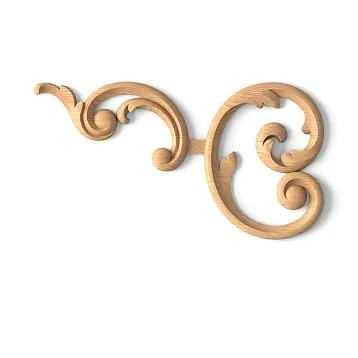
Modern (Art Nouveau) at the turn of the 19th-20th centuries brought a new aesthetic based on flowing, fluid lines and plant motifs. Window frames of this period often had asymmetrical shapes and were adorned with stylized natural elements: flowers, leaves, plant stems. Materials included not only stone and wood, but also metal, which allowed for elegant, delicate constructions.
Modern (Art Nouveau) at the turn of the 19th-20th centuries brought a new aesthetic based on flowing, fluid lines and botanical motifs. Window frames of this period often had asymmetrical shapes and were decorated with stylized natural elements: flowers, leaves, plant stems. Materials included not only stone and wood, but also metal, which allowed for elegant, delicate constructions.
Get Consultation
National characteristics of window framing
Developed in different countries and regions window casingsReflecting local culture, climatic conditions, and available materials.
In Russia, wooden architecture gave rise to a unique tradition of carved window casings, which not only decorated houses but also had symbolic significance, serving as protective amulets. Russian casings are distinguished by rich carved decoration, including solar symbols, plant motifs, depictions of birds and animals. Each region had its own characteristics: northern casings were more restrained and geometric, while southern ones were more ornate and rich in plant ornamentation.
In Western European countries, stone window frames reflected local architectural traditions. In France, they often had elegant, refined forms with delicate carving and sculptural elements. In Germany, more massive, solid frames prevailed, often featuring half-timbered elements. In Italy, arched forms and classical orders were widely used.
In Eastern countries, window frames had their own specific features. In Islamic architecture, windows were often framed with complex geometric ornamentation or latticework (mashrabiya), which not only decorated the facade but also protected the interior from unwanted views and scorching sunlight. In China and Japan, window openings were traditionally framed with wooden frames featuring the characteristic minimalist and functional design of these cultures.
Elements and components of window framing
Main architectural elements
window framing may include various architectural elements, each performing its own function and contributing to the overall facade appearance.
Casings are decorative panels that frame the window opening around its perimeter. They can be simple or richly decorated, depending on the architectural style of the building. Casings not only decorate the window but also protect the joint between the window frame and the wall from moisture and cold air infiltration.
Sill (water spout) – a horizontal element located at the bottom of the window. Its main function is to divert rainwater away from the building’s wall. In addition, the sill often serves as a decorative element, emphasizing the horizontal division of the facade.
Brackets – supporting elements that visually 'support' the cornice or sill. They can be simple or richly decorated, using plant, geometric, or figurative motifs.
Keystone – the central element of an arched window, located at the apex of the arch. It not only performs a structural function, holding the arch from collapse, but also often serves as a decorative accent, adorned with carving or sculptural imagery.
Decorative elements and their symbolism
In addition to main architectural elements,
may include various decorative elements, which often carry symbolic meaning. window framing Plant motifs – leaves, flowers, garlands, wreaths – symbolize life, fertility, prosperity. They are especially characteristic of Baroque, Rococo, and Modern styles.
Geometric ornaments – meanders, braids, diamonds, zigzags – often have ancient origins and may symbolize elements (water, fire), the movement of the sun, the infinity of life.
Anthropomorphic elements – mascarons (decorative faces), caryatids, atlantes – may represent deities, mythological figures, or allegorical figures. They often serve a protective function, warding off evil spirits from the house.
Zoomorphic motifs – depictions of real or mythical animals and birds – also often carry symbolic meaning. The lion symbolizes strength and power, the eagle – keenness and wisdom, the dragon – protection of treasures, etc.
Zoomorphic motifs — depictions of real or fantastical animals and birds — also often carry symbolic meaning. The lion symbolizes strength and power, the eagle — keen sight and wisdom, the dragon — protection of treasures, etc.
In folk architecture, decorative elements window casings often had not only aesthetic but also magical significance. For example, in Russian casings, solar symbols (circles, rosettes, stars) symbolized the sun and were meant to protect the house from dark forces. Images of birds were associated with the sky and ancestors’ souls, plant motifs – with fertility and vital energy.
Functional components of framing
Beyond decorative function, window framing perform a number of important practical tasks, ensured by special functional components.
Sills are the internal and external surfaces of the window opening that connect the window frame to the wall. They not only give the window opening a finished look but also improve the window's thermal insulation, preventing cold bridges.
Soffits are metal or plastic profiles installed on the exterior side under the window. Their main function is to divert rainwater away from the building's wall, preventing moisture and damage.
Window shutters are movable elements that can cover the window from the outside. They protect against sun, wind, rain, and unwanted views, and also improve window insulation during cold weather.
Mosquito nets are a modern functional element that protects the interior from insects when the window is open. Although they appeared relatively recently, designers strive to integrate them into the overall window frame design.
Water drainage channels are special grooves in window sills and thresholds that ensure effective rainwater runoff from the window opening, preventing its destruction and moisture intrusion into the building.
Materials for making window frames
Traditional materials and their characteristics
For centuries, window casings various traditional materials have been used, each with its own features and advantages.
Wood is one of the oldest and most widely used materials for window frames. It is easy to work with, allowing for intricate carved elements. Wooden sills are particularly characteristic of folk architecture in many countries, including Russia, Scandinavia, and the Alpine region. Among wood species, the most popular are:
- Oak – a strong, durable material with a beautiful texture, resistant to rot and insect damage.
- Spruce – a more affordable material, easy to process, but requires regular protective treatment.
- Larch – has high strength and resistance to moisture, and over time develops a beautiful silver tone.
- Cedar – has a pleasant aroma and natural oils that protect against rot and insects.
Stone – a traditional material for monumental buildings. Stone window frames are durable, resistant to atmospheric effects, and give the building a solid appearance. The most commonly used types are:
- Limestone – a relatively soft stone, easy to work with, with a warm beige or cream color.
- Sandstone – a strong material in various shades, from light yellow to red-brown.
- Marble – a noble material with a distinctive pattern, used for prestigious buildings.
- Granite – an extremely strong and durable material, resistant to any atmospheric effects.
Brick – a traditional building material often used to create decorative window frames. Brick frames can have various shapes and patterns created by special masonry. They are strong, durable, and well-suited to brick facades.
Terracotta – fired clay used to create decorative frame elements, especially during the Renaissance and Baroque periods. Terracotta elements can have complex shapes and relief, are relatively lightweight, and resistant to atmospheric effects.
Modern materials and technologies
With technological development, new materials for window casingshave emerged, combining aesthetic qualities with practicality and durability.
Polyurethane – a lightweight, strong material resistant to rot, insect damage, and moisture. Polyurethane elements can mimic any traditional material: wood, stone, plaster. They are easy to install, require little maintenance, and have a long service life.
Fiber-cement – a composite material consisting of cement reinforced with fibers. It is strong, fire-resistant, resistant to moisture and temperature fluctuations. Fiber-cement frame elements can mimic the texture of wood or stone, yet require little complex maintenance.
Composite materials – modern developments combining various components to achieve optimal properties. For example, wood-plastic composites (WPC) combine the naturalness of wood with the weather resistance of plastic.
Aluminum – a lightweight, strong metal resistant to corrosion. Aluminum frames can have various shapes and colors due to powder coating or anodizing. They are especially popular in modern architecture due to their minimalist, technological appearance.
Glass fiber concrete – an innovative material consisting of concrete reinforced with glass fibers. It allows creating lightweight yet strong elements of complex shapes, mimicking stone carving. Glass fiber concrete is resistant to atmospheric effects and has a long service life.
Material selection depending on style and climate
Choice of material for window casings should consider not only aesthetic preferences but also the architectural style of the building and the climatic conditions of the region.
For classical styles (classicism, Renaissance, baroque), traditional materials such as stone, wood, and terracotta are used. In modern conditions, these can be replaced by high-quality imitations made of polyurethane or glass fiber concrete, which retain the visual impression but are more practical in use.
For modern styles (minimalism, high-tech, contemporary classicism), sleek frames made of aluminum, composite materials, or stained wood are suitable. They emphasize the purity of lines and functionality, characteristic of these styles.
For ethnic and regional styles, authenticity is important, using traditional materials and techniques for the given culture. For example, Russian style features carved wooden casings, Mediterranean style uses terracotta and stone, and Alpine style employs wood with carved elements.
Climate factors also play an important role in material selection:
- In regions with high humidity and abundant rainfall, materials resistant to moisture are preferred: stone, composites, aluminum, and specially treated wood.
- In areas with sharp temperature fluctuations, material resistance to thermal deformation is important. Stone, fiber-cement, and certain types of composites are well-suited.
- In sunny regions, materials must be resistant to ultraviolet radiation, which can cause fading and degradation. Stone, specially painted aluminum, and certain types of composites are preferred.
- In regions with harsh winters, thermal insulation is important. Wood has an advantage as a material with low thermal conductivity, but requires careful protection from moisture.
Manufacturing and installation technologies for window frames
Traditional Manufacturing Methods
Traditional manufacturing methods window casings are based on manual craftsmanship by artisans and passed down from generation to generation.
Carving in wood is one of the oldest methods of decorating wooden casings. The craftsman uses various chisels and gouges to create relief patterns on the wood surface. There are several types of carving:
- Flat relief (contour): the pattern is created by removing the background around the design.
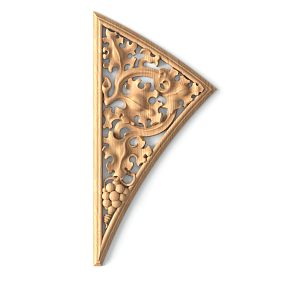
- Openwork (lacy): the pattern is cut through, creating a lace-like effect.
- Three-dimensional (sculptural): three-dimensional images are created, protruding above the surface.
Stone carving is the art of creating decorative elements from stone. The craftsman uses special tools (chisels, gouges, scrapers) to process the stone block, gradually giving it the desired shape and adding decorative details. This process requires high skill and understanding of stone properties.
Stuccoing is the technique of creating decorative elements from plaster or gypsum. The craftsman creates a model from clay or wax, then makes a mold (usually from gypsum or silicone), into which gypsum plaster is poured. After hardening, a ready-made element is obtained, which can be further processed and installed on the facade.
Forging is a traditional method of creating metal framing elements. The blacksmith heats the metal to a plastic state and shapes it using a hammer and anvil. This method allows creating unique, artistic pieces with the characteristic texture of hand-forged metal.
Modern Manufacturing Technologies
With the development of technology, new manufacturing methods have emerged window casingswhich allow creating quality elements with less time and labor.
CNC machining (Computer Numerical Control) – a modern technology that allows creating complex carved elements from wood or other materials with high precision. A computer program controls the movement of the milling cutter, which cuts the desired pattern. This method combines the speed and accuracy of machine processing with the ability to create complex, individual designs.
3D printing – an innovative technology that allows creating three-dimensional elements by layer-by-layer material buildup. For architectural details, strong polymers or composite materials are typically used. 3D printing opens new possibilities for creating complex, unique forms that are difficult or impossible to manufacture using traditional methods.
Casting – a technology in which liquid material (concrete, polyurethane, epoxy resin) is poured into a mold and hardens, taking on its shape. Modern molds can be manufactured with high precision, allowing the creation of detailed elements. Casting is especially effective for mass production of identical elements.
Extrusion – a process in which material (usually plastic or aluminum) is forced through a shaped opening, forming long elements of constant cross-section. This method allows creating profiles of various complexity, which can then be cut to required lengths and used for window framing.
Installation and mounting process
– an important stage that affects not only the appearance but also the durability of the structure: window casings – an important stage that ensures not only an aesthetic appearance but also the longevity of the structure.
Preparation work includes:
- Accurate measurement of the window opening and adjacent surfaces.
- Surface preparation of the wall: cleaning, leveling, priming.
- Marking locations for installing framing elements.
- Preparation of necessary tools and materials: fasteners, adhesive, sealant.
Mounting methods depend on the framing material and type of wall:
- Mechanical mounting – using nails, screws, anchors, and dowels. This method ensures secure fixation, but leaves visible mounting marks that must be concealed.
- Adhesive mounting – using special mounting adhesives or adhesive compounds. This method leaves no visible mounting marks, but requires careful surface preparation and may be less reliable under certain conditions.
- Combined mounting – a combination of mechanical and adhesive methods, ensuring maximum reliability.
Installation sequence is typically as follows:
- Installing the window sill (threshold) with a slight outward slope to drain water.
- Mounting side framing elements (mouldings, pilasters).
- Installing the top element (cornice, frieze).
- Mounting additional decorative elements (brackets, rosettes, etc.).
- Sealing joints between framing elements and walls using silicone or acrylic sealant.
- Final finishing: spackling mounting points, painting or other finishes as per the project.
Mounting features depending on material:
- Wooden elements require preliminary treatment with protective compounds and consideration of possible expansion/contraction due to humidity changes.
- Stone elements are heavy and require secure mounting, often using metal anchors.
- Polyurethane and other lightweight elements can be mounted using construction adhesive, but in some cases require additional mechanical fastening.
- Metallic elements must be protected against corrosion, especially at contact points with other metals or wet materials.
Stylistic solutions in window frames
Classical framing styles
Classical styles window casings are based on architectural traditions of past eras and are characterized by harmonious proportions, symmetry, and use of traditional decorative elements.
Renaissance – a style inspired by classical architecture, with its clear proportions and harmony. Windows in the Renaissance style often include:
- Rectangular or arched window shape.
- Pilasters or half-columns on either side of the window.
- Triangular or semi-circular pediment above the window.
- restrained decoration using classical motifs: meanders, acanthus leaves, ovals.
Baroque – a style characterized by opulence, dynamism, and theatricality. Window frames in the Baroque style are characterized by:
- Complex, curved shapes.
- Broken pediments and volutes.
- Abundant sculptural decoration: mascarons, garlands, cartouches.
- Contrast of convex and concave surfaces, creating play of light and shadow.
Neoclassicism – a style returning to the strictness and restraint of classical forms. Window frames in the Neoclassical style differ by:
- Strict geometric shapes.
- Clear proportions based on classical orders.
- Restrained decoration using classical motifs.
- Symmetry and balanced composition.
Massive, monumental forms.
- Massive, monumental forms.
- Use of military symbolism: eagles, laurel wreaths, trophies.
- Egyptian motifs: sphinxes, palmettes, lotuses.
- Abundance of gilded details and contrast of white and gold.
Ethnic and Regional Styles
Different cultures and regions created their unique traditions window casingsreflecting local aesthetic preferences, climatic conditions, and available materials.
The Russian style is characterized by richly decorated wooden casings with carved patterns. Main features:
- Use of solar symbols (sun, stars) and plant motifs.
- Openwork (lattice) carving, creating a lace-like effect.
- Vibrant coloring, often with contrasting colors.
- Regional variations: northern casings are more restrained and geometric, southern ones are more ornate and rich in plant ornamentation.
The Mediterranean style reflects the architectural traditions of Mediterranean countries: Italy, Greece, Spain. Key features:
- Arched window shapes, especially in Italian and Spanish variants.
- Use of natural stone or stucco with imitation of stone masonry.
- Vibrant colors: terracotta, ochre, azure, white.
- Wrought iron elements: grilles, balcony railings, brackets.
The Scandinavian style is characterized by simplicity, functionality, and use of natural materials. Features:
- Lack of ornamentation, simple forms without excessive decoration.
- Predominance of white color or light pastel shades.
- Use of wood with visible texture, often painted white or light tones.
- Functional elements: shutters, protecting against cold and wind.
The Eastern style includes traditions of various Asian cultures: Chinese, Japanese, Arab, etc. Key features:
- In Arab tradition: intricate latticework (mashrabiya), complex geometric ornamentation, horseshoe arches.
- In Chinese tradition: latticework with geometric patterns, often in the form of rhombuses or hexagons, bright colors (red, gold).
- In Japanese tradition: sliding panels (sōji) with wooden latticework and paper fillings, minimalism, natural materials.
Modern trends in window casing design
Modern approaches to window casings combine respect for traditions with innovative solutions and technologies.
Minimalism is a direction characterized by simple forms, absence of excessive decoration, and functionality. Window frames in a minimalist style are distinguished by:
- Clean, geometric lines.
- Absence or minimal use of decorative elements.
- Use of modern materials: metal, glass, composites.
- Monochromatic or neutral color palette.
Eco-style is a direction based on the use of natural materials and forms inspired by nature. Features:
- Use of untreated or minimally processed wood with visible texture.
- Natural, earthy tones: brown, green, beige.
- Organic, asymmetrical shapes mimicking natural objects.
- Integration of live plants into window frames (vertical greening, flower boxes).
Fusion is a style combining elements of various cultures and eras. Characteristic features:
- Bold, unusual combinations of traditional and modern elements.
- Vibrant, contrasting colors or unusual color combinations.
- Use of exotic materials or their imitations.
- Asymmetry, non-standard shapes, play with proportions.
High-tech is a style based on the use of modern technologies and materials. Window frames in a high-tech style are characterized by:
- Use of metal, glass, high-tech composites.
- Clear, geometric forms, often with sharp angles.
- Minimal decoration, emphasis on functionality.
- Integration of technological elements: LED lighting, automatic shading systems, solar panels.
Practical aspects of selecting and maintaining window frames
Selection of frames depending on the building's architecture
Correctly selected window framing must harmoniously complement the overall architecture of the building, emphasizing its style and character.
For historical buildings, it is important to maintain authenticity by choosing frames appropriate to the era and style of construction. This may require studying archival materials, consulting with architectural historians and restorers. In some cases, especially for architectural monuments, approval from cultural heritage protection authorities may be required.
For modern buildings, frame selection is more flexible, but must consider the overall architectural concept. Minimalist, functional buildings require corresponding simple frames, while buildings in neoclassical or eclectic styles may accommodate more decorative elements.
For standard buildings (apartment complexes, office centers), it is important to find a balance between individuality and conformity to the building's overall appearance. Often, a unified facade design concept, including window frames, is developed and must be followed by all property owners.
Factors to consider when selecting:
- Window proportions and sizes: large windows require appropriately scaled frames.
- Facade material and color: the frame should harmonize or create a deliberate contrast with the main wall material.
- Building architectural details: the frame should coordinate with other facade elements (cornices, pilasters, rustication).
- Surrounding development: in historic districts, it is important to consider the context and avoid creating a visual discord with adjacent buildings.
Care and maintenance of various types of framing
Proper care of window framing will help maintain its attractive appearance and extend its service life.
Wooden framing requires regular care:
- Cleaning from dust and dirt using a soft brush or cloth.
- Checking for damage, cracks, signs of rot or insect infestation.
- Updating protective coating (paint, varnish, oil) every 3-5 years or as needed.
- In case of damage – timely repair: sanding, filling cracks, replacing damaged elements.
Stone framing is relatively low-maintenance, but also requires attention:
- Regular cleaning from dust and dirt using a soft brush or low-pressure water.
- Checking for cracks, chips, signs of weathering.
- For porous stones (sandstone, limestone) – periodic treatment with hydrophobic agents to protect against moisture.
- In case of damage – repair using special stone restoration compounds.
Metallic framing requires protection against corrosion:
- Regular cleaning from dust and dirt using soft cloth.
- Checking for rust, especially at joints and welds.
- Updating protective coating (paint, varnish) upon signs of corrosion.
- For wrought elements – periodic treatment with special compounds to protect the metal.
Synthetic materials (polyurethane, PVC, composites) usually require minimal care:
- Regular cleaning from dust and dirt using a soft cloth with neutral cleaning agents.
- Checking for cracks, deformations, color changes.
- For some materials – periodic treatment with special compounds to protect against ultraviolet radiation.
Restoration and rehabilitation of historic framing
Restoration of historic window framing – a complex process requiring specialized knowledge, skills, and materials.
Preliminary research includes:
- Studying historical documents, photographs, and drawings to determine the original appearance of the framing.
- Analysis of materials and technologies used in creating the framing.
- Assessment of the condition of surviving elements, identification of damage and its causes.
- Development of a restoration plan taking into account the historical value of the object.
Restoration methods depend on the material and extent of damage:
- Conservation – measures to prevent further deterioration without altering the appearance.
- Restoration – restoration of damaged elements while preserving historical materials.
- Recreation – fabrication of new elements to replace lost ones based on historical data.
Features of restoration of various materials:
- Wood: removal of damaged sections, prosthetics (insertion of new fragments), treatment with antiseptics and protective compounds.
- Stone: cleaning from contaminants, strengthening structure with specialized compounds, replacement of losses using materials similar to the original.
- Metal: removal of corrosion, restoration of lost elements, protective treatment.
- Stucco: strengthening the base, restoration of lost fragments using molds taken from preserved elements.
Principles of scientific restoration:
- Minimal intervention: preserving the maximum amount of original material.
- Distinguishability: ability to distinguish original parts from restoration additions.
- Reversibility: ability to remove restoration materials without damaging the original.
- Documentation: detailed recording of all restoration stages and materials used.