Article Contents:
- Fundamental Principles of Stable Mounting
- Load Analysis and Selection of Optimal Strategy
- Classification of Foundation Types
- Mounting Technologies for Wooden Foundations
- Through bolted attachment
- Anchor Mounting into Solid Holes
- Combined mounting systems
- Specialized Solutions for Concrete Floors
- Mechanical Anchor Systems
- Chemical Anchor Systems
- Combined Technologies for Complex Cases
- Working with Composite and Special Coverings
- Mounting Characteristics for Cast-in-place Floors
- Technologies for Ceramic Coverings
- Tools and Equipment for Professional Installation
- Measuring Instruments and Marking Tools
- Drilling Equipment
- Fastening Tools
- Quality Control and Diagnostics of Connections
- Methods of Checking Mounting Reliability
- Long-Term Monitoring of Condition
- Typical Errors and Ways to Prevent Them
- Planning and marking errors
- Technological violations
- Mistakes in material selection
- Modern Innovations in Mounting Technologies
- Smart Fastening Systems
- New materials and coatings
- Economic Aspects of Technology Selection
- Analysis of costs of various solutions
- Cost Optimization Without Compromising Quality
- Conclusion
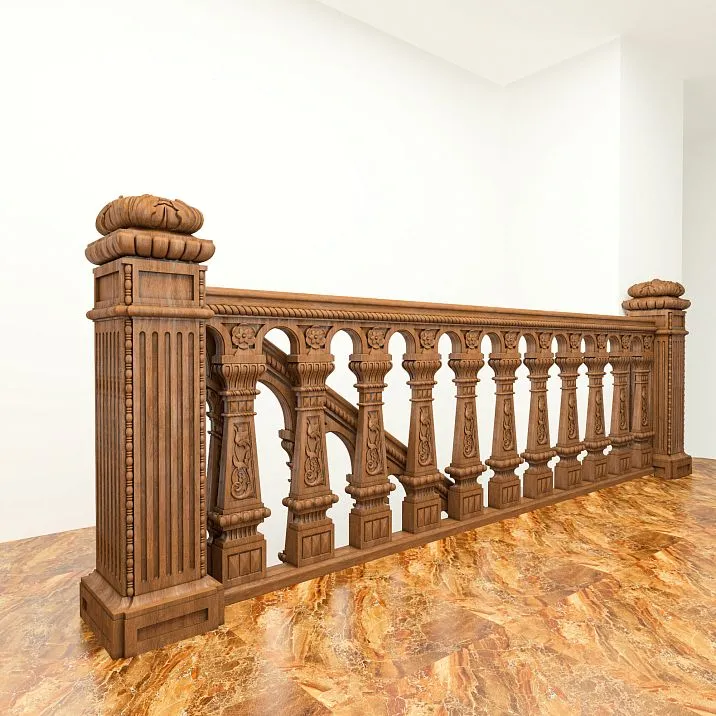
Every homeowner dreams of a staircase that will not only be a functional element but also an interior decoration. However, beauty without reliability is an illusion that can turn into a tragedy. That is why the question of how to mount balusters to the floor becomes the cornerstone of the entire staircase structure's safety. how to mount balusters to the floorbecomes the cornerstone of the entire staircase structure's safety.
Imagine this scenario: guests are ascending your staircase, leaning on the handrails, and they begin to wobble. Awkwardness, embarrassment, but most importantly — a real threat of serious injury. All of this is the consequence of improper installation of support elements. In this article, we will reveal the secrets of professional mounting, which will transform your staircase into a model of reliability and durability.


Fundamental Principles of Stable Mounting




Load Analysis and Selection of Optimal Strategy
Before beginning practical work, it is necessary to understand what forces will act on the support elements during operation. Each post experiences a complex of multi-directional loads: vertical from the structure's own weight, horizontal from people leaning on handrails, and dynamic from movement along the staircase.
The point of contact between the post and the floor covering is especially important. It is here that all stresses concentrate, and even the slightest error in calculations may lead to gradual connection failure. The contact area must be maximum, and the load distribution — uniform.
The material of the foundation significantly affects the choice of mounting technology. Wooden floors allow the use of a wide range of fastening elements, concrete requires special anchor systems, and composite coverings may require combined solutions.
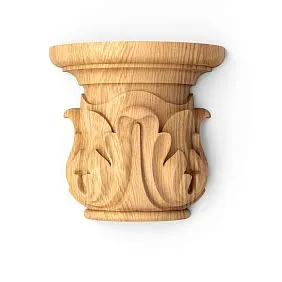
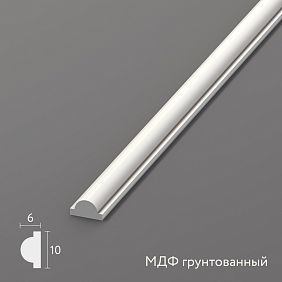
Our factory also produces:




Classification of Foundation Types
Solid wood floors made from thick boards of 25 mm or more provide an excellent base for mounting. Both through and blind connections can be used here. It is important to consider the direction of the wood grain and avoid installing fasteners in knot areas.
Parquet and laminate finishes create additional complexity due to their multi-layer structure. Mounting must pass through the decorative layer and be securely fixed to the base. It is crucial not to damage the surface of the finish.
Concrete floors require the use of special anchor systems. The strength of the concrete, its age, and the presence of reinforcement influence the choice of specific fasteners. Fresh concrete may require additional time to gain strength.
Get Consultation
Fastening technologies to wooden bases
Through bolted connection
The most reliable method of fixing support posts to a wooden floor is through bolts with a diameter of 8-10 mm. This method ensures maximum connection strength and allows for adjustment during operation.
The installation technology includes precise marking of the installation location, drilling the hole strictly perpendicular to the floor surface, installing the bolt with a wide washer from below, and tightening the nut from above. It is critically important to ensure tight contact between the support plate of the post and the floor surface.
Access to the underside of the floor is not always possible, which limits the application of this method. In such cases, alternative technologies are used that provide sufficient reliability when through fastening is not possible.
Anchor fastening into blind holes
When access from below is limited, the technology of anchor fastening into pre-drilled holes is applied. The hole depth must be at least 60 mm to ensure reliable anchoring.
Threaded anchors into wood create a strong connection by wedging into the hole. It is important to precisely select the drill bit diameter — it should be 1-2 mm smaller than the anchor diameter to ensure a tight fit.
Chemical anchors represent a modern alternative to mechanical fasteners. A special epoxy-based compound creates a monolithic connection with wood, ensuring even load distribution across the entire contact surface.
Combined fastening systems
Professional installers often use combined systems that combine mechanical fastening with adhesive connections. This approach ensures maximum reliability and compensates for potential shortcomings of each method individually.
Primary fixation is performed using mechanical fasteners, and then the connection is strengthened with a special adhesive. Polyurethane adhesives have high strength and elasticity, which is especially important for wooden structures subject to thermal deformation.
The time for complete polymerization of the adhesive connection is 24-48 hours, during which the structure must remain immobile. Using temporary supports and fixators helps maintain the correct position of elements until the adhesive fully cures.
Specialized solutions for concrete floors
Mechanical anchor systems
Concrete floors require the use of special anchor systems designed for high loads. Spread anchors create a reliable connection by wedging into the drilled hole. The anchor diameter must correspond to the expected loads.
Wedge anchors provide even higher load-bearing capacity due to the special design of the wedging element. They are especially effective in dense, high-strength concrete.
Driven anchors are distinguished by their ease of installation, but require precise adherence to installation technology. The driving depth must strictly comply with the manufacturer's technical requirements to ensure calculated load-bearing capacity.
Chemical anchor systems
Chemical anchors represent the most modern solution for fastening to concrete bases. Two-component compositions provide connection strength often exceeding the strength of the concrete itself.
The installation process includes drilling a hole, cleaning it of dust, introducing the chemical compound, and installing the threaded rod. The polymerization time depends on ambient temperature and ranges from 30 minutes to several hours.
Advantages of chemical anchors include the absence of spreading stresses in the concrete, the possibility of installation near edges, and high corrosion resistance. However, their cost is significantly higher than mechanical alternatives.
Combined technologies for complex cases
In some situations, combined technologies combining different types of fasteners are required. For example, when mounting heavy support posts, several anchors of different types may be used.
Distributing plates help evenly distribute load over a larger area of the concrete base. This is especially important when working with low-strength concrete or under significant dynamic loads.
Vibration-isolating pads between the post and the base reduce vibration and noise transmission. They are especially relevant in multi-story buildings where minimizing structural noise is crucial.
Working with composite and special finishes
Features of fastening to poured floors
Modern poured floors based on polymer resins require a special approach to securing support elements. The coating thickness is usually 3-5 millimeters, which is insufficient for reliable fastener fixation.
Securing balusters to the floor With a poured coating, fastener penetration into the base is required. It is necessary in advance to determine the type and thickness of the base under the poured layer.
Diamond-coated special drills provide clean drilling without chipping the polymer coating. It is important to use cooling to prevent overheating and melting of the material.
Technologies for ceramic coatings
Ceramic tiles and ceramic granite create additional difficulties when securing support posts. The hardness of the material requires the use of special drills, while brittleness demands extra care during work.
Diamond drill bits provide precise drilling without chipping or cracking. Drilling speed should be low, and coolant flow should be continuous. Incorrect technology may lead to tile cracking.
Hydro-isolation mastics at drilling sites prevent moisture penetration under the coating. This is especially important in high-humidity rooms, where hydro-isolation failure may lead to serious problems.
Tools and equipment for professional installation
Measuring instruments and marking tools
Marking accuracy determines the quality of the entire structure. Laser levels allow creating perfectly level lines over any distance with an error of no more than 1 millimeter per 10 meters. This is critically important for ensuring post verticality.
Metal rulers and squares ensure accurate linear measurements. Quality tools have clear graduations and do not deform during use. Measurement errors should not exceed 0.5 millimeters.
Center finders help accurately determine the center of round posts for correct fastener positioning. Misalignment of fasteners from the center may lead to uneven load distribution and premature connection failure.
Drilling Equipment
Impact drills with drilling without impact function are suitable for working with various materials. Speed adjustment allows optimizing drilling mode for specific base material.
Diamond drills and bits provide clean drilling of hard materials without chipping or cracking. Their cost is higher than standard ones, but the quality of the result justifies the expense.
Dust extraction systems maintain workplace cleanliness and protect respiratory organs from harmful dust. This is especially important when drilling concrete and ceramic materials.
Fastening tools
Torque wrenches provide accurate tightening of threaded connections. Correct tightening torque is critically important for fastener reliability — insufficient tightening leads to loosening, excessive tightening causes thread damage.
Pneumatic and electric impact drivers speed up installation while maintaining quality. Torque adjustment prevents damage to fasteners and base material.
Specialized wrenches for anchors ensure correct installation of various fastener types. Each anchor type may require a specific tool for optimal installation.
Quality control and diagnostics of connections
Methods of checking fastener reliability
Visual inspection allows identifying obvious defects: cracks in the base material, improper fit of the support plate, deformation of fastening elements. All identified defects must be corrected before commissioning the structure.
Mechanical tests include applying controlled loads to each post. Standard methodology involves applying a horizontal load of 100 kilograms to the top of the post. Deflection must not exceed 5 millimeters.
Acoustic diagnostics help identify hidden defects in connections. Characteristic sounds when tapping may indicate voids in adhesive joints or loosening of fasteners.
Long-term Monitoring of Condition
Regular inspections during operation allow identifying problems early. Special attention should be paid to fastening locations in the first months after installation, when all connections are stabilizing.
Seasonal changes in humidity and temperature may affect fastener condition, especially in wooden structures. Preventive retightening of threaded connections helps maintain system reliability.
Documenting all changes and repairs creates a database for planning future maintenance. This is especially important for commercial facilities with intensive use of staircases.
Typical errors and ways to prevent them
Planning and marking errors
Inaccurate marking of installation locations leads to disruption of the entire structure's geometry. Accumulation of small errors may result in significant deviations at the end of the staircase. Using quality measuring tools and careful size verification at each stage helps avoid these problems.
Insufficient consideration of floor covering thickness may lead to incorrect fastener length calculation. This is especially relevant when working with multi-layer floor constructions, where total covering thickness may reach several centimeters.
Ignoring the location of utilities under the floor may lead to their damage during drilling. Preliminary survey using hidden wiring and pipe detectors helps avoid costly failures.
Technological violations
Incorrect drill bit diameter selection is one of the most common mistakes. An oversized hole does not provide tight fastener seating, while an undersized hole may cause base material cracking.
Insufficient drilling depth reduces the load-bearing capacity of the connection. The depth must comply with technical requirements for the specific type of fastener and base material.
Neglecting to clean holes of dust and debris deteriorates the connection quality. This is especially critical when using chemical anchors, where contaminants can completely disrupt the polymerization process.
Errors in Material Selection
Using an inappropriate type of fastener for a specific base material may lead to premature failure of the connection. Each material requires specialized fasteners designed for its specific properties.
Saving on fastener quality often leads to serious problems during operation. Cheap fasteners may have insufficient strength or be prone to corrosion, reducing the overall reliability of the structure.
Incorrect selection of adhesive compositions may result in their failure under exposure to moisture, temperature, or chemicals. Each type of adhesive has its specific application and operational condition limitations.
Modern innovations in fastening technologies
Smart fastening systems
Advancements in technology have led to the development of smart fastening systems with built-in load sensors. These systems allow real-time monitoring of connection status and alert users to exceeding allowable loads.
Wireless sensors transmit information to a central control panel, where specialized software analyzes the data and provides maintenance recommendations. This is especially relevant for large commercial facilities.
Self-diagnosing connections can automatically assess their condition and predict remaining service life. Machine learning algorithms analyze accumulated data and identify degradation patterns of materials.
New materials and coatings
Composite fasteners combine high strength with corrosion resistance. Carbon fiber anchors are not susceptible to corrosion and have a linear expansion coefficient close to that of concrete.
Biocompatible coatings on fasteners ensure their safety for human health. This is especially important in medical facilities and kindergartens, where material ecological requirements are most stringent.
Self-lubricating coatings reduce friction during installation and prevent seizing of threaded connections. Solid lubricants based on molybdenum disulfide provide long-term protection against corrosion and wear.
Economic aspects of technology selection
Analysis of the cost of various solutions
Initial costs for high-quality fastening systems may seem high, but a total cost of ownership analysis shows their economic efficiency. Reliable connections do not require frequent maintenance or replacement.
Repair costs for low-quality fasteners often exceed the price difference of high-quality alternatives. Moreover, failure scenarios may result in injuries and associated legal issues.
The impact on property value should also be considered when selecting fastening technologies. High-quality stair constructions increase the attractiveness of a property to buyers and tenants.
Cost optimization without compromising quality
Standardizing fasteners within a single project allows bulk purchase discounts. Using standardized solutions also simplifies maintenance and repair.
Planning work with seasonal factors can ensure significant cost savings. Many suppliers offer discounts during periods of low demand for construction materials.
Training staff in proper installation techniques reduces the number of defects and rework. Investments in master training quickly pay off through improved work quality.
Conclusion
Professional Securing balusters to the floor Requires deep understanding of material properties, precise adherence to technologies, and use of quality tools. Each stage of work is critically important for ensuring the reliability and longevity of the entire structure.
Modern technologies and materials open new possibilities for creating reliable and aesthetically pleasing stair railings. Smart monitoring systems, innovative fasteners, and advanced quality control methods ensure the highest level of safety.
Investments in quality materials and professional installation pay off in user safety, structure longevity, and aesthetic appeal. Properly installed fasteners serve for decades without requiring major repairs or replacement.
Choosing a reliable partner for installation work is critical to project success. STAVROS has years of experience and deep expertise in stair structure fastening. Our specialists know all the intricacies of working with various base types and guarantee flawless installation. Modern equipment, quality materials, and strict adherence to technologies ensure the reliability of every connection. Choosing STAVROS means investing in the safety and longevity of your staircase.