Article Contents:
- 1. Mood Board: Key to Understanding Interior Concept
- 1.1 What is a Mood Board in Interior Design?
- 1.2 Why is a mood board so important?
- 2. How to Create a Mood Board for Interior Design: Step-by-Step Guide
- 2.1 Defining the concept and goals
- 2.2 Collecting Visual Materials
- 2.3 Sorting and Organizing Elements
- 2.4 Arranging the Mood Board
- 3. Examples of Using a Mood Board in Interior Design
- 3.1 Residential Space Interior
- 3.2 Commercial Space Interior
- 4. Impact of a Mood Board on the Designer’s Work Process
- 4.1 Synchronizing Ideas with Clients
- 4.2 Optimizing the Creative Process
- 4.3 Developing Professional Vision
- 5. Tips for Creating the Perfect Mood Board
- 6. Conclusion: Mood Board – Your Key to Successful Interior Design
In the world of interior design, where every detail matters, and the atmosphere of a space is shaped not only by colors and furniture but also by mood, a mood board becomes an indispensable tool for bringing the boldest ideas to life. It helps gather scattered elements, turn abstract thoughts into concrete images, and create a visual plan that will serve as the foundation for further work on the interior. Today, we will thoroughly examine what a mood board is in interior design, how to create one, and why it plays such an important role in shaping a space capable of inspiring and delighting.


1. Mood Board: Key to Understanding Interior Concept




1.1 What is a Mood Board in Interior Design?
Mood board (from English 'mood board') is a visual collage combining images, textures, color palettes, material photographs, decorative elements, and even typography. In the context of interior design, a mood board helps fix the overall concept of the space even before real work begins. It is like a rough sketch, but executed as a living, breathing composition capable of conveying the atmosphere of the future interior.
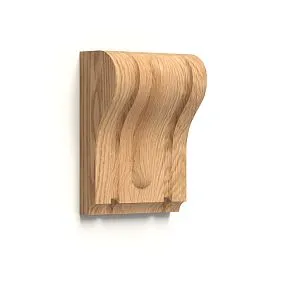
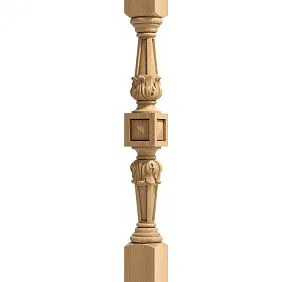
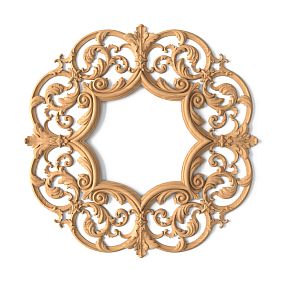
Our factory also produces:





1.2 Why is a mood board so important?
● Visualization of ideas. A mood board allows you to see the final result before starting work, understand how different interior elements will combine, and ensure that the concept is clear to all project participants.
● Communication with the client and team. When the client sees the completed mood board, it becomes easier for them to approve the overall style, understand which materials and colors will be used, and for the designer to gather feedback and make adjustments.
● Time and resource savings. A well-structured mood board helps avoid rework during implementation, as all decisions are visually tested.
Get Consultation
2. How to Create a Mood Board for Interior Design: Step-by-Step Guide
2.1 Defining the concept and goals
Before diving into collecting materials, it is important to clearly understand what mood and atmosphere your interior should convey. Ask yourself several key questions:
● What image or style do you want to create? (minimalism, classic, loft, Scandinavian style, etc.)
● What emotion should the interior evoke: calmness, inspiration, dynamism, or coziness?
● Who will use this space and what needs must be considered?
Clearly formulated concept will serve as your guide when selecting elements for the mood board.
2.2 Collecting Visual Materials
Now begins the real creative process. Here, it's important not to limit yourself to a single source:
● Online resources. Pinterest, Behance, Instagram, specialized design websites — here you can find countless ideas.
● Printed publications. Magazines, catalogs, books on interior design often contain high-quality images that can inspire new solutions.
● Personal observations. Walks through the city, visits to museums, travels — anything that evokes emotions and associations in you can become part of your mood board.
Collect images, textures, color swatches, and also add small notes describing your feelings and thoughts triggered by each element.
2.3 Sorting and Structuring Elements
After you have accumulated a decent amount of materials, it's important to systematize them:
● Color palette. Identify base, accent, and complementary colors. This will help you see the overall color scheme of the interior.
● Materials and textures. Break all elements into categories: natural wood, metal, stone, fabrics, glass, etc.
● Stylistic accents. Determine which elements set the tone for your project, and which can become additional details.
This stage helps avoid chaos and creates a logical structure that will serve as the foundation for the final composition.
2.4 Arranging the Mood Board
It's time to bring all parts together. You can choose a digital format using programs like Canva, Milanote, or Adobe Spark, or create a physical mood board using magazine cutouts, fabric samples, and other materials.
● Element placement. Play with scale, color, and textures, creating focal points and leaving space for the composition to 'breathe'.
● Focal points. Identify key elements that should stand out and set the overall tone.
● Balance and harmony. It's important that every detail fits organically into the overall concept and doesn't overload the composition.
The dynamic nature of the process — this is what makes the mood board a living and flexible tool. Don't be afraid to make changes and experiment.
3. Examples of Using a Mood Board in Interior Design
3.1 Residential Space Interior
Imagine a cozy living room where soft pastel tones, natural wood, and minimalist forms dominate. A mood board for such an interior may include:
● Photographs of modern sofas and chairs with minimalist design.
● Texture samples: soft fabrics, natural wood, stone surfaces.
● Color palette: neutral tones with accents of deep blue or green.
Such a mood board allows you to immediately see how the atmosphere of coziness and calmness is created, where every detail plays its part.
3.2 Commercial Space Interior
For an office interior, where functionality and style are important, the mood board may include:
● Images of modern workspaces with ergonomic furniture.
● Photographs of lighting that creates a productive atmosphere.
● Colors: combination of neutral tones with bright accents for dynamism and creativity.
The mood board not only helps determine the style but also configures the workspace to promote high productivity.
4. Impact of the mood board on the designer's workflow
4.1 Synchronizing ideas with clients
When the client sees the completed mood board, it becomes easier for them to understand the designer's concept. This is an effective way to demonstrate how abstract ideas transform into concrete visual solutions. Discussing the mood board allows immediate adjustments and approval of the overall interior style.
4.2 Optimizing the creative process
The mood board becomes a starting point that can be relied upon at every stage of project development. This not only saves time but also helps avoid unnecessary revisions. Each element selected for the mood board subsequently serves as a reference when choosing materials, furniture, and accessories.
4.3 Developing professional vision
Creating a mood board is continuous skill refinement for the designer. By analyzing and combining various visual elements, you learn to perceive new dimensions of familiar solutions and develop your own unique vision of interior design.
5. Tips for creating the perfect mood board
● Start with an idea. Clearly define what you want to convey to the client and the atmosphere you aim to create.
● Collect materials from all corners of the world. Don't be afraid to experiment with elements that may initially seem incompatible.
● Regularly update your mood board. Design trends change, and your mood board should reflect current trends.
● Discuss ideas with your team. Collective opinion helps uncover new possibilities and avoid blind spots in the project.
6. Conclusion: The mood board is your key to successful interior design
Mood board interior design is not just a collection of beautiful images, but a powerful tool that allows you to turn dreams into reality. It helps structure the creative process, streamline communication with clients, and make the project more harmonious and cohesive. Every mood board reflects the designer's inner world, their vision, and their aspiration to create a space where every detail matters.
When you look at a completed mood board, you see not just a collage, but a complete story told through colors, textures, and imagery. This is the story of your project, its soul and inspiration, which will become the foundation for creating a unique interior.
If you aim to bring your ideas to life at the highest level, remember that behind every great project stand professionals capable of turning concepts into reality. STAVROS is a reliable partner who knows how to bring even the boldest interior design ideas to life.
STAVROS provides comprehensive solutions for interior design, branding, and implementation of projects of any complexity. Their experience, innovative approach, and attention to detail enable the creation of spaces where every detail matters. If you want your project to shine with new colors and become a true work of art, trust the professionals at STAVROS.
Create, experiment, be inspired! Let your mood board become the key to discovering new horizons in interior design, and every detail a step toward realizing your dream of a beautiful space.