Article Contents:
- The Evolution of Molding: From Palaces to Modern Apartments
- Modern Trends in Using Moldings
- Technological Secrets of MDF Molding Production
- Quality Characteristics of MDF as a Base for Molding
- Variety of Profiles: From Classic to Avant-Garde
- Modern Molding Size Range
- The Art of Painting: Color as a Design Tool
- Modern Coating Systems
- Installation Technologies: Guarantee of Longevity
- Professional secrets of installation
- Stylistic Solutions Using MDF Molding
- Regional Design Features
- Innovative Applications of MDF Molding
- Integration with modern technologies
- Ecological Aspects and Safety
- Health and Comfort of Living Spaces
- Economic Efficiency and Long-Term Perspective
- Comparative analysis of materials
- Trends and innovations
- Materials of the Future
- Practical Recommendations for Selection and Use
- Common Mistakes and How to Avoid Them
- Care and Maintenance of MDF Molding
- Repair and Restoration
- Frequently Asked Questions
- Conclusion

Imagine an interior where every detail tells its own story, where walls cease to be mere walls and become canvases for architectural creativity. MDF ceiling moldings for painting This is precisely the tool capable of transforming an ordinary space into an artwork filled with character and individuality.
In the world of modern design, where every nuance matters, MDF moldings occupy a special place. These are not merely decorative elements — they offer the opportunity to create a unique atmosphere, highlight status, and demonstrate impeccable taste. The ability to paint them in any color makes them a universal solution for the boldest design experiments.


The Evolution of Molding: From Palaces to Modern Apartments
The history of moldings spans millennia. From ancient temples to opulent Baroque palaces — these architectural elements have always symbolized refinement and craftsmanship. Today, technology has made this beauty accessible to anyone striving for perfection in interior design.
MDF moldings have become a revolution in decorative finishing. They combine the best qualities of natural wood with the advantages of modern materials. Dimensional stability, absence of natural defects, and an ideal surface for painting — all of this makes MDF the perfect material for contemporary moldings.
The psychology of molding perception is based on deep mechanisms of the human brain. Clear lines and rhythmic repetition create a sense of order and harmony. Three-dimensional elements add depth and richness of texture to space, transforming a flat wall into a three-dimensional composition.




Modern Trends in Molding Usage
Minimalism redefines the role of moldings, using them not as decorative excesses but as functional elements that emphasize the architectural logic of space. Simple geometric forms create a clear interior structure.
Neoclassicism adapts traditional forms to modern realities. Moldings for painting allow recreating the atmosphere of palace halls even in a standard apartment, painting them according to the overall color concept.
Eclecticism mixes different styles, creating unique compositions. MDF moldings, thanks to their versatility, easily fit into any stylistic solution, from loft to Provence.
Our factory also produces:


Technological Secrets of MDF Molding Production
Creating high-quality MDF molding is a high-tech process requiring the precision of Swiss watches. It all begins with raw material preparation: wood fibers are ground to a fraction of 0.5–3 mm, ensuring uniformity of the future material.
The hot pressing process at 180–220°C and 35–40 MPa pressure creates an MDF panel with unique characteristics. Density reaches 750–850 kg/m³, ensuring an ideal balance between strength and workability.
Profile milling is performed on high-precision CNC machines. Diamond cutters create a perfectly clean surface without chips or scratches. Tolerances are ±0.2 mm, ensuring precise element alignment during installation.
Get Consultation
Quality Characteristics of MDF as a Base for Molding
The moisture absorption coefficient of quality MDF does not exceed 8% within 24 hours, which is significantly lower than that of natural wood. This ensures dimensional stability even under varying humidity conditions.
Bending strength reaches 25 MPa, exceeding the values of many types of natural wood. The modulus of elasticity of 2500 MPa guarantees that moldings retain their shape under load.
Temperature stability allows the use of MDF moldings in a wide range of operating conditions—from +5°C to +60°C—without loss of physical and mechanical properties.
Variety of profiles: from classic to avant-garde
Classic profiles remain timeless and unaffected by trends. Simple rectangular cross-sections, precise geometric shapes, and balanced proportions—all of these create the foundation for elegant interiors. Paintable wall molding The classic profile is versatile and suitable for any stylistic solution.
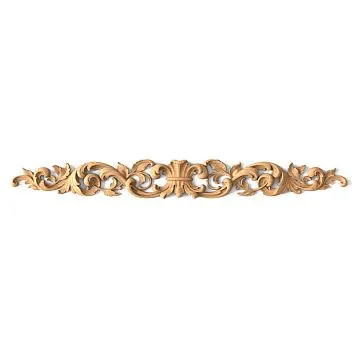
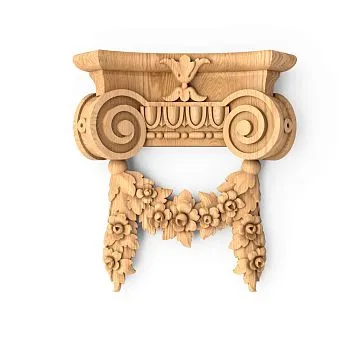
Decorative moldings open up boundless creative possibilities. Complex curved shapes, decorative grooves, protrusions, and recesses create a rich interplay of light and shadow. Such profiles can transform an ordinary wall into a piece of architectural art.
Combined profiles combine simplicity and elegance. The base can be executed in a minimalist style, while decorative elements add necessary accents. This is an ideal solution for those who value the balance between functionality and beauty.
Size range of modern moldings
Miniature moldings 15-30 mm wide create delicate accents that do not overwhelm the interior. They are ideal for small rooms or creating fine decorative lines.
Standard moldings 40-80 mm form the basis of most design projects. These dimensions provide sufficient expressiveness while maintaining proportionality to room size.
Wide moldings over 100 mm create monumental compositions suitable for spacious rooms with high ceilings. paintable wall moldings Such sizes can dramatically alter the perception of space.
The Art of Painting: Color as a Design Tool
Preparing MDF moldings for painting requires special attention to detail. The surface must be absolutely clean, dry, and smooth. Light sanding with fine-grit sandpaper P240-P320 creates optimal roughness for paint adhesion.
Priming is a critically important stage that determines the quality of the final finish. Acrylic primer for MDF penetrates the material's pores, creating a strong base for paint. Drying time is 4-6 hours under normal conditions.
The painting technique affects the final result no less than the quality of the paint itself. Brushes with natural bristles ensure deep penetration of paint into the surface's micropores. Decorative MDF moldings for painting Require special attention to processing decorative profile elements.
Modern coating systems
Water-based paints provide eco-friendliness and ease of application. The absence of solvents eliminates unpleasant odors, and drying time is only 2-4 hours. Matte finishes conceal minor surface defects and create a noble appearance.
Acrylic enamels form a stronger and more durable coating. Glossy variants offer easy maintenance and highlight the clarity of molding profiles. Semi-gloss enamels combine the practicality of gloss with the elegance of matte finishes.
Special decorative paints open new horizons for creativity. Metallic effects transform an ordinary molding into a luxury element. Pearl finishes create a shimmering surface that changes hue depending on lighting.
Installation Technologies: Guarantee of Longevity
Preparing walls for molding installation begins with a thorough analysis of the surface condition. Irregularities exceeding 2 mm must be eliminated with plaster or spackle. Loose bases are strengthened with deep-penetration primer.
Marking is the foundation of quality installation. A laser level ensures perfect line accuracy. Special attention is paid to room corners, where even minor deviations become noticeable after completion of work.
Mounting methods are chosen depending on the size and weight of the moldings. Adhesive bonding is suitable for lightweight profiles on flat surfaces. Mechanical fastening with self-tapping screws is used for heavy elements or uneven walls.
Professional installation secrets
Corner joints require maximum precision. Beveling at a 45° angle is performed using a circular saw with a fine-toothed blade. Clean cut quality is critically important for the quality of element joints.
Compensatory gaps account for material thermal deformation. For moldings longer than 2 meters, a 1-2 mm gap is recommended, which is then filled with flexible sealant.
Furniture MDF moldings for painting Require special care during mounting. Mounting points should be hidden or placed in areas that do not affect the product's aesthetics.
Stylistic solutions using MDF moldings
Classic style requires strict adherence to proportions and canonical forms. Moldings should emphasize the architectural logic of the room, creating an element hierarchy. The color palette is usually limited to traditional shades - white, cream, gold.
Modern style uses moldings to create smooth, organic forms. Curved profiles imitate natural motifs - waves, plant forms, abstract patterns. Color solutions can be neutral or bright, contrasting.
High-tech redefines the role of moldings, transforming them into functional interior elements. Built-in lighting, integration with "smart home" systems, non-standard surface materials - all this characterizes the modern approach to using moldings.
Regional design characteristics
Scandinavian style prefers simple, minimalist molding forms, painted in light, natural tones. White dominates, creating a sense of purity and spaciousness. Paintable MDF ceiling molding Almost invisible in Scandinavian interiors, yet it creates a clear spatial structure.
Mediterranean style allows for more decorative elements. Textured surfaces imitating stone or plaster, warm ochre, terracotta, lapis lazuli tones create a southern coast atmosphere.
Eastern motifs use moldings to create complex geometric ornaments. Contrasting color combinations, gilding, imitation of precious materials highlight the luxury and sophistication of eastern interiors.
Innovative applications of MDF moldings
Zoning space using moldings is becoming increasingly popular in modern interiors. Vertical elements can visually divide functional zones without creating physical barriers. This is especially relevant for studio apartments and open space layouts.
Concealing utilities - a practical function of modern moldings. Elegant profiles can hide electrical wiring, low-voltage cables, heating pipes. MDF baseboards for painting Often perform exactly this function, combining aesthetics and practicality.
Acoustic correction of rooms is achieved using special molding profiles with perforation or using sound-absorbing materials behind decorative elements. This is especially important for home theaters, music studios, and conference rooms.
Integration with modern technologies
LED lighting is integrated into special molding profiles, creating effects of hidden illumination. RGB strips allow changing the color and intensity of lighting, adapting the room's atmosphere to different situations.
Climate control systems are integrated into molding structures. Unobtrusive temperature and humidity sensors embedded in decorative elements ensure precise control of the room's microclimate.
"Smart" coatings with changing properties open up new possibilities. Thermochromic paints change color depending on temperature, photochromic paints - depending on lighting. This transforms static decorative elements into dynamic, living surfaces.
Ecological aspects and safety
Modern MDF production strictly controls formaldehyde emissions. Class E1 guarantees that harmful substance emissions do not exceed 0.1 mg/m³, which corresponds to standards for children's facilities. This makes MDF moldings safe for use in any residential space.
Recycling and disposal of MDF do not present ecological problems. The material can be recycled into new products or used for producing fuel briquettes. The absence of toxic components eliminates environmental pollution.
FSC forest certification confirms that the wood raw material is sourced from sustainably managed forests. This is important for consumers concerned about preserving natural resources for future generations.
Health and comfort of the living environment
The hypoallergenicity of MDF moldings is confirmed by clinical studies. The absence of allergenic substances in the material composition makes it safe for people with heightened sensitivity.
The anti-static properties of the surface prevent dust accumulation, which is especially important for people suffering from asthma or allergic conditions. The smooth structure facilitates cleaning and maintaining hygiene.
The absence of volatile organic compound (VOC) emissions ensures a healthy microclimate in the room. This is especially important for bedrooms and children's rooms, where air quality critically affects health.
Economic efficiency and long-term perspective
Initial investments in quality paintable MDF moldings are recouped due to their durability and versatility. The average service life is 20-25 years with proper use, significantly exceeding the performance of alternative materials.
The ability to repaint multiple times turns moldings into a long-term investment. Changing the color scheme costs orders of magnitude less than replacing decorative elements. This is especially relevant for commercial spaces with high design change intensity.
Energy efficiency is achieved through additional wall insulation. The air gap between the molding and the base reduces heat loss, leading to savings on heating.
Material comparison analysis
Compared to plaster moldings, savings amount to 40-60% with comparable aesthetic qualities. MDF moldings are easier to install, require no special skills, and do not create dust or dirt during installation.
Wooden moldings cost 2-3 times more, require regular maintenance and renewal of protective coatings. MDF lacks these drawbacks, providing stable aesthetics throughout its service life.
Polyurethane moldings Exceed MDF in moisture resistance, but lag behind in decorative possibilities and repairability. The cost of polyurethane products is also significantly higher.
Trends in development and innovation
Digital design revolutionizes the process of creating unique molding profiles. CAD/CAM systems allow for the creation of complex geometric shapes that are inaccessible with traditional machining methods.
Additive technologies (3D printing) are beginning to be used for creating prototypes and small batches of unique moldings. This opens up possibilities for full customization of decorative elements.
Artificial intelligence is used to optimize molding profiles for specific operating conditions. Algorithms take into account acoustic, lighting, and ergonomic requirements, creating perfectly balanced solutions.
Materials of the future
Composite MDF with added carbon fibers provides increased strength while reducing weight. This is especially important for large decorative elements.
Bio-based binders made from plant polymers completely eliminate formaldehyde emissions, making MDF an entirely eco-friendly material.
Smart materials with shape memory allow for the creation of adaptive moldings capable of changing geometry depending on external conditions or user commands.
Practical recommendations for selection and use
When selecting MDF moldings for painting, several key factors must be considered. Room dimensions determine the scale of decorative elements. In compact spaces, more delicate profiles are preferred, while spacious areas can accommodate large-scale compositions.
Interior style dictates the choice of profile and color scheme. Classic interiors require traditional forms, while modern interiors allow experimentation with geometry and color.
Functional requirements influence the choice of profile and mounting method. Moisture-resistant coatings are necessary for humid areas, while children's rooms require safe, eco-friendly materials.
Typical errors and ways to avoid them
Incorrect calculation of material quantity leads to unnecessary expenses or shortage of moldings. Precise measurements, accounting for trimming, guarantee optimal purchasing.
Neglecting surface preparation worsens installation quality and structural longevity. Thorough base preparation is the key to a professional result.
Choosing inappropriate paint may result in coating peeling or color change. Compatibility of coatings with MDF must be confirmed by technical documentation.
Care and Maintenance of MDF Moldings
Regular care of MDF moldings involves simple procedures. Dry cleaning with a soft brush or vacuum cleaner with a soft attachment removes dust from profile grooves. Frequency: weekly or as needed based on dirt accumulation.
Wet cleaning is performed using neutral cleaning agents. Microfiber is ideal for cleaning smooth surfaces, leaving no streaks or scratches.
Preventive inspections allow early detection of minor defects. Timely removal of small damages prevents serious problems from developing.
Repair and restoration
Local coating damage is repaired with spot touch-ups. A small bottle of paint in the same shade quickly fixes minor defects.
Replacement of individual elements is possible without dismantling the entire system. Modular construction of most molding systems simplifies repair work.
Coating renewal is performed by repainting. Light sanding of the old surface improves adhesion of the new paint.
Frequently asked questions
Can MDF moldings be used in a bathroom?
With proper painting using moisture-resistant paints and adequate ventilation, usage is possible. Critical is sealing of ends and joints to prevent moisture penetration into the material structure.
How to calculate the required amount of moldings?
Measure the total length of all installation sections, add 10-15% for trimming and potential errors. Consider standard profile lengths when planning joints to minimize waste.
Which paints are best suited for MDF moldings?
Water-based acrylic paints offer optimal balance of quality, eco-friendliness, and ease of application. For spaces with high durability requirements, polyurethane enamels are recommended.
Can moldings be installed by oneself?
Yes, with basic skills in using tools. Critical are accurate marking, quality corner trimming, and proper choice of fasteners. Complex curved compositions are better left to professionals.
How often should molding coatings be renewed?
With proper painting, the coating retains its appearance for 7-10 years in residential spaces. In commercial spaces with high usage intensity, renewal may be required every 5-7 years.
Do moldings affect ceiling height?
Visually, moldings can either increase or decrease perceived ceiling height depending on their placement and color scheme. Horizontal elements placed at 2/3 wall height visually raise the ceiling.
Conclusion
MDF molding for painting represents a universal tool of modern design, capable of radically transforming any space. The combination of material technology with limitless color options makes these elements indispensable for creating unique, memorable interiors.
The durability and stability of MDF ensure long-term use without loss of aesthetic qualities. The ability to repaint multiple times guarantees the design remains current even with significant changes in stylistic preferences.
The ecological safety of modern MDF moldings is confirmed by appropriate certifications, making them suitable for use in any type of room, including children's rooms and medical facilities.
The ease of installation and availability of necessary tools allow implementing projects of various complexities, both for professional teams and DIY enthusiasts. A wide range of profiles and sizes ensures the optimal solution for each specific case.
The innovative development of production technologies and the emergence of new coating types continuously expand the application possibilities of MDF moldings. Integration with "smart home" systems, use of eco-friendly materials, and the development of personalized production—all this makes the future of moldings especially promising.
STAVROS, recognized as a leading company in the production of decorative interior elements, offers the widest range of high-quality paintable MDF moldings. Decades of industry experience, use of advanced production technologies, and strict quality control at every stage of production guarantee that STAVROS products meet the highest international standards.
STAVROS' professional team provides full project support—from consultation during the selection of optimal solutions to post-sales technical support. Individual approach to each client, willingness to fulfill non-standard orders, and flexible discount system make cooperation with STAVROS maximally beneficial and comfortable.
Choosing paintable MDF moldings from STAVROS means investing in quality, reliability, and limitless creative expression opportunities. Bring your boldest design ideas to life with products that will become the foundation of a unique, unforgettable interior for years to come.