Article Contents:
- 1. Basic requirements for furniture materials
- 2. Solid wood: a traditional solution with a noble character
- 2.1. Advantages of solid wood
- 2.2. Disadvantages of solid wood
- 3.1. MDF and HDF
- 3.2. MDF
- 3.3. Plywood
- 4.1. Glass
- 4.2. Metal
- 4.3. Plastic and acrylic
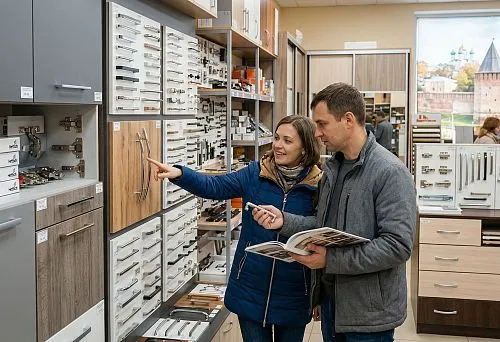
- 5.1. Why quality hardware is needed
- 5.2. Furniture handles
- 5.3. Materials for handles
- 6.1. Classic
- 6.2. Scandinavian style
- 6.3. High-tech and minimalism
- 6.4. Loft
Modern furniture is not only an embodiment of design and functionality, but also the result of deep technological processes that depend on the choice of the right material. Indeed, the materials used in the base of the product directly affect its durability, appearance, ease of use, and even ecological safety. In this article, we will consider the main types of furniture materials, their features, advantages, and possible drawbacks. We will also discuss some nuances related to hardware selection, since evenFurniture Handles can play a decisive role in the overall impression of the furniture.


1. Basic requirements for furniture materials
- Strength and reliability. Furniture must withstand daily loads without losing shape or integrity.
- Resistance to external influences. Moisture, temperature fluctuations, mechanical impacts — all of this affects the surface condition, so materials must have protective coatings.
- Aesthetics. Texture, color, tactile sensations — each parameter can become a decisive factor when choosing a table, cabinet, or sofa.
- Environmental safety. Modern standards require low levels of formaldehyde and other harmful substances in panels and finishes.
- Cost. The price difference between, for example, solid oak and MDF is significant, so it is sensible to evaluate your budget when selecting material.




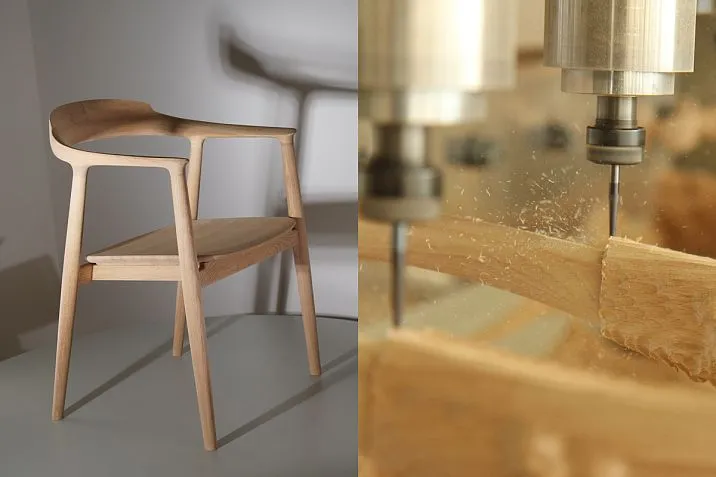
2. Solid wood: a traditional solution with a noble character
Our factory also produces:


2.1. Advantages of solid wood
● Natural beauty: the unique wood grain makes each item one-of-a-kind.
● Long service life: with proper treatment, solid wood can last for decades.
● Restorable: minor scratches and scuffs can be sanded and re-coated with varnish or oil.
● Eco-friendliness: if high-quality adhesives and finishes are used, solid wood is considered safe for health.
Get Consultation
2.2. Disadvantages of solid wood
● Cost: high-quality wood species (oak, beech, ash) are expensive.
● Sensitivity to moisture: wood may swell or crack with sudden changes in humidity.
● Weight: large solid wood items become heavy, complicating delivery and moving.
When to choose: if you valueclassic furniture or are seeking a premium solution, solid wood is the best choice. Ideal for living room sets, wooden tables, and quality beds.
3. Panel materials: budget and functionality
3.1. MDF and Laminated MDF
MDF (medium-density fiberboard) is a pressed mixture of wood particles and adhesive components. Laminated MDF is its version with a protective film (wood imitation or solid color) on the top layer.
Advantages of Laminated MDF:
● Low cost.
● Wide range of decorative finishes.
● Easy maintenance (protective film is washable).
Disadvantages:
● Lower resistance to chipping (especially at edges).
● Poor edge quality may cause the panel to swell from moisture.
● Difficult to create curved or shaped details (non-linear routing is not suitable).
3.2. MDF
MDF (medium-density fiberboard) is a denser material than MDF, allowing for more diverse shapes to be routed.
Advantages of MDF:
● Ability to create relief facades (panels, patterns).
● Higher strength than MDF.
● Greater moisture resistance (with proper finishing).
Disadvantages:
● Higher price than Laminated MDF.
● Weight (heavier than Laminated MDF).
When to choose: for kitchen facades, doors, cabinets, and furniture where decorative elements and curved shapes are important.
3.3. Plywood
Plywood consists of several layers of veneer glued across the grain.
Advantages:
● Strength, lightweight compared to solid wood.
● Ecological when proper technology and low-emission adhesives are used.
● Ability to create designer pieces in Scandinavian, eco- or loft styles.
Disadvantages:
● Cheap plywood may have internal voids.
● Requires additional finishing (varnish, paint, veneer), otherwise may not look appealing.
4. Other materials: glass, metal, plastic
4.1. Glass
Used for countertops, display cabinet doors, shelves, as well as decorative inserts.
● Pros: visually expands space, gives a 'light' feel; easy to clean, resistant to moisture.
● Cons: fingerprints are visible, requires careful handling, although tempered glass is more resistant to impacts.
4.2. Metal
Metal frames are often used for tables, chairs, and shelves. Suitable for loft, high-tech, and minimalist styles.
● Pros: high load-bearing capacity, durability, possibility of thin constructions.
● Cons: 'cold' visual effect, prone to corrosion (without protective coating).
4.3. Plastic and acrylic
Popular in manufacturing facades (glossy, matte), as well as decorative elements.
● Pros: wide range of colors and textures, easy to clean, possibility to create original shapes.
● Cons: may scratch, fade under strong UV exposure (depends on plastic type).
5. Role of hardware and furniture handles
5.1. Why quality hardware is needed
Hardware (hinges, guides, handles, locks) ensures furniture functionality. The facade or cabinet material may be excellent, but with poor hinges, doors will sag, and drawers will jam when opening.
● Hinges. There are surface-mounted, inset, and semi-inset types. High-quality models (Blum, Hettich, etc.) have a soft-close mechanism (dampener).
● Drawer guides. Also vary in quality. Ball-bearing guides are more reliable and smoother, sometimes equipped with dampeners.
● Gas-lifts. Needed to lift facades upward (e.g., in kitchens). Allow fixing doors in an open position.
5.2. Furniture handles
Furniture Handles – A detail often underestimated. But it directly affects the ease of opening doors and drawers, and sets the 'stylistic point' of the item.
● Hooks: the most common option, suitable for many styles.
● Buttons: commonly found inclassic furniture, country, Provence. Usually small, round or shaped.
● Linear, elongated handles: trendy in modern kitchens and living rooms.
● Built-in handles: used in sliding doors, where a 'flat' surface is important.
● Push-to-open: a system allowing operation without handles — a light press on the facade opens the door.
5.3. Materials for Handles
● Metal (brass, aluminum, stainless steel) — universal, durable, can be coated with paint or plating (chrome, nickel, bronze).
● Wood —Wooden handles appears 'warm', harmonizes well with eco- or classic styles.
● Plastic — inexpensive, but not always wear-resistant. More commonly used in 'economy class'.
● Glass and ceramic — add vintage or romantic charm. For example, ceramic handles in Provence-style interiors.
6. Combination of Materials and Stylistic Approach
6.1. Classic
Classic interiors feature solid wood (oak, beech, walnut) or quality veneer, as well as noble hardware (bronze, brass).Furniture Handles Here, they are often ornate, with patterns.
6.2. Scandinavian Style
Welcomes light wood or laminate in shades of 'Sonoma oak', 'birch', as well as plywood. Hardware is usually simple and minimalist — wooden 'buttons' or push-to-open may be used.
6.3. High-Tech and Minimalism
Uses glossy facades (acrylic, enamel), metal, and glass. Handles are either absent (push-to-open) or strict railings made of chrome or stainless steel.
6.4. Loft
Combination of rough wood or concrete imitation on laminate, metal frames, open shelves. Handles may be black metal, and hardware — deliberately rugged.
7. Ecological Considerations and Emission Class
Special attention should be paid to ecological issues:
● Formaldehyde. Binding resins in panel materials (laminate, MDF) may emit formaldehyde. Manufacturers indicate emission class: E0, E1 (safer) or E2 (strict limits for residential spaces).
● Lacquers and paints. If furniture is coated with lacquer based on organic solvents, unpleasant odors and VOC (volatile organic compounds) emissions may occur. Prefer water-based options.
● Certifications. Recognized eco-standards (FSC for wood, LGA for European panels) indicate that the product meets safety requirements.
8. Care for Furniture Made of Different Materials
- Solid wood: wipe with soft cloth, use polishes or oils. Avoid excessive wetting.
- Laminate, MDF: use a slightly damp cloth with mild detergent, no abrasives. Do not over-wet edges.
- Glass: better to use specialized glass cleaners to avoid streaks.
- Metal: wipe with soft cloth, remove liquid stains immediately, apply anti-corrosion coatings if necessary.
- Plastic: limit to water and mild detergent. Scratches can be removed with polish (for acrylic, replacement kits are available).
9. Recommendations for Choosing Furniture and Materials
- Determine the functionality. If the cabinet is for heavy items, choose MDF or laminate with reliable hardware. For light shelves, medium-density fiberboard (MDF) is suitable.
- Consider humidity. Bathrooms, kitchens, or balconies require moisture-resistant materials (MDF, plastic, or V100 MDF), while solid wood must be additionally protected.
- Check the edge. A good edge (PVC/ABS) on the ends is important to prevent swelling. It should be neatly glued without gaps.
- Test the hardware. Open and close doors, pull out drawers. Check how the mechanisms (soft-close hinges, guides) operate.
- Combine color and texture. Furniture should match the overall interior palette. If unsure, take decor samples and attach them to walls and floors to see how they look under room lighting.
- Don't overspend. The cheapest materials and hardware often fail quickly. It's better to choose a higher-quality option, even if more expensive, as it will last longer.
10. Conclusion
Correctly selected furniture materials allow achieving the optimal balance between aesthetics, comfort, and budget. Some prefer the noble look of solid wood, others seek affordable laminate solutions, while others can't imagine life without glossy acrylic fronts. Any option will be good if you consider usage conditions, interior features, and quality hardware—from hinges to %s.furniture handles.
Remember: furniture materials are the foundation. But with thoughtful design, proper assembly, and timely maintenance, your furniture can become a reliable, long-lasting, and beautiful element of your home or office.