Article Contents:
- Introduction: The Significance of Natural Wood in Staircase Construction
- Ecological and Aesthetic Value
- Durability and strength
- Wood Species Used in Production
- Components and Elements for Staircases
- Stage 1: Selection and Preparation of Raw Materials
- Stage 2: Cutting and Shaping
- Stage 3: Sanding and Surface Treatment
- Stage 4: Application of Protective Coatings
- Stage 5: Assembly and Installation
- Classic and Modern Interiors
- Individual designer solutions
- Importance of High-Quality Components
- Ecological Safety
- Strength and durability
- Aesthetic appeal
- Thermal and Sound Insulation
- Regular Maintenance
- Treatment with Protective Compounds
- Climate Condition Control
- Investment in quality
- Ecological sustainability
- Increase in property value
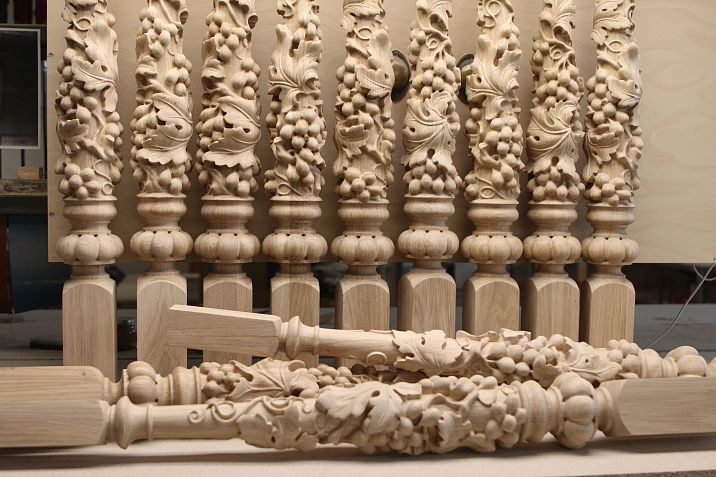
A wooden staircase is not merely a functional interior element, but a true work of art that sets the tone for the entire space. Its construction combines not only engineering precision but also aesthetics, the warmth of natural material, durability, and ecological purity. In this article, we will thoroughly examine the materials used to manufacture wooden staircases, the processing technologies applied, and why natural wood remains the undisputed leader in this field. Additionally, we will discuss the importance of high-quality components and staircase elements, which can be found at the link:
Staircase Components and Elements.


Introduction: The Significance of Natural Wood in Staircase Construction




Ecological and Aesthetic Value
Natural wood is a material possessing unique properties. Its natural texture, rich palette of tones, and warmth create an unparalleled atmosphere of coziness in any interior. In staircase finishing, wood not only highlights natural beauty but also guarantees ecological safety, as natural materials do not emit toxic substances and positively affect the room’s microclimate.
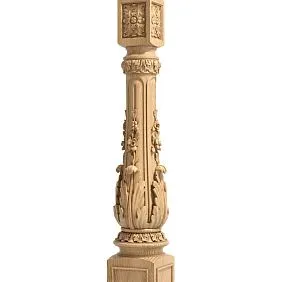
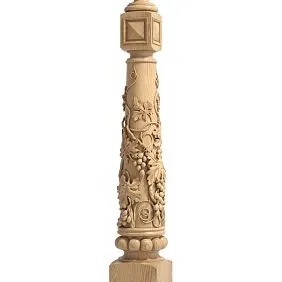
Our factory also produces:



Durability and strength
Wooden staircases are renowned for their strength and durability. With proper selection of wood species and quality processing, wood can serve for decades while retaining its aesthetic appeal. Modern processing technologies enable achieving ideal geometry of elements, eliminating deformation and cracking.
Get Consultation
Primary Materials for Wooden Staircases
Wood Species Used in Production
Various wood species are used in manufacturing wooden staircases, each possessing unique properties:
● Oak: One of the most popular materials for staircases due to its high strength and hardness. Oak has a rich texture and natural resistance to wear, making it ideal for heavy use.
● Ash: Characterized by elegant texture, light color, and flexibility, allowing for the creation of elegant and original designs. Ash is often used to create staircases with decorative elements.
● Beech: Known for its uniformity and light color. Beech staircases appear modern and minimalist, while remaining strong and durable.
Cherry: Valued for its warm, rich color and rich texture. Cherry staircases add exclusivity and elegance to interiors.
The choice of wood species depends on the desired visual effect, usage conditions, and the client's individual preferences.
Staircase Components and Elements
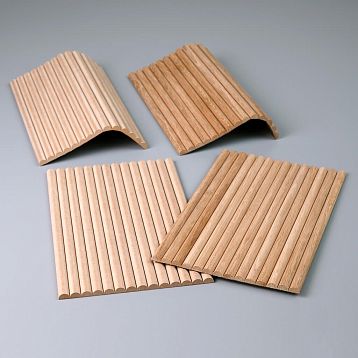
A quality wooden staircase consists not only of steps and railings, but also of numerous small details such as skirting boards, stringers, balustrades, and fastening elements. All these components must be made of natural wood, processed and assembled with maximum precision to ensure the reliability and longevity of the structure.
For a more detailed overview of the range of quality staircase components and elements, we recommend visiting:
Staircase Components and Elements.
Wooden Staircase Production Technologies
Stage 1: Selection and Preparation of Raw Materials
Quality production begins with the selection of high-quality wood. Specialists conduct a careful selection of material, evaluating its texture, strength, and uniformity. After selection, the wood proceeds to the drying stage, which reduces its moisture content to an optimal level and prevents deformation in the future.
Stage 2: Cutting and Shaping
Modern CNC machines ensure high-precision cutting of wood, allowing for the creation of ideal blanks for steps, railings, and other staircase elements. Laser cutting technology enables work with minute details, creating unique decorative patterns and complex structures.
Stage 3: Sanding and Surface Treatment
After cutting, blanks undergo multi-stage sanding to achieve a perfectly smooth surface. Sanding is a crucial stage that ensures even application of protective coatings and highlights the natural beauty of the wood. Modern sanding machines allow achieving maximum surface uniformity, which is especially important for the aesthetic finishing of the staircase.
Stage 4: Application of Protective Coatings
Natural oils, varnishes, and waxes are used to protect wood from moisture, ultraviolet rays, and mechanical damage. These coatings not only preserve the natural luster and texture of the wood but also significantly extend the lifespan of the product. Coating application technologies allow creating a durable protective layer resistant to daily use and changes in external conditions.
Stage 5: Assembly and Installation
At the final stage, ready-made elements are prepared for assembly. Experienced craftsmen assemble all staircase components, paying special attention to the precision of connections and aesthetic appearance. Quality assembly ensures that the entire structure will be stable, safe, and long-lasting.
Design of Wooden Staircases: Ideas and Solutions
Classic and Modern Interiors
Wooden staircases can be designed in various styles. Classic models often feature carved decorative elements, rich textures, and deep natural tones. In such constructions, special attention is paid to decorative patterns that highlight traditional craftsmanship.
Modern staircases, on the contrary, often use minimalist design, focusing on clean lines and simplicity of forms. In such interiors, natural wood is combined with metal or glass, creating an effect of lightness and airiness.
Individual Design Solutions
Each wooden staircase project can be customized to meet specific requirements and preferences of the client. Designers can offer unique solutions, ranging from selecting the type of wood to creating exclusive decorative elements. An individual approach allows creating not only a functional, but also a truly unique structure that will become a central element of the interior.
Importance of Quality Components
The reliability and longevity of a wooden staircase directly depend on the quality of components and elements used in its production. All details — from steps to railings — must be manufactured according to strict standards. This ensures not only aesthetic appeal but also structural safety. To ensure quality components, visit specialized sections, for example:
Staircase Components and Elements.
Advantages of Using Natural Wood in Staircases
Ecological and safety
Natural wood is one of the most eco-friendly materials, as it contains no synthetic additives and does not emit harmful substances. Wooden staircases contribute to creating a healthy atmosphere in the home, ensuring a favorable microclimate. Using eco-friendly materials is an important aspect of modern construction and finishing, especially in residential spaces.
Strength and durability
Due to their natural properties, natural wood possesses high strength and resistance to wear. A quality wooden staircase can serve for decades, retaining its aesthetic and functional characteristics. This makes it a worthwhile investment for those who value durability and reliability.
Aesthetic appeal
Each wooden element is unique — natural patterns, textures, and shades create an unmatched appearance of the product. Natural wood adds special warmth and coziness to interiors, creating a harmonious combination with other decorative elements. The aesthetics of a wooden staircase can become a central element of the interior, highlighting the owner's taste and individuality.
Thermal and Sound Insulation
Wood is an excellent thermal and sound insulator. A wooden staircase helps maintain optimal room temperature, reducing heat loss and absorbing sound vibrations. This is especially important in multi-story buildings, where noise and heat loss can become a problem.
Care for wooden staircase
Regular maintenance
To preserve the original beauty and functionality of a wooden staircase, regular maintenance is essential. It is recommended to clean the surface with soft cloths, avoiding aggressive cleaning agents that may damage the protective coating.
Protective Treatment
Periodic treatment of natural wood with special oils, varnishes, or waxes helps maintain its texture and gloss, as well as protects against moisture, ultraviolet rays, and mechanical damage. Such care allows extending the staircase’s service life and preserving its aesthetic appeal.
Climate condition control
Wood is a material sensitive to temperature and humidity fluctuations. To preserve its properties, it is important to maintain a stable microclimate in the room. Avoid sudden temperature changes and excessive humidity to prevent deformation and cracking.
Economic efficiency of a wooden staircase
Investment in Quality
Using natural wood in staircase construction is a long-term investment. High-quality materials and modern processing ensure the product will serve for decades without losing functionality or aesthetics. Such staircases are not only decorative elements but also reliable structures capable of withstanding daily loads.
Environmental sustainability
The use of eco-friendly materials in construction is becoming increasingly relevant. Wooden staircases contribute to reducing the carbon footprint and maintaining ecological balance, which is an important aspect for modern consumers striving for sustainable development.
Increase in property value
Quality finishing and original design solutions, such as a natural wooden staircase, can significantly increase property value. Aesthetics, durability, and eco-friendliness of materials have become important criteria for buyers and investors, making a wooden staircase a worthwhile investment for the future.
Conclusion: Natural wood – a choice for true connoisseurs
Material for a wooden staircase is not merely a choice of finishing material, but a philosophy reflecting respect for nature, traditions, and advanced technologies. Natural wood used in staircase construction brings warmth, coziness, and unique character to the interior. Thanks to modern manufacturing technologies and strict quality control, every wooden staircase becomes a work of art that will serve you for many years.
High-quality components and elements for staircase construction, such as baseboards, cornices, moldings, balusters, and angles, play an important role in creating a harmonious and functional interior. They not only unify the structure but also emphasize its elegance and reliability. For those seeking high-quality solutions for wooden staircases, I recommend reviewing the product range at the following link:
Staircase Components and Elements.
Natural wood remains the undisputed leader in staircase production due to its eco-friendliness, strength, and aesthetic appeal. Choosing materials for a wooden staircase is an investment in quality, durability, and unique style of your interior. Let your staircase become not only a functional element but also the centerpiece of your home, a symbol of warmth, coziness, and refined taste.
Thus, natural wood in staircase construction is a combination of ancient craftsmanship and modern technologies, enabling the creation of products possessing genuine beauty and reliability. Proper selection of raw materials, precise processing, and quality assembly ensure longevity and aesthetic expressiveness of each structural element. Investing in a wooden staircase means acquiring not just furniture, but a work of art that will delight you with its natural beauty and functionality for many years.
For more detailed information about materials and components for wooden staircases, visit:
Staircase Components and Elements.
Natural wood – a choice for true connoisseurs of quality, durable, and eco-friendly interiors. May your wooden staircase embody these values and inspire you to create a unique space filled with warmth and coziness.