Article Contents:
- Project Strategic Planning
- Style Direction Selection
- Revolution in Materials Science
- New Generation of Coatings
- Specialized Decorative Systems
- Technological Innovations in Surface Preparation
- Revolutionary Cleaning Methods
- Next-Generation Adhesion Systems
- Application Mastery: From Basic Techniques to Virtuosity
- High-Performance Decorative Techniques
- Integration of digital technologies
- Computer Simulation of Results
- Robotic Painting Systems
- Quality Control and Diagnostics
- Modern Coating Evaluation Methods
- Durability Forecasting
- Ecological Innovations and Sustainable Development
- Biodegradable Coatings
- Circular Economy in Finishing Materials
- Future of Repainting Technologies
- Customized Solutions
- Space Technologies
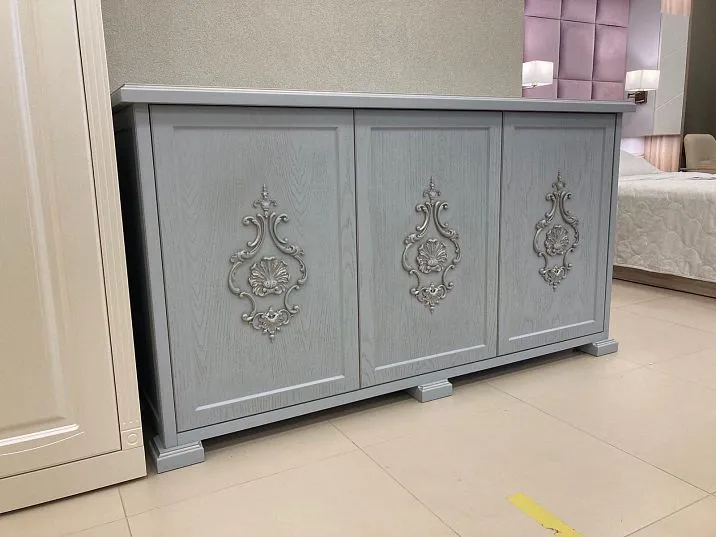
The ability to radically transform the appearance of living space without resorting to large investments has always attracted creative individuals and rational homeowners. Repainting furniture opens up amazing prospects for transforming ordinary items into exclusive decorative elements. This process requires not only technical skills but also artistic vision, understanding of stylistic features, and knowledge of modern materials.
Question how to repaint furniture professionally concerns millions of people striving to create a unique atmosphere in their homes. Modern technologies allow achieving results that were once inaccessible to home craftsmen. From the simplest color refresh to creating complex decorative effects — each method has its secrets and specific application techniques.


Project Strategic Planning
The success of any furniture project depends on the thoroughness of preliminary preparation. The conceptual vision of the future result must take into account not only aesthetic preferences but also functional requirements, operating conditions, and compatibility with the existing interior. Creating a mood board or collage of inspiring images will help visualize the desired result and avoid impulsive decisions during the work process.
Technical assessment of the item includes evaluating structural integrity, type of materials, condition of hardware, and existing coatings. Solid wood furniture requires one approach, composite materials — a completely different one. Metal elements require special anti-corrosion treatment, plastic surfaces — adhesive primers.
Project budgeting must account for the cost of materials, tools, and possible need for specialized equipment. Cutting corners on material quality often leads to unsatisfactory results and the need for redoing work. Investments in professional paints and tools pay off through quality and durability of the finish.




Style Direction Selection
Modern classicism implies using neutral colors, high-quality matte finishes, and minimal decorative elements. This approach is universal and easily integrates into most interior concepts. Deep, saturated tones create an elegant base that beautifully highlights bright accessories.
Vintage techniques include artificial aging, patination, craquelure, and decoupage. These methods allow creating an impression of noble antiquity, giving objects a history and character. Such techniques are especially effective when working with furniture of simple forms, which gain expressiveness through decorative treatment.
Avant-garde solutions involve using unusual color combinations, contrasting textures, and unexpected materials. Metallic finishes, fluorescent paints, and holographic effects transform ordinary furniture into art objects. This approach requires boldness and confidence in one’s own taste.
Our factory also produces:




Revolution in Materials Science
Get Consultation
New Generation of Coatings
Hybrid coatings combine the advantages of different chemical systems. Acrylic-polyurethane formulations combine the ecological safety of water-based paints with the strength and durability of synthetic polymers. Alkyd-acrylic enamels provide excellent adhesion and decorative qualities at a reasonable cost.
Nanotechnological additives impart unique properties to coatings. Titanium dioxide nanoparticles provide self-cleaning surfaces under UV exposure. Silver nanoparticles create an antibacterial effect. Graphene additives enhance the electrical and thermal conductivity of coatings.
Ecologically clean compositions based on natural resins and pigments are becoming increasingly popular. Shellac coatings derived from insect secretions provide exceptional gloss and color depth. Casein paints based on milk protein are completely safe and feature a unique matte texture.
Specialized Decorative Systems
Metallic effects are created using real metallic particles or high-tech imitations. Copper pigments oxidize over time, creating a natural patina. Aluminum powders of various sizes allow achieving effects ranging from mirror-like gloss to soft satin sheen.
Pearl finishes use mica flakes coated with thin layers of metallic oxides. These finishes create shimmering effects that change depending on viewing angle and lighting. Different particle sizes allow achieving effects ranging from subtle shimmer to pronounced gloss.
Chameleon effects are achieved using interference pigments that change color depending on lighting and viewing angle. Such coatings create a dynamic surface that never looks the same under different lighting conditions.
Technological Innovations in Surface Preparation
Revolutionary Cleaning Methods
Plasma treatment uses ionized gas to remove contaminants at the molecular level. Low-temperature plasma does not damage the base material but effectively removes organic contaminants, oxide films, and silicone residues. This method is especially effective for preparing complex composite surfaces.
Ultrasonic cleaning uses cavitation effects to break the bond between contaminants and the surface. Parts are submerged in a cleaning solution and subjected to high-frequency vibrations. This method is ideal for cleaning carved elements and hard-to-reach areas.
Laser ablation enables precise removal of coatings with controlled depth of effect. Pulsed laser instantly vaporizes paint without heating the base. The technology allows working with the most delicate surfaces and creating complex cleaning patterns.
Next-Generation Adhesion Systems
Molecular adhesives form chemical bonds with surfaces at the atomic level. Silane primers form covalent bonds with metal oxides and silicate surfaces. Such systems provide exceptional coating durability even under extreme conditions.
Biomimetic adhesives mimic attachment principles found in nature. Technologies inspired by gecko feet or mussel adhesive create ultra-strong bonds without using toxic substances.
Smart adhesives activate under external factors: temperature, humidity, UV radiation. Such systems allow controlling the bonding process and, if necessary, reversibly breaking the bond.
Mastering Application: From Basic Techniques to Virtuosity
how to repaint furniture Brushing is the foundation every master must master. A quality brush made of natural bristles or high-tech synthetic fibers determines the result no less than the quality of paint. Application technique depends on the type of coating: long, smooth strokes for creating a smooth surface, short cross-hatched strokes for textured effects.
Roller techniques revolutionized painting large surfaces. Microfiber rollers create perfectly even coatings without tool marks. Textured rollers allow simultaneously applying paint and creating decorative textures. Combining rollers of different structures opens limitless creative possibilities.
Airbrush techniques transform painting into art. Controlling pressure, paint flow, and distance to the surface requires advanced skills and artistic intuition. Multi-layer spraying allows creating complex color transitions and realistic images.
High-Performance Decorative Techniques
Venetian technique on furniture adapts principles of classical wall finishing. Multi-layer application of semi-transparent compositions followed by polishing creates a polished marble effect. Varying application techniques allows mimicking different stone types.
Sgraffito — a technique of scratching the top layer to reveal the bottom — creates highly expressive graphic effects. Modern tools allow creating fine lines and complex patterns. Combining different base colors opens possibilities for polychromatic compositions.
Marbling imitates marble structure using special paint mixing techniques. Veins are created using a pen, brush, or special combs. Modern compositions allow achieving both classic and fantasy color combinations.
Integration of Digital Technologies
Computer simulation of the result
3D visualization allows seeing the future result before starting work. Modern programs accurately reproduce material texture, light and shadow play, and interaction with surrounding objects. This eliminates planning errors and allows experimenting with various options.
Augmented reality allows "trying on" a new furniture color in the real interior. Mobile applications use the device's camera to overlay virtual finishes onto real objects. The technology helps make reasoned decisions about color choices.
Colorimetric systems ensure accurate color reproduction. Spectrophotometers measure color with scientific precision, eliminating perceptual subjectivity. This is especially important when working with series of items or reproducing historical colors.
Robotic coating systems
Industrial robots are adapted for coating furniture with complex shapes. Vision systems analyze the geometry of the object and automatically generate movement trajectories. This ensures perfect coating uniformity and high repeatability of results.
Drone systems are used for coating large items. Quadcopters equipped with spraying equipment can process surfaces inaccessible to humans. GPS navigation ensures precise positioning.
Quality control and diagnostics
Modern coating evaluation methods
Spectral analysis determines the exact composition of the coating and reveals hidden defects. Infrared spectroscopy identifies the polymer matrix and pigment system. X-ray fluorescence analysis determines elemental composition, including toxic components.
Thermographic diagnostics reveal coating non-uniformities based on thermal response. Different thermal conductivity of defective areas becomes apparent upon heating with infrared radiation. The method allows detecting delamination, voids, and inclusions.
Ultrasonic thickness measurement measures coating thickness with micrometer precision without damaging the surface. Uneven thickness may lead to color and performance differences. Monitoring allows adjusting the technology during application.
Longevity forecasting
Accelerated tests simulate operational factors within compressed timeframes. Climate chambers replicate heating-cooling, humidification-drying, and UV exposure cycles. Results allow predicting coating behavior for years ahead.
Mathematical modeling of aging processes uses physicochemical analysis data to build predictive models. Artificial intelligence analyzes multiple factors and predicts critical degradation points of the coating.
Ecological innovations and sustainable development
Biodegradable coatings
Polymers based on renewable raw materials replace traditional petrochemical materials. Polylactic acid from corn, polyhydroxyalkanoates from bacteria, modified vegetable oils create coatings with specified degradation periods.
Living coatings contain microorganisms that absorb air pollutants. Photosynthetic bacteria or microalgae immobilized in a polymer matrix convert carbon dioxide into oxygen. Such coatings improve indoor microclimate.
Self-healing materials contain microcapsules with healing agents. Upon coating damage, capsules rupture, releasing healing substances. Polymerization of these substances restores coating integrity.
Circular economy in finishing materials
Waste recycling transforms paint waste into secondary raw materials. Pyrolysis of polymer coatings yields monomers for synthesizing new materials. Mechanical recycling of metallic pigments allows reusing expensive components.
Modular coatings are designed with the possibility of disassembly and replacement of individual layers. This approach allows updating decorative properties without complete removal of the coating. Material and time savings make such systems economically attractive.
Future of repainting technologies
Personalized solutions
Individual coloristics use analysis of a person's color preferences to create personalized palettes. Neural networks analyze psychological profiles and propose color solutions optimal for a specific individual.
Adaptive coatings change their properties depending on operating conditions. Thermochromic materials respond to temperature, photochromic materials to light, and electrochromic materials are controlled by smart home electronic systems.
Biometric integration allows coatings to respond to human presence and condition. Sensors embedded in the coating register pulse, body temperature, stress levels, and accordingly alter surface color and texture.
Space technologies
Microgravity coating production in weightlessness allows obtaining structures impossible on Earth. The absence of convection and sedimentation creates ideal conditions for forming homogeneous composites with unique properties.
Cosmic-origin nanomaterials possess extreme characteristics due to exposure to cosmic radiation and ultra-low temperatures. Metallic nanoparticles synthesized in space create coatings with properties unattainable on Earth.
Mastering the art of how to repaint furniture at a professional level opens boundless opportunities for creative self-expression and the creation of unique interior solutions. Modern technologies and materials enable achieving results that were once considered science fiction.
Each furniture repainting project is unique and requires an individual approach. From material selection to final finishing — every decision affects the final result. Continuous technological development opens new horizons for artisans striving for perfection.
In a world where individuality is valued above all else, the ability to transform an ordinary piece of furniture into a work of art becomes especially relevant. Repainting is not merely changing color — it is the opportunity to breathe new life into forgotten items, create a unique atmosphere reflecting the owner’s personality.
Success in furniture repainting is achieved through the combination of quality materials, proper technology, and a creative approach. STAVROS Company provides a full spectrum of professional solutions for implementing the most ambitious furniture renewal projects. The extensive experience and deep technical knowledge of STAVROS specialists help artisans of any level achieve outstanding results. Choosing STAVROS products means not only obtaining high-quality materials but also reliable technical support to realize the boldest creative ideas in the field of furniture repainting.