Article Contents:
- Definition and Essence of Solid Baseboard
- What is a Solid Baseboard
- Production Technology of Solid Baseboard
- Structural Features of Solid Wood
- Classification of Solid Baseboards by Wood Species
- Coniferous species
- Hardwood Species
- Exotic species
- Detailed Comparison of Solid Wood with Alternative Materials
- Solid Wood vs. MDF Baseboards
- Comparison with PVC Baseboards
- Solid Wood vs. Aluminum Baseboards
- Comparison with Veneered Baseboards
- Technical Specifications of Solid Baseboards
- Dimensional parameters
- Moisture and Stability
- Strength characteristics
- Profiles and Shapes of Solid Baseboards
- Classic profiles
- European Profile
- Special profiles
- Color Solutions and Finishing
- Natural shades
- Staining and Weathering
- Painting
- Lacquering
- Application in various interior types
- Classic Interiors
- Modern styles
- Scandinavian Style
- Country and rustic
- Loft and Industrial Style
- Process of Choosing Solid Baseboard
- Operating conditions analysis
- Style Compatibility
- Dimensional Proportions
- Budget considerations
- Installation Technology of Solid Baseboards
- Preparatory work
- Mounting methods
- Corner processing
- Joining Straight Sections
- Maintenance and Operation of Solid Baseboards
- Regular maintenance
- Protection against damage
- Recoating
- Restoration of Damage
- Economic Aspects of Using Solid Baseboards
- Initial costs
- Installation Costs
- Long-Term Savings
- Modern Trends and Innovations
- Ecological requirements
- Technological Innovations
- Design trends
- Special application areas
- Commercial interiors
- Restoration of Historical Objects
- Luxury Housing
- Regional application specifics
- Climate factors
- Local Traditions
- Interaction with Other Interior Elements
- Combination with floor coverings
- Coordination with Door Elements
- Integration with Furniture
- Frequently Asked Questions and Practical Tips
- Operation Issues and Their Solutions
- Selection for Specific Conditions
- Economic Issues
- Conclusion: Advantages of Choosing Solid Baseboard

In the world of modern finishing materials, solid baseboard occupies a special niche Skirting made of solid wood – an interior element that combines functionality, durability, and the unique beauty of natural wood. Understanding the features of solid baseboard becomes a key factor in creating a high-quality and stylish interior, where every detail matters.
Modern design trends increasingly turn to natural materials, and solid baseboard becomes not just a decorative element, but an important part of the architectural solution. This material allows creating a harmonious transition between the floor and the wall, emphasizing the style of the room and adding nobility to the interior.


Definition and Essence of Solid Baseboard




What is Solid Baseboard
Solid baseboard is a molding product made from a single piece of wood without using composite materials, adhesives, or synthetic additives. Unlike other types of baseboards, Wooden baseboard solid baseboard retains all the natural properties of wood and has a uniform structure throughout the entire thickness of the product.
In woodworking, the term 'solid' means using natural wood that has not been glued or pressed. This approach ensures maximum strength, durability, and ecological purity of the finished product.
Our factory also produces:




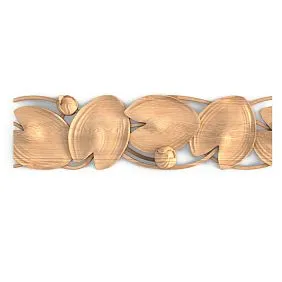

Production Technology of Solid Baseboard
The manufacturing process of solid baseboard begins with careful selection of wood. The raw material undergoes natural or kiln drying to a moisture content of 8-12%, ensuring the geometric stability of the finished product.
The next stage involves profiling on special machines, where the blank is given the necessary shape. Wooden Skirting Board Sizes The profiles are determined during the design phase and may vary depending on the purpose and stylistic requirements.
Final processing includes grinding with various abrasives to achieve a perfectly smooth surface. In the final stage, the baseboard may be coated with protective compounds or left in its natural state for further processing during installation.
Get Consultation
Structural Features of Solid Wood
Solid baseboard differs from other finishing materials by its uniform structure. This means that the material remains consistent throughout the entire thickness of the product, which opens up wide possibilities for restoration and restoration of the original appearance.
The fibrous structure of natural wood provides natural shock absorption under mechanical impacts. Minor scratches and dents can self-heal due to the elasticity of the fibers, extending the product's service life.
Classification of Solid Baseboards by Wood Species
Coniferous species
Spruce baseboard is the most accessible and popular option for solid baseboard. Spruce has a beautiful texture with clearly defined annual rings and a resinous aroma, which creates a unique atmosphere in the room.
Larch, as an alternative to spruce, has a lighter shade and less resinous character. Larch baseboards are easily stained and painted, making them versatile for various stylistic solutions.
Larch occupies a special place among coniferous species due to its high density and natural resistance to moisture. Larch baseboards are suitable for rooms with high humidity and active use.
Broadleaf species
Oak wooden skirting board is considered the standard of quality among solid baseboards. Oak has exceptional strength, elegant texture, and the ability to develop a richer, more noble tone over time.
Beech baseboards are characterized by high density and uniform texture with small pores. Beech is excellent for staining, allowing it to imitate more expensive wood species or create unique color solutions.
Ash is characterized by a distinct texture and high strength. Ash baseboards have a light shade with a beautiful wood grain pattern, making them popular in modern interiors.
Oak represents the elite segment of solid skirting boards. Oak wood is distinguished by its noble brown tone with beautiful hues and is considered one of the most prestigious for manufacturing decorative elements.
Exotic species
Teak, wenge, merbau and other exotic species are used to create exclusive skirting boards. These materials possess unique decorative properties but require special operating conditions and professional installation.
Detailed comparison of solid with alternative materials
Solid vs. MDF skirting boards
MDF skirting boards are made from medium-density fiberboard, which is covered with decorative film or veneer. Compared with wooden skirting boardsolid wood has several fundamental advantages.
Water resistance is a key distinction. MDF may swell and lose its shape when exposed to moisture, whereas solid wood, treated with protective compounds, can withstand brief moisture exposure without deformation.
Repairability of solid skirting boards significantly exceeds that of MDF. A damaged decorative layer on MDF cannot be restored without replacing the entire element, whereas solid wood can be sanded and re-coated with a protective compound.
The ecological nature of solid wood is indisputable—it contains no formaldehyde resins or other chemical binders present in MDF that may be released into the room’s atmosphere.
The service life of solid skirting boards may reach several decades with proper care, whereas MDF skirting boards typically require replacement after 10–15 years.
Comparison with PVC skirting boards
Plastic skirting boards have gained popularity due to their low cost and ease of installation. However, upon detailed comparison with solid wood, the differences become obvious.
The aesthetic qualities of solid wood differ fundamentally from PVC. The natural texture of wood, its warmth, and living energy cannot be replicated by synthetic materials, even when using high-quality decorative film.
Tactile sensations also play an important role. Touching natural wood creates completely different sensations compared to cold plastic.
The prestige of interiors with solid skirting boards is significantly higher. Natural wood is associated with quality, reliability, and good taste of the owner.
The ecological aspect again favors solid wood. PVC contains various chemical compounds that may affect the room’s microclimate, especially at elevated temperatures.
Solid vs. aluminum skirting boards
Metallic skirting boards are primarily used in commercial interiors and spaces with special hygiene requirements. Aluminum skirting boards are distinguished by high strength and water resistance, but their application in residential interiors is limited.
The visual warmth of solid wood fundamentally differs from the cold metallic sheen of aluminum. In residential spaces, solid skirting boards create a cozy atmosphere, whereas metal may be perceived as overly technological and formal.
Wood’s sound-absorbing properties surpass those of metal. A solid skirting board can absorb sound vibrations, whereas aluminum may amplify them.
Comparison with veneered skirting boards
Veneered skirting boards represent an intermediate option between solid wood and composite materials. The base is made from MDF or another material, and a thin layer of natural veneer is applied on top.
The depth of texture in solid skirting boards is significantly greater than in veneered analogs. Upon mechanical damage, solid wood retains its natural texture throughout its thickness, whereas veneered skirting boards may expose the base.
The restoration possibilities of solid wood are much broader. Veneered skirting boards can only be sanded within the thickness of the veneer, which is typically 0.5–3 mm.
Technical characteristics of solid skirting boards
Dimensional parameters
Wooden Skirting Board Height is one of the key parameters influencing the perception of the interior. Standard height varies from 40 to 120 mm, but custom-sized skirting boards can also be manufactured.
Wooden skirting board 60 mm is considered a universal size suitable for most residential spaces. This height provides an optimal balance between functionality and aesthetics.
Wide Wooden Skirting Board Used in rooms with high ceilings or to create special design effects. Such skirting boards emphasize the spaciousness and create a sense of luxury.
The thickness of solid skirting board is usually 16-22 mm, providing sufficient strength while maintaining a relatively light weight.
Length of wooden skirting board In standard version, it is 2.5-3 meters. These dimensions allow minimizing the number of joints during installation in most rooms.
Humidity and Stability
Humidity control is a critically important parameter for solid skirting boards. The optimal humidity of the finished product is 8-12%, which corresponds to the equilibrium humidity for most heated rooms.
Geometric stability is achieved through proper drying and subsequent storage of the material under stable conditions. Quality solid skirting boards practically do not change their dimensions during operation under normal conditions.
Strength characteristics
The mechanical strength of solid skirting board depends on the wood species and grain direction. Hardwoods such as oak, beech, or ash provide maximum resistance to mechanical damage.
The impact resistance of solid wood significantly exceeds that of composite materials. Natural wood can absorb impact energy through elastic deformation of fibers.
Wear resistance is especially important in areas of intensive use. Solid skirting boards made of hardwoods can retain their original appearance for decades with proper care.
Profiles and Shapes of Solid Skirting Boards
Classic Profiles
Wooden Straight Skirting Board Represents the simplest and most universal shape. Rectangular cross-section with small bevels creates a minimalist and modern look.
Wooden Decorative Skirting Board Features a more complex profile with decorative grooves, protrusions, and transitions. Such skirting boards are suitable for classic and traditional interiors.
Gable – is Wooden Triangular Skirting Board A profile primarily used as a ceiling skirting board. This shape ensures a smooth transition between the wall and ceiling.
European Profile
Wooden Euro Skirting Board The profile features a cable channel that allows hiding electrical wires and cables. This solution is especially relevant in modern interiors with many technical devices.
Also may include special grooves for hidden mounting, simplifying installation and providing a more aesthetically pleasing appearance of the finished installation.
Special profiles
Wooden Shoe-Shape Skirting Board Has a distinctive curved shape resembling shoe molding. Such skirting boards are traditionally used in classic interiors and rooms in historical style.
Corner Wooden Skirting Board Designed for decorating internal and external corners. Ready-made corner elements significantly simplify installation and ensure perfect fitting in complex areas.
Color Solutions and Finishing
Natural Tones
Natural wood color is one of the main advantages of solid skirting board. Each species has its characteristic shade, which may vary depending on the growth conditions of the tree.
Light-colored species (pine, birch, ash) create a feeling of freshness and simplicity, visually enlarge the space, and harmonize well with Scandinavian and modern styles.
Dark species (oak, walnut, wenge) give the interior a sense of solidity and elegance, suitable for classic and traditional design styles.
Staining and Staining
The possibility of changing the color of wood using stains and tinting compounds significantly expands the design possibilities of solid skirting board. Staining allows:
- To imitate more expensive wood species
- Create unique color solutions
- Match tone to existing finish
- Emphasize or soften natural texture
Painting
White Wooden Baseboard Achieved by painting the molding with special paints. White moldings visually increase the room's height, create a sense of lightness, and suit any interior color scheme.
What to paint wooden skirting boards – an important question determining the durability and appearance of the finished finish. For painting heavy moldings, the following are used:
- Water-based acrylic paints
- Alkyd enamels for increased durability
- Special wood paints with protective additives
- Oil-based paints for traditional interiors
Lacquering
Lacquer coating is the most common way to protect heavy moldings. Lacquer preserves the natural beauty of wood, protects against moisture and mechanical damage.
Matte lacquers create a natural appearance, do not produce glare, and are suitable for most interior styles.
Glossy lacquers highlight the wood texture, create a sense of depth and luxury, but require more careful maintenance.
Semi-gloss lacquers represent a compromise solution, combining the advantages of matte and glossy finishes.
Application in various types of interiors
Classical interiors
In classical interiors, heavy molding plays a key role in creating an atmosphere of luxury and respectability. Wooden High Skirting Board with an ornate profile emphasizes the grandeur and formality of the setting.
For classical interiors, the following are characteristic:
- Oak moldings with natural or dark tinting
- Complex multi-step profiles
- High moldings (100-150 mm)
- Decorative elements and carvings
Modern Styles
In modern interiors, heavy molding may have more minimalist forms, emphasizing functionality and minimalism. Wooden Flat Skirting Board without decorative elements creates clear architectural lines.
Characteristic features of modern application:
- Simple geometric forms
- Light or neutral-colored painted moldings
- Medium height (60-80 mm)
- Functional elements (cable channels)
Scandinavian Style
Scandinavian style implies the use of light wood species and simple forms. Pine or birch moldings, painted white or coated with light lacquer, create a sense of freshness and simplicity.
Country and rustic
Rustic interior styles perfectly match with solid wooden skirting boards. Here it is appropriate:
- Skirting boards with emphasized texture
- Brushing and artificial aging
- Natural wood tones
- Simple but expressive profiles
Loft and Industrial Style
In loft interiors, a solid skirting board creates an interesting contrast with industrial elements. Roughly processed wood or aged skirting boards emphasize the brutalism of the style.
Process of selecting a solid skirting board
Analysis of operating conditions
The choice of wood species should take into account the operating conditions of the room. For humid areas, it is better to choose durable species (larch, teak), while for living rooms, any quality materials will do.
The intensity of use affects the choice of wood hardness. In hallways and public areas, harder species are preferable, while in bedrooms, softer and more affordable materials can be used.
Style compatibility
The skirting board should harmoniously fit into the overall interior concept. What skirting board for wooden floors The choice depends on the room's style, color scheme, and architectural features.
Dimensional proportions
The height of the skirting board should correspond to the room's scale. In rooms with high ceilings, tall skirting boards are appropriate, while in smaller rooms, standard sizes are preferable.
Budget considerations
Solid wooden skirting board price Varies depending on the wood species, profile complexity, and processing quality. When planning the budget, it is necessary to consider not only the material cost but also installation expenses and additional elements.
Technology of installing solid skirting boards
Preparatory Work
Before installation Installation of wooden skirting boards It is necessary to perform a complex set of preparatory works:
- Material acclimatization for 24-48 hours
- Checking wall and floor flatness
- Preparing tools and fasteners
- Marking installation locations
Methods of mounting
How to install wooden skirting boards It depends on the type of base and requirements for the appearance of the finished installation:
Mounting with finish nails – a traditional method ensuring secure fixation. Nail heads are driven into the wood and masked with wax pencils or putty.
Screw mounting is used for especially secure fixation. Screws are screwed into previously drilled holes and covered with wooden plugs.
Adhesive mounting is used for perfectly flat surfaces. This method provides invisible fixation but complicates disassembly.
Hidden mounting using special clips allows installing baseboards without visible mounting elements.
Corner Processing
How to Cut Wooden Baseboard Corners are one of the most critical stages of installation. Precise 45-degree beveling requires using a miter box or a circular saw.
For uneven corners, individual fitting may be required using special angle-measuring tools.
Corners for Wooden Baseboards can be purchased pre-made, which significantly simplifies installation and ensures perfect alignment.
Straight Section Joints
How to Connect Wooden Baseboard On straight sections, it is done with a 90-degree straight cut. The joint must be as tight as possible, and wood glue may be used if necessary.
Care and Use of Solid Baseboards
Regular Maintenance
Solid baseboards are low-maintenance but require adherence to certain rules:
- Regular dry cleaning with vacuum or soft brush
- Wiping with slightly damp cloth
- Avoiding aggressive cleaning agents
- Immediate removal of spilled liquids
Protection from Damage
Preventing mechanical damage includes:
- Installing protective caps at potential impact points
- Careful handling of furniture during rearrangement
- Using felt pads under furniture legs
Coating renewal
Paint for wooden skirting boards and lacquered finishes require periodic renewal. The frequency depends on usage intensity and finish type:
- Lacquered finishes – every 5-7 years
- Painted surfaces – every 3-5 years
- Oil-based finishes – every 2-3 years
Damage Restoration
The advantage of solid baseboard is the possibility of local repair:
- Minor scratches are removed with wax pencils
- Deep damages are filled with special compounds
- Serious defects require sanding and re-finishing
Economic aspects of using solid skirting boards
Initial costs
Cost of wooden skirting board depends on several factors:
- Wood species (from affordable pine to premium oak)
- Profile complexity
- Product dimensions
- Surface treatment quality
- Type of protective coating
Price of wooden skirting boards per linear meter may vary widely, but investment in quality solid wood pays off through longevity and restoration potential.
Installation cost
Wooden skirting board installation price per meter depends on the complexity of work:
- Straight sections on flat surfaces
- Complex geometric room shapes
- Need to fit to irregularities
- Type of mounting and additional processing
Long-term savings
Despite higher initial cost, solid skirting boards provide long-term savings:
- Long service life without replacement
- Restoration option instead of full replacement
- Property value preservation and increase
- Ecological safety and health
Modern Trends and Innovations
Ecological requirements
Growing consumer environmental awareness stimulates development of "green" technologies in solid skirting board production:
- Use of wood from sustainably managed forests
- Application of environmentally safe coatings
- Minimization of production waste
- Recycling and reuse of materials
Technological Innovations
Modern wood processing technologies allow creating solid skirting boards with improved characteristics:
- Thermo-modification for increased stability
- Special impregnations for protection against moisture and insects
- Precise profiling on CNC machines
- Innovative coatings with self-healing properties
Design trends
Modern design trends influence the development of large baseboards:
- Minimalist profiles for modern interiors
- Large-format baseboards for creating architectural accents
- Combining different species and shades
- Integration with lighting and engineering systems
Special application areas
Commercial interiors
In office and public buildings, large baseboards require a special approach:
- Increased strength for intensive use
- Special coatings resistant to chemical exposure
- Compliance with fire safety regulations
- Easy maintenance and care
Restoration of historical sites
In the restoration of historical buildings, large baseboards play an important role in recreating an authentic interior:
- Use of traditional wood species
- Reproduction of historical profiles
- Application of authentic processing technologies
- Compliance with monument protection requirements
Luxury residential properties
In luxury residential projects, large baseboards become an element of luxury:
- Use of rare and exotic species
- Custom profile design
- Hand carving and decorative elements
- Exclusive coatings and finishes
Regional application specifics
Climate factors
Selection of a large baseboard should take into account regional climatic characteristics:
- In humid regions, moisture-resistant species are preferred
- In dry climates, additional protection against drying out is important
- Temperature fluctuations require special material stability
Local traditions
Regional preferences influence the choice of species and styles:
- In northern regions, coniferous species are popular
- In southern areas, deciduous species are preferred
- National traditions determine characteristic profiles and finishes
Interaction with other interior elements
Coordination with floor coverings
Wooden skirting board for parquet should harmonize with the color and texture of the floor:
- Contrasting combinations to create accents
- Tonal solutions for a calm interior
- Matching wood species for classic solutions
Wooden skirting board on linoleum creates an interesting contrast between natural and artificial materials, adding nobility to the interior.
Coordination with door elements
A solid skirting board should match door casings and door panels:
- Use of one wood species
- Matching color and finish type
- Harmony of profiles and decorative elements
Integration with furniture
Wooden skirting boards can serve as a connecting element between different pieces of furniture:
- Repeating wood texture on furniture facades
- Creating a unified color palette
- Using similar decorative elements
Frequently asked questions and practical tips
Operational issues and their solutions
What to do if gaps appear?
How to fill gaps in wooden skirting boards Depends on the size of the defect. Small gaps are sealed with sealants or wax pencils, while larger defects require disassembly and reinstallation.
How to prevent deformation?
Proper acclimatization of the material before installation and maintaining a stable microclimate in the room prevent most deformation issues.
Selection for specific conditions
Which skirting board to choose for the kitchen?
For kitchen areas, skirting boards made from moisture-resistant species with a quality protective coating are recommended.
Is solid wood suitable for the bathroom?
With proper treatment using protective compounds, solid wood skirting boards can be used in humid areas, but require special care.
Economic considerations
Is it worth saving on wood species?
Saving on material quality may lead to additional costs for replacement and repairs in the future. It is better to choose quality material in the mid-price range.
Can you install skirting boards yourself?
Installation of wooden skirting boards by yourself It is possible with the necessary tools and skills, but complex cases are better left to professionals.
Conclusion: advantages of choosing solid wood skirting boards
Solid wood skirting boards represent the optimal solution for creating a high-quality, durable, and aesthetically pleasing interior. Despite the higher cost compared to alternative materials, investing in solid wood is fully justified due to the unique advantages of natural wood.
Ecological purity, natural beauty, restorability, and long service life make solid wood skirting boards the only choice for those who value quality and comfort. A properly selected and professionally installed solid wood skirting board will be a worthy finishing touch for any interior and will delight owners with its beauty for many years.
In today's world, where ecological issues are becoming increasingly relevant, choosing natural materials takes on special importance. Solid wood skirting boards not only create a healthy atmosphere in the home but also demonstrate responsible attitude toward the environment and future generations.