Article Contents:
- What is polyurethane and why choose it?
- Types of molded decor
- Advantages of polyurethane materials
- Strength and durability
- Ease of installation
- Moisture resistance
- Ecological Safety
- Types of polyurethane molded decor
- Polyurethane panels
- Polyurethane Rosettes
- Moldings and Cornices
- Beams and false beams
- Decorative appliqués
- Application of polyurethane molded decor in interior design
- Ceiling Decoration
- Wall Decoration
- Fireplace decoration
- Furniture Decoration
- Polyurethane molded decor in exterior: facade and building decoration
- Why polyurethane is ideal for facade decoration?
- Facades cornices and moldings
- Decorative panels
- Window casings and frames
- Columns and half-columns
- Decorative facade overlays
- Installation nuances of polyurethane molded decor
- Preparation for Installation
- Installation process
- Finishing work
- Master's tips
- Caring for polyurethane molded decor: how to preserve beauty for years
- Interior decor maintenance
- Facade decor maintenance
- Repair and restoration of polyurethane decor
- Professional care tips
- Polyurethane molded decor: selection tips and stylistic solutions
- How to choose molded decor correctly
- Popular styles and solutions
What makes an interior refined and elegant? It's the details. It is precisely these details that attract attention, create mood, and define the overall style. Inspired by European architectural masterpieces, modern designers actively usemolded decoration made of polyurethane.
Why exactly polyurethane became the primary material for such decorative elements? How has it changed the approach to interior design? In this section, we will discuss what polyurethane is, why it has gained such widespread popularity, and what decorative elements can be made from it.

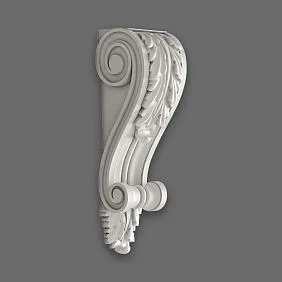

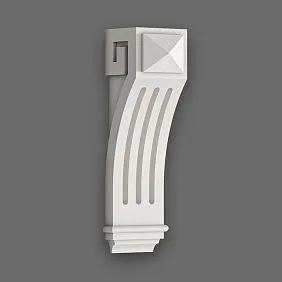
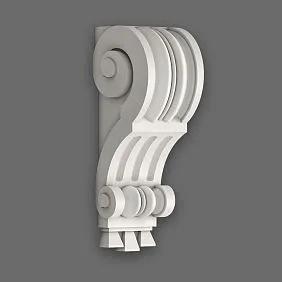
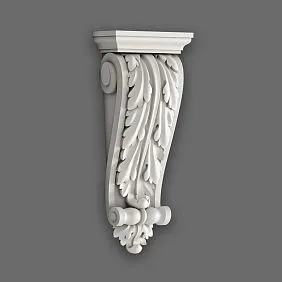
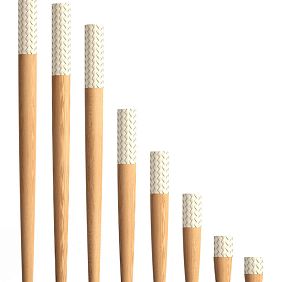
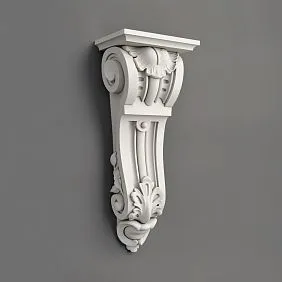
What is polyurethane and why choose it?
Polyurethane is a modern polymer developed specifically to solve the most complex tasks in design and construction. You will be amazed at how versatile this material can be. It is strong, lightweight, flexible, and resistant to external influences. Thanks to these qualities,polyurethane materials it is actively used today in creating molded decorations for interiors and facades.
But what distinguishes polyurethane from traditional materials such as plaster or wood? First, its weight. Polyurethane items are significantly lighter, simplifying their installation and reducing load on walls or ceilings. Second, its moisture resistance. If plaster deteriorates over time in damp conditions, polyurethane retains its properties even in bathrooms. Finally, polyurethane allows you to recreate any pattern or texture, making it a favorite among designers seeking the ideal blend of classic and modern technologies.




What types of molded decoration exist?
The assortment of polyurethane elements is vast. For example, you can choosePolyurethane panels to decorate walls or ceilings, as well aspolyurethane rosettes to accentuate lighting zones. Want to highlight ceiling beams? Usepolyurethane decorative beams. These elements allow you to achieve the effect of real wood while maintaining lightness and durability.
Our factory also produces:


Advantages of polyurethane materials
Why has polyurethane become a favorite among materials for creating molded decoration? This question interests many who are considering improving the interior of their home or office. The answer is simple:polyurethane materials they possess unique properties that make them practically universal. In this section, we will thoroughly examine the key advantages of polyurethane and explain why this material has become a true find for designers and finishing professionals.
Strength and durability
One of the main reasons for the popularity of polyurethane is its incredible strength. The material withstands significant loads, is resistant to mechanical damage, and does not crack. For example, such elements aspolyurethane false beamsmaintain their perfect appearance even years after installation. This is especially important for decorative details in high-traffic areas, where accidental impacts or scratches are inevitable.
But strength is only part of the story. Polyurethane items are practically immune to wear. They do not deform under the influence of time, humidity, or temperature. This means thatDecorative polyurethane molding on walls or ceilings will delight you with its beauty for decades. Compared to plaster, which often requires restoration, polyurethane demonstrates absolute reliability.
Easy Installation
If you have ever done any repairs, you know how important the weight of materials is. The lightness of polyurethane becomes a real lifesaver. For example,Moldings made of polyurethane and other elements can be installed independently, without complex tools or hiring specialists.
The installation process is so simple that even a beginner can handle it. You will need a minimal set of tools: a saw, a putty knife, and polyurethane adhesive. Many choose Polyurethane Items precisely for this ability to save on professional services. Moreover, the lightweight nature of the material reduces load on walls and ceilings, which is especially relevant in older homes where every kilogram matters.
Moisture Resistance
How often have you encountered decorative elements losing their appeal due to moisture? Humidity is the main enemy of plaster and wood, but polyurethane completely solves this problem.molded decoration made of polyurethane It is moisture-resistant and does not rot.
This opens up wide possibilities for its use in any rooms, including bathrooms, kitchens, and even saunas. You can installPolyurethane ceiling decoration in areas with high humidity without worrying about its preservation.
Ecological safety
Questions of ecology and safety always occupy an important place when selecting materials for renovation. In this regard, polyurethane materials meet the strictest standards. They do not emit toxic substances, making them completely safe for health. This is especially important for those planning to use them in children's rooms or bedrooms.
Moreover, polyurethane is easily recyclable and does not harm the environment. Choosing it is not only about beauty but also about caring for the planet.
Get Consultation
Types of molded decoration made of polyurethane
What decorative elements can you choose to decorate the interior or facade? The answer to this question depends on your style, goals, and overall concept of the space. The assortmentpolyurethane molding decoration is so wide that it covers literally all possible decorative zones — from walls and ceilings to furniture and facades. Let's examine popular types of elements and their applications in detail.
Polyurethane panels are used for decorating walls and ceilings. They help highlight accent areas and make the interior more expressive.
Polyurethane panels This is a universal solution for decorating walls and ceilings. They are large panels with relief patterns or smooth surfaces. They can be used as a standalone design element or combined with other decorative details.
Panels are ideal for zoning rooms. For example, you can highlight one wall by adding visual interest, or create a symmetrical arrangement for a classic interior. Panels are also often used for ceiling decoration: this solution adds extra volume and architectural complexity to the space.
In addition to visual appeal, panels serve a practical function: they protect walls from dirt and damage. This is especially relevant in high-traffic areas such as living rooms, hallways, and entryways.
Polyurethane Rosettes
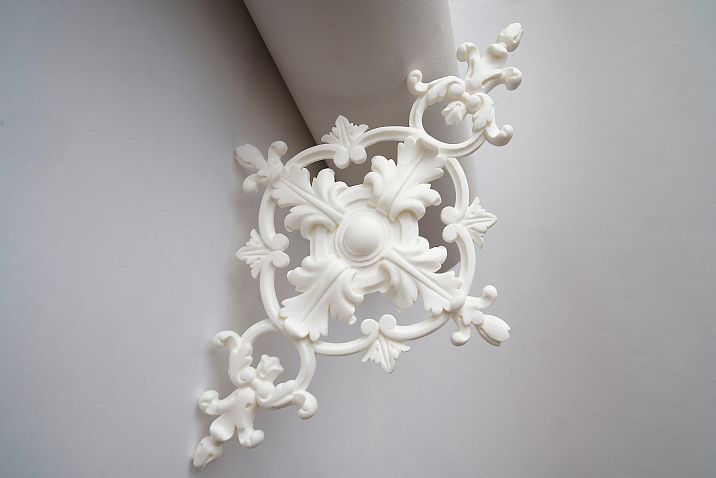
Ceiling decoration often featurespolyurethane rosettesThey are used to decorate the lighting zone, framing chandeliers and fixtures. Rosettes come in various shapes and sizes: from small round models to large compositions with intricate patterns.
For example,polyurethane ceiling roses for chandeliers can become a striking accent in the interior, adding elegance. Thanks to polyurethane’s resistance to aging and external factors, rosettes retain their original appearance for many years.
Moldings and Cornices
Moldings made of polyurethane Decorative moldings are used to decorate walls, ceilings, and doorways. They help divide space, create visual accents, or conceal joints between surfaces.
Crown moldings, in turn, are installed at the junction of the wall and ceiling. They add completeness and elegance to the interior. The advantage of polyurethane moldings and crown moldings lies in their lightness and ease of installation. You can combine different models to create a unique design that suits your taste.
Beams and false beams
If you want to add warmth and coziness to the interior, pay attention topolyurethane decorative beamsThey imitate natural wood, creating an atmosphere of rustic or chalet style.
Unlike real wooden beams, polyurethane analogs are lighter and easier to install. You can use them not only on the ceiling but also for decorating walls, columns, or openings.polyurethane false beams allow hiding wiring or ventilation pipes while maintaining the room’s aesthetic appearance.
Decorative appliqués
polyurethane decorative elements appliqués are small elements that add uniqueness and refinement to the interior. They can be used to decorate furniture, doors, windows, or fireplaces.
These elements often become the finishing touch that makes the interior truly harmonious. For example, appliqués on doorways or fireplace mantels add elements of classic European architecture to the room.
Application of polyurethane relief decoration in interior design
Polyurethane relief decoration opens practically unlimited possibilities for interior design. Its versatility allows decorative elements to be used in various areas of the home or office: from classic living rooms to modern kitchens and bathrooms. In this section, we will examine the main methods of application polyurethane molding decoration and explain how it helps create a harmonious and stylish space.
Ceiling Decor
Ceiling is often an underestimated part of the room, but it can become the central element of design. Withceiling decoration made of polyurethane you can add additional depth, elegance, and individuality to the space.
One of the most popular elements arepolyurethane ceiling roses for chandeliersThey not only decorate the fixture mounting point but also form an accent, drawing guests’ attention. Using several rosettes of different sizes, you can create unique compositions.
Another important element isMoldings made of polyurethaneThey are installed around the ceiling perimeter and serve to visually separate walls from the ceiling plane. Such details help make the room complete, adding classic elegance or modern minimalism.
Wall decoration
Walls are the main canvas for design experiments, and polyurethane relief decoration helps turn them into works of art. For example, Polyurethane panels are ideal for creating accent walls or zones with relief patterns.
Do you want to give walls volume and visual complexity? Use polyurethane wall moldings. These elements help divide the surface into segments, emphasize the room’s geometry, and create a sense of depth. They can be used in classic styles as well as in modern interiors, adding a touch of elegance.
Another popular approach — the use ofpolyurethane corners for decorThey decorate the junctions of moldings, making the overall design more harmonious.
Fireplace trim
The fireplace often becomes the heart of the room, especially in living rooms or offices. But to look impressive, it needs to be properly framed. Here, trim and moldings come to the rescue. polyurethane decorative elements trim and moldings.
With their help, you can create an elegant portal that highlights the classic interior style. Thanks to the flexibility of polyurethane, these elements can be used for fireplaces of any size and shape.
Furniture Decoration
Sometimes the interior lacks uniqueness, and it is precisely furniture decor that becomes the decisive touch.Polyurethane furniture decor are used to decorate cabinets, chests, tables, and even kitchen sets.
These elements help give furniture individuality, making it exclusive. For example, elegant appliqués on kitchen cabinet facades create a sense of handcrafted work and add a special atmosphere to the interior.
Polyurethane relief decor for exteriors: facade and building decoration
Polyurethane relief decor is used not only indoors but also for decorating building facades. The facade is the 'face' of the house, and properly chosen decorative elements allow you to give the building a unique style, highlighting its architectural expressiveness. In this section, we will thoroughly examine what typespolyurethane facade decoration exist and how they can be used for exterior finishing.
Why is polyurethane ideal for facade decoration?
The use of polyurethane outdoors is due to its outstanding properties. This material is characterized by high strength, resistance to temperature fluctuations and ultraviolet exposure. Unlike plaster, which may crack due to moisture or cold, polyurethane elements retain their shape and appearance for many years.
Moreover,facade decoration made of polyurethane It is easy to install. Its installation takes minimal time, and for mounting, adhesive or screws are sufficient. This allows significantly saving on finishing work.
Crown moldings and facade moldings
. They are used to decorate window and door openings, as well as to create decorative divisions on the facade.Moldings made of polyurethaneFor example, you can use moldings to accentuate the first floor of the building, separating it from upper levels. This is a classic technique that gives the facade harmony and clarity. In addition,
are used to decorate the roofline, completing the overall architectural image of the house.Polyurethane Crown Molding – are a universal solution for facade decoration. They are used to create relief compositions that add volume and visual complexity to the building.
Decorative panels
Polyurethane panels For example, panels can be used to decorate the foundation part of the house. This is not only aesthetically pleasing but also practical: panels protect the facade from mechanical damage and weather exposure.
For example, panels can be used to decorate the foundation part of a house. This is not only aesthetically pleasing but also practical: panels protect the facade from mechanical damage and weather exposure.
Window casings and window frames
For decorating window openings, polyurethaneelements such as casings and decorative appliqués. They help draw attention to windows, emphasizing their shape and size.In classical architecture, casings with rich ornamentation are especially popular. Thanks to polyurethane, such decorative elements can be used even on modern buildings, creating a harmonious blend of styles.
In classical architecture, ornate moldings are especially popular. Thanks to polyurethane, such decorative elements can be used even on modern buildings, creating a harmonious blend of styles.
If you want to give the facade monumentality and expressiveness, pay attention to
If you want to give the facade monumentality and expressiveness, pay attention topolyurethane columns and half-columns. They can be installed individually or as part of complex compositions.
Columns are often used to decorate the entrance area, creating an effect of grandeur and luxury. Half-columns can be placed along the facade, complementing the building's architectural lines.
Decorative facade overlays
Another interesting element — this isPolyurethane decorative appliques. They are used to decorate doors, gates, or chimney pipes. Thanks to the variety of shapes and sizes, you can select suitable overlays for any architectural style.
Installation nuances of polyurethane decorative molding
Installing polyurethane decorative molding is a process that may seem complex at first glance, but in reality does not require special professional skills. This material is specifically designed for easy and quick installation, making it an ideal choice for those who want to update their interior or facade on their own. In this section, we will thoroughly examine the installation stages, necessary tools, and tips from professionals to help achieve a flawless result.
Preparation for Installation
Success of any work begins with preparation. Before starting installation, it is important to plan the placement of elements and prepare the surface.
- Surface assessment.
Walls, ceilings, or facades where installation is planned must be clean, dry, and smooth. Any cracks or unevenness must be addressed. For this, spackle and primer are suitable. Especially important to treat the surface if you are installingfacade decoration made of polyurethane, as the facade is exposed to moisture and temperature fluctuations. - Selection of adhesive and tools.
For installation, it is recommended to use a special adhesive for polyurethane items. It ensures strong adhesion and durability. You will also need a hacksaw or construction knife for cutting, a level for precise alignment, and a trowel for applying adhesive. - Pre-marking.
Marking is a crucial stage. It allows you to precisely determine the location of elements, whether it bepolyurethane ceiling roses for chandeliers, polyurethane wall moldings or polyurethane decorative beams. Use a pencil and level to mark lines and mounting points.
Installation process
After completing preparation, you can proceed to the main stage — installation.
- Applying Adhesive.
Apply adhesive in a thin layer to the back of the element. Pay special attention to the edges to ensure secure attachment. For example, for of polyurethane moldings it is important that the adhesive covers not only the central part but also all edges. - Installation of the element.
Place the element against the marking and press firmly. Hold for several minutes to allow the adhesive to set. If installing polyurethane panels, ensure their edges align smoothly with each other, creating a unified surface. - Position correction.
While the adhesive has not yet hardened, you have the opportunity to adjust the position of the element. Use a level to ensure everything is installed evenly. - Removal of excess adhesive.
Excess glue protruding at the edges should be removed immediately using a damp cloth or sponge. If this is not done, dried glue will be difficult to remove and may damage the appearance of the decor. - Fixation and drying.
For large or complex elements, such as polyurethane false beams, temporary fixation using painter's tape or supports may be required. Leave the decor undisturbed for the time specified in the glue instructions.
Final touches
Once the decor elements are installed, the final touch remains — decorative finishing.
- Joint filling.
Joints between elements can be filled with acrylic putty. This will make the connections invisible and give the decor a cohesive appearance. - Painting.
Most polyurethane items are ready for installation, but you can paint them any color suitable for your interior. Use acrylic or water-based paints for interior use and specialized facade paints for exterior applications. - Cleaning and inspection.
After completing installation and finishing, remove painter's tape and check the strength of the attachment of each element. Address minor defects if necessary.
Pro Tips
● Don't rush. Quality installation requires time. It's better to work slowly but accurately.
● Work in comfortable conditions. The air temperature should be between +10 to +25 degrees, especially when dealing with facade decor.
● Use protective gear. Wear gloves when working with glue to protect your skin.
Caring for polyurethane moldings: how to preserve beauty for years
Polyurethane moldings are not only stylish interior or facade decoration, but also a durable solution. However, even such a strong material as polyurethane requires proper care to maintain its original appearance. In this section, we will detail how to care for decorative elements, extend their lifespan, and what to do in case of damage.
Interior decor care
Decor elements located indoors are exposed to dust, grease (in kitchens) and accidental dirt. To maintain their cleanliness, simply follow a few simple rules.
- Regular dry cleaning.
Dust is the main enemy of decorative elements. For example,Polyurethane Ceiling Moldings, such as cornices or rosettes, may gradually lose their brightness due to dust buildup. Use a soft dry cloth or a long-bristled brush for regular dust removal. - Gentle wet cleaning.
In case of stains or dirt, use a slightly damp cloth. Add a small amount of neutral detergent (without abrasives or aggressive chemicals) to the water. For complex elements, such aspolyurethane chandelier rosettes, cotton swabs or soft sponges will work well. - Avoid harsh tools.
Never use metal brushes, abrasive sponges, or harsh cleaning agents to clean polyurethane items. They may scratch the surface and damage the decorative finish. - Periodic repainting.
If decor elements have lost their luster or you wish to refresh the interior, polyurethane moldings can be repainted. For example, polyurethane wall moldings are easily repainted with acrylic paint. Before painting, it is important to clean the surface and remove any flaking old paint layer.
Facade decor care
Polyurethane facade decor elements are exposed to more aggressive environmental conditions: ultraviolet radiation, rain, wind, dirt. To maintain them in perfect condition, a special approach is required.
- UV Protection.
Polyurethane itself is resistant to sunlight, but paint or coating may fade. Use high-quality facade paints protected against UV rays to ensure elements retain their vibrant color. - Facade Cleaning.
To remove dirt and grime from polyurethane facade molding, use mild cleaning agents and water. Avoid high temperatures or strong water pressure to prevent damage to the paint. - Prevention of Mechanical Damage.
Facade elements such as decorative polyurethane moldings or cornices may be accidentally damaged during repairs or strong winds. In such cases, minor defects can be easily fixed with putty and repainting.
Repair and Restoration of Polyurethane Decor
Damage to molded decor is rare, but if it occurs, it can be easily corrected.
- Minor Cracks or Chips.
Use acrylic putty to fill cracks. Apply the compound, smooth it with a putty knife, and allow it to dry. Then sand the surface and apply a coat of paint to cover the repair area. - Replacement of Damaged Parts.
If an element is severely damaged, it is easier to replace it. For example, if a polyurethane ceiling rose is damaged, you can purchase a new part and install it in place of the old one. To do this, remove the old rose, sand the surface, and attach the new one using special adhesive. - Updating the Finish.
If decorative elements lose their color or gloss, they can be repainted. Use facade or interior paints appropriate for the conditions of use.
Professional Care Tips
● Regularity is important. Clean at least once a month to ensure decor retains its appeal.
● Use gentle products. Harsh chemicals or tools may damage the material.
● Check fasteners. For facade decor, it is important to monitor the strength of fasteners, especially after strong winds or rain.
Polyurethane Molded Decor: Selection and Stylistic Solutions
When it comes to interior or facade design, selecting decorative elements becomes a key step. How to choose appropriatePolyurethane Items? What styles and solutions will be suitable for your project? In this section, we will thoroughly discuss how to properly select polyurethane molded decor depending on the room’s style, functional requirements, and personal preferences.
How to Properly Choose Molded Decor
The selection of decorative elements depends on several factors:
- Room Size.
For small rooms, choose minimalistMoldings made of polyurethane or smallPolyurethane ceiling rosettes. They will add completeness to the interior without overwhelming the space. In spacious rooms, you can use large panels or decorative beams such aspolyurethane decorative beams, which will create a striking accent. - Functional Load.
If you want to zone the space, pay attention to Polyurethane panels or polyurethane wall moldings. They will help visually highlight certain zones, for example, dining or work areas. - Type of room.
For the living room, elegant polyurethane chandeliers and cornices are ideal. In the kitchen or bathroom, where moisture resistance is important, it is better to use panels or corner elements that are easy to clean and do not fear water. - Budget.
Polyurethane decorative molding offers options for any budget. For example, if you want to save money but achieve an impressive result, choose small details: polyurethane appliqués or inexpensive moldings.
Popular styles and solutions
Polyurethane decorative molding is versatile, allowing its use in various styles:
- Classic.
Classic style is characterized by elegance and symmetry. Suitable are polyurethane ceiling rosettes with intricate patterns, rich cornices and columns. Add a molding frieze to give walls additional depth. - Modern.
Here, emphasis is on smooth lines and original shapes. Use polyurethane panels with abstract relief, as well as smooth moldings. Modernism welcomes minimal detail, but each detail should be expressive. - Minimalism.
In minimalism, functionality is key. Polyurethane ceiling elements should be simple and concise. Small cornices and moldings will emphasize clean lines and make the interior more harmonious. - Loft.
Loft style is characterized by industrial motifs. Polyurethane faux beams with wood or concrete texture are ideal. They can be combined with brickwork or exposed pipes to create an urban space atmosphere. - Scandinavian style.
Light and cozy Scandinavian interiors are perfectly complemented by minimalist polyurethane wall moldings. White cornices and panels add a sense of airiness and lightness to the room.