Article Contents:
- Why molding is returning to interiors in 2026
- Walls as a canvas: possibilities of decorative molding
- Types of wall molding and their application
- How to choose a location for wall decor
- Ceiling molding: the sky above should be beautiful
- Chandelier as the Center of the Composition
- Multi-level compositions
- Materials of modern molding: why polyurethane leads
- Advantages of Polyurethane
- Alternatives to polyurethane
- Stylistic directions: from classic to modern
- Neoclassicism: balance of tradition and modernity
- Art Deco: Geometry and Luxury
- Minimalism with Accents
- Provence and country: rustic charm
- Loft: Industrial Aesthetics with Classical Notes
- Color solutions: not only white
- Tone on Tone
- Contrast highlighting
- Metallic effects
- Pastel Tones
- Installation: DIY or with professionals
- Surface Preparation
- Marking and Planning
- Adhesive Selection
- Cutting and fitting
- Painting
- Molding in various rooms
- Bedroom: Intimacy and Peace
- Bedroom: personal space
- Kitchen and dining room: functional beauty
- Bathroom: Unexpected Luxury
- Entryway and Corridor: First Impression
- Children's room: fairy tale and safety
- Combination with Other Interior Elements
- Moldings and wallpaper
- Moldings and Lighting
- Decor and furniture
- Textiles and molding
- Where to buy quality molding: selection criteria
- Material and manufacturing technology
- Variety of assortment
- Consultative Support
- Pricing Policy
- Delivery and returns
- 2026 trends: what's relevant now
- Asymmetry and dynamics
- Large Forms
- Ecological and natural properties
- Integration with technologies
- Multiculturalism
- Economics of beauty: how much does transformation cost
- Basic room design
- Premium design
- Economical option
- Mistakes to avoid
- Scale mismatch
- Stylistic chaos
- Over-decorating
- Low-quality installation
- Incorrect painting
- Care and Maintenance: Preserving Beauty
- Regular Cleaning
- Stain Removal
- Recoating
- Repair of damage
- Molding production: how it's done
- Creation of Master Model
- Mold making
- Polyurethane pouring
- Extraction and Finishing
- Custom Manufacturing: when standard doesn't fit
- Exclusive Ornaments
- Non-standard sizes
- Adaptation of Historical Samples
- Questions and Answers: FAQ on Molded Decor
- Can moldings be installed on a stretch ceiling?
- Can Moldings Withstand Temperature Fluctuations?
- Is Special Preparation Needed Before Installation?
- How to Calculate the Required Amount of Material?
- How Long Does Installation Take?
- Can Moldings Be Used in a Children's Room?
- How does molding affect room acoustics?
- What Adhesive to Use?
- Does Painted Molding Fade in the Sun?
- Can Moldings Be Installed in Humid Areas?
- Inspiration: Where to Find Ideas for Your Project
- Magazines and Interior Portals
- Social Networks
- Historical Interiors
- Exhibition Halls and Showrooms
- Your Own Intuition
- Conclusion: Create Your Dream Home with STAVROS

What space in a home can speak about the owner's taste without a single word? Walls and ceilings, decorated with elegance and a sense of style. In 2026, the world of interior design is experiencing a true renaissance of classical aesthetics, reinterpreted through the lens of modern technologies and materials. If you are thinking aboutwall molding for saleorbuy ceiling molding for chandeliers, this article will be your guide to the world of architectural decor, where every element gains meaning and emotional depth.
Accent zones are not just a fashionable trend. It is a philosophy of space where details create a symphony, and decorative elements turn an ordinary room into a work of art. Molded decor is now accessible to everyone who strives to go beyond standard solutions and make their home unique.



Why Moldings Are Returning to Interiors in 2026
In recent years, we have observed an amazing phenomenon: a return to meaningful decor. Minimalism, which dominated interior fashion for two decades, is giving way to a new wave of aesthetics where the expressiveness of every detail is important. People are tired of impersonal spaces. They want to feel their home, enjoy it, see beauty in everyday life.
When We Saya beautiful stucco ceiling, we are not talking about a museum reconstruction of Baroque palaces. Modern moldings are a flexible tool that allows creating both classical and avant-garde interiors. Polyurethane elements combine historical beauty with 21st-century practicality: they are lightweight, moisture-resistant, easy to install, and incredibly durable.
Accent zones help structure space without building additional walls. A living room becomes multifunctional when you use wall moldings to highlight a relaxation area, a library nook, or a home theater. A bedroom gains a romantic aura when a relief composition appears above the headboard. Andbuy decorative moldingsfor the ceiling means creating a visual center of attraction, especially when it comes to decorating a chandelier.




Walls as a Canvas: Possibilities of Molded Decor
Vertical surfaces in a room occupy the maximum area that a person sees. Walls form the first impression of a room, set the rhythm and mood. That is why the decisionto buy wall moldingbecomes strategically important for creating a cohesive interior.
Our factory also produces:


Types of Wall Moldings and Their Application
Overlay decorative elements open up limitless possibilities for creativity. Let's consider the main categories that are relevant in 2026:
Moldings and strips create geometric frames on walls, allowing you to break up a monotonous surface into panels. This technique visually raises ceilings and adds architectural depth. You canbuy moldingsof various widths and profiles, combine them into complex compositions, creating the effect of expensive historical finishing.
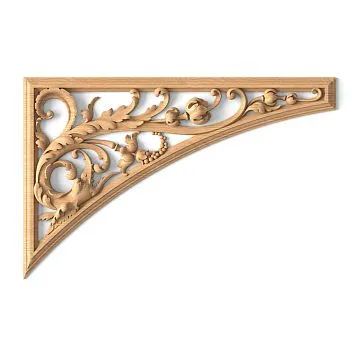
Decorative panels and overlays are independent artistic elements with floral or geometric ornaments. They are placed symmetrically on both sides of a fireplace, TV, mirror, or painting. Such details turn an ordinary wall into a gallery space where every element is thoughtful and significant.
Corner elements and rosettes are used to finish molding joints and create complete compositions. These small details add professionalism to the overall picture, showing that the interior is thought out to the smallest detail.
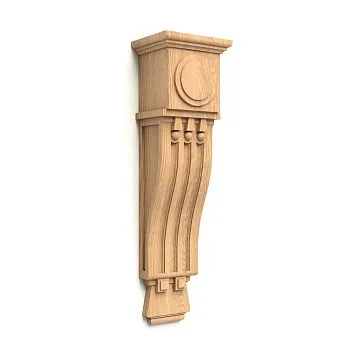
Pilasters and half-columns help to vertically zone space and create the illusion of architectural structures. They look especially impressive in spacious living rooms, halls, and dining rooms. When you decideBuy moldingof this type, you are essentially bringing elements of classical architecture into the interior.
Get Consultation
How to choose a place for wall decor
Not every wall needs decoration. Excess kills aesthetics just as surely as a complete lack of decor. Professional designers recommend highlighting one or two walls in a room as accent walls.
The wall behind the sofa or bed is a natural focal point. Symmetrical compositions of moldings framing paintings, photographs, or textiles are appropriate here. Beautiful wall molding creates the effect of a headboard without a physical structure, adding airiness and lightness.
The area around the fireplace or media zone requires special attention. Framing these functional centers with molded decor gives them solemnity and significance. Relief overlays emphasize the status of these places as the main ones in the room.
Corridors and hallways often remain unattended, although they form the first impression of the house. Vertical moldings here visually raise the ceiling, and horizontal panels create rhythm and structure.
Niches and protrusions turn into architectural virtues when emphasized with molded framing. What previously seemed like a planning flaw becomes the highlight of the interior.
Ceiling molding: the sky above should be beautiful
The ceiling is the most underrated surface in a room. Most people simply paint it white and forget about it. But as soon as you add volumetric decor, the room transforms, acquiring completeness and professional polish.
Chandelier as the center of the composition
The central light fixture in a room is not just a light source. It is a piece of jewelry for the interior, around which the entire ceiling composition is built. When you planbuy ceiling molding for chandeliers, you create a visual portal that attracts the eye and sets the scale for the entire space.
Ceiling rosettes are a classic solution for framing a chandelier. The diameter of the rosette is chosen depending on the size of the light fixture and the ceiling height. In a room with a ceiling of 2.7-3 meters, rosettes with a diameter of 40-60 cm are appropriate; in higher rooms, elements up to 80-100 cm can be used. The rosette not only decorates the mounting point but also visually enlarges the chandelier, making it more significant.
Coffered ceilings are created using intersecting beams and moldings. Such a structure adds volume and architectural complexity. Spot lighting can be placed in the resulting sectors, or the surface can be painted in a contrasting color.Buy ceiling moldingfor creating coffers is an investment in the long-term beauty of the interior.
Ceiling cornices and baseboards create a smooth transition between the wall and ceiling, visually increasing the height of the room. An LED strip can be hidden behind a wide cornice, creating a floating ceiling effect. This solution is especially popular in modern interiors where classic decor is combined with innovative lighting technologies.
Multi-level compositions
In 2026, combining various elements on the ceiling is gaining popularity. The central rosette is complemented by corner overlays; decorative strips radiate from it to the corners of the room, creating a radiant composition. A wide cornice with a relief ornament runs along the perimeter. Such layering turns the ceiling into a celestial vault, reminiscent of the palace interiors of the past.
It is important to remember proportions. In small rooms (up to 15-20 sq.m), excessive decor on the ceiling will create a feeling of pressure. Here it is better to limit yourself to an elegant rosette and a laconic cornice. In spacious living rooms, halls, and dining rooms, you can afford large-scale compositions.
Materials of modern molding: why polyurethane leads
When it comes topolyurethane moldings buy, many wonder: how is this material better than traditional plaster? The answer lies in a unique combination of characteristics.
Advantages of polyurethane
Lightness is a critical property for ceiling decor. Plaster elements weigh 5-10 times more than polyurethane counterparts, require complex reinforced fastening and professional installation. Polyurethane can be installed independently with special adhesive without additional structures.
Moisture resistance allows the use of decor in bathrooms, kitchens, pools, saunas—anywhere where plaster would inevitably deteriorate from moisture. Polyurethane molding does not absorb water, does not deform, and does not lose its appearance.
Impact resistance makes the material ideal for homes with children, pets, or an active lifestyle. Accidentally damaged plaster molding will chip and require restoration. Polyurethane is flexible and withstands mechanical impacts.
Durability is measured in decades without loss of original properties. The material does not yellow, crack, or crumble. This is a long-term investment in the beauty of your home.
Ease of painting opens up endless possibilities for creativity. Acrylic, latex, and water-based paints adhere perfectly to the polyurethane surface. You can create a patina effect, gilding, silvering, or imitate marble or wood.
Alternatives to polyurethane
Plaster molding remains in demand in historical reconstruction projects where authenticity is important. Plaster has a noble matte texture and conveys fine details of ornament well. However, its fragility, heavy weight, and high cost limit its use in modern interiors.
Polystyrene (foam) is the most budget-friendly option. Lightweight, easy to cut and install, but looks cheap and has limited detailing. Suitable for temporary solutions or projects with minimal budget.
Polymer concrete and glass fiber reinforced concrete are used primarily for facade molding. These materials withstand extreme temperatures, ultraviolet radiation, and mechanical loads. For interiors, they are excessively strong and unjustifiably expensive.
When you decidePolyurethane moldings buyfor your project, you choose the optimal balance of price, quality, appearance, and practicality.
Stylistic Directions: From Classic to Modern
Molding is versatile. It can be adapted to any interior style, from Baroque opulence to Scandinavian restraint. The key is to correctly select the shape, scale, and method of painting the elements.
Neoclassicism: balance of tradition and modernity
The most sought-after style of 2026. It uses symmetrical compositions, clear geometric shapes, and restrained ornaments. Wall moldings create rectangular or square panels painted in soft pastel tones. The ceiling rosette has a laconic design without excessive detailing.designer moldingsin a neoclassical interior — it's elegance without pretentiousness.
Art Deco: geometry and luxury
The luxury style of the 1920s is returning with renewed vigor. Zigzag moldings, sunburst rosettes, and fan-shaped overlays are appropriate here. The color palette is contrasting: black with gold, emerald with bronze, blue with silver. When you want toBeautiful moldingsemphasize the status of the interior, Art Deco is the perfect choice.
Minimalism with accents
Even in strict minimalism, there is a place for molded decor. But here, maximally simple forms are used: straight moldings without ornament, round rosettes with concentric circles, angular overlays. Painting to match the wall color creates an effect of relief, not a separate element. This is a subtle play of light and shadow, adding depth to a monochrome space.
Provence and Country: Rustic Charm
For interiors in the style of French or English provincial, plant ornaments, grapevines, and floral garlands are characteristic. The molding here is painted in warm creamy, milky, beige tones, sometimes artificially aged with patina. Such decor creates an atmosphere of a cozy country house, filled with warmth and hospitality.
Loft: Industrial aesthetics with classical notes
It would seem that loft and molding are incompatible. But modern designers prove otherwise. In the brick walls and concrete ceilings of an industrial space, molded decor creates a contrast of eras. Wide cornices and ceiling rosettes are painted in graphite, anthracite, or left white against dark surfaces. This technique adds historicity and depth to the room.
Color Solutions: Not Only White
The stereotype that molding must be exclusively white is hopelessly outdated. In 2026, decorative elements are actively painted in various shades, becoming full participants in the color symphony of the interior.
Tone-on-tone
Painting the molding to match the color of the walls or ceiling creates an effect of bas-relief, a play of shadows. This solution does not visually reduce the space but adds volume and texture to it. It is an elegant technique for small rooms where contrasting decor would overload the interior.
Contrast Highlighting
Dark walls with white molding or vice versa — a classic that will never go out of style. The contrast emphasizes the architectural complexity of the decor, making it the main hero of the interior. Gold or silver molding on deep blue, green, or burgundy walls looks especially impressive.
Metallic effects
Gilding, patination, and bronze shades turn molding into jewelry. Such techniques require care and taste — an excess of gold looks vulgar. But properly dosed gilding of individual elements creates a luxurious, yet not overloaded interior.
Pastel shades
Soft pink, blue, mint, and lavender tones create a romantic atmosphere. This is an ideal solution for bedrooms, children's rooms, and boudoirs. Pastel molding seems to dissolve in the air, creating lightness and airiness.
Installation: DIY or with Professionals
One of the main advantages of polyurethane molding is the possibility of self-installation. No special skills, expensive equipment, or a team of craftsmen are needed. A basic set of tools and care — that's all that is required.
Surface preparation
Walls and ceilings must be clean, dry, and relatively even. Serious defects should be eliminated in advance, but perfect smoothness is not necessary — molding partially hides minor imperfections. The surface is primed for better adhesive adhesion.
Marking and Planning
Before starting installation, it is important to mark lines on the walls and ceiling for the placement of elements. Symmetry is critical for classical compositions — even a slight shift will be noticeable to the eye. Use a level, plumb line, laser level for precise marking.
Adhesive selection
Specialized adhesive compounds for polyurethane provide instant setting and durable bonding. Universal construction adhesive or liquid nails will also work, but the fixing time will be longer. The adhesive is applied in a zigzag pattern to the back of the element, after which the part is pressed against the surface for 30-60 seconds.
Cutting and fitting
Polyurethane is easily cut with a hacksaw for metal, a jigsaw, or a miter saw. A miter box is used to create neat corner joints of moldings. Joints are filled with acrylic sealant, sanded with fine sandpaper after drying.
Painting
After installation and joint sealing, you can proceed to painting. Acrylic or latex paint is applied in two coats with a roller or brush. For complex multi-color effects, it is better to involve a professional decorator.
If the scale of the project is large, or you don't have the time and desire to do the installation yourself, turning to specialists is justified. A professional team will complete the work quickly, neatly, with a quality guarantee.
Molding in Various Rooms
The versatility of the decor allows it to be used in any rooms of the house, from the formal living room to the bathroom. Let's consider the specifics of application in different rooms.
Living room: the heart of the home
The main room of the house deserves the most spectacular design. Large-scale compositions on the ceiling, fireplace framing, and wall zoning with moldings are appropriate here. If the living room has high ceilings (from 3.5 meters), use wide cornices (15-20 cm), large rosettes (70-100 cm in diameter), and voluminous overlays. In rooms of standard height, choose more elegant elements to avoid a cramped feeling.
Bedroom: Personal Space
Here, the atmosphere of calm and privacy is important. The emphasis is on the headboard of the bed — a symmetrical composition of moldings creates a visual headboard without massive furniture. A ceiling rosette above the bed with soft lighting creates a romantic aura. A laconic cornice around the perimeter with hidden lighting visually raises the ceiling, making the room more spacious.
Kitchen and dining room: functional beauty
Polyurethane molding is ideal for the kitchen due to its moisture resistance and ease of care. Framing the hood with decorative elements turns a functional item into an architectural dominant. The ceiling cornice hides the transition to the stretch ceiling. In the dining area, a rosette above the dining table with a beautiful chandelier creates a festive atmosphere for family meals.
Bathroom: Unexpected luxury
Few people think about molding in the bathroom, but this is a mistake. Moisture-resistant polyurethane feels perfectly at home in a humid environment. Framing a mirror with decorative overlays, a ceiling rosette above the bathtub, a cornice around the perimeter—these details transform a utilitarian space into a personal spa.
Hallway and corridor: first impression
Narrow spaces are visually expanded with horizontal moldings. Vertical elements raise the ceiling. Framing doors and mirrors creates architectural integrity. Despite the transitional nature of the space, it deserves attention—after all, it's here that the first impression of the home is formed.
Children's room: fairy tale and safety
Lightweight polyurethane is safe for children's rooms. It contains no harmful substances, does not crumble, and does not create sharp edges if damaged. Molding decor can be used to create a fairy-tale atmosphere: clouds on the ceiling, frames for children's artwork on the walls, framing functional zones.
Combination with other interior elements
Molding does not exist in isolation. It should harmonize with furniture, textiles, lighting, and color schemes. Let's consider successful combinations.
Moldings and wallpaper
A classic technique is framing wallpaper panels with moldings. Expensive designer wallpapers become even more valuable when framed like paintings. You can use contrasting wallpaper inside the frames and neutral ones outside, creating accent panels.
Moldings and lighting
Hidden lighting behind cornices creates a floating ceiling effect. Spotlights in rosettes and overlays turn decor into a functional element. Directed light on relief molding creates a dramatic play of shadows.
Decor and furniture
The style of the molding should echo the furniture. Classic carved cabinet fronts harmonize with ornamental molding. Laconic modern furniture requires simple geometric decor forms. A dissonance of styles destroys the integrity of the interior.
Textiles and molding
Heavy curtains with valances enhance the effect of a classic interior with rich molding. Light curtains in a minimalist space require restrained decor. Window textile design and decorative wall elements are a single ensemble.
Where to buy quality molding: selection criteria
The market for decorative elements is vast. How to choose a reliable supplier and quality products?
Material and manufacturing technology
Quality polyurethane molding has a uniform structure without bubbles, cavities, or drips. The surface is smooth or with clear relief, without blurred details. The edges of the elements are even, without chips or burrs. Such products are manufactured on high-precision European equipment with adherence to technology.
Variety of assortment
A good supplier offers hundreds of items: cornices of various widths and profiles, rosettes from 20 to 100 cm in diameter, moldings of different styles, overlay elements, corner details, pilasters. This allows creating a cohesive composition from elements of one collection, harmonizing in style.
Consultative support
A professional seller will help calculate the required amount of material, select matching elements, and provide recommendations for installation and painting. Having a showroom where you can see the products in person and assess their size and detailing is a big plus.
Pricing policy
Quality molding cannot be cheap—production on European equipment, quality raw materials, and precise detailing have their price. Suspiciously low prices often mean the use of recycled materials, simplified technology, and low detail. Saving on material will lead to disappointment with the result.
Delivery and return
Convenient logistics are important—molding is bulky and requires careful transportation. The possibility of delivery, the presence of protective packaging, flexible return conditions in case of defects or calculation errors are signs of a customer-oriented company.
When you decidebuy stucco in an online store, pay attention to these criteria. The quality of the decor determines the impression of the entire interior—saving here is inappropriate.
Trends for 2026: what's relevant now
The world of design is constantly evolving. What trends are setting the tone for accent zone design in the coming year?
Asymmetry and dynamics
The strict symmetry of classical interiors is giving way to freer compositions. Moldings on walls create not a regular grid, but dynamic panels offset relative to each other. This adds modernity to a classic technique.
Large forms
Minimalist aesthetics require large, expressive elements. Instead of many small details—one powerful accent. A wide cornice, a huge rosette, a large-scale overlay create an impression without overloading the space.
Ecological and natural
Even synthetic polyurethane should look natural. Imitations of wood, stone, and aged plaster are popular. Painting in natural shades—terracotta, sandy, olive, graphite—instead of bright artificial colors.
Integration with technologies
Molding conceals smart home speakers, sensors, and surveillance cameras. Projectors, screens, and audio systems are hidden behind decorative elements. Beauty and functionality merge into a single whole.
Multiculturalism
Mixing styles from different eras and cultures creates unique eclectic interiors. Antique rosettes coexist with Moroccan ornaments, Baroque overlays—with Japanese minimalism. The main thing is a sense of proportion and professional execution.
The economics of beauty: how much does transformation cost
The cost of the project depends on the scale, complexity of the composition, and quality of materials. Let's consider approximate calculations.
Basic room decoration
Living room 20 sq.m with 3 m ceilings. Ceiling cornice around the perimeter (14 m × 800 rub/m) = 11,200 rub. Ceiling rosette with a diameter of 60 cm — 3,500 rub. Wall moldings to create 6 panels (40 m × 500 rub/m) = 20,000 rub. Corner elements — 5,000 rub. Adhesive and consumables — 3,000 rub. Total materials: about 43,000 rub. Work of craftsmen (if not doing it yourself): 25-30 thousand rub. Total cost: 65-75 thousand rubles.
Premium decoration
The same room, but with a more complex composition. Wide carved cornice (14 m × 2,500 rub/m) = 35,000 rub. Large exclusive ceiling rosette — 15,000 rub. Overlay decorative elements — 30,000 rub. Pilasters — 40,000 rub. Corner details, consoles — 20,000 rub. Materials: 140,000 rub. Work considering complexity: 60-80 thousand rub. Total cost: 200-220 thousand rubles.
Economical option
Using simple elements and self-installation, you can fit within 15-20 thousand per room. But the result will be more modest — a basic cornice, a small rosette, a few moldings.
Investing in stucco decoration is justified. Unlike wallpaper or paint, which require renewal every 5-7 years, quality stucco lasts for decades. It does not go out of fashion, does not lose relevance, and increases property value.
First mistake - unstructured mixing. A classic chair, loft table, Scandinavian chest, and minimalist cabinet in one room is not eclecticism, but visual chaos. Each item draws attention to itself, not creating cohesion. A system, logic, unifying idea is needed. Choose one dominant style, add a second as an addition, and possibly a third as an accent. But no more than three, and all should have something in common - color, material, era, or functionality.
Even the highest quality materials will not save the project if conceptual mistakes are made.
Mismatch in scale
Miniature stucco in a huge room looks stunted and lost. Massive elements in a small room are oppressive and visually reduce the space. Always correlate the size of the decor with the dimensions of the room.
Stylistic chaos
Baroque rosettes in a loft, minimalist moldings in a classic interior, mixing incompatible patterns create a sense of bad taste. Choose a single stylistic direction and follow it.
Excessive decoration
The desire to decorate every centimeter leads to overload. Space needs pauses, clean surfaces that give the eye a rest. Stucco should be an accent, not a background.
Low-quality installation
Crooked joints, gaps, uneven lines ruin the impression even of expensive stucco. If you are not confident in your abilities, it is better to entrust the work to professionals.
Incorrect painting
Cheap paint yellows, peels, and does not convey texture. Sloppy application creates drips and runs. Painting is the final chord, requiring the same attention as installation.
Care and maintenance: preserving beauty
Polyurethane stucco is low-maintenance, but basic care will prolong its impeccable appearance.
Regular cleaning
Dust is removed with a dry soft cloth or a slightly damp sponge. For relief elements, it is convenient to use a soft brush or a vacuum cleaner with a brush attachment. Cleaning frequency — once every 1-2 months.
Stain removal
Most stains are removed with a damp cloth and a mild soapy solution. Greasy stains (in the kitchen) — with dishwashing liquid. Aggressive chemicals, abrasives, solvents are prohibited — they can damage the surface.
Recoating
If the paint has faded over time or you want to change the color, the stucco can be repainted. The surface is lightly sanded for better adhesion, dusted, and coated with a new layer of paint. The procedure takes a couple of hours and completely refreshes the interior.
Repair of damage
An accidentally detached element is re-glued. Small chips (rare for polyurethane) are filled with acrylic putty, sanded, and touched up. Serious damage requires replacement of the element.
Stucco production: how it's done
Understanding the technology helps assess the quality of products and make the right choice.
Creating a master model
A sculptor manually creates the original of the future product from plasticine, clay, or wood. Every detail of the ornament is worked out, proportions are checked. This is a creative process requiring artistic talent and technical understanding.
Making a mold
A silicone or polyurethane mold is taken from the master model. It must perfectly reproduce all the details of the original and be strong enough for repeated use. A quality mold is the key to clear detailing of finished products.
Pouring polyurethane
Two-component polyurethane is mixed in precise proportions and poured into the mold. The material expands, filling the smallest recesses, then hardens. Polymerization time depends on the size of the product — from a few minutes to an hour.
Extraction and Finishing
The finished product is extracted from the mold and inspected for defects. Sprue gates, irregularities, and flash are removed. The surface is primed to facilitate subsequent painting. The product is marked and packaged.
When you see perfect detailing of an element, know that behind it lies a multi-stage process with control at every step.custom molding productionrequires a combination of artistic skill and industrial precision.
Custom manufacturing: when standard doesn't fit
Standard catalogs offer hundreds of items, but sometimes you need something unique that reflects your individuality.
Exclusive Ornaments
It is possible to create decor based on your sketches. A family crest, monogram, author's pattern, historical reconstruction — a sculptor will bring any idea to life in the material. Such elements turn a house into a truly personal space.
Non-standard sizes
A room with unusual geometry requires the production of moldings or cornices of special length, rosettes of non-standard diameter. Custom production solves this problem.
Adaptation of Historical Samples
Restoration of old buildings requires precise reproduction of lost elements. Based on surviving fragments or archival photographs, the original stucco is recreated.
Custom manufacturing is more expensive than buying ready-made products. The cost depends on complexity and size, starting from 30-50 thousand per element. But the result is worth it — your interior becomes one of a kind.
Questions and Answers: FAQ on Stucco Decor
Can molding be installed on a stretch ceiling?
Yes, but with limitations. Light cornices and rosettes are attached to the wall and base ceiling before installing the stretch fabric. For large elements, embedded platforms are mounted. It is not allowed to glue directly to the stretch fabric — the adhesive will damage it.
Will stucco withstand temperature fluctuations?
High-quality polyurethane retains its properties in the range from -40 to +80°C. It does not crack in frost and does not melt when heated. This makes it suitable for unheated dachas, saunas, rooms above fireplaces.
Is special preparation needed before installation?
It is advisable to keep the stucco in the room for 24 hours to adapt to temperature and humidity. Check the completeness and integrity of the elements. Lay out the parts in the order of installation. Prepare tools and adhesive.
How to calculate the required amount of material?
For cornices and moldings: measure the length of all sections, add 10% for trimming and reserve. For rosettes: one for each chandelier or group of lights. For overlay elements: create a sketch of the composition, count the number of parts. If in doubt, consult the seller — it's better to buy with a small surplus.
How long does installation take?
A 20 sq.m. room with basic decoration (cornice, rosette, several moldings) — 1 day of independent work or 4-6 hours of work for two craftsmen. Complex multi-element compositions — 2-3 days. Painting adds another day, considering drying time.
Can stucco be used in a children's room?
Absolutely safe. Polyurethane does not emit harmful substances, is hypoallergenic, and odorless. Secure fixation prevents elements from falling. Soft edges are not a safety hazard.
How does stucco affect room acoustics?
The textured surface scatters sound waves, slightly improving acoustics. The effect is minimal but noticeable in rooms for listening to music, home theaters. For serious sound insulation, specialized solutions are needed.
Which adhesive to use?
Specialized compounds for polyurethane stucco are recommended (e.g., based on MS polymers). An alternative is 'liquid nails' for heavy structures, construction adhesive on an acrylic base. It is important that the adhesive does not contain solvents that destroy polyurethane.
Does painted molding fade in the sun?
High-quality acrylic and latex paints are lightfast and practically do not fade. Cheap compositions may yellow or fade over time. For rooms with active sunlight, choose paints with UV protection.
Can stucco be installed in damp rooms?
Polyurethane is completely moisture-resistant, suitable for bathrooms, saunas, swimming pools. It is important to use moisture-resistant paint and adhesive. In rooms with direct contact with water (showers), it is better to limit decor to areas outside the splash zone.
Inspiration: Where to Look for Ideas for Your Project
Magazines and Interior Portals
Professional publications publish projects by leading designers. Study not only the final picture but also the description of the solutions — why these particular elements were chosen, how they work in the composition.
Social networks
Pinterest, Instagram, Houzz — inexhaustible sources of ideas. Create collections of liked interiors, analyze common features, form your own vision.
Historic interiors
Visiting museums, palaces, and historical buildings provides an understanding of classical canons. You see how stucco work functioned in its original context, what proportions were used.
Exhibition halls and showrooms
Firsthand acquaintance with samples helps assess scale, detailing, and tactile qualities. Consultants will advise on how to adapt solutions to your conditions.
Personal intuition
Trust your sense of beauty. If an element evokes a response, an emotion—it is yours. Do not chase trends at the expense of personal preferences. Your home should reflect your personality.
Conclusion: create your dream home with STAVROS
Solutionwall molding for saleorbuy ceiling molding for chandeliers— is not just the purchase of decorative elements. It is an investment in emotional comfort, aesthetic pleasure, and increased property value. In 2026, when we spend more time at home than ever before, our surroundings should inspire, support, and delight.
Accent zones created with stucco decor transform a standard apartment into an authorial project.buy decorative moldingstoday is significantly easier than in the times of our ancestors, when such luxury was available only to the aristocracy. Modern production technologies, quality materials, and a wide range make classical beauty achievable for everyone.
The company STAVROS offers a full range of solutions for creating unique interiors. From basic cornices to exclusive decorative compositions, from simple rosettes to complex architectural ensembles—here you will find a solution for any project and budget. High-quality European production, attention to detail, professional consulting support—STAVROS makes the process of creating your dream home simple and enjoyable.
Do not postpone the transformation of your space. Every day spent in a beautiful, well-thought-out interior is a day filled with inspiration and harmony. Choose quality, choose beauty, choose STAVROS—and may your home become a place you want to return to again and again.