Article Contents:
- 1. History and traditions of making wooden coffee tables
- 2. Design and styles of coffee tables: classic, baroque and modern trends
- Classic style and its elegance
- Baroque effect: opulence and luxury
- Modern trends: minimalism and designer solutions
- Selection and preparation of raw materials
- Modern Processing Technologies
- Handcrafted work and unique details
- Finishing and decorative treatment
- Conclusion on the technological process
- Defining goals and functional requirements
- Selection criteria and key parameters
- Where to buy and how to place an order
- Practical recommendations
- Basic principles of caring for wood
- Care specifics for items with different finishes
- Impact of external factors on longevity
- Tips for regular maintenance
- Practical recommendations for owners
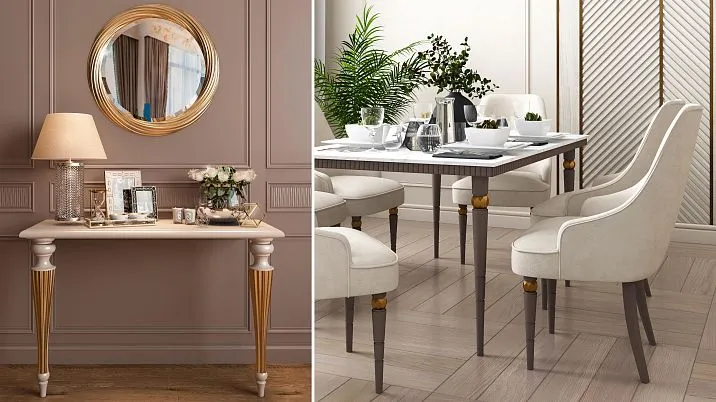
Wooden coffee tables are not just furniture, but true works of art, combining traditional craftsmanship, modern technologies, and impeccable taste. They can become the centerpiece of any living room, adding elegance, warmth, and individuality to the interior. In this article, we will thoroughly explore the topic of "beautiful wooden coffee tables." We will examine the history of creating such items, their design and styles, modern manufacturing technologies, practical aspects of selection and purchase, care for furniture, and finally, trends in interior design using designer coffee tables. Each section of the article thoroughly explores the topic and contains no less than 700 words, so you can gain a full understanding of the world of wooden coffee tables.


1. History and traditions of making wooden coffee tables
The history of wooden furniture goes back to ancient times. From ancient times, wood was considered a material possessing not only practical but also aesthetic qualities. In ancient crafts, artisans used wood to create a wide variety of household items, and coffee tables were no exception. Even in ancient cultures, wooden tables served as the center of family gatherings, where important news was discussed and decisions were made over a cup of tea or coffee. Such a table was a symbol of home comfort and stability.
Artisans of those times possessed phenomenal skill: they created wooden items that can still be called works of art. Carving, inlay, and hand-planing – all these techniques were used to decorate interior items. Each coffee table was unique, reflecting cultural traditions and local characteristics of wood processing. It is precisely in these traditions that modern trends in creatingwooden coffee tables.
In the Middle Ages, when furniture had already begun to take on a more utilitarian form, coffee tables retained their decorative function. In the Renaissance and Baroque periods, when style and luxury played a key role, wooden items were adorned with exquisite carving, stucco, and decorative elements. It was precisely then that expressions such asclassic table andbaroque tableCraftsmen created coffee tables that became the center of interior design, reflecting the status and taste of their owners.
Over time, wood processing technologies improved, but the fundamental principles remained unchanged. Natural wood has always been valued for its strength, unique texture, and ability to conduct heat. This is whywooden tablemade from solid natural wood remains popular among connoisseurs of quality furniture. Masters, using both traditional methods (carving, planing, sanding) and modern technologies (laser cutting, computer modeling), create coffee tables capable of satisfying even the most discerning taste.
the historical path of wooden coffee tables is closely intertwined with the development of culture and art. Each stage of development—from simple, utilitarian constructions to complex decorative pieces—reflects changes in social and aesthetic preferences. In the era of classicism, furniture was characterized by strict lines, harmony of proportions, and restrained ornamentation. Thus, thecoffee table in classic styleremains a symbol of refined elegance.
modern wooden coffee table is a synthesis of age-old traditions and contemporary design solutions. It can be crafted assolid wood tablewhere every detail is meticulously refined. The history of these items teaches us to value natural materials and respect the craftsmanship of our ancestors, which continues to find expression in modern furniture collections.
hold a special place in history are coffee tables crafted for royal interiors. In European castles and palaces, furniture was created with great attention to detail. Carved legs, inlaid elements, and rich ornamentation made tables not only functional but true works of art. Thus, the coffee table became the center of the living room, around which families gathered, cultural events and celebrations took place. These traditions influence modern perceptions of living room furniture, whereoak coffee table orliving room tables are perceived as symbols of quality, durability, and refined taste.
the history of wooden coffee tables is also the history of material processing technologies. With the advent of the first mechanized lathes, a new stage began in furniture production. However, despite technological progress, there remains a love for handcrafting, which allows creating truly unique items. Artisans, using traditional techniques, continue to amaze us with their ability to bring wood to life, giving it a unique aesthetic. This is why today one canbuy a coffee tablethat combines high-quality craftsmanship and unique design.
the historical aspect is important not only for understanding traditions but also for shaping modern design trends. Modern wooden coffee tables are the result of interaction between age-old traditions and contemporary technologies. They can be strictly classical or extravagant, experimental in form. Each item reflects a connection to the past, making it not merely furniture but a true cultural heritage. Therefore, anyone who chooseswooden tableacquires not only a functional interior element but also a part of history.
This history, filled with traditions and craftsmanship, continues to live in modern products. In an era when consumers increasingly seek eco-friendliness and naturalness, wooden coffee tables are returning to fashion. Modern buyers value uniqueness, durability, and aesthetic appeal of natural materials, making the choice of such items obvious for many. In this context, search queries such as "buy a coffee table», «solid wood coffee table" and "wooden coffee table" are finding increasing resonance among those who value quality and traditions.
Thus, studying the history of wooden coffee tables allows not only to appreciate the craftsmanship of past eras but also to understand why these items remain in demand today. Their traditional execution, rich with decorative elements, carving, and inlay, as well as the use of natural materials, makes them truly unique. These items are bridges between the past and the present, where every line and pattern carries a fragment of centuries-old experience and love for natural beauty.




2. Design and styles of coffee tables: classic, baroque, and modern trends
The design of wooden coffee tables encompasses a wide range of styles, from strict classicism to lavish baroque and minimalist modern solutions. Each style has its own characteristics, requirements for form, materials, and decorative elements. In this section, we will examine the diversity of designs, their impact on interior design, as well as trends defining the modern furniture market.
Our factory also produces:


Classic style and its elegance
Classic style is synonymous with refinement, harmony, and symmetry. Coffee tables executed in the classic style often feature traditional motifs, carving, and inlay. Such items are crafted from high-quality natural wood, and one of the most popular options isclassic table. Masters pay special attention to details: every line, every curve is carefully considered to ensure the item not only performs its function effectively but also becomes the center of the interior.
A coffee table in a classic style often has a rectangular or oval shape, with decorative framing and carved elements that emphasize its status and elegance. Such tables can be eithera coffee table in oak, where the warm wood tone and natural texture create an atmosphere of home comfort, or items with more decorative finishes. Often, the expression "coffee table in classic style" is used, implying a combination of functionality and aesthetics.
In a classic interior, coffee tables serve as the compositional center around which the overall style of the room is formed. This can be either a family living room or an elegant lounge. However, the key point is not only the shape of the table but also its functional characteristics. For example,a coffee table that also serves as a dining table can combine the functions of a dining table and a coffee table — such a versatile design is in demand in spaces with limited area. Moreover, classic items are often accompanied by refinedcoffee tables with tabletops, crafted using traditional processing methods, ensuring their durability.
The aesthetics of classic style are always associated with nobility and stability, and this is reflected not only in decorative elements but also in color palettes. Thus,a white coffee table can be used to create a bright, airy interior, whereas items made from dark wood, for example,a black coffee table, impart a sense of depth and formality to the space. These solutions allow designers to play with contrasts, creating harmonious and stylish interiors.
Get Consultation
Baroque Effect: Opulence and Luxury
In this context, the terms "baroque table" and "living room tables" refer to items crafted with maximum attention to decorative details.
The baroque style allows creating coffee tables that become the focal point in any interior. Such tables often have complex construction, where every detail — from legs to tabletop — is adorned with intricate patterns. For example,a wenge coffee table stands out for its rich color and textured surface, making it an ideal choice for interiors where luxury and grandeur are valued. In such items, the craftsmanship of the carver plays a key role, as every line and swirl must be executed with absolute precision.
Color variety in the baroque style allows experimenting with shades. For example,a coffee table in color can be made in vivid, saturated tones or more subdued pastel shades. This enables designers to create unique interiors that differ not only in aesthetics but also in functionality. Moreover, many modern manufacturers offer customization options — you canbuy a coffee-dining table with individual decorative elements, making each item truly unique.
Modern Trends: Minimalism and Design Solutions
In recent years, there has been a trend toward minimalism in furniture design, focusing on clean lines and functionality. Modern wooden coffee tables can be made in the form ofa round coffee table or rectangular, with no unnecessary decorative elements. This approach allows creating a light, uncluttered interior, where each item performs its primary function, and the design remains concise and modern.
However, minimalism does not exclude the use of natural wood, which imparts warmth and natural aesthetics to the item.wooden coffee table In modern execution, it can combine simple forms with high-quality finishing, making it an ideal choice for contemporary living rooms. Such tables may have various finishes: from matte to glossy, allowing you to select an item to match any interior.
designers experiment with shapes and materials, creatingdesigner coffee tablethat combines traditional elements with innovative solutions. For example, you may encounter models where natural wood combines with glass or metal, creating an effect of lightness and airiness. Such solutions allow you to create an interior where every detail contributes to a unified harmonious image.
In addition to classic options, modern trends include bright experimental solutions. Thus,a white coffee table – an item in a light color palette, can become a central accent in a minimalist interior, and its clean lines and simplicity emphasize the modern aesthetic of the space. Similarly,a black coffee table looks stylish and modern, while its strict forms create an impression of solidity and reliability.
Important is also the practical aspect of design. For example, when choosinga coffee table that also serves as a dining table it is important to consider its functional capabilities – such furniture can be used not only for placing drinks and snacks, but also for informal meals in a small living room. Moreover,coffee tables for the living room are becoming increasingly popular due to their versatility: they can be combined with various interior styles, whether classic, baroque, minimalism, or eclectic.
In the modern world, the design of coffee tables is always a compromise between traditional values and innovative approaches. Each item is the result of creative exploration, where it is important not only to meet aesthetic standards, but also to ensure usability, practicality, and durability. This is why such requests as "buy a coffee table», «solid wood coffee table" and "coffee tables photo» find resonance with those who wish to see a harmonious combination of functionality and beauty in every interior item.
Thus, the design of wooden coffee tables is a multifaceted field in which traditional motifs and modern trends unite to create items capable of satisfying the most diverse aesthetic preferences. Each style has its unique characteristics, whether the elegance of classicism, the opulence of baroque, or the minimalism of modernism. In the next section, we will examine the manufacturing technologies of these items, their structural features, and practical aspects that make them truly unique.
3. Manufacturing Technologies: From Solid Wood Tables to Designer Solutions
Manufacturing wooden coffee tables is a process requiring high craftsmanship, precision, and attention to detail. Today, thanks to modern technologies, it is possible not only to create high-quality items but also to realize the most daring designer ideas. In this section, we will examine the manufacturing technologies of coffee tables in detail, starting from raw material processing to final finishing.
Raw Material Selection and Preparation
The foundation of any quality item is natural wood. The market offers many options, but special attention is given to materials such assolid wood table. Masters choose wood with high strength, beautiful texture, and rich color. For creating classic items, oak, walnut, beech, or mahogany are often used. Each species has its unique characteristics that affect the appearance and longevity of the finished item.
Raw material preparation includes stages of planing, drying, and sanding. Initial planing ensures uniformity of the blank, while prolonged drying prevents deformation of the item in the future. Sanding is an important stage that allows removing all irregularities and preparing the surface for subsequent finishing. These processes ensure thatwooden table will have a flawless surface and natural luster.
Modern Processing Technologies
With the development of modern technologies in furniture manufacturing, methods have emerged that allow achieving high precision and quality of items. Laser cutting, computer modeling, and milling are just some of the technologies used to create complex decorative elements on coffee tables. These technologies allow not only to accurately reproduce traditional motifs but also to implement innovative design solutions.
For example, when manufacturingclassic table orbaroque table laser cutting is used to create intricate patterns, which are then manually refined to perfection. This allows artisans to create unique coffee tables that have no analogs. Computer modeling technologies help visualize the final result even before production begins, allowing to avoid errors and optimize the structure.
Milling also plays an important role in creating decorative details. With its help, you can carve complex patterns, give the item individuality, and highlight the natural beauty of the wood. Modern machines allow achieving high precision in processing, which is especially important when creatingsolid wood coffee table. These technologies ensure the durability, strength, and aesthetic appeal of the finished item.
Handcrafted Work and Unique Details
Despite the widespread use of modern technologies, manual work remains indispensable in the production of exclusive furniture. Thanks to the manual labor of craftsmen, each coffee table acquires a unique character. Carving, inlay, polishing – all these stages require a high level of skill. Manual processing allows creating coffee table in classic stylewhich is distinguished by its elegance and rich decorative finish.
Special attention is paid to the manufacture of legs, frame, and tabletop. Each detail must be made with maximum precision and harmoniously fit into the overall structure. During production, both traditional joining methods (dovetail joints, glued joints) and modern fasteners are used, ensuring the product's reliability and longevity. To create a unique design, some models may include combined elements – for example,buy a coffee table with glass or metal elements, which adds a modern look to the item.
Finishing and decorative treatment
The final stage of production – finishing the item – plays a decisive role in creating an attractive coffee table. Finishing includes applying protective and decorative coatings such as varnishes, oils, or waxes. These materials not only protect the wood from external factors but also highlight its natural texture and color. Special technologies may also be used to achieve effects such as 'antique' or, conversely, ultra-modern gloss.
For example, items made in the styleclassic table, may have a patina finish, giving them an antique appearance. Meanwhile, modern coffee tables may have a glossy finish that reflects the purity of lines and minimalism of form. Such solutions are suitable for those who wantbuy a coffee table a modern design but still appreciate traditional materials.
Finishing may also include decorative elements such as stone, metal, or even semi-precious material inlays. This allows creatingdesigner coffee tablewhich will not only be a functional piece of furniture but a true jewel of the interior. Carefully thought-out design guarantees that the item will retain its beauty for many years and become a source of pride for its owner.
Conclusion on the technological process
Thus, the technologies for manufacturing wooden coffee tables represent a complex and multifaceted process, combining traditional craftsmanship methods with modern technological innovations. From raw material selection to final finishing – each stage plays an important role in creating an item that not only pleases the eye but also serves for many years. Thanks to such an approach, one canbuy a coffee table made of oak or any other variant, whethera round coffee table orcoffee tablewith confidence in its quality, durability, and aesthetic appeal.
4. Practical aspects: how to choose and buy a wooden coffee table
When choosing a wooden coffee table, it is important to consider not only aesthetic preferences but also practical aspects of use, functionality, and compatibility with the interior. In this section, we will discuss in detail what to pay attention to when purchasing, which criteria to choose, and also examine the features of various models – from classic to modern, from heavy to lightweight designer solutions.
Defining goals and functional requirements
The first step in choosingcoffee table . Also, there may be options such asa coffee table that also serves as a dining table, which combine the functions of a coffee table and a dining table.buy a coffee-dining tablewhich combine the functions of a coffee table and a dining table.
Equally important is defining the location where the table will be placed. If your living room has compact dimensions, you may prefer models with smaller dimensions ora round coffee tablewhich visually expand the space. At the same time, for spacious interiors, heavy items with striking tabletops and original legs may be suitable. Such models are often made of natural wood, and requests such assolid wood coffee tableconfirm their popularity among quality enthusiasts.
Criteria for selection and key parameters
When choosing a coffee table, it is important to consider several key parameters:
- Material of manufacture. It is advisable to prefer natural wood, which has high strength, eco-friendliness, and a unique texture. Models such aswooden coffee table – the best choice for those who value naturalness.
- Style and design. Determine in which style your interior is designed. If it is in classic style, pay attention to items such asclassic table orcoffee table in classic style. Those who love luxury and opulence can choose models in baroque style –baroque table.
- Functional characteristics. Pay attention to the dimensions, height, and shape of the tabletop. Such parameters ascoffee table height, play an important role in convenience of use. Determine whether you need an additional shelf or drawers for storing accessories.
- Color and finish. The color palette of the item should harmonize with the overall interior. For example,a white coffee table can perfectly fit into a light minimalist interior, while a black coffee table – will emphasize the strictness and elegance of classic interiors. You may also encounter models with original finishes, for example,a wenge coffee table, which differ in color saturation and depth.
- Details of construction. Important are the quality of joints, edge treatment of the tabletop, stability of legs, and overall harmony of elements. Masters pay special attention to details, so requests such as "living room tables" and "coffee tables for the living room" indicate a high level of requirements for the item.
Where to buy and how to place an order
will help find many options where you can select an item to meet your requirements.buy a coffee tableWhen purchasing, it is important to pay attention to the seller's reputation, presence of warranties, and possibility of individual ordering. If you want
When purchasing, it is important to pay attention to the seller's reputation, warranty availability, and the possibility of custom orders. If you wantbuy a coffee-dining tablewhich combines the functions of a coffee table and a dining table, be sure to clarify all technical specifications, dimensions, and delivery conditions. Also, do not forget to review other customers' reviews – this will help you make an informed decision.
Practical recommendations
- Measure the room. Before making a final choice, measure the space where the table will be placed. This will help determine the optimal size and height of the item. Such parameters ascoffee table height, especially important for comfort during use.
- Determine the purpose. Decide what function the table should serve – will it be a purely decorative element, a reading surface, or a multifunctional item for dining.
- . For modern interiors, models with minimalist design are ideal.classic table orcoffee table in classic styleChoose a reliable manufacturer. Pay attention to the quality of manufacturing, materials, and reviews from other customers. This will help avoid purchasing a low-quality item.
- Thus, choosing and purchasing a wooden coffee table is a process requiring attention to details, understanding of your needs, and consideration of interior specifics. Taking into account all the above criteria, you will be able
which will delight you with its design, quality, and durability.buy a coffee tablethat will delight you with its design, quality, and durability.
5. Care, Maintenance, and Longevity: Preserving the Beauty of Wooden Coffee Tables
Wooden coffee tables are an investment in comfort and aesthetic appeal of the interior. To preserve their original appearance, durability, and functionality, it is necessary to follow certain rules of care and maintenance. In this section, we will consider basic recommendations for caring for wooden tables, specifics of servicing different types of finishes, and methods of protection against external influences.
Basic principles of wood care
Natural wood requires careful handling. First, it is necessary to regularly remove dust from the surface of the item using a soft, dry cloth. This is especially important forcoffee tablewhere any small particle can become a cause of scratches or scuffs. It is also recommended to use special furniture care products that do not contain aggressive chemical components.
Secondly, it is important to periodically treat the surface with natural oils or waxes. This helps protect the wood from drying out, cracking, and color changes. For items made with lacquer, it is recommended to follow the manufacturer's intervals to timely renew the protective coating. Such measures will help preserve the natural texture and gloss, makingwooden coffee table attractive for many years.
Care specifics for items with different finishes
Different types of finishes require individual approaches. If your table has a matte finish, it may be more sensitive to mechanical damage, so it requires especially careful handling. Glossy finishes, on the contrary, require regular polishing to avoid streaks and fingerprints. For items such assolid wood coffee tablemade from a single piece of wood, care is especially important, as the natural wood structure may be exposed to environmental influences.
If we are talking about tables with decorative elements, for example,a wenge coffee tablecare should be taken when cleaning carved details and inlays. It is recommended to use soft cleaning agents that will not damage decorative elements.
Influence of external factors on longevity
External factors significantly affect the longevity of wooden items — temperature fluctuations, humidity, direct sunlight, and even dust. To protecta coffee table that also serves as a dining tableit is necessary to ensure a stable microclimate in the room. Sudden changes in temperature or humidity may lead to wood deformation, cracking, and other defects. Therefore, it is recommended to avoid placing furniture under direct sunlight and near sources of high humidity.
Modern technologies allow using protective coatings that create a barrier between the wood and the surrounding environment. This is especially relevant for items intended for active use, for example,coffee tables for the living roomwhere furniture is exposed to frequent changes in conditions.
Practical tips for regular maintenance
To ensure the longevity of coffee tables, the following activities should be performed regularly:
- Cleaning. Use soft cloths and specialized wood cleaning agents. Avoid abrasive materials that may scratch the surface.
- Treatment with oils and waxes. It is recommended to periodically treat the item with natural products — this will help preserve the natural wood texture and protect it from drying out.
- Checking the condition of joints. Regularly check fastening elements, especially in items with movable parts or complex construction, to prevent them from loosening.
- Monitoring environmental conditions. Try to maintain a constant level of humidity and temperature in the room. This is especially important for items made ofwooden tableas natural wood is sensitive to changes in conditions.
Practical recommendations for owners
For those who decided tobuy a coffee tableIt is not only important to choose the item correctly, but also to ensure its proper care. Here are some practical tips:
● Regularly vacuum and wipe the surface. This will help avoid dust accumulation, which over time may