Article Contents:
- Advantages of a wooden staircase
- Natural beauty and uniqueness
- Strength and reliability of the structure
- Ecological Safety
- Assembly and fitting
- Selection of wood and materials
- Processing and manufacturing technologies
- Classic style
- Modern minimalism
- Original design and non-standard solutions
- Selection of manufacturer and materials
- Maintenance and care
- Regular Cleaning
- Updating protective coating
- Prevention of damage
- Repair and restoration
- Family home with classic interior
- Modern apartment in minimalist style
- Original project with innovative elements
- Sustainable development and eco-design
- Innovative materials and technologies
- Custom Projects and Personalization
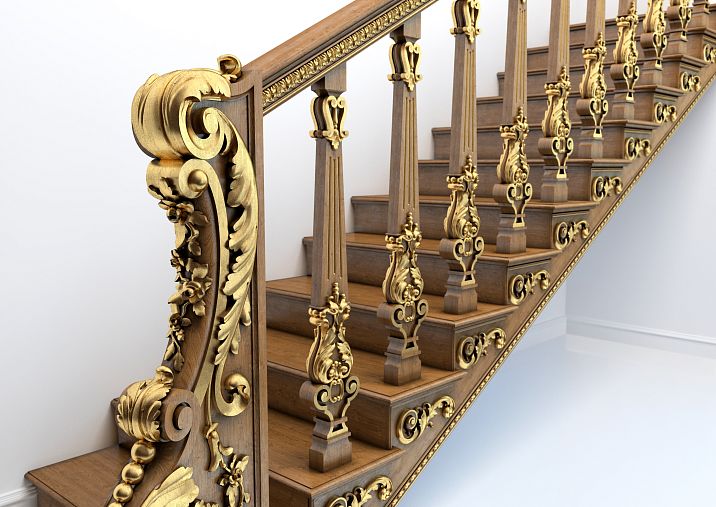
A wooden staircase is not just a means of moving between floors, but a true architectural element capable of transforming any interior. Especially relevant is the staircase leading to the second floor, where every detail plays an important role: from the strength of the structure to the elegance of the finish. In this article, we will consider why a beautiful wooden staircase becomes a central element of a modern home, how to properly choose and design such an item, as well as what to pay attention to when selecting components and elements for staircases. For more detailed information, we recommend reviewing the proposals on the websiteStaircase Components and Elements.


Advantages of a wooden staircase
Wood is a material possessing unique qualities. It is used not only for its natural beauty, but also for its durability, eco-friendliness, and the ability to create exclusive design.




Natural beauty and uniqueness
One of the main advantages of a wooden staircase is its aesthetics. Each board, each wood grain carries a unique story of nature, making every staircase unique.
● Natural shades: Natural wood tones allow the staircase to harmoniously blend into any interior, from classic to modern.
● Unique pattern: Natural textures and grain patterns make the staircase an exclusive work of art, with no detail that can be replicated.
● Design possibilities: The ability to combine different types of wood and decorative elements allows creating items that reflect the owner's individual style.
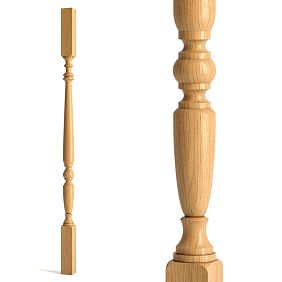
Our factory also produces:



Strength and reliability of the structure
A beautiful wooden staircase is not only a decorative element, but also an important support of the house.
● High durability: Quality wood can withstand significant loads, which is especially important for a staircase leading to the second floor.
● Longevity: With proper care and timely renewal of protective coatings, a wooden staircase can serve for decades, retaining its original appeal.
● Ease of repair: In case of damage, minor defects can be easily fixed with sanding and reprocessing, which is an advantage of natural materials.
Get Consultation
Ecological and safety
In today's world, ecological issues are taking center stage, and natural wood meets all safety requirements:
● Hypoallergenic material: Wood does not emit toxic substances and does not cause allergic reactions, which is especially important for family homes.
● Ecologically clean product: Using natural wood contributes to preserving the environment and supporting sustainable development.
● Natural finishes: Using eco-friendly oils and waxes not only highlights the natural beauty of wood but also provides protection against adverse effects.
Technologies and stages of creating a wooden staircase
Creating a beautiful wooden staircase is a process requiring attention to every detail. From selecting the material to installing the final element — everything matters.
Design and planning
Before production begins, it is necessary to carefully develop a staircase project.
● Space analysis: It is important to consider the house layout, ceiling height, and available space for installing the staircase.
● Style selection: The staircase can be made in a classic, modern, or custom style. Each solution should harmoniously fit into the overall interior.
● Ergonomics: The design must consider ease of use — correct step height, landing width, and presence of handrails ensure comfortable and safe movement between floors.
Choosing wood and materials
The quality of the wood used directly affects the longevity and appearance of the staircase.
● Wood species: For staircase construction, oak, beech, ash, and other species are often used, each with its own characteristics.
● Finishes and coatings: Natural wood can be further treated with eco-friendly oils, varnishes, and waxes, which not only enhance its beauty but also protect against moisture and mechanical damage.
● Staircase components: When selecting structural elements, it is important to pay attention toStaircase Components and Elementswhich guarantee high quality and longevity of the finished product.
Processing and production technologies
Modern technologies allow creating staircases that combine traditional craftsmanship with innovative processing methods.
● High-precision machines: Computer modeling and modern machines ensure ideal geometry and precision in wood processing, which is especially important for staircases with intricate curves and decorative elements.
● Handcrafting: Despite automation in production, the involvement of master craftsmen with years of experience guarantees an individual approach and uniqueness for each staircase.
● Innovative materials: Using new lacquers and protective coatings allows achieving maximum protection of wood from external influences while preserving its original appearance for many years.
Design solutions for a wooden staircase to the second floor
Classic style
In a classic interior, a wooden staircase serves not only as a functional element but also as an important decorative accent.
● Carved elements: Traditional carving and decorative inserts highlight the historical significance of the item, giving it a unique charm and individuality.
● Warm tones: Using oak or beech with rich texture creates a feeling of home comfort and traditional elegance.
● Compatibility with antique furniture: A classic wooden staircase naturally fits into interiors where antique furniture and decorative elements are present.
Modern minimalism
Modern minimalism requires simple forms and clean lines, where each detail performs its function without excess.
● Simplicity of forms: A staircase made in a strict minimalist style emphasizes the purity of lines and geometric structure.
● Neutral shades: Light or natural wood tones create a sense of spaciousness and harmony.
● Hidden fasteners: Modern technologies allow the fasteners to be invisible, enhancing the impression of lightness and airiness of the structure.
Original design and non-standard solutions
For those who strive for exclusivity, a custom-designed staircase can become a true work of art.
● Individual projects: Each element of the staircase is developed according to the client's preferences, allowing to create a unique item reflecting their style and character.
● Combination of materials: The possibility of combining wood with metal, glass, or stone opens up boundless opportunities for creativity and experimentation.
● Innovative shapes: Non-standard curves, asymmetrical structures, and original decorative elements make the staircase the focal point in any interior.
Practical tips for choosing and maintaining a wooden staircase
Choosing the manufacturer and materials
Purchasing a quality wooden staircase is an important step that requires careful attention.
● Manufacturer's reputation: Pay attention to reviews, warranties, and portfolios of completed projects. A reliable manufacturer is always ready to provide full information about the quality of materials and manufacturing technologies.
● Wood quality: Choose wood that has undergone appropriate treatment and has a uniform structure. This ensures not only aesthetic appeal but also the longevity of the product.
● Components: Do not forget aboutStaircase Components and ElementsThey play an important role in forming the overall structure and its reliability.
Care and maintenance
To ensure a wooden staircase retains its beauty and functionality for many years, it is necessary to follow several simple care rules:
Regular cleaning
● Use mild cleaning agents and non-abrasive cloths to remove dust and dirt.
● Avoid aggressive chemicals that can damage the protective coating.
Updating the protective coating
● Periodically renew the layer of oil or wax to maintain the gloss and protect the wood from moisture and sunlight.
● Regular treatment extends the lifespan of the staircase and maintains its original appearance.
Preventing damage
● Avoid mechanical damage – try not to place heavy objects directly on the staircase.
● Monitor the humidity level in the room to avoid deformation of the wood.
Repair and restoration
Over time, even a high-quality staircase may require updating.
● Minor scratches and scuffs can be easily removed by sanding and reapplying protective coating.
● In case of serious damage, it is recommended to consult professionals capable of restoring the structure while preserving the original design.
Successful project examples
Family home with classic interior
In one of the projects, a family home received a new life thanks to a beautiful wooden staircase leading to the second floor. The craftsmen used oak with an expressive texture, and traditional carved elements emphasized the historical value of the item. This approach not only enhanced the aesthetic impact of the interior but also created a warm, homey atmosphere in which every detail tells its own story.
Modern apartment in minimalist style
A wooden staircase made of ash is installed in the modern apartment, where light tones and minimalist lines dominate. Its minimalist design, clean lines, and absence of unnecessary decorative elements perfectly fit the overall space concept. Thanks to the use of modern manufacturing technologies, the stereotype of a heavy staircase was dispelled — the product turned out to be lightweight, yet strong and reliable.
Author's project with elements of innovation
For one of the clients, a unique wooden staircase project was developed, where traditional craftsmanship combined with original design. The masters experimented with form, combined wood with metal and glass elements, creating not only a functional structure but also a true art object. This approach allowed the owner to highlight their individuality and create a unique space that will inspire every day.
The future of wooden staircases: trends and prospects
Sustainable development and eco-design
Modern trends in construction and interior design increasingly focus on eco-friendliness and sustainable development. Natural wood, as the primary material for staircases, meets these requirements.
● Eco-technologies: The latest wood processing methods allow minimizing waste and using materials sourced responsibly.
● Eco-friendly design: Interiors with wooden elements contribute to creating a healthy and harmonious atmosphere.
Innovative materials and technologies
The development of technologies opens new opportunities for creating wooden staircases with improved characteristics.
● New coatings and protective compositions allow significantly increasing the service life of products while maintaining their aesthetic appeal.
● Integration with other materials allows creating hybrid structures that combine the best qualities of natural wood, metal, and glass.
Individual projects and customization
Modern consumers increasingly prefer unique solutions that match their personal style.
● Ordering according to an individual project is becoming increasingly popular — the ability to create a staircase fully meeting the client's wishes turns it into a work of art.
● Design flexibility allows integrating the staircase into any interior, whether a spacious country house or a compact city apartment.
Conclusion
Beautiful wooden staircase to the second floor — it is not just a means of moving between floors, but a true symbol of home coziness, eco-friendliness, and high craftsmanship. It can transform the interior, bring warmth of natural wood into it, and become a central element of the architectural solution. From the choice of wood species to the details of finishing — every component matters and affects the final perception of the product.
Modern technologies allow creating staircases that combine tradition and innovation, meeting the highest requirements for design and functionality. At the same time, an important aspect is the correct choice of components, which can be found on the websiteStaircase Components and Elements. Such products guarantee the reliability and durability of the structure, allowing you to enjoy the beauty and practicality of the staircase for many years.
If you aim for your home to reflect your individual taste, and every interior detail is thought out to the smallest detail, a beautiful wooden staircase will be an undeniable argument in favor of choosing natural materials. This is not only an investment in durability and comfort, but also an opportunity to create a unique space where every step tells its own story.
May your new staircase be not just a structure, but a true work of art, capable of inspiring you and your loved ones every day. For it is in such details that the soul of the home, its individuality, and style are revealed.
This article was created to help you understand the nuances of choosing and installing a beautiful wooden staircase to the second floor. We hope the presented recommendations and examples will inspire you to create a unique interior reflecting high quality standards, eco-friendliness, and refined taste.