Article Contents:
- Introduction
- Features of attic stairs
- Technical and structural features
- Aesthetic requirements
- Staircase posts
- Staircase balusters
- Staircase handrails
- Handrails
- Materials and their properties
- Sizes and proportions
- Design and stylistic compatibility
- Installation of narrow stair structures
- Regular maintenance and safety precautions
- Modern materials and technologies
- Personalization and custom orders
- Step 1. Project analysis and requirement definition
- Step 2. Budgeting
- Step 3. Searching and comparing offers
- Step 4. Consulting with experts
- Step 5. Testing and quality assessment
- Step 6. Installation and subsequent maintenance
- Example 1. Classic attic staircase
- Example 2. Modern narrow attic staircase
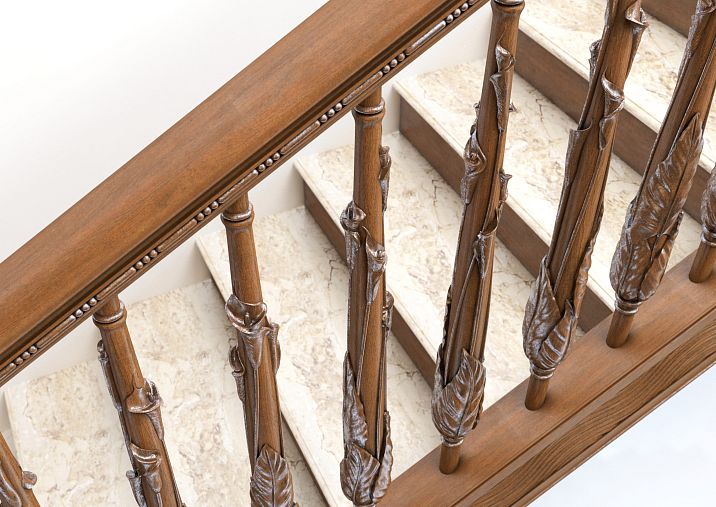
An attic staircase is not just a means of ascending to the second floor, but a true challenge for design and engineering. In conditions of limited space, narrow and compact structures require a special approach to selecting components. In this article, we will thoroughly examine modern solutions for attic staircase components, discuss their features, and provide practical recommendations for selection, installation, and maintenance. We will explore which elements will help make the staircase not only beautiful but also reliable, and how to properly combine details to create a harmonious and functional space.
To view the product range, visit the websitePosts for staircase.


Introduction
In conditions of limited space, attic staircases become a special design object. Such structures are often characterized by narrow dimensions, requiring the most efficient use of every centimeter. At the same time, safety, strength, and aesthetics remain key requirements. Components for attic staircases are a full spectrum of elements, from support posts to decorative handrails, which together create not only a functional but also a stylish structure.
In this article, we offer a practical guide for those who want to understand the nuances of selecting components for narrow and compact attic staircases. We will examine key product categories, provide recommendations for material selection, discuss installation technology, and share expert experience. Our goal is to help you create a reliable, safe, and aesthetically appealing staircase that will become an integral part of your home.




Features of attic stairs
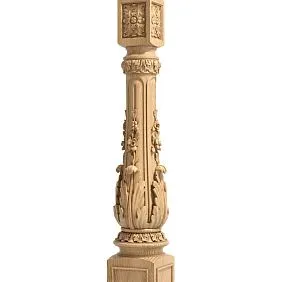
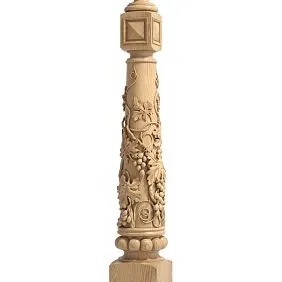
Our factory also produces:



Technical and structural features
Attic staircases are typically designed with limited space and narrow openings in mind. The main features of such structures are:
● Compactness and space-saving. Each detail must be maximally functional to avoid cluttering the room.
● Narrow dimensions. Attic staircases often have limited width, requiring the use of specialized components that ensure strength within minimal dimensions.
● Structural flexibility. To adapt to the characteristics of the attic space, staircases may have curved shapes or include attic lifts, which affects component selection and installation.
Get Consultation
Aesthetic requirements
In addition to technical nuances, attic staircases must match the overall interior style. This is especially important for traditional wooden structures, where each detail should highlight the natural beauty of the material. The aesthetics of components are determined by:
● Design and finish. Items can be made in classic, modern, or mixed styles, allowing them to match any interior.
● Color palette. Natural tones of wood, metal, or composites should harmonize with the overall room color scheme.
● Decorative elements. Carving, inlay, decorative finishes — all of these allow adding individuality to the structure.
Main components for attic stairs
Components for attic stair railings include several key groups of elements. Let's examine each in detail.
Staircase posts
Posts for staircase These are supporting elements that ensure the strength and stability of the entire staircase structure. In attic staircases, posts are often used to create compact and reliable supports capable of withstanding significant loads even in limited spaces.
When selecting posts for an attic staircase, consider:
● Material. Natural wood provides warmth and coziness, while metal or composite items offer a modern look and high strength.
● Dimensions. Posts must be proportionate to the narrow space, not occupying unnecessary room, yet remain a reliable support.
● Finishing. Quality treatment and decorative finishing protect posts from external influences and enhance their appearance.
Staircase balusters
balusters for staircases These are elements that play an important role both in ensuring safety and in the aesthetic design of the railing. Balusters serve to allow users to hold onto them while ascending or descending, and they also create a decorative accent in the structure.
Key parameters for selecting balusters:
● Design. In traditional constructions, balusters often feature carved patterns and decorative finishes, adding historical depth to the interior.
● Material. Balusters can be made of wood, metal, or their combinations, allowing for an optimal balance between aesthetics and strength.
● Size and proportions. Balusters for narrow staircases should be compact but not lose their functionality or visual expressiveness.
Staircase handrails
stair railings These are indispensable elements ensuring comfort and safety when using the staircase. Especially important is that handrails on attic staircases be comfortable, as narrow constructions require optimal ergonomics.
When choosing handrails, pay attention to:
● Ergonomics. Handrails must be easy to grip and positioned at the optimal height.
● Materials and finishing. Natural wood, metal, or composites — the choice depends on the overall style and functional requirements.
● Design. Handrails must harmonize with other railing elements, complementing the overall staircase style.
Handrail caps
Newel posts complete the railing composition, giving details a finished look and protecting the edges of posts and balusters from mechanical damage. Newel posts can serve both decorative and functional roles, making the railing more aesthetically pleasing and durable.
Key aspects for selecting newel posts:
● Shape and design. Newel posts must match the overall staircase style, whether classic or modern.
● Material. Newel posts are typically made from the same material as the main railing elements, ensuring harmonious integration.
● Protective properties. They must effectively prevent damage and provide additional structural stability.
Criteria for selecting components for narrow and compact constructions
Attic staircases are often located in limited spaces, so selecting components requires special attention to dimensions, strength, and design.
Materials and their properties
When choosing materials for components, consider the following factors:
● Strength and durability. Materials must withstand significant loads and be resistant to wear. For example, properly treated natural wood can last for decades, while metal ensures maximum longevity.
● Ecological properties. Particularly relevant for residential spaces — natural materials contribute to creating a favorable microclimate.
● Appearance. The material must harmonize with the interior. In traditional constructions, natural wood is more commonly used, while for modern designs, metal or wood-imitating composites are preferred.
Dimensions and proportions
For narrow staircases, space optimization is crucial:
● Compactness. All elements must be designed so as not to clutter the space, while retaining their functionality.
● Proportionality. Posts, balusters, and handrails must be selected in size so as not to visually disrupt the harmony of the structure.
● Exact dimensions. When designing, it is important to adhere to the dimensions specified in the project documentation to ensure proper load distribution and structural stability.
Design and stylistic compatibility
Aesthetics play at least as important a role as technical characteristics:
● Style consistency. All components must be executed in a unified style matching the overall interior. This may be classic with carved elements, modern with minimalist lines, or a mixed style.
● Decorative elements. Carving, inlay, or use of decorative finishes can significantly enhance the appearance of the staircase and highlight its uniqueness.
● Color palette. The choice of shades should match the overall color scheme of the room, creating a harmonious visual impression.
Recommendations for installation and maintenance of components
Installation of narrow staircase structures
Correct installation is the guarantee of safety and longevity of the railing. When installing components for a loft staircase, the following points should be considered:
● Foundation preparation. The foundation must be flat, strong, and capable of withstanding mechanical loads. This is especially important in narrow spaces.
● Precise marking. Before securing elements, carefully mark the installation locations to ensure proper load distribution and avoid misalignment.
● Use of quality fasteners. Use only certified anchors and other fasteners that meet technical requirements. This ensures the structure will be reliable and safe.
● Checking verticality and horizontality. Use a construction level and other measuring tools to verify the correct installation of each element.
Regular maintenance and safety precautions
To ensure stair railings retain their original appearance and performance characteristics, regular maintenance must include:
● Cleaning from dust and dirt. Especially important for wooden elements, which may lose their beauty with accumulated dust.
● Updating protective coatings. Regular application of varnish, oil, or antiseptic protects materials from moisture and wear.
● Checking fasteners. Periodically inspect connections for loosening or damage and perform repairs promptly.
● Preventive maintenance. Do not postpone addressing minor defects — timely intervention will help avoid serious problems in the future.
Innovative solutions and modern trends
Modern materials and technologies
In recent years, manufacturers of components have actively introduced innovative technologies that allow creating products with high precision and durability:
● Composite materials. They combine the advantages of natural wood and metal, ensuring strength and aesthetic appeal.
● Laser cutting and CNC technologies. These methods allow achieving high precision when manufacturing decorative elements such as balusters for staircases and handrails, which improves product quality.
● Anti-corrosion coatings. Modern compositions allow protecting metal elements from corrosion, extending their service life even in aggressive climates.
Personalization and custom order
One of the key trends is the ability to manufacture components to individual order. This allows:
● Create a unique railing. Ordering exclusive items ensures harmonious integration with the interior and highlights the owner's individuality.
● Consider all project nuances. An individual approach allows adapting the dimensions, shapes, and finishes of elements to specific operating conditions and design solutions.
● Implement innovative solutions. When ordering, you can agree on the use of modern technologies and materials that will ensure maximum strength and aesthetic appeal of the structure.
Practical guide to selecting components for a loft staircase
Step 1. Project Analysis and Requirement Definition
Before selecting components, it is necessary to:
● Assess the space. Study the attic layout, door sizes, and staircase location. This will help determine optimal dimensions and shapes of components.
● Define functional loads. Consider how often the staircase will be used, who the primary users are, and what safety requirements apply.
● Set stylistic priorities. Decide on the style of the staircase: classic, modern, or mixed. This will determine the selection of component designs.
Step 2. Budget Planning
Determine the budget you are willing to allocate for updating or installing the staircase railing. High-quality components cost more, but investing in safety and structural longevity pays off over time.
Step 3. Searching and Comparing Offers
Review offers from various manufacturers:
● Product range. Look for a supplier offering a wide selection of items: fromstaircase posts tobalusters for staircases andhandrails for staircases.
● Reviews and recommendations. Study customer opinions to ensure reliability and quality of the products.
● Warranties and certificates. Check for required quality certificates and manufacturer warranties.
Step 4. Consultation with Experts
If you have doubts or questions, consult professionals:
● Designers and architects. They will help select components that optimally match your project.
● Installation specialists. Consulting with installers will provide practical advice on installation and operation of the railing.
Step 5. Testing and Quality Assessment
Before installation, check:
● Dimensions and shapes match the project documentation.
● Quality of processing and finishing, absence of defects.
● Reliability of fastening elements that ensure structural safety.
Step 6. Installation and Subsequent Maintenance
After selecting components:
● Organize proper installation according to the manufacturer’s instructions.
● Regularly perform maintenance to preserve the operational characteristics of the items.
● Renew protective coatings and monitor the condition of fasteners.
Examples of Successful Interior Solutions
Example 1. Classic Attic Staircase
In a private home, a classic attic staircase can become a central interior element. Here, the following are used:
● Posts for staircase solid oak with decorative carving.
● balusters for staircases with classic ornamentation.
● stair railingsSuch a staircase not only ensures safety but also becomes a true decoration, emphasizing the grandeur of the space.
Example 2. Modern narrow attic staircase
In modern interiors, where space is limited, a minimalist approach is applied:
In modern interiors, where space is limited, a minimalist approach is applied:
● MetalPosts for staircase with a minimalist design.
● Minimalistbalusters for staircasesexecuted in strict geometric forms.
● Ergonomicstair railingsensuring comfort during use.
Such a solution allows for the most efficient use of limited attic space while maintaining high safety standards and a modern style.
Conclusion
Choosing components for an attic staircase is a multi-faceted process requiring attention to detail, technical specifications, and aesthetic requirements. Reliable and high-quality items, such as
Posts for staircase,
balusters for staircases,
stair railings и
newel posts play a key role in creating a safe, durable, and aesthetically pleasing structure. The features of narrow and compact attic staircases require special attention to materials, dimensions, and design of components. Proper selection, professional installation, and regular maintenance — these are the three pillars upon which a successful project rests.
We have reviewed the main categories of components, their technical specifications, and practical recommendations for selection. The reliability of railings is determined by the quality of materials used, manufacturing precision, and correct installation. Innovative technologies allow creating products meeting the highest standards, while custom orders ensure personalization and uniqueness of your interior.
Remember, the staircase is the face of your home. Choose components wisely, work with proven suppliers, and do not compromise on quality. Only then can you create not only a functional, but truly beautiful structure that will delight you and your loved ones for many years.
Let your attic staircase become a symbol of safety, style, and high quality, and every ascent along it be a confident and comfortable step toward new achievements!