Article Contents:
- General features of a classical table
- Materials: the basis of durability and beauty
- Tabletop: shape and proportions
- Legs and bases
- Decorative elements
- Color Palette
- Baroque table: symbol of palace luxury
- Philosophy of the Baroque table
- Characteristic features of the style
- Constructive features
- Sizes and proportions
- Modern application
- Coordination with interior
- Psychology of choice
- Rococo table: lightness and refinement
- Philosophy of the Rococo style
- Characteristic features
- Decorative motifs
- Color palette
- Constructive features
- Modern application
- Usage options
- Psychological Impact
- Empire table: strictness and grandeur
- Philosophy of the Empire style
- Characteristic elements
- Materials and finishing
- Constructive features
- Sizes and proportions
- Color palette
- Modern application
- Application areas
- Psychological Impact
- Modern table: smoothness and harmony
- Philosophy of Modernism
- Characteristic features
- Decorative elements
- Materials and techniques
- Color Palette
- Constructive features
- Sizes and applications
- Modern relevance
- Application options
- Comparative characteristics of styles
- Baroque vs Rococo vs Empire vs Modern
- Select by purpose
- Select by room type
- Practical tips for selection
- Style defined by lifestyle
- Coordination with house architecture
- Budget considerations
- Long-term perspective
- Technical aspects of selection
- Manufacturing quality
- Ergonomic Requirements
- Maintenance and care
- Conclusion: choice that defines the atmosphere of the home

A classical-style table is not just a piece of furniture, but a symbol of the center of the home, around which the entire family and social life revolves. Behind it, important guests are received and serious negotiations are held, families gather for festive meals and important decisions are made. This is the place where traditions are born, relationships are strengthened, and memories are created.
The choice of a specific style — baroque table, rococo table, empire table, or modern table — affects not only the appearance of the interior, but also its psychological atmosphere. A majestic baroque table will turn a regular dining room into a banquet hall, an elegant rococo will create the atmosphere of a French salon, a strict empire will emphasize status and power, while the smooth lines of modern design will add harmony and naturalness.
Each style has its own philosophy, its own rules, and its own area of application. Understanding these differences will help you make a choice that will bring you joy for many years and become a source of family pride. After all, classic living room furniture is an investment not only in beauty but also in the quality of life for the entire family.


General characteristics of a classical table
Before delving into the specifics of particular styles, it is important to understand the general principles that unite all classical tables. These principles have been formed over centuries and remain relevant in modern interiors.




Materials: the basis of durability and beauty
Solid wood of noble species — an essential condition for a quality classical table. Oak provides maximum strength and durability, its expressive texture emphasizes solidity and reliability. Beech has a light tone and uniform structure, making it universal for any interiors. Walnut demonstrates exquisite texture and noble brown tones.
Furniture and interior items Made of solid wood — a choice for decades. Unlike modern composite materials, natural wood can be restored, renewed, and passed down through generations. Over time, each classical table acquires a noble patina, becoming even more beautiful and valuable.
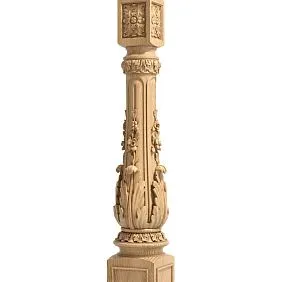
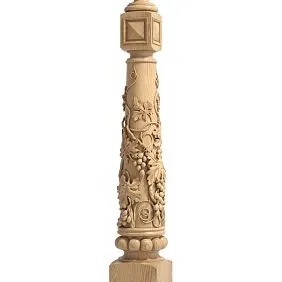
Our factory also produces:



Tabletop: shape and proportions
Classical tables traditionally have regular geometric shapes:
Rectangular tables — the most versatile, suitable for any rooms and styles. Standard sizes for a family of 4-6 people: 150-180 cm in length, 80-90 cm in width.
Round tables — create a more democratic atmosphere, promote equal communication. A diameter of 120-140 cm is optimal for 6-8 people.
Oval tables — combine the advantages of rectangular and round shapes, suitable for rooms with irregular shapes.
Get Consultation
Legs and bases
A classical leg system may include:
Four legs — a traditional solution providing maximum stability. The shape of the legs varies from simple geometric to complex sculptural.
Central support — an elegant solution for round and some rectangular tables. Allows free placement of chairs around the perimeter.
Double supports — massive columns or pilasters along the edges of the table, characteristic of empire and some baroque variants.
Decorative elements
Classic carving includes:
- Plant motifs: leaves, flowers, grapevines
- Geometric patterns: meanders, rosettes, braids
- Architectural elements: columns, capitals, pilasters
- Symbolic imagery: coats of arms, mythological creatures
Color palette
Traditional colors of classical tables:
- Natural wood tones: from light beige to dark brown
- Luxurious dark tones: wenge, ebony, mahogany
- Light tones with patina: cream, ivory with golden highlights
- Contrasting combinations: dark wood with gold, light base with dark details
Baroque table: symbol of palace opulence
The baroque table is an embodiment of absolute luxury and royal splendor. The style, born in the 17th century during the era of absolutism, is still associated with palace grandeur, boundless opulence, and the demonstration of power through beauty.
Philosophy of the baroque table
Baroque does not know the feeling of measure — this is its main feature and source of attraction. A baroque table should astonish the imagination, evoke awe, demonstrate the owner's power. It is not merely furniture, but a theatrical set for the lives of outstanding people.
Characteristic features of the style
Monumentality and massiveness
Baroque tables impress with their size and weight. Thick tabletops, massive legs, voluminous decorative elements — all are aimed at creating an impression of immovability and grandeur. Such a table physically dominates the space, becoming its unconditional center.
Curvilinear forms
Straight lines in baroque are rare. Curved legs in the shape of the letter S, wavy profiles of the apron, spiral scrolls on supports create a sense of movement and dynamism even in static furniture.
Abundance of decorative elements
Carving covers every accessible square centimeter of surface. Vegetal ornaments, coats of arms, mythological creatures, angels, lion masks — all of this may be present on one table. Special attention is paid to the apron and supports, which become true works of art.
Gilding and inlay
Gilding is the hallmark of baroque. Carved elements are covered with gold leaf, creating a precious effect. Inlay of various wood species, mother-of-pearl, ivory adds refinement and exclusivity.
Constructive features
Tabletop
Usually rectangular or oval, 4-6 cm thick. May be decorated with inlay, shaped edge, carved inserts. Surface is polished to a mirror finish.
Legs
Complex curved shapes, often in the form of female figures (caryatids), lion paws, intertwined plant stems. Connected by shaped aprons or stretchers.
Support system
May include a central support in the form of a column or baluster, heavily decorated with carving. Double supports along the table edges are executed as antique columns or sculptural compositions.
Dimensions and proportions
Baroque table requires space. Minimum dimensions:
- Length: 200-250 cm
- Width: 100-120 cm
- Height: 75-80 cm
These dimensions ensure comfortable seating for 8-10 people and match the scale of decorative elements.
Modern application
Baroque-style table is ideal for:
- Spacious dining rooms of 25 sq.m and above
- Homes with high ceilings (3.5 meters and above)
- Grand halls and living rooms
- Interiors where the table is the main focal point
- People who love to host guests with flair
Combination with interior
Environment of a baroque table:
- Chairs with high backs in the same style
- Heavy crystal or bronze chandeliers
- Luxurious drapes in velvet or brocade
- Paintings in gilded frames
- Floor vases and sculptures
Psychology of choice
Choosing a baroque table indicates:
- A desire for luxury and the highest level of comfort
- Confidence in one's own status
- Love for theatricality and effect
- A desire to leave an unforgettable impression on guests
- Understanding furniture as an investment and family heirloom
Rococo table: lightness and elegance
The rococo table is the complete opposite of baroque heaviness. If baroque shouts about power and wealth, rococo whispers about love and elegance. This style emerged in the 18th century as a reaction to the pomp of baroque, introducing lightness, playfulness, and intimacy into interiors.
Philosophy of the rococo style
Rococo is the art of enjoying life, a cult of beauty and sensuality. A rococo-style table was created not for state receptions, but for intimate conversations among friends, for gallant dinners and romantic dates. It is a style that values elegance over grandeur, wit over drama.
Characteristic Features
Asymmetry and naturalness
Unlike the strict symmetry of baroque, rococo tables allow asymmetric decorative elements. Ornaments may be unevenly distributed, creating a sense of naturalness and informality, as in nature.
Refined forms
All elements of rococo strive for elegance. Table legs are curved in smooth S-shaped lines, decorative elements are delicate and do not overload the overall composition. Proportions are more human-like, comparable to the size of ordinary housing.
Intimate scale
Rococo was created for boudoirs and private rooms, so tables in this style are usually more compact than baroque ones. They are designed to create an intimate atmosphere, not to overwhelm with grandeur.
Decorative motifs
Natural ornaments
Shells (rocaille), flowers, leaves, branches — main decorative motifs. Roses are especially popular, considered symbols of love and beauty. Ornaments are executed in low relief, creating play of light and shadow.
Mythological scenes
Amours, nymphs, shepherds — everything related to the theme of love and pleasure. Scenes are interpreted lightly, without drama, with a touch of playfulness and humor.
Rocaille ornament
Stylized depiction of shells and stones, which gave the name to the entire style. This motif is often used in the decoration of table legs and aprons.
Color palette
The rococo palette fundamentally differs from the baroque saturation:
- Pastel tones: soft pink, blue, lavender, peach, mint
- Gold accents: not heavy gilding, but delicate gold lines and details
- White and cream: as a base, creating a sense of lightness and freshness
- Silver: as an alternative to gold for a cooler, more modern palette
Constructive features
Tabletop
Often oval or round, with softly rounded edges. Moderate thickness (2-3 cm), not creating a sense of heaviness. Surface may be decorated with delicate inlay or painting.
Legs
Elegant, curved, often in the form of cabriole (goat legs). Decorated with carving of plant motifs. Connected by thin, curved aprons or not connected at all.
Sizes
Rococo tables are more compact:
- Length: 120-180 cm
- Width: 80-100 cm
- Height: 72-76 cm
These dimensions suit families of 4-6 people and fit easily in ordinary apartments.
Modern application
A rococo-style table is suitable for:
- Medium-sized bedrooms (15-20 sq.m)
- Women's boudoirs and romantic interiors
- Apartments with classic or eclectic design
- Cafes and intimate restaurants
- People who value elegance over grandeur
Usage options
Dining table
Central element of the dining room or kitchen-living room. Creates an atmosphere of home comfort and family warmth.
Coffee table
Small table for morning coffee or evening tea. Can be placed by the window, on the veranda, in the boudoir.
Writing desk
Elegant working desk for a lady's office or child's room. Combines functionality with decorativeness.
Psychological impact
Rococo creates a special atmosphere:
- Sense of lightness and carefree ease
- Aspiration for beauty and harmony
- Value of intimate conversation over public events
- Culture of elegance and refinement
- Romantic perception of life
Empire-style table: strictness and grandeur
The Empire-style table embodies imperial power and state grandeur. The style emerged during the Napoleonic era as an artistic expression of imperial ambitions, combining classical strictness with military symbolism and state pomp. It is the art of power, materialized in furniture.
Philosophy of the Ampire style
Empire is the style of victors, the style of people accustomed to leading and making important decisions. An Empire-style table should inspire respect, demonstrate strength, and emphasize the owner's status. Every element is carefully designed to create an atmosphere of solemnity and significance.
Characteristic elements
Geometric strictness
Empire returns to ancient principles of harmony. Straight lines, sharp angles, mathematically precise proportions. No random curves — only deliberate geometry based on classical orders.
Architectural Elements
Empire-style tables often include columns, pilasters, pediments, and capitals. Supports may resemble Doric or Ionic order columns, and cornices may be architectural friezes.
Military and state symbolism
Eagles, laurel wreaths, fasces, swords, shields, trophies — attributes of military victory and state power. This symbolism emphasizes the connection with the era of great conquests and imperial power.
Egyptian motifs
The influence of Napoleon's Egyptian campaign is reflected in the use of sphinxes, pyramids, hieroglyphs, lotuses. These elements add exoticism and mystery.
Materials and Finishing
Wood
Predominantly dark, noble woods — redwood, rosewood, ebony. Surfaces are polished to a mirror finish, highlighting the richness of texture and depth of color.
Metal
Bronze, often gilded. Hardware is substantial, with clearly defined relief. Inlays, rosettes, handles are made in the form of military attributes or ancient symbols.
Inlay
Contrasting materials are used: light wood on a dark background, metal inserts, imitation of ancient cameos.
Constructive features
Tabletop
Usually rectangular, with strict proportions. Edges may be decorated with bronze inlays or carvings in the form of meanders, palmettes, oak leaves.
Supports
Massive columns, often fluted (with vertical grooves). May be executed as bundles of fasces, ancient herms, Egyptian columns with lotus-shaped capitals.
Bases and capitals
The supports are mounted on massive square or round bases. Capitals are executed in classical orders or stylized after Egyptian motifs.
Dimensions and proportions
An Empire-style table should correspond to its solemn purpose:
- Length: 200-300 cm
- Width: 100-130 cm
- Height: 75-80 cm
Proportions are calculated for seating 8-12 people, corresponding to the host's status and the nature of the event.
Color palette
Empire prefers restrained, 'masculine' palette:
- Dark wood tones: mahogany, rosewood, ebony
- Gold accents: gilded bronze, gold threads in upholstery
- Deep colors: dark blue, burgundy, emerald, black
- Contrasting combinations: black with gold, dark wood with light inlay
Modern application
An Empire-style table is chosen by:
- Leaders of large companies and entrepreneurs
- People holding high government positions
- Owners of spacious homes and mansions
- Fans of strict, solemn aesthetics
- Antique collectors and history enthusiasts
Areas of application
Negotiation room
An Empire-style table creates an atmosphere of seriousness and significance, facilitating the adoption of important decisions.
Home office
Emphasizes the owner's status, creates a high-level working atmosphere.
Grand dining room
For official receptions, business lunches, formal events.
Library
A massive table for working with documents and studying serious literature.
Psychological impact
Empire forms a special atmosphere:
- Sense of personal dignity and significance
- Confidence in decisions made
- Sense of stability and reliability
- Respect from guests and partners
- Connection with historical traditions of power and success
Modern table: smoothness and harmony
Modern table represents an attempt to create a fundamentally new art, free from historical imitation, yet not completely breaking away from cultural heritage. The style of the turn of the 19th-20th centuries aimed to unite beauty and functionality, art and life.
Philosophy of Modernism
Modern proclaimed the unity of art and nature, beauty and utility. A modern-style table is not just furniture, but a work of art intended to serve people without losing its aesthetic value. The main principle — form follows function, but function can be beautiful.
Characteristic Features
Natural Motifs
Flora and fauna are the main sources of inspiration for modern design. Tables are adorned with stylized flowers, leaves, branches, sometimes — silhouettes of birds, butterflies, dragonflies. Ornaments do not copy nature, but creatively interpret it.
Smooth Lines
Right angles are rarely found in modern design. All forms are fluid, organic, reminiscent of natural contours. Transitions between elements are soft and natural, like those of a growing tree.
Asymmetry as a Principle
Modernism deliberately avoids classical symmetry, preferring dynamic balance. This creates a sense of liveliness, growth, and development.
New materials and technologies
Modern actively used the achievements of the Industrial Revolution: bent wood, artistic glass, wrought metal, ceramics.
Decorative elements
Floral ornaments
Iris, lilies, poppies, teasel, grapevines — favorite motifs of modern design. Ornaments are executed using marquetry (inlay of different wood species) or carving.
Female figures
Stylized female figures with flowing hair, often merging with plant forms. Symbolize the unity of man and nature.
Geometric Motifs
Simple geometric shapes — circles, ovals, waves — are used as basic compositional elements.
Materials and Techniques
Wood
Light woods — beech, ash, maple. Bent wood is often used, allowing for smooth, curved forms. The surface can be natural or stained.
Metal
Artistic casting, forging. Iron and bronze are treated as sculptural materials, creating legs in the form of stylized plants.
Glass
Stained-glass inserts in the tabletop, colored glass in decorative elements.
Ceramic
Ceramic inserts with floral ornaments, tiles.
Color palette
Modernism prefers 'natural' colors:
- Green shades: from delicate salad green to deep emerald
- Brown tones: all shades of wood, earth, bark
- Golden-yellow tones: sunny, warm, honey-colored
- Muted blues and purples: colors of twilight, deep water
- Natural beige tones: sandy, cream, ivory
Constructive features
Tabletop
Can be any shape — round, oval, irregular, mimicking natural contours. Often includes inserts of other materials — glass, ceramics, metal.
Supports
Stylized as tree trunks, plant stems, female figures. Often asymmetrical, creating a sense of growth and movement.
Details
All elements are connected by a single idea, creating an organic whole. There are no random details — every line, every curve has meaning.
Sizes and Application
Modern-style tables are more democratic in size:
- Length: 120-200 cm
- Width: 80-120 cm
- Height: 72-76 cm
Suitable for apartments and homes of various sizes, easily integrates into modern interiors.
Modern Relevance
Modern-style tables are relevant for:
- Creative people who value originality
- Nature and eco-consciousness lovers
- Owners of apartments with non-standard layouts
- Those seeking a compromise between classic and modern
- Fans of unique, original solutions
Application Variants
Dining Room
Creates an atmosphere of harmony and naturalness, promotes calm family interaction.
Stimulates creative thinking, creates a comfortable working atmosphere.
Serves as an informal communication center, highlights the individuality of the owners.
Living room
Dark, gilded
Comparative characteristics of styles
Baroque vs Rococo vs Empire vs Modern
|
Characteristic |
Baroque |
Rococo |
Empire |
Modern |
|
Atmosphere |
Palatial luxury |
Romantic intimacy |
Imperial grandeur |
Natural Harmony |
|
Size |
Monumental |
Compact |
Grand |
Organic |
|
Colors |
Dark, gilded |
Pastel, delicate |
Strict, Contrasting |
Natural, Warm |
|
Decor |
Abundant, Luxurious |
Elegant, delicate |
Geometric, Symbolic |
Botanical, Smooth |
|
Room |
From 30 sq.m |
From 18 sq.m |
From 25 sq. m |
From 15 sq. m |
|
Owner's Character |
Luxury Lover |
Romantic, aesthetic |
Leader, manager |
Creative Personality |
|
Cost |
MDF with film |
Medium-High |
High |
Medium |
Choice by purpose
Formal events
Baroque and Empire create the necessary grandeur and respectability.
Family lunches
Rococo and modern styles ensure coziness and comfort for home gatherings.
Business meetings
Empire emphasizes status, Baroque impresses partners.
Creative meetings
Modern stimulates creativity, Rococo creates an inspiring atmosphere.
Selection by room type
Spacious halls (over 30 sq.m)
Baroque and Empire are ideal, as they require space to fully express their potential.
Medium dining rooms (20-30 sq.m)
All styles are optimal, but considering proportions and surrounding environment.
Compact spaces (15-20 sq.m)
Best choice — Rococo and Modern, which do not overload the space.
Non-standard layouts
Modern adapts most easily to the characteristics of the room.
Practical tips for selection
Defining style by lifestyle
For large families with traditions
Baroque or Empire will create an atmosphere of significance for family events.
For young couples
Rococo or Modern are suitable for creating a romantic and contemporary ambiance.
For business families
Neoclassicism highlights status, Baroque impresses guests.
For creative people
Modern is in tune with creative thinking, Rococo with aesthetic needs.
Combination with the house's architecture
Classic mansions
Any style will be appropriate with the right surroundings.
Modern homes
Modern integrates most easily; other styles require appropriate decor.
Urban apartments
Rococo and adapted modern are the optimal choice.
Country houses
Baroque and Neoclassicism create the atmosphere of a country residence.
Budget considerations
Baroque: the most expensive due to abundance of handcrafted work and gilding
Neoclassicism: high costs for quality materials and heavy hardware
Rococo: mid-price segment due to smaller sizes
Modern: democratic pricing due to simplicity of basic forms
Long-term perspective
Classic styles (Baroque, Neoclassicism) — timeless values, but may seem heavy
Transitional styles (Rococo, Modern) — more flexible, easier to adapt to changes
Technical aspects of selection
Manufacturing quality
When choosing a table in a classic style, pay attention to:
Tabletop material
- Solid block or glued panel of the same wood species
- Absence of cracks, chips, unevenness
- Quality of polishing or other finish
Structural stability
- Absence of play or wobbling
- Strength of joints
- Quality of decorative elements' mounting
Carving and decoration
- Clarity of detail work
- Absence of chips and unevenness
- Quality of gilding or patina
Hardware
- Style and era appropriateness
- Material and coating quality
- Reliability of mounting
Ergonomic requirements
Table height
Standard height of 75-76 cm suits most people 160-180 cm tall.
Countertop Dimensions
- 60 cm width per person
- 40 cm depth for comfortable placement
- Additional space for shared dishes in the center
Legroom
At least 60 cm in width and 35 cm in depth under the countertop.
corner trim
Daily care
- Wipe with a dry soft cloth
- Use of stands under hot items
- Protection from direct sunlight
Periodic maintenance
- Polishing with special compounds
- Processing carved elements with a soft brush
- Check fasteners and tighten if necessary
Professional restoration
For serious damage, it is better to consult specialists in antique furniture.
Conclusion: the choice that defines the atmosphere of your home
Choosing a table in a classic style is a decision that will define the character of your home for many years. A Baroque table will give you a sense of royal luxury and grandeur. A Rococo table will create an atmosphere of elegance and romance. An Empire table will emphasize your status and seriousness of intent. A Modern table will add harmony with nature and creative inspiration.
Each style has its own application, target audience, and advantages:
- Want luxury — choose Baroque
- Prefer romance — Rococo is your style
- Need status — Empire is perfect
- Love the balance of classic and modern — Modern is optimal
Remember: classic furniture for the dining or living room is not just decor, but an investment in the quality of life for your entire family. This is the place where your children and grandchildren will gather, where important decisions will be made, where the most precious memories will be created.
Classic Furniture From STAVROS — it is the opportunity to realize your dreams of an ideal home, to create a space worthy of the most important moments in life. This is the choice of those who understand: true beauty is timeless, and quality furniture serves not years, but generations.
With a quarter-century of experience, STAVROS will help create a table that will become not just furniture, but the heart of your home, a place of strength and family traditions.