Article Contents:
- Introduction
- Project Planning: From Idea to Blueprint
- Space Analysis and Functional Requirements
- Drawing up plans and calculating loads
- Main categories of components
- Staircase posts
- Staircase balusters
- Staircase handrails
- Handrails
- Preparation stage
- 1. Planning and project development
- 2. Preparation of Materials and Tools
- Stage 1. Assembling the staircase frame
- Step 1.1: Marking and preparing the base
- Step 1.2: Assembling the main frame elements
- Step 1.3: Checking strength and stability
- Stage 2. Installing the staircase railing
- Step 2.1: Installing posts
- Step 2.2: Installing balusters
- Step 2.3: Installing handrails
- Step 2.4: Final decorative elements
- Stage 3. Final inspection and finishing
- Planning and precise measurements
- Choosing quality materials
- DIY installation: practical tips
- Maintenance and care
- Example 1: Traditional wooden staircase in a private house
- Example 2: Modern minimalist staircase
- Example 3: Repair and renovation of an old staircase
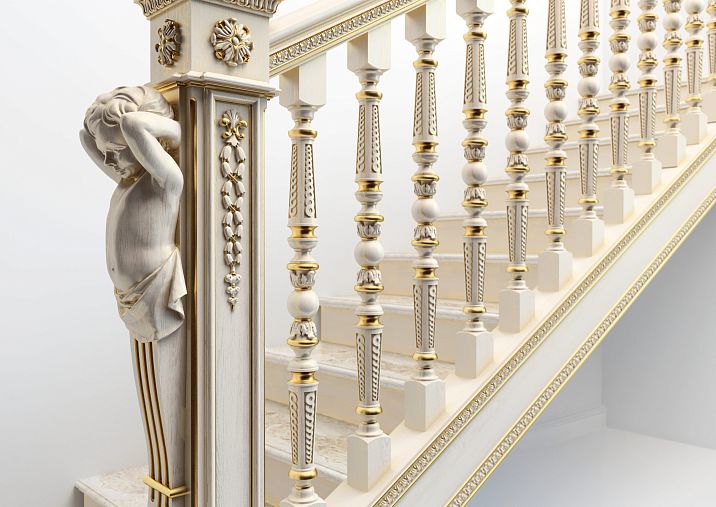
Building a wooden staircase yourself is not an easy task, requiring careful planning, proper selection of materials and components, as well as careful installation of each element. In this article, we offer a detailed step-by-step guide explaining how to build a wooden staircase yourself, along with recommendations for choosing components for traditional constructions. We will examine the main categories of products, their functional and aesthetic features, as well as provide practical tips for installation and ongoing maintenance of the staircase. This article is intended for those who want not only to create a beautiful and reliable structure but also to save money by performing the work themselves.
To explore a wide range of products, visit the websitePosts for staircase.


Introduction
The process of self-assembling a staircase can be divided into several stages:
The process of self-assembling the staircase can be divided into several stages:
● Project preparation and determination of technical specifications.
● Selection of materials and components.
● Preparation of tools and work areas.
● Assembly of each structural element.
Final finishing and care for the completed staircase.
Our goal is to help you understand the nuances of these stages, offer practical recommendations, and share expert experience so that even a beginner craftsman can create a beautiful and reliable wooden staircase.




Project Planning: From Idea to Blueprint
Our factory also produces:


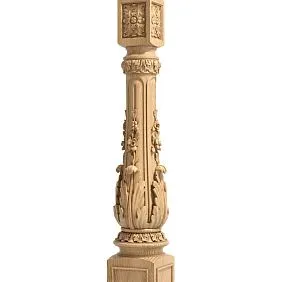
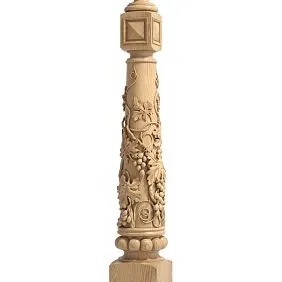

Analysis of space and functional requirements
The first step toward successfully assembling a wooden staircase is analyzing the space where it will be installed. This is especially important for traditional constructions, where opening dimensions may be limited and the space narrow.
● Determine dimensions. Measure the height, width, and depth of the opening where the staircase will be installed. These measurements will serve as the basis for calculations and help determine the sizes of steps, railings, and other components.
● Consider functional loads. Determine who will use the staircase: small children, elderly people, or adults. This affects the height of handrails, step sizes, and overall safety requirements for the structure.
● Create a preliminary plan. Draw a diagram of the future staircase, noting key dimensions, angles of inclination, positions of posts, balusters, handrails, and other details. This stage will help avoid errors during further assembly and simplify component selection.
Get Consultation
Drawing plans and calculating loads
After analyzing the space, you must move on to developing detailed drawings. This will allow:
● Determine exact dimensions of all staircase components.
● Conduct load calculations and determine which materials and components are suitable to ensure the required strength.
● Plan the placement of railing elements so that they not only meet aesthetic requirements but are also functional.
Drawings must include all main components: steps, frame, railings, as well as components such asPosts for staircase, balusters for staircases, stair railings and decorative finials. Proper planning at this stage will prevent future errors and ensure the reliability of the structure.
Selecting components for a wooden staircase
Main categories of components
The following groups of elements are required for assembling a wooden staircase:
● Support elements: posts, frame, balusters.
● Decorative elements: handrails, finials, decorative finishes.
● Fastening materials and tools: anchors, dowels, screws, glue, etc.
Each of these groups plays its own role in creating a cohesive and reliable structure.
Staircase posts
Posts for staircase are the foundation of any structure. They provide support, distribute loads, and serve as important decorative elements. When selecting posts, consider the following criteria:
● Material. Natural wood (e.g., oak, beech, larch) gives the staircase warmth and naturalness, and also allows for carving to create unique patterns.
● Dimensions. Posts should be proportionate to the overall structure: not too bulky to avoid cluttering the space, and not too thin to ensure reliable support.
● Processing and finishing. Quality sanding, varnish or oil coating will protect the material from moisture and mechanical damage, and also highlight the natural wood grain.
Balusters for staircases
balusters for staircases are important railing elements that ensure safety during ascent and descent, as well as serve as decorative finishes. When selecting balusters, consider:
● Design. In traditional constructions, carved balusters with intricate ornaments are often used, which give the interior historical depth.
● Material. Wood is a classic choice, but metal options are also possible, especially if structural reinforcement is required.
● Dimensions and proportions. Balusters must be strong enough to withstand loads and harmoniously match other staircase elements.
Handrails for staircases
stair railings are the elements on which you lean during ascent and descent. Their selection determines not only safety but also the comfort of using the staircase.
● Ergonomics. Handrails should have a comfortable shape, provide a secure grip, and be positioned at the optimal height.
● Material. Natural wood creates a warm and cozy look, while metal or composites can provide a more modern and sleek design.
● Design. Handrails should match the rest of the railing elements, creating a cohesive composition.
Newel posts
Finials complete the exterior appearance of the railing. They protect the ends of posts and balusters, and give the structure a finished look.
● Shape and finish. Finials can be made in various styles – from classic carved designs to modern minimalist ones.
● Material. Finials are typically made from the same material as the main element to maintain stylistic unity.
● Functionality. In addition to their decorative function, finials protect joints from mechanical damage and help distribute load evenly.
Step-by-step guide to building a wooden staircase yourself
Preparation stage
1. Planning and project development
Before starting work, it is important to:
● Create a detailed plan and drawing of the future staircase, indicating all dimensions and angles.
● Determine what components will be required to implement the project.
● Coordinate the plan with the technical characteristics of the room (doorway width, ceiling height, overall layout).
At this stage, it is useful to make sketches and, if necessary, consult professional designers. A clearly developed project will guarantee that all elements will work in harmony and the staircase will be not only beautiful but also safe.
2. Material and Tool Preparation
Prepare a list of required materials:
● Wooden planks, beams, and rails for the frame.
● Railing components:Posts for staircase, balusters for staircases, stair railings, finials.
● Fasteners: screws, anchors, glue, dowels.
● Tools: saw, drill, screwdriver, level, tape measure, pencil, hammer, sander.
Prepare your workspace: clear the area, ensure adequate lighting, and organize tool storage for convenience.
Stage 1. Assembling the staircase frame
The frame is the skeleton of the staircase, on which all other elements will be mounted. It must be assembled with great care, as its strength determines the reliability of the entire structure.
Step 1.1: Marking and preparing the base
● Mark the area. Mark on the floor where the steps will be located, as well as the anchor points for mounting the frame.
● Ensure the base is level. If necessary, level it using construction mix.
Step 1.2: Assembling the main frame elements
● Fabricate the frame. Carefully cut wooden beams according to the drawing using a saw and drill. Assemble a rectangular or triangular frame that will serve as the base for the staircase run.
● Attach the treads. Install the treads onto the frame, ensuring even load distribution. Use screws and glue for fastening.
Step 1.3: Checking strength and stability
● Check level and verticality. Use a construction level to verify the correct installation of the frame.
● Ensure the fasteners are secure. Check that all connections are properly made and the frame has no play.
Stage 2. Installing the stair railing
The railing not only increases safety but also gives the stairs a finished look. When installing the railing, it is important to follow precise marking and use quality components.
Step 2.1: Installing posts
● Mark the locations for installing posts. Determine where the support elements of the railing will be placed. In traditional wooden staircases, posts are the main load-bearing elements.
● Install the posts. Use fasteners to securePosts for staircase to the frame. Make sure the posts are installed vertically.
● Secure the posts. If necessary, further reinforce the connections using anchors and glue.
Step 2.2: Installing balusters
● Mark the locations for attaching balusters. Balusters are placed between posts and handrails, providing additional safety.
● Install the balusters. Attachbalusters for staircases to the posts using screws and glue. Ensure the balusters are evenly spaced and securely fastened.
● Check stability. Balusters must be installed so that they can reliably support weight, which is especially important for safety.
Step 2.3: Installing handrails
● Mark the position of the handrails. Handrails should be installed at a convenient height and run along the entire length of the staircase.
● Installing handrails. Usestair railingsto secure them to the balusters and posts. Check that the handrails are level and have no play.
● Ergonomics. Ensure the handrails are comfortable to hold, which is especially important for children and elderly people.
Step 2.4: Final decorative elements
● Installing finials. Finials complete the appearance of posts and balusters. They protect the edges and give the structure a finished look.
● Decorative finishing. If desired, additional decorative treatment can be applied — such as varnish, oil, or other coatings that highlight the natural beauty of the wood and protect the structure.
Stage 3. Final inspection and finishing
After completing the assembly, carefully inspect the entire structure:
● Check stability. The staircase must be strong, without play or misalignment. Walk across it to ensure safety.
● Check fasteners. All elements, from posts to handrails, must be securely fastened.
● Final finishing. Refresh the protective coating on all wooden elements — apply varnish or oil to maintain appearance and protect against moisture and wear.
● Decorative treatment. If desired, add decorative elements that emphasize the staircase’s style and harmoniously blend into the interior.
Expert tips and recommendations for DIYers
Planning and precise measurements
One of the most common mistakes when assembling a staircase independently is insufficient measurement accuracy. It is recommended:
● Use high-quality measuring tools – a construction level, tape measure, and square.
● Do not rush the marking: check all dimensions several times to avoid errors during cutting and assembly.
● Keep a detailed work log, recording all dimensions and changes.
Choosing quality materials
Invest in quality components. Do not cut corners on materials, as their quality directly affects the durability and safety of the structure:
● Prefer naturally finished wood if you wish to preserve a traditional appearance.
● Use modern fasteners certified for construction use.
● Inspect every purchase: read reviews, study certificates, and consult professionals.
DIY Installation: Practical Tips
● Prepare the workspace. Ensure sufficient space for work, organize tool and material storage.
● Follow the technology. Adhere to the manufacturer’s instructions for each component. Carefully study the assembly diagram to avoid mistakes.
● Step-by-step assembly. Work in stages: first assemble the frame, then install railings, and finally handle finishing.
● Test the structure. After completing installation, walk up and down the stairs several times to ensure stability and safety.
● Regular inspection. After installation, periodically check fasteners and renew protective coatings.
Care and maintenance
To ensure a wooden staircase lasts long and retains its original appearance, it is necessary:
● Regularly clean surfaces of dust and dirt.
● Periodically renew protective coatings (varnish, oil, or antiseptic) to prevent moisture and mechanical damage.
● Conduct preventive inspections of fasteners, especially in high-traffic areas, and promptly address any defects found.
Practical Examples and Cases
Example 1: Traditional Wooden Staircase in a Private Home
In one private home, a wooden staircase was built by hand using classic components. This project used:
● Posts for staircase solid oak with decorative carving.
● balusters for staircases, handcrafted with exquisite ornamentation.
● stair railings, ensuring maximum comfort.
The result was not only functional but also a true interior gem, highlighting the home’s status and delighting anyone who entered.
Example 2: Modern Minimalist Staircase
In a modern project where space-saving is crucial, a narrow wooden staircase was assembled:
● Compact yet strongPosts for staircase, specifically selected for narrow structures.
● balusters for staircases had a minimalist design, perfectly blending into the modern interior.
● stair railings ensured safety and comfort.
This project was implemented taking into account all the features of the attic space, which allowed creating not only a functional but also aesthetically appealing structure.
Example 3: Repair and renovation of an old staircase
When renovating an old wooden staircase, it is often necessary to replace individual components to maintain the structural integrity and improve the appearance. In one of the projects, the following were replaced:
Worn-outPosts for staircase with new, stronger models.
Oldbalusters for staircases were replaced with modern equivalents featuring an updated design.
● stair railings received new finishes, significantly improving the staircase's aesthetic appeal.
The result of the repair was a staircase that retained its historical charm while acquiring new operational characteristics meeting modern safety and style requirements.
Conclusion
Self-assembly of a wooden staircase is an interesting and creative process that allows you to realize your design ideas, save money, and create a unique space. The key aspect of this process is selecting the right components. Reliable and high-quality items, such as
Posts for staircase,
balusters for staircases,
stair railings,
and decorative elements such as decorative finials, provide not only functionality but also aesthetic appeal to the structure.
We reviewed the stages of project preparation, material selection, frame assembly, railing installation, and decorative finishing, as well as practical tips for maintaining a wooden staircase. Proper planning, accurate measurements, choosing quality components, and attention to detail — all of this will enable you to build a staircase yourself that will delight the eye, ensure safety, and serve for many years.
Remember that a staircase is the face of your home, reflecting your taste, creative approach, and concern for safety. If you decide to assemble it yourself, follow the recommendations, do not be afraid to experiment with design, and definitely consult professionals if you have questions. A successful staircase is the result of careful planning, quality installation, and regular maintenance.
Invest in quality, plan each step, and enjoy the creative process — and the result will surely exceed all expectations, offering you comfort, safety, and aesthetic pleasure.