Article Contents:
- Features of Soft Furniture as a Product Category
- Psychology of Soft Furniture Purchasing
- Technical Aspects of Soft Furniture
- Strategies for Effective Soft Furniture Sales
- Creating a Comfort Atmosphere in the Store
- Presentation Techniques for Soft Furniture
- Working with Different Types of Customers
- Overcoming Typical Objections in Soft Furniture Sales
- Too Expensive
- Doesn't Fit the Size
- Need to Consult with Family
- Selling Different Categories of Soft Furniture
- Sofas: Center of Family Life
- Chairs: Personal Comfort
- Cushions and Benches: Functional Accents
- Materials and Technologies in Soft Furniture
- Fillers for Soft Furniture
- Fillers and Their Characteristics
- Ergonomic Principles of Comfort
- Seasonality and Planning for Soft Furniture Sales
- Customer Activity Cycles
- Holiday Promotions and Special Offers
- Service and additional services
- Delivery of Large Furniture Items
- Assembly and Installation
- Warranty service
- Digital Technologies in Soft Furniture Sales
- Virtual Try-Ons and AR Technologies
- Online Consultations and Sales
- Analytics and Personalization
- Staff Preparation for Soft Furniture Sales
- Basic Product Knowledge
- Communication Skills
- Continuous Development
- Marketing Tools for Promoting Soft Furniture
- Content Marketing
- Social Networks
- Affiliate Programs
- Analysis of Soft Furniture Sales Effectiveness
- Key Metrics
- Analytics Tools
- Process Optimization
- Soft Furniture Assortment Management
- Collection Planning
- ABC Analysis and Optimization
- Product Lifecycle Management
- The Future of Soft Furniture Sales
- Technological Innovations
- Changes in Consumer Behavior
- New Business Models
- Conclusion
- Frequently Asked Questions
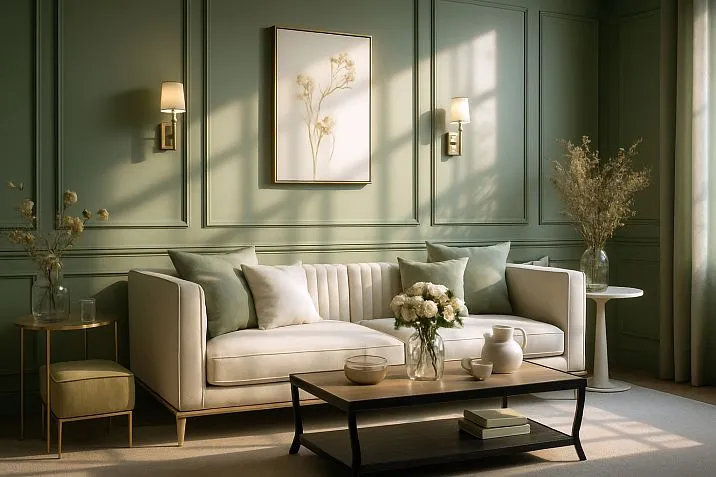
Soft furniture is not just interior decor — it is an investment in customer comfort, quality of life, and emotional well-being. Sofas, chairs, ottomans, and chaise lounges surround us during the most intimate moments: family evenings, friendly get-togethers, quiet reading time. That is whyhow to sell soft furnitureeffectively — an art that requires deep understanding of human psychology, materials science, and design nuances.
Unlike solid furniture, where functionality reigns supreme, soft furniture is sold through sensory experience. The buyer must feel at home even in the showroom, envisioning how this sofa will become the centerpiece of their living room, how they will spend peaceful evenings in this chair. The emotional component here far outweighs the rational one.


Features of Soft Furniture as a Product Category




Psychology of Soft Furniture Purchasing
What drives a person when choosing a sofa? A superficial analysis suggests obvious motives: wear and tear of old furniture, moving, desire to update the interior. But the true drivers lie in the emotional sphere.
The desire for comfort — a basic human need. After a stressful workday, everyone dreams of sinking into the embrace of a comfortable sofa. This image must be formed even in the showroom — the salesperson must give the customer the opportunity to experience this moment.
Social status plays a significant role in choosing soft furniture. A leather sofa in a manager’s office speaks of success and respectability. A designer chair in the living room demonstrates the owners’ refined taste.
Family values are reflected especially vividly in the choice of soft furniture. A large corner sofa for family gatherings, a child’s toy-shaped ottoman, a rocking chair for grandma — each item carries an emotional load.
Our factory also produces:


Technical Aspects of Soft Furniture
A professional salesperson must possess deep knowledge of the construction of soft furniture.What new-generation furniture is made of — a question customers must receive comprehensive answers to. Eco-friendliness, durability, ease of care — specific advantages speak louder than abstract 'innovation'.Soft — a category requiring detailed study.
The frame — the foundation of durability of any soft item. Solid wood provides maximum strength but increases weight and cost. A metal frame is lightweight and durable, especially relevant for convertible models. Combined solutions allow optimizing the balance of strength, weight, and price.
Fillers determine the comfort and lifespan of furniture. Independent spring blocks provide orthopedic properties and longevity. Polyurethane foam of varying density allows creating zones of different firmness. Natural materials — latex, coconut coir, wool — attract with their ecological purity.
Strategies for effective soft furniture sales
Get Consultation
Strategies for effective soft furniture sales
Creating an atmosphere of comfort in the showroom
Soft furniture requires a special approach to store layout. The customer should feel at home and have the opportunity to fully assess the comfort of the offered items.
Zoning the space by style and functional purpose helps the customer navigate the assortment. A classic zone with leather sofas and chairs, a modern section with modular systems, a children's corner with bright ottomans — each zone tells its own story.
Lighting plays a critical role in the perception of soft furniture. Warm light emphasizes coziness and comfort, while cool light highlights modernity and functionality. Combined lighting with adjustable settings allows showcasing furniture under different conditions.
Interior compositions demonstrate the possibilities of using furniture. A sofa with a coffee table and a floor lamp creates the image of a living room.Unique InteriorsThey arise from understanding how different elements interact with each other.
Techniques for presenting soft furniture
Tactile testing is a mandatory element of soft furniture sales. The customer should sit down, lean back, feel the seat and backrest's firmness. It is important to allow time to get accustomed — initial sensations may be misleading.
Demonstrating mechanisms requires special attention. A convertible sofa, a recliner chair, a modular system — each mechanism must operate flawlessly. Explaining the working principle, frequency of possible use, and maintenance specifics builds trust in the product.
Material presentation should include fabric and leather samples, demonstrate processing technologies. It is important to explain practical aspects: how the material will behave under intensive use, how easy it is to clean, whether it fades in sunlight.
Working with different types of customers
Family buyers seek a compromise between comfort, practicality, and safety. They value easy-to-clean upholstery, absence of sharp corners, and transformability. Demonstrate how a sofa converts into a guest bed, how a modular system adapts to a family's growing needs.
Premium-segment buyers value exclusivity, material quality, and design solutions. Share stories about collection creation, highlight the uniqueness of used technologies, demonstrate attention to detail.
Young buyers are often budget-constrained but open to modern solutions. Emphasize functionality, transformability, and bold design solutions. Installment programs may become a decisive factor.
Overcoming typical objections when selling soft furniture
Too expensive
Price objections in the soft furniture segment require a special approach. It is important to show the long-term benefit of a quality purchase.
The cost breakdown technique works especially effectively. A quality sofa costing 80,000 rubles with a 12-year lifespan costs only 18 rubles per day — less than a cup of coffee. With daily use, this is an investment in comfort for many years.
Comparing with replacing cheap furniture demonstrates economic rationality. Buying a budget sofa every 3-4 years ultimately costs more than one quality item.
Installment and financing options make the purchase more accessible. Many customers are willing to pay extra for the opportunity to receive the desired furniture immediately.
Doesn't fit the size
Size limitations are a common issue in selling soft furniture, especially in small-apartment settings.
Precise measurements must consider not only room dimensions but also layout specifics. Doorway widths, corridor turns, ceiling heights — all of this affects the possibility of delivery and placement of furniture.
Modular systems offer flexible solutions for complex layouts. The ability to change configuration, add or remove elements allows adapting furniture to any space.
Designer services help the client visualize how furniture will look in the interior. 3D visualization, photo montages, professional placement recommendations increase confidence in the purchase.
Need to consult with family
Buying soft furniture is a family decision. It is important to involve all interested parties in the process.
Photographing liked models allows discussing furniture choices at home. Modern smartphones make high-quality photos that convey the overall impression of the furniture.
Inviting family members to the showroom for joint testing creates a sense of collective choice. The participation of those who will actively use the furniture is especially important.
Reservation programs provide time for consideration without the risk of losing a liked model. A small deposit locks in the price and guarantees product availability.
Sale of various categories of upholstered furniture
Sofas: the center of family life
A sofa is not just furniture; it is the center of social activity in the home. The family gathers here to watch movies, entertain guests, and spend evenings in conversation.
Size and configuration should match the family's lifestyle. A large corner sofa is suitable for spacious living rooms and large families. Compact two-seater models are ideal for small apartments and young couples.
Transformation mechanisms expand the functionality of the sofa. The 'book-fold' mechanism is suitable for daily use as a sleeping place. Pull-out systems save space when unfolding. The 'dolphin' mechanism provides a flat sleeping surface.
Storage systems in sofas solve the problem of storing bedding. Spacious compartments under the seat hold pillows, blankets, and seasonal items.
Armchairs: personal comfort
An armchair is a personal space, a territory of individual comfort. The choice of an armchair reflects the character and preferences of its owner.
Lounge chairs should provide maximum comfort. A high back supports the head and neck. Wide armrests provide support. A rocking mechanism helps with relaxation.
Office chairs combine comfort with functionality. The ability to adjust height, backrest tilt, and armrest position ensures a proper working posture.
Designer armchairs serve as interior decor elements. Unusual shapes, bright colors, and original materials attract attention and create accents in a room.
Ottomans and benches: functional accents
Ottomans and benches are versatile furniture pieces that solve numerous tasks with minimal dimensions.
Storage ottomans combine seating with storage function. The interior cavity holds toys, magazines, and throws. The soft lid serves as an additional seating place.
Hallway benches provide convenience for putting on shoes. A soft seat, shoe compartments, and clothing hooks offer a comprehensive solution for the entryway.
Decorative ottomans serve as bright accents in the interior. Unusual shapes, contrasting colors, and interesting textures attract attention and enliven the space.
Materials and technologies in upholstered furniture
Frame materials
The frame is the foundation of upholstered furniture's durability. The quality of the frame determines how many years the product will last under intensive use.
Solid wood is the traditional material for premium furniture frames. Birch, beech, and oak provide exceptional strength and durability. The natural structure of wood absorbs vibrations, ensuring quiet operation.
Metal frames are distinguished by their lightness and technological sophistication. Steel profiles with polymer coating are not susceptible to corrosion. Aluminum constructions combine strength with minimal weight.
Composite materials offer an optimal balance of strength, weight, and cost. Modern technologies allow for the creation of frames with complex shapes unattainable using traditional materials.
Fillers and their characteristics
The correct choice of filler determines the comfort and orthopedic properties of upholstered furniture.
Independent spring units provide point support for the body. Each spring works individually, adapting to the body's contours. Zonal firmness creates optimal conditions for rest and sleep.
Polyurethane foam of varying densities allows for the creation of multi-layer constructions. Rigid PU foam in the base provides support, soft PU foam in the upper layers provides comfort. Elastic PU foam quickly regains its shape after load.
Natural fillers attract with their ecological purity. Latex possesses unique orthopedic properties. Coconut coir provides ventilation. Wool regulates temperature and humidity.
Upholstery materials
Upholstery is the face of upholstered furniture; it determines the appearance and tactile sensations.
Natural leather is a symbol of luxury and prestige. Each hide is unique; over time, leather acquires a noble patina. Various types of tanning — aniline, semi-aniline, pigmented — offer different aesthetic and performance characteristics.
Eco-leather combines the beauty of natural leather with the practicality of synthetic materials. Modern technologies create finishes virtually indistinguishable from natural leather. Ease of care and affordable cost make eco-leather a popular choice.
Fabric upholstery impresses with its variety. Velvet creates a sense of luxury, rush emphasizes naturalness, jacquard demonstrates elegance. Modern treatments provide protection against stains, fading, and wear.
Seasonality and planning of soft furniture sales
Customer activity cycles
Soft furniture sales are subject to pronounced seasonality, which must be considered in planning activities.
Spring surge is linked to the tradition of general cleaning and interior renewal. Customers discard old furniture and purchase new items. It is important to prepare relevant collections and attractive offers for this period.
Summer decline is explained by the vacation season and shifting attention toward garden themes. This period can be used to refresh the display, train staff, and prepare for the autumn season.
Autumn activation is due to the start of the school year and return to familiar life rhythms. Customers once again focus on home comfort.where to buy furniture decor— typical request of this period.
Holiday promotions and special offers
New Year sales attract customers with the opportunity to refresh their interiors for holidays. Gift certificates allow furniture to become a gift item. Festive salon decor creates the appropriate atmosphere.
Spring promotions coincide with peak customer activity. Discounts on last year's collections free up space for new arrivals. Bundled offers encourage purchasing multiple items.
Summer offers compensate for seasonal demand decline. Special prices on in-stock items accelerate turnover. Pre-order programs allow planning for autumn sales.
Service and additional services
Delivery of large furniture
Quality delivery of soft furniture requires special equipment and professional skills.
Lifting equipment is necessary for delivering furniture to upper floors. Hydraulic jacks, rigging straps, and furniture trolleys ensure cargo safety and ease of work.
Disassembly and packaging of old furniture are part of the service package. Removal of outdated furniture solves the disposal problem for the customer. Eco-friendly recycling highlights the company's social responsibility.
Cargo insurance protects the interests of both the buyer and the seller. Full coverage of the item's cost guarantees compensation in case of damage during delivery.
Assembly and installation
Professional assemblers ensure correct installation of soft furniture. Experience working with various mechanisms and knowledge of construction specifics guarantee quality assembly.
Mechanism adjustment requires special skills. Proper tuning ensures smooth operation, longevity, and safe use.
Care consultations help customers maintain furniture in ideal condition. Recommendations for cleaning various materials and maintenance intervals extend the lifespan of items.
Warranty Service
Extended warranty on soft furniture demonstrates the manufacturer's confidence in product quality. Coverage of frames, mechanisms, and fillers adds additional value for the customer.
Post-warranty service maintains contact with the customer. Reupholstering, mechanism repair, and filler replacement extend the life of favorite furniture.
Trade-in programs allow customers to exchange old furniture for new with additional payment. This encourages repeat purchases and builds brand loyalty.
Digital technologies in soft furniture sales
Virtual try-ons and AR technologies
Augmented reality allows customers to see how furniture will look in their interiors. Mobile apps overlay 3D furniture models onto real room images.
Configurators allow customers to select upholstery, adjust sizes, and combine modules. Interactive tools increase customer engagement in the selection process.
Virtual showrooms expand product display capabilities. 360-degree views, detailed photos, and video presentations create an immersive experience.
Online consultations and sales
Video consultations allow you to receive professional assistance without leaving home. Experts can assess interior features, provide recommendations on selection, and answer questions.
Online calculators help calculate furniture costs with all options included. Transparent pricing increases buyer trust.
Online payment systems simplify the purchasing process. Integration with banking services and installment options make purchases more accessible.
Analytics and personalization
Recommendation systems analyze customer behavior and suggest suitable products. Machine learning algorithms consider preferences and purchase history.
Personalized offers increase customer loyalty. Individual discounts, information about new arrivals, invitations to special events.
Retargeting brings back potential buyers. Reminders about viewed products, special offers for hesitant customers increase conversion.
Staff training for selling soft furniture
Basic product knowledge
A soft furniture seller must have deep technical knowledge to answer any customer questions.
Material science includes studying the properties of various frame materials, fillings, and upholstery. Understanding how materials affect comfort, durability, and product cost.
Transformation mechanisms require detailed study. Operating principles, usage characteristics, maintenance rules for various unfolding and adjustment systems.
Design trends help advise customers on stylistic issues. Knowledge of current colors, shapes, and materials allows offering modern solutions.
Communication skills
Active listening is the foundation of successful soft furniture sales. Ability to identify the client's true needs and understand unspoken requirements.
Presentation skills include the ability to visually demonstrate product advantages. Proper delivery of technical information and the ability to translate features into benefits.
Handling objections requires psychological preparation. Understanding resistance motives, techniques to overcome doubts, and persuasion methods.
Continuous development
Training programs must be regularly updated in line with new products and technologies. Sales training, material seminars, interior design courses.
Production internships provide deep understanding of furniture manufacturing processes. Knowledge of technological specifics increases the seller's expertise.
Participation in trade shows allows studying trends, getting acquainted with new products, and exchanging experience with industry colleagues.
Marketing tools for promoting soft furniture
Content marketing
Educational content helps customers understand the variety of offerings. Articles on material selection, furniture care, and interior design build brand expertise.
Visual content is especially important for soft furniture. High-quality interior photos, video reviews, 360-degree panoramas allow remote product evaluation.
User-generated content builds brand trust. Photos of real interiors with purchased furniture, satisfied customer reviews are more effective than advertising.
Social networks
Instagram is ideal for showcasing soft furniture. Aesthetic photos, stylish interiors, stories from brand showrooms attract the target audience.
YouTube allows creating detailed product reviews. Virtual tours of showrooms, mechanism demonstrations, selection tips — content that customers value.
Pinterest works as an interior design idea catalog. High-quality images of furniture in beautiful interiors attract designers and private clients.
Interior designers are important partners in promoting soft furniture. Special conditions for professionals, training programs, product presentations.
Designers and builders recommend furniture during the finishing stage. Partner programs with developers, design offices, and renovation companies.
Bloggers and influencers create viral content. Placing furniture in popular accounts, integrating into stories, collaborations with celebrities.
Architects and builders recommend furniture during the finishing stage. Partner programs with developers, design offices, and renovation companies.
Analysis of soft furniture sales effectiveness
Key metrics
Visitor conversion rate in the showroom shows the effectiveness of sales staff. Industry averages are 15-25%, exceeding this level indicates high team professionalism.
Average order value allows assessing upselling and cross-selling effectiveness. Offering accessories, complementary items, and additional services increases deal profitability.
Decision-making time for soft furniture can range from several days to months. CRM systems help track the buyer’s journey and influence the customer at critical moments.
Analytics tools
Google Analytics provides detailed statistics on online activity. Traffic sources, website behavior, and conversions across different channels help optimize marketing spend.
CRM systems collect data on all customer interactions. Communication history, preferences, and purchases allow personalized offers and increased loyalty.
Social analytics show the effectiveness of content in social networks. Reach, engagement, and site visits help adjust content strategy.
Process optimization
A/B testing of different sales approaches reveals the most effective methods. Comparing different scripts, presentation materials, and pricing offers.
Automation of routine processes frees up sales staff time for customer work. Automatic sending of commercial offers, reminders about viewed products, and notifications about new arrivals.
System integration ensures a unified information space. Synchronization of data between the website, CRM, warehouse system, and accounting eliminates errors and accelerates processes.
Soft furniture assortment management
Collection planning
Trend analysis helps form current collections. Studying international exhibitions, design magazines, and social networks reveals promising directions.
Seasonal collections maintain brand interest. Spring novelties with bright fabrics, autumn models in warm tones create a sense of dynamic assortment.
Basic models ensure stable sales. Classic shapes, neutral colors, proven constructions are consistently in demand and form the foundation of the assortment.
ABC analysis and optimization
Category A — top models providing core profit. These products must be constantly available, actively promoted, and regularly updated.
Category B — moderately popular items supporting assortment breadth. Balancing inventory investments with the risk of overstocking requires careful monitoring.
Category C — niche items for specific needs. Minimal inventory, made-to-order, possibility of removal from assortment at low profitability.
Product lifecycle management
Introduction stage requires active marketing efforts. Product presentations, special offers for first-time buyers, staff training.
Growth stage is characterized by increased sales and profit. Expanding production, optimizing logistics, scaling advertising campaigns.
Maturity stage requires sales support through service and additional services. Product modification, seeking new market segments, loyalty programs.
Decline stage implies liquidation of remaining stock and replacement with new models. Special prices, bundled offers, and removal from active promotion.
Future of soft furniture sales
Technological Innovations
Smart furniture integrates with "smart home" systems. Sofas with USB ports, built-in speakers, heating, and massage functions have become a reality.
Eco-friendly materials respond to consumers' growing environmental awareness. Recycled fillings, organic fabrics, non-toxic dyes form new industry standards.
Customized production allows creating unique items for each client. Digital cutting technologies and robotic assembly make customization economically viable.
Changes in consumer behavior
Conscious consumption influences furniture choice. Buyers increasingly opt for quality, durable items instead of cheap, short-lived alternatives.
Flexibility of lifestyle requires adaptive furniture. Modular systems, transformable structures, mobile solutions meet the needs of modern people.
Digital integration into the purchasing process has become standard. Virtual try-ons, online consultations, digital catalogs change traditional sales formats.
New business models
Subscription services offer temporary use of furniture. Young people, often changing residences, choose renting instead of buying.
Buy-back programs create a circular economy. Manufacturers collect used furniture for recycling and offer discounts on new purchases.
Shared consumption is developing in the office furniture sector. Coworking spaces and flexible offices require adaptive furniture solutions.
Conclusion
Soft furniture salesIt is the art of creating comfort and coziness in people's lives. Every sofa, every chair, every ottoman carries the promise of pleasant moments, family warmth, and personal comfort.
A professional in this field must combine deep technical knowledge with an understanding of human needs. Materials, constructions, mechanisms — these are tools serving the main goal: creating furniture that improves people's lives.
The modern soft furniture market dynamically develops, offering new materials, technologies, and customer interaction formats. Success in this field requires continuous learning, adaptation to changes, and genuine interest in customer needs.
The emotional component in soft furniture sales plays a key role. The seller must become a guide between the client's dream of comfort and the real embodiment of this dream in the form of quality products. Every successful sale is a small contribution to the happiness of a specific family and the creation of a cozy home.
STAVROS Company understands the importance of a personalized approach to each client. Our philosophy is based on creating furniture that serves not only functional purposes but also becomes part of family history, witnessing important life moments. We believe that quality furniture is an investment in the quality of life, and our mission is to help each client make the right choice.
Frequently asked questions
What features should be considered when selling soft furniture?
Soft furniture requires a special presentation approach — mandatory tactile testing, demonstration of mechanisms, emphasis on comfort and upholstery materials. It is important to create a homey atmosphere in the showroom and give the client the opportunity to fully assess the product's comfort.
How to work with clients who are unsure about upholstery choice?
Provide samples of different materials for tactile comparison. Explain practical aspects: ease of care, durability, behavior under various operating conditions. Show examples of furniture after prolonged use, discuss warranties for different upholstery types.
What additional services are most important when selling soft furniture?
Quality delivery with professional lifting, precise room measurements, designer services for layout planning, upholstery protection programs, warranty and post-warranty mechanism maintenance. The possibility of exchange or return within a certain period is also critically important.
How to effectively demonstrate transformation mechanisms?
Demonstrate all mechanisms personally, explain their operation in simple terms. Allow the client to try unfolding a sofa or adjusting a chair themselves. Emphasize ease of use, durability of mechanisms, and explain usage rules to extend the product's lifespan.
What objections most commonly arise when purchasing soft furniture?
Main objections relate to size (won't fit in the room), cost (expensive for soft furniture), doubts about durability (especially mechanisms), uncertainty about color/texture choice. Each objection requires professional handling with specific facts and solutions.
Is it worth specializing only in soft furniture?
93.53 $