Article Contents:
- Why do wooden elements require restoration?
- Main reasons for the need of restoration
- Why restoration is better than replacement?
- Stage 1: Inspection and diagnosis
- Stage 2: Tool preparation
- Basic toolset:
- Additional tools:
- Stage 3: Material selection
- Materials for restoration:
- Stage 4: Preparing the item for restoration
- Step 1: Removing defects
- For minor damage:
- For significant damage:
- Step 2: Surface leveling
- Step 3: Applying new finish
- Finish options:
- Step 4: Final polishing
- Restoration result
- General care recommendations
- Care for specific elements
- For furniture legs:
- For decorative inlays:
- Why choose Stavros?
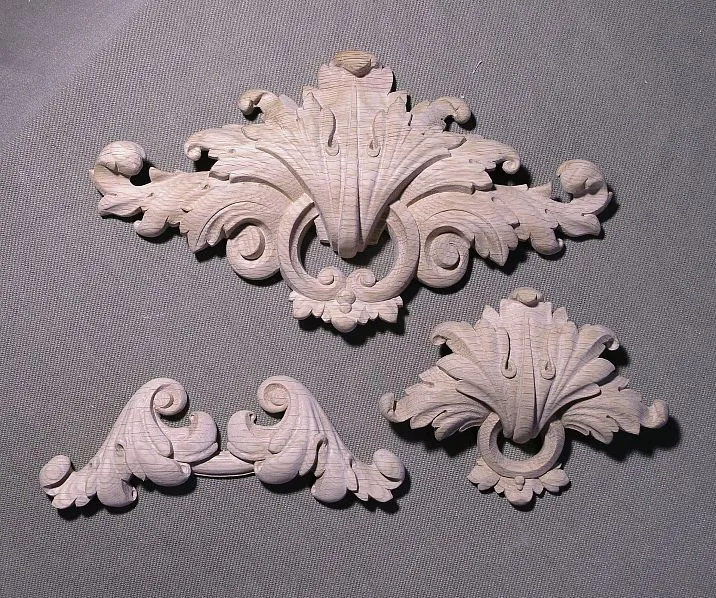
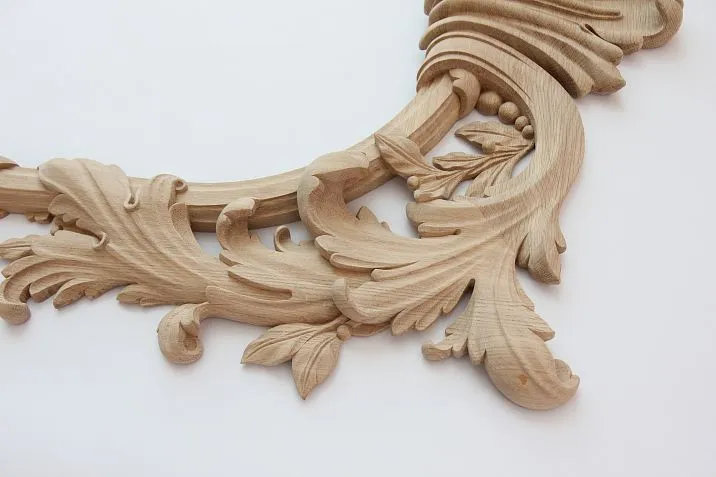
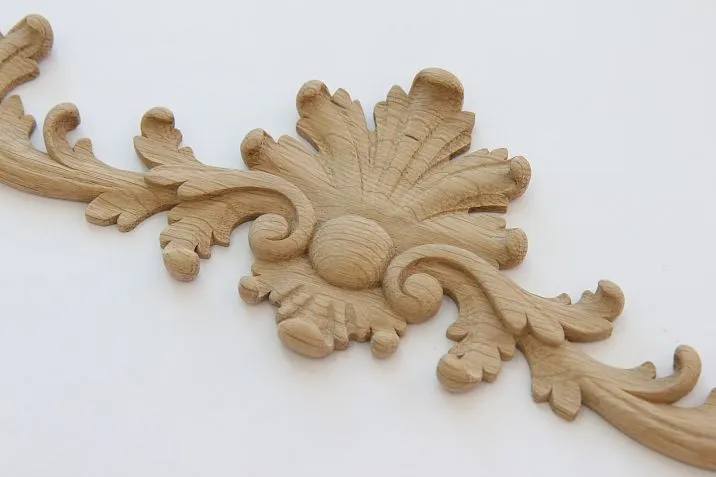
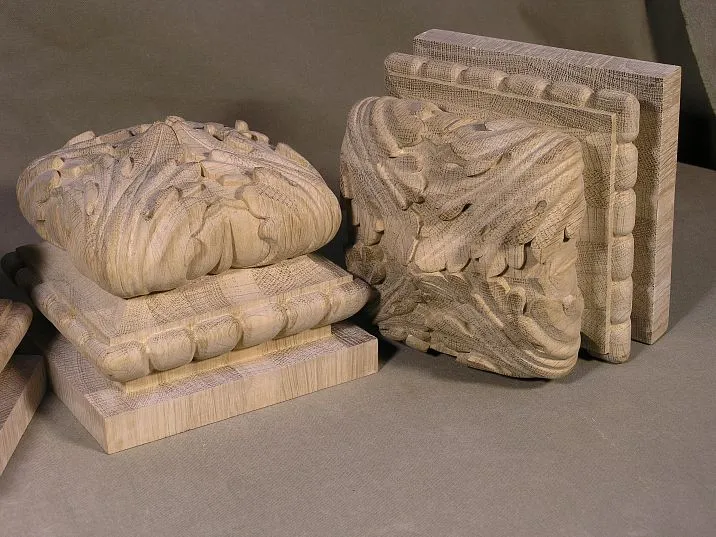
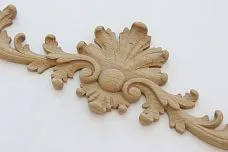
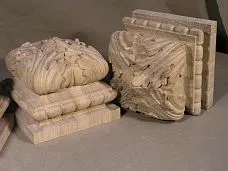
whether it's furniture, inlays, or other decorative elements.Furniture legsor other decorative elements.
In this article, you will learn how to properly restore wooden interior elements, which tools and materials to use, as well as where to buy high-quality parts for replacement.






Why do wooden elements require restoration?
Wood is one of the most noble and durable materials actively used in interiors. However, over time, even high-quality wooden items lose their appeal. This is a natural process caused by exposure to various external factors. Restoration not only restores the aesthetic appearance of items but also preserves their functionality for many years.
Stavros company's products, such asFurniture legs, decorative inlays and other elements, are made from solid wood, ensuring their strength and refined appearance. However, even such items may require updating over time.
Our factory also produces:


Main reasons for the need for restoration
- Wear of protective coating.
Lacquers, oils, and paints applied to wooden items gradually lose their properties. Scratches, cracks, and other defects appear on the surface, making the items vulnerable to external influences. - Mechanical damage.
Frequent use of furniture may lead to scratches, chips, and dents. This is especially relevant for elements such aswooden table legs orDecorative Inserts, which are subjected to daily loads. - Effect of moisture.
Wood is a hygroscopic material that reacts to changes in humidity levels. When exposed to water, it swells, and in dry conditions, it cracks. For example,wooden furniture legs, located near the floor, are often exposed to moisture from floor cleaning. - Effect of ultraviolet radiation.
Direct sunlight can cause wood to fade. Natural tones become dull, and the texture less pronounced. - Loss of decorative appeal.
Even if an item remains functional, its appearance may no longer match modern style standards over time. This is especially true for decorative elements such asfurniture legs or carved inlays, which require regular re-coating.
Get Consultation
Why restoration is better than replacement?
Restoration is an economical and eco-friendly way to extend the life of wooden items. Instead of buying new elements such aswooden furniture legs or inlays, you can restore old ones, returning them to their original appearance.
Advantages of restoration:
● Cost savings.
● Preservation of unique design and alignment with interior style.
● Minimization of waste and preservation of the environment.
Even if damage appears significant, in most cases it can be repaired using appropriate materials and tools. In cases where restoration is not possible, you can alwaysBuy legs for furniture or other elements in the Stavros catalog.
Preparation for restoration of wooden elements
Restoration of wooden items is a process requiring attention to detail and careful preparation. The quality of the final result depends entirely on the preparatory stage. Before beginning restoration, it is essential to inspect the item, prepare tools, and select appropriate materials.
Stage 1: Inspection and Diagnosis
Before beginning restoration, it is necessary to thoroughly examine the condition of the item:
● Determine the extent of damage. Pay attention to scratches, chips, cracks, abrasions, and color loss. For heavily worn elements, such asLegs for wooden tables, replacement of individual parts may be required.
● Check the structural integrity. Ensure that furniture elements are stable, especially if they are supports. If parts are loose or separating, connections must be reinforced before beginning restoration.
● Assess the type of old finish. This will help choose the appropriate method for its removal. Lacquered items require sanding, while painted items require paint stripper.
Stage 2: Tool Preparation
For restoration of wooden interior elements, you will need:
Basic tool set:
- Sanding machine. Used for removing old finishes and leveling surfaces. If the item has intricate carving, for example,Decorative Inserts, manual sanding will also be useful.
- Sandpaper of various grits. From coarse for removing finishes to fine for final finishing.
- Handsaw or chisel. For removing damaged parts or trimming edges.
- Brushes and rollers. For applying lacquer and paint.
- Polishing cloth. For finishing the surface to a perfect state.
Additional tools:
● Clamps for securing elements.
● Carving tools for working with small details.
● Painter’s tape for protecting undamaged parts.
Stage 3: Material Selection
Quality materials are the key to successful restoration. Selection depends on the type of item and its purpose.
Restoration materials:
- Wood putty. Helps repair small cracks and chips. For such elements aswooden furniture legs, use putty matching the color.
- Wood glue. For repairing broken parts or strengthening joints.
- Paint stripper. Required for removing stubborn lacquer and paint finishes.
- Lacquer or oil. For renewing the finish. Lacquer is suitable for items requiring a durable film, such asdining table legsUse oil to preserve the natural appearance of the wood.
- Paint. Suitable for a radical change in appearance. Use for updating decorative elements, for example,appliqués.
Step 4: Preparing the item for restoration
- Surface cleaning.
Remove dust, dirt, and grease stains using a soft cloth and soapy solution. Allow the item to dry completely. - Protecting vulnerable areas.
Use painter's tape to protect areas that do not require treatment. This is especially important when restoring items with intricate carving, such asdecorative inlays for furniture. - Removing old finish.
○ For varnishes and oils, use sanding.
○ For painted surfaces, use paint stripper. Apply with a brush, wait the time specified in the instructions, then remove old paint with a scraper.
Preparation stage — the key to successful restoration. After the item has been cleaned and prepared, you can proceed to restore its surface.
Stages of restoring wooden elements
After preparing the item for restoration, you can begin the main restoration process. It includes repairing defects, leveling the surface, applying a new finish, and final polishing. Each step has its own characteristics, especially when dealing with elements such aswooden table legs orDecorative Inserts.
Step 1: Repairing defects
On this stage, mechanical damage such as cracks, chips, scratches, or dents are repaired.
For minor damage:
- Filling cracks and scratches.
○ Use wood filler matching the item's color.
○ Apply with a putty knife, filling all recesses.
○ After drying (time specified on packaging), gently sand the repaired area to make the surface smooth.
- Polishing.
○ For minor scratches, use a soft polishing paste or oil.
○ Apply the product to a cloth and rub the affected areas in circular motions.
For significant damage:
- Replace damaged parts.
If legs or inlays have deep cracks or are broken, replace them with new ones. You canbuy wooden legs for furniture or decorative inlays in the Stavros catalog, selecting the appropriate style and size. - Strengthening joints.
If supports or decorative elements have become loose, use wood glue and clamps to secure them.
Step 2: Surface Alignment
After eliminating defects, level the surface to ensure even coating application.
- Sanding.
○ Use medium-grit sandpaper (120-150) to remove remaining unevenness.
○ For complex elements, such asCarved legs for furniture, it is better to use hand sanding blocks or pads.
- Final finishing.
○ Proceed to fine-grit sandpaper (220-240) to achieve a perfectly smooth surface.
○ Remove dust using a damp cloth or vacuum cleaner with a soft attachment.
Step 3: Applying New Finish
Finish choice depends on your goals: preserve natural wood texture, add gloss, or give the item a new color.
Finish Options:
- Polyurethane
Polyurethane creates a durable protective film and enhances wood grain texture.
○ Apply the first coat of polyurethane with a brush or roller.
○ Let it dry, then lightly sand the surface with fine-grit sandpaper.
○ Apply a second coat to achieve an ideal finish.
- Oil
Oil protects wood from moisture and gives it a natural appearance.
○ Apply oil with a soft cloth or brush.
○ After 20-30 minutes, wipe off excess with a dry cloth.
○ For maximum protection, repeat the process 2-3 times.
- Paint.
○ Paint is suitable for changing the color of items such asapplique.
○ Use acrylic or alkyd paint for wood.
○ Apply paint in 2-3 coats, allowing each coat to dry completely.
Step 4: Final Polishing
Final polishing completes the restoration process, giving items a finished look.
- Polishing Polyurethane
Use polishing compound and a soft cloth to create a shine. Polish the surface in circular motions until achieving a mirror-like finish. - Oil or Wax Treatment
For a natural finish, apply a final coat of oil or wax to protect the item and enhance its texture.
Restoration Result
After completing all restoration steps, your wooden elements, such asLegs for wooden tables or overlays, will look like new. If something cannot be restored, you can always find quality replacements in the Stavros catalog.
Care for Restored Wooden Items
After completing restoration, it is important to provide proper care for wooden elements to maintain their refreshed appearance and extend their lifespan. Restored items, such aswooden furniture legs or decorative overlays, require regular attention and careful handling.
General Care Recommendations
- Regular cleaning:
○ Wipe items with a soft cloth to remove dust and dirt.
○ For varnished surfaces, use special polishes that restore shine and protect the finish.
- Moisture protection:
○ Avoid prolonged contact of items with water. If liquid gets on the surface, immediately wipe it with a dry cloth.
○ Do not allow excessive humidity in the room, especially for such elements asWooden legs for tables, located near the floor.
- Avoid mechanical damage:
○ Use protective pads on furniture legs to prevent scratches on the floor and on the items themselves.
○ Do not allow sharp or heavy objects to come into contact with wooden surfaces.
- Coating renewal:
○ If the surface begins to dull or lose its protective properties, apply an additional layer of varnish, oil, or wax.
○ The frequency of reapplying the finish depends on usage conditions: for less frequently used elements, treatment once every 2-3 years is sufficient, while for frequently used items, annual treatment is recommended.
Care for Specific Elements
For Furniture Legs:
● Check their condition monthly: are the joints loose, have scratches or dents appeared?
● For such items asLegs for chairs, use soft mats or rugs to reduce surface load.
For Decorative Overlays:
● Use a soft brush or cloth to remove dust from overlays to avoid damaging the threads.
● Once a year, renew the overlay finish with oil or wax to enhance their texture and protect against fading.
Advantages of Using Stavros Products
Stavros Company offers high-quality wooden elements suitable for both restoration and creating new interiors. If restoration of an item is impossible, you can always find a replacement in the Stavros catalog.
Why choose Stavros?
- Materials are
All items, includingFurniture Legs and Supports, are made from solid wood, ensuring their strength, durability, and eco-friendliness. - Wide assortment:
The catalog includes:
○ Legs for wooden tables for any interior style.
○ Decorative Inserts for furnishing furniture and walls.
○ Decorative furniture legs for exclusive design.
- Individual approach:
Stavros offers custom-made items, allowing you to select elements perfectly suited by size, color, and style. - Shopping convenience:
Products are available for order with delivery throughout Russia. You can easilybuy furniture legs in Moscow or in other regions, including remote areas.
Results
Restoring wooden interior elements is an excellent way to preserve their beauty and functionality. Following care and treatment recommendations, you can extend the lifespan of such items aswooden furniture legs or decorative inlays.
If you need new elements for replacement or to enhance your interior, contact Stavros. High-quality products and a wide selection will help you create a stylish and long-lasting interior!