Article Contents:
- The Philosophy of Restaurant Space: More Than Just Interior Design
- Concept as the Foundation of Success
- Target Audience: Key to Understanding Needs
- Emotional Component: How Interior Influences Perception
- Key Elements Forming the Restaurant Ambiance
- Spatial Solution and Zoning
- Color Solutions and Their Impact on Appetite and Mood
- Lighting: Creating Atmosphere and Accents
- Acoustics: Balancing Energy and Comfort
- Natural Materials in Creating Authentic Ambiance
- Wood: Warmth and Coziness in Every Detail
- Stone: Strength and Natural Beauty
- Textiles: Softness and Comfort
- Wooden Elements as a Key Component of Restaurant Ambiance
- Solid Wood Furniture: Investment in Quality and Style
- Decorative Panels and 3D Elements
- Carved Elements: Art in Details
- Stylistic Directions in Restaurant Design
- Classic Style: Timeless Elegance
- Modern Minimalism: Functionality and Clean Lines
- Eco-Style: Harmony with Nature
- Industrial Style: Brutality and Character
- Trends in Restaurant Design for 2025
- Ecological sustainability and development
- Technology Serving Atmosphere
- Multifunctionality and Space Transformation
- Personalization and uniqueness
- Practical Aspects of Creating Restaurant Ambiance
- Ergonomics and Functionality: Comfort Above All
- Materials and Finishes: Practicality and Durability
- Lighting and Acoustics: Creating a Comfortable Environment
- Seasonal Update: Maintaining Interest
- Role of Details in Creating a Memorable Ambiance
- Decorative Elements: Accents That Define Character
- Textiles and Textures: Tactile Experience
- Aromadécor: The Invisible but Important Element
- Tableware and Service: Extending the Interior
- Conclusion: Creating a Harmonious Space
Have you ever wondered why some restaurants make you want to stay longer, while others you leave as soon as you step in? Why some establishments become magnets, where every table is booked weeks in advance, while others remain empty even on weekends? The secret lies not only in the chef’s skill and service quality. The key role is played by restaurant ambiance — that elusive atmosphere that envelops the guest from the first second and remains in memory long after the visit.
Creating the ideal restaurant space is a true art, requiring a deep understanding of perception psychology, refined taste, and attention to the smallest details. It is a symphony, where each element plays its part, and together they create a harmonious composition capable of touching the visitor’s soul.
In this article, we will dive into the multifaceted world of restaurant design, reveal the secrets of creating a memorable atmosphere, and explain how properly chosen decorative elements can transform an ordinary restaurant visit into an unforgettable gastronomic journey.




Philosophy of Restaurant Space: More Than Just Interior
Before discussing specific design elements, it is important to understand the philosophy behind creating a restaurant space. The interior of a venue is not merely a set of furniture and decor—it is the visual embodiment of the concept, the story the restaurant wishes to tell its guests.




Concept as the Foundation of Success
Any successful restaurant project begins with a clear concept. This is a sort of foundation upon which everything else is built: from the menu to the smallest interior details. The concept defines the character of the establishment, its uniqueness, and its market positioning.
Imagine you are opening an Italian restaurant. What story do you want to tell? It could be a cozy family trattoria with recipes passed down through generations, an exquisite fine-dining establishment, or a modern pizzeria in the style of Neapolitan street food. Each of these concepts will require a completely different approach to interior design.
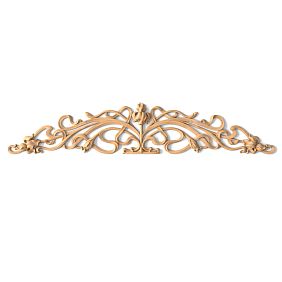
Our factory also produces:


Target Audience: Key to Understanding Needs
To create a truly attractive restaurant ambianceit is necessary to clearly understand for whom it is being created. Age, social status, lifestyle, preferences, and habits of the target audience—all of this must be considered when developing the design project.
Young people prefer dynamic spaces with bright accents and unconventional solutions. Business audiences value understated elegance and comfort. Families with children will focus on practicality and safety of the interior. Understanding the psychology and needs of your target audience will help create a space that resonates with their expectations.
Get Consultation
Emotional Component: How Interior Influences Perception
The atmosphere of a restaurant is closely linked to the emotional component of a person. The interior can evoke certain emotions and influence the mood of guests. This, in turn, affects how they perceive the quality of food and service.
Studies show that guests in a cozy, inviting environment tend to rate the taste of dishes higher than in unpleasant or uncomfortable spaces. Moreover, a properly created atmosphere can increase the length of guest stay and, consequently, the average check.
Key Elements Forming Restaurant Ambiance
Creating the ideal restaurant space is composed of many elements, each playing its role in forming the overall impression. Let us consider the main components that define the character and atmosphere of the establishment.
Spatial Solution and Zoning
Proper organization of space is the foundation for guest comfort in a restaurant. Modern trends lean toward open layouts, which create a sense of spaciousness and freedom. However, it is important to properly zone the space so that every guest feels comfortable.
Main restaurant zones include:
- Entrance area with cloakroom and waiting zone
- Main hall with various seating types
- Bar area
- VIP zones or private event rooms
- Open kitchen (if provided by the concept)
- Sanitary zones
When zoning, it is important to consider the logistics of movement for both guests and staff. Properly organized flow ensures guest comfort and staff efficiency.
Color solutions and their impact on appetite and mood
Color is a powerful tool for influencing a person's psychological state. In restaurant design, the color palette can stimulate appetite, create a certain mood, and even affect the speed of food consumption.
- Red stimulates appetite and encourages quick decision-making. Ideal for fast-food establishments where high throughput is essential.
- Yellow uplifts mood and also stimulates appetite, but in excess may cause anxiety.
- Green relaxes and calms, encouraging guests to take their time and enjoy their food and conversation.
- Blue and purple may suppress appetite, so they are better used as accents rather than primary colors.
- Brown and beige create a sense of stability and reliability, and pair well with wooden elements.
It is important to remember that color can be used not only in wall finishes, but also in textiles, furniture, tableware, and other decorative elements, creating a multi-layered color composition.
Lighting: creating mood and accents
Lighting is one of the most important elements in creating a restaurant's atmosphere. It can completely transform the space, highlight its strengths, and conceal its weaknesses.
Modern lighting approach implies a multi-level system:
- General lighting, providing basic illumination of the space
- Accent lighting, highlighting specific zones or decorative elements
- Decorative lighting, creating a special atmosphere (candles, garlands, designer lamps)
Warm, dim lighting creates an intimate, relaxing atmosphere, ideal for romantic dinners or leisurely conversations. Bright lighting is better suited for daytime or fast-service establishments.
Smart lighting systems allow adjusting the intensity and color temperature of light depending on the time of day, creating different atmospheric scenarios throughout the day.
Acoustics: balance between energy and comfort
Sound design of the space is often underestimated, although it plays a crucial role in creating a comfortable atmosphere. Too noisy a space causes discomfort and a desire to leave quickly, while too quiet may create a sense of tension.
To create an ideal acoustic environment, the following are used:
- Sound-absorbing materials in finishes (acoustic panels, textiles, soft furniture)
- Background music matching the establishment's concept
- Zoning of space to create quieter and more lively zones
Properly selected music not only creates a certain mood, but can also influence the speed of food consumption and even the choice of dishes. Studies show that classical music encourages guests to choose more expensive menu items, while fast-paced music accelerates the eating process.
Natural materials in creating an authentic ambiance
In the era of mass production and synthetic materials, natural textures acquire special value. They are not only eco-friendly but also possess a unique energy that creates an irreplaceable atmosphere in a restaurant.
Wood: warmth and coziness in every detail
Wood is one of the most noble and versatile materials for creating ambiance of the restaurantIt brings natural beauty, warmth, and coziness into the interior, creating a sense of connection with nature.
Each type of wood has its own character and energy:
- Oak symbolizes strength, reliability, and longevity
- Walnut adds aristocracy and elegance to the interior
- Spruce creates an atmosphere of lightness and freshness
- Cherry brings warmth and elegance
Wooden elements can be present in the restaurant interior in various forms:
- Furniture (tables, chairs, bar counters)
- Wall and ceiling finishes (panels, beams)
- Floor coverings
- Decorative elements (carved panels, sculptures, accessories)
Wooden wall panels have gained particular popularity in modern interiors, as they not only decorate the space but also possess excellent sound insulation properties, which is especially important for restaurants with high foot traffic.
Stone: strength and natural beauty
Natural stone is another material capable of transforming the restaurant interior, adding natural beauty and elegance. Marble, granite, slate, limestone — each type of stone has its own unique pattern and texture.
In modern restaurant interiors, stone is used for:
- Wall finishes (stone masonry, decorative panels)
- Floor coverings
- Countertops and bar counters
- Decorative elements (fireplaces, columns, sculptures)
The combination of stone and wood looks especially striking — these two materials complement each other beautifully, creating a harmonious and cozy interior.
Textile: softness and comfort
Textile elements play an important role in creating a cozy atmosphere in a restaurant. Curtains, tablecloths, napkins, upholstery — all these details not only serve a practical function but are also important accents in the interior.
When choosing textiles for a restaurant, pay attention to:
- Material quality and practicality
- Compatibility with the overall concept and color scheme
- Fire resistance (an important aspect of safety)
- Ease of care and cleaning
Natural fabrics (linen, cotton, wool, silk) create more pleasant tactile sensations and work better with other natural materials, creating a harmonious ensemble.
Wooden elements as a key component of restaurant ambiance
Wooden decorative elements occupy a special place in creating a cozy and stylish restaurant interior. They are capable of transforming any space, adding warmth, comfort, and individuality.
Solid wood furniture: an investment in quality and style
Furniture made of natural wood is not just decorative items, but an investment that will serve for decades and only gain character and charm over time. Tables, chairs, bar counters, and chests made of solid wood become central elements of the interior, setting the tone for the entire space.
When choosing wooden furniture for a restaurant, it is important to consider:
- Durability and longevity (restaurant furniture is subjected to intensive use)
- Ergonomics and comfort (guest comfort is a priority)
- Style compatibility with the overall concept
- Practicality in maintenance and service
Modern manufacturers offer a wide range of restaurant furniture made from various types of wood, from classic models to avant-garde design solutions. Furniture made by hand, custom-ordered, holds special value — it gives the interior uniqueness and distinctiveness.
Decorative panels and 3D elements
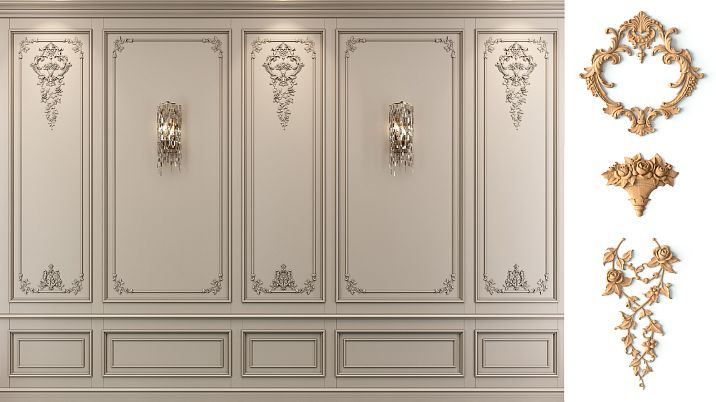
Wooden panels are one of the most effective ways to transform a restaurant interior. They can cover walls completely or partially, creating interesting compositions and accents.
Modern technologies allow creating 3D panels with various reliefs and textures. Such panels not only decorate the space but also improve room acoustics, which is especially important for restaurants.
Wooden panels can imitate various styles and eras:
- Classic boiseries for elegant restaurants
- Rustic planks for country or chalet-style establishments
- Geometric 3D compositions for modern interiors
- Carved panels with national motifs for ethnic restaurants
Carved elements: art in details
Wood carving is an ancient art that is experiencing a true renaissance today. Modern technologies allow creating carved elements that are astonishing in beauty and complexity, becoming true works of art in the restaurant interior.
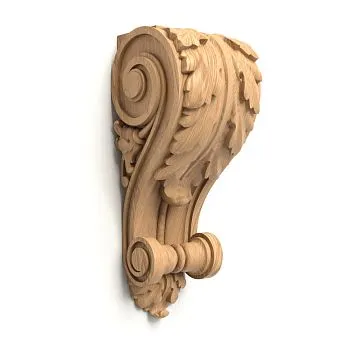
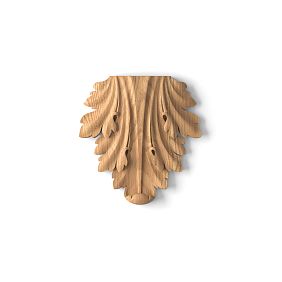
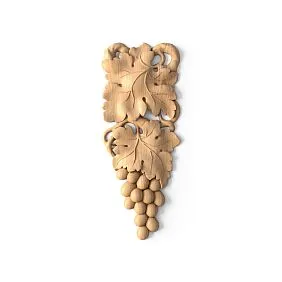
Carved panels, cornices, columns, decorative grilles — all these elements can become striking accents in the interior, bringing a sense of handcrafted work, individuality, and connection to traditions.
Carved elements look especially effective in interiors designed in classical, ethnic, or rustic styles. However, even in modern minimalist spaces, wooden carving can become an interesting contrasting accent.
Stylistic directions in restaurant design
Choosing a stylistic direction is one of the key decisions when creating a restaurant interior. The style not only defines the visual perception of the space but also the overall atmosphere, character of the establishment, and its positioning in the market.
Classic style: timeless elegance
Classic style in restaurant design is the embodiment of elegance, luxury, and impeccable taste. It never goes out of fashion and is always associated with a high level of service and quality.
Key features of classic interior:
- Symmetry and proportionality
- Exquisite materials (precious wood, marble, crystal)
- Subdued color palette with gold or silver accents
- Decorative elements (moldings, carvings, luxurious fabrics)
- Classic furniture with elegant forms
Classic style is ideally suited for high-end restaurants, where it is important to create an atmosphere of elegance and special occasion.
Modern minimalism: functionality and clean lines
Minimalist style in restaurant design is the embodiment of a modern approach, where functionality, clean lines, and absence of unnecessary details prevail.
Key features of minimalist interior:
- Open space with minimal partitions
- Neutral color palette with bright accents
- Simple geometric forms
- Natural materials in modern execution
- Functional furniture without unnecessary decoration
Minimalism works well in modern urban restaurants targeting a young, progressive audience who appreciate simplicity and functionality.
Eco-style: harmony with nature
Eco-style in restaurant design is a direction that prioritizes ecology, naturalness, and harmony with nature. In an era of growing ecological awareness, such an approach is gaining increasing popularity.
Key features of eco-interior:
- Natural materials with minimal processing
- Abundance of live plants
- Natural color palette (shades of green, brown, beige)
- Maximum use of natural light
- Furniture made from eco-friendly materials
Eco-style is ideally suited for restaurants serving healthy food, vegetarian and vegan establishments, as well as restaurants located in the countryside, surrounded by nature.
Industrial style: brutality and character
Industrial style or loft is a direction that originated in former industrial spaces and adopted their brutal aesthetic. Today, this style is intentionally recreated in new spaces, attracting attention with its authenticity and character.
Key features of industrial interior:
- Exposed utilities (pipes, ducts, wiring)
- Unfinished surfaces (brick walls, concrete floors)
- Combination of metal, wood, and glass
- Vintage or industrial lighting fixtures
- Furniture with industrial design elements
Loft works excellently in pubs, steak houses, burger joints — establishments with a distinctly masculine character.
Restaurant design trends for 2025
The world of restaurant design is constantly evolving, reflecting changes in society, technology, and environmental awareness. Let’s examine the main trends that define the look of modern restaurants in 2025.
Ecological sustainability
Care for the environment has ceased to be just a fashionable trend and has become an essential part of the philosophy of modern restaurant business. This is evident not only in the menu but also in the approach to interior design.
Modern restaurants strive to:
- Use eco-friendly materials
- Minimize waste during construction and finishing
- Implement energy-saving technologies
- Create interiors that can be easily updated without major renovation
Materials with history are gaining particular popularity — reclaimed wood, vintage furniture, and items from the past that receive new life in modern interiors.
Technology at the service of atmosphere
Modern technologies are increasingly penetrating the restaurant business, helping to create unique impressions for guests.
Among the technological trends in restaurant design:
- Smart lighting systems that adapt to time of day and mood
- Interactive surfaces (tables, walls, bar counters)
- Aromatization systems that create a specific atmosphere
- Augmented reality technologies that expand the gastronomic experience
At the same time, it is important that technologies do not distract from the main thing — food and conversation — but rather seamlessly integrate into the overall concept of the establishment, enhancing guests’ impressions.
Multifunctionality and space transformation
Modern restaurants strive to use every square meter of space as efficiently as possible. This leads to the creation of multifunctional spaces that can transform depending on the time of day or event.
During the day, a restaurant may operate as a café or co-working space, in the evening transform into a gastronomic restaurant, and at night into a bar or club. Such transformation is achieved through:
- Modular furniture that is easy to move and group
- Sliding partitions for zoning space
- Multi-level lighting to create different scenarios
- Universal design that works well in different formats
Personalization and uniqueness
In the era of mass production, individuality is increasingly valued. Restaurants strive to create unique spaces that cannot be copied or replicated.
This is achieved through:
- Works with local artisans and artists
- Use of unique art and decor items
- Custom furniture and interior elements
- Integration of local culture and traditions into design
Such an approach not only creates a memorable interior but also supports local producers, aligning with the philosophy of sustainable development.
Practical aspects of creating a restaurant ambiance
In addition to the aesthetic component, when designing a restaurant interior, numerous practical aspects must be considered, which affect guest comfort and staff efficiency.
Ergonomics and functionality: comfort above all
Even the most beautiful interior won't save a restaurant if it's uncomfortable to be in. Ergonomics and functionality are the foundation of guest comfort and efficient staff work.
When planning the space, consider:
- Optimal distance between tables (at least 75-90 cm)
- Ease of sitting and standing (sufficient space to pull out chairs)
- Width of aisles for guests and staff
- Location of serving stations and auxiliary rooms
- Acoustic comfort (ability to converse without raising one's voice)
Special attention should be paid to furniture—it must be not only beautiful but also comfortable. Uncomfortable chairs, tables that are too high or too low can spoil even the most exquisite kitchen.
Materials and finishes: practicality and durability
A restaurant is a space with high traffic and intensive use. Therefore, when selecting materials for finishes and furniture, one must consider not only their aesthetic qualities but also practicality, durability, and ease of maintenance.
Material selection recommendations:
- Floor coverings must be wear-resistant, non-slip, and easy to clean
- Walls in high-traffic zones are better protected with panels or washable finishes
- Furniture must be made from durable materials resistant to stains and mechanical damage
- Textiles (tablecloths, napkins, upholstery) must be easy to clean or replaceable
It is important not to sacrifice aesthetics for practicality. Modern technologies allow creating materials that combine beauty and functionality.
Lighting and acoustics: creating a comfortable environment
Lighting and acoustics are two key factors often underestimated when designing a restaurant interior, although they largely determine guest comfort.
Lighting recommendations:
- Create a multi-level lighting system (general, accent, decorative)
- Use dimmers to adjust light intensity
- Ensure adequate menu lighting (so guests can read comfortably)
- Avoid overly bright or overly dim lighting
- Consider lamp color rendering (they must accurately convey dish colors)
Acoustic recommendations:
- Use sound-absorbing materials (acoustic panels, textiles, soft furniture)
- Avoid excessively large empty spaces with hard surfaces
- Select background music and its volume appropriately
- Create zones with different noise levels for different types of guests
Seasonal updates: maintaining interest
To maintain interest among regular guests and attract new ones, restaurants often update not only the menu but also interior elements according to the season or holidays.
Seasonal updates may include:
- Changing textiles (tablecloths, napkins, cushions)
- Updating decorative elements (vases, candles, arrangements)
- Changing lighting (warmer and dimmer in winter, brighter in summer)
- Thematic decoration for holidays or events
Such updates do not require significant expenses but create a sense of novelty and demonstrate attention to detail, which is highly valued by guests.
The role of details in creating a memorable ambiance
truly memorable ambiance of the restaurant play a huge role - those small but significant elements that give the space its individuality and character.
Decorative Elements: Accents Creating Character
Decorative elements are those touches that complete the interior design, making it unique and memorable. They can reflect the restaurant's concept, tell its story, and create a certain atmosphere.
Decorative elements include:
- Artworks (paintings, sculptures, installations)
- Vintage items with history
- Functional zones of a manor house
- Decorative tableware and accessories
- Textile elements (cushions, blankets, drapes)
It is important that decorative elements are not random, but support the overall concept and style of the establishment, creating a cohesive image.
Textiles and textures: tactile experience
Textiles and various textures in the interior create a tactile experience that complements visual impressions. The touch of soft chair upholstery, the feel of linen napkins in the hands, the warmth of a wooden tabletop - all of this forms a comprehensive perception of the space.
When selecting textiles and textures, it is important to consider:
- Compatibility with the overall style and concept
- Final reflections: Home as a reflection of the soul
- The tactile sensations they create
- Compatibility with other interior elements
An interesting technique - contrast of textures: combining rough and smooth, soft and hard, matte and shiny creates a dynamic, multi-layered interior.
Aromadéco: an invisible but important element
Scent is one of the most powerful triggers of emotions and memories. A well-chosen aroma can enhance the impression of the interior, create a certain mood, and become the 'signature' of a restaurant, by which it will be recognized.
Aromadéco in a restaurant may include:
- Natural scents from an open kitchen or fireplace
- Scents of freshly baked goods or coffee
- Specifically developed compositions matching the concept
- Seasonal scents that change throughout the year
It is important that the scent is subtle and harmonizes with the restaurant's kitchen, not overpowering the aromas of dishes.
Tableware and table setting: continuation of the interior
Tableware and table setting are a continuation of the restaurant's interior, elements that guests interact with directly. They should support the overall concept and style of the establishment, complementing gastronomic impressions.
When selecting tableware and table setting elements, it is important to consider:
- Alignment with the style of the kitchen and interior
- Functionality and ease of use
- Quality and durability
- Uniqueness and memorability
Many restaurants today order tableware from local potters or even develop their own collections, which become part of their distinctive style.
Conclusion: creating a harmonious space
Creating the ideal ambiance of the restaurant is a complex, multifaceted process requiring attention to detail, understanding of perception psychology, and deep immersion in the establishment's concept. It is the art of balancing aesthetics and functionality, tradition and innovation, uniqueness and comfort.
A successful restaurant interior is not just a beautiful space, but an environment that evokes specific emotions, supports gastronomic impressions, tells a story, and creates a unique experience for each guest.
In a world where competition in the restaurant business is becoming increasingly fierce, it is precisely the atmosphere and unique ambiance that can become a competitive advantage distinguishing the establishment from many others and attracting a loyal audience.
Remember that creating the ideal restaurant space is not a one-time project, but an ongoing process of development and refinement. The interior must evolve alongside the establishment's concept, reflect current trends, while preserving its authenticity and character.
Inspire, experiment, create spaces that delight the eye, warm the soul, and leave unforgettable impressions on everyone who steps into your restaurant.