Article Contents:
- Historical Evolution of Door Frame Design
- Antiquity and the Middle Ages: Origins of Tradition
- Renaissance and Baroque: Peak of Ornamentation
- Classicism and Historicism: Return to Canons
- Modernism and Contemporary Design: New Forms and Materials
- Materials for Door Frame Installation: Traditions and Innovations
- Wood: Eternal Classicism
- Stone and Artificial Stone: Monumentality and Elegance
- MDF and Other Composite Materials: Practicality and Variety
- Metal and Glass: Contemporary Aesthetics
- Stylistic Solutions in Door Frame Installation
- Classic Style: Harmony and Proportion
- Rustic Style: Naturalness and Warmth
- Modern Minimalism: Simplicity and Functionality
- Ethnic styles: cultural diversity
- Eclecticism and Fusion: Creative Synthesis
- Manufacturing and Installation Technologies for Frames
- Design and Preliminary Work
- Technologies for Working with Wood
- Working with Stone and Composite Materials
- Installation of Door Frames
- Interior and Exterior Door Frame Installation
- Exterior Door Frame: Protection and Aesthetics
- Interior Door Frame: Aesthetics and Comfort
- Creating a Unified Stylistic Solution
- Functional Aspects of Door Frame Installation
- Thermal insulation and energy efficiency
- Sound insulation
- Protection from Moisture and Atmospheric Effects
- Security and Durability
- Decorative Elements and Finishing Techniques
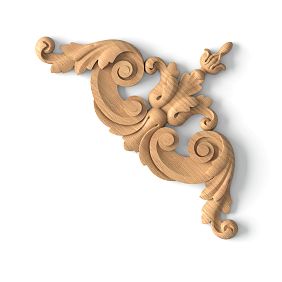
- Wood Carving
- Inlay and Marquetry
- Gilding and Patination
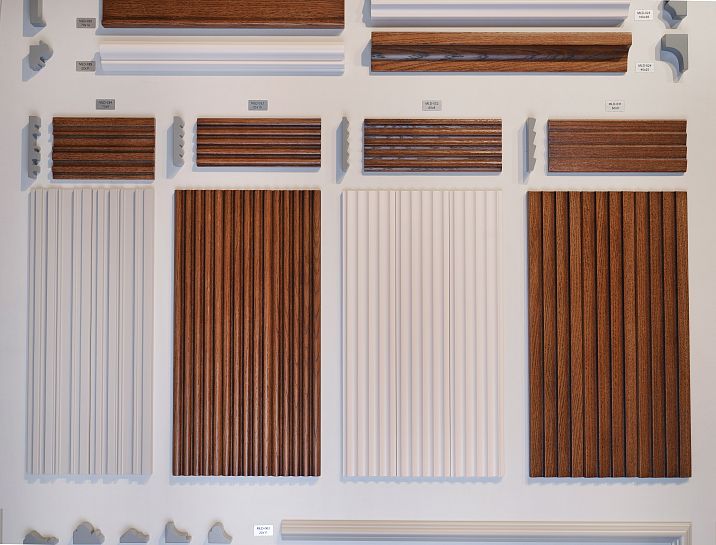
- Moldings and Plaster Techniques
- Stained Glass and Glass Elements
- Practical recommendations for selection and care
- Choosing style and material
- Care for frames made of various materials
- Restoration and renewal
- Modern trends and innovative solutions
- Integrated lighting
- Smart technologies
A door is not just a functional element protecting the home from unwanted guests and external influences. It is the first thing visitors to your home see, a kind of business card reflecting the taste and status of the owners. Door Frame Installation plays a key role in creating a cohesive architectural image, highlighting the building's style and forming the first impression of the interior space.
In this article, we will delve into the multifaceted world of door frame installations, examining their historical development, variety of materials and styles, technological features of manufacturing and installation, as well as modern trends in this field. Whether you are planning restoration of a historic building or decorating a modern interior, this information will help you make an informed choice and create a harmonious, functional, and aesthetically appealing Door Frame Installation.




Historical Evolution of Door Frame Design
The history of door frame installations is inseparably linked to the development of architecture and reflects the aesthetic ideals and technological capabilities of various eras. Let us trace the evolution Door frame from antiquity to the present day.




Antiquity and the Middle Ages: Origins of Tradition
In ancient Greek and Roman architecture, entrance portals were often framed using the order system. Door openings were framed by columns or pilasters supporting the antefix and pediment. Such Door Frame Installation not only served a decorative function, but also emphasized the importance of the building, its public or sacred character.
In medieval Europe, especially during the Gothic period, cathedral entrances became objects of complex architectural composition. Multi-tiered voussoirs, pointed arches, rich sculptural decoration — all this created an impressive effect of transitioning from the secular to the sacred space. Each element Door frame carried symbolic meaning, telling biblical stories and instructing believers.
In residential medieval architecture, frames were more modest, but also reflected the owner's status. Homes of the nobility could have stone portals with coats of arms and mottos, while the dwellings of ordinary townspeople were limited to simple wooden door casings.
Our factory also produces:




Renaissance and Baroque: Peak of Ornamentation
The Renaissance returned architecture to classical forms of antiquity, but with a new understanding of space and proportions. Door Frame Installation During this period, it becomes more harmonious, governed by strict mathematical ratios. Popular elements include rusticated pilasters, semicircular arches, medallions, and cartouches with images of ancient heroes or allegorical figures.
Baroque introduces dynamism and theatricality into architecture. Door portals of this period are characterized by:
- Complex curved forms
- Broken pediments
- Opulent sculptural decoration
- Contrasts of light and shadow
Baroque masters virtuosically used various materials — marble, bronze, gilded wood — creating impressive compositions intended to astonish the imagination.
Get Consultation
Classicism and Historicism: Return to Canons
Classicism of the 18th-19th centuries returns architecture to the strictness and rationality of ancient forms. Door Frame Installation In this style, symmetry, restraint, and precise adherence to proportions are characteristic. Typical elements include triangular and semicircular sash windows, Doric or Ionic order pilasters, and keystone stones.
The period of Historicism in the 19th century is characterized by a turn towards various historical styles — from Neo-Gothic to Neo-Baroque. This was a time of eclecticism, when architects freely combined elements from different eras, creating unique, sometimes fantastical door frame designs.
Modernism and Contemporary Design: New Forms and Materials
At the turn of the 19th and 20th centuries, the modern (Art Nouveau) style proposed a fundamentally new approach to architectural framing. Rejecting direct citation of historical styles, modernism turned to natural forms and new materials. In Door frame this style are characterized by:
- Smooth, flowing lines
- Asymmetrical compositions
- Plant motifs
- Use of metal, glass, ceramics
Modern architecture offers endless variety of approaches to designing entrance zones — from minimalist high-tech solutions to complex compositions using innovative materials and technologies. At the same time, many designers turn to historical styles, adapting them to modern requirements of functionality and ecological sustainability.
Materials for door frames: Traditions and Innovations
Choice of material for Door frame determines not only its appearance, but also its durability, practicality, and cost. Let us consider the main materials, their characteristics, and specific applications.
Wood: Eternal Classic
. Its natural beauty, warmth, and eco-friendliness make wooden framing especially attractive for residential interiors. Door frameIts natural beauty, warmth, and eco-friendliness make wooden frames especially attractive for residential interiors.
Different wood species offer various possibilities for framing:
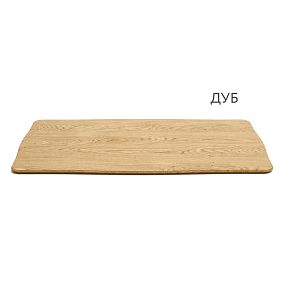
Oak — symbol of strength and durability. Oak frames are distinguished by:
- Expressive texture with visible growth rings
- High density and resistance to mechanical damage
- Ability to acquire a noble tone over time
- Excellent compatibility with classic interiors
Spruce — an accessible and practical option with the following characteristics:
- Light, warm tone
- Good workability
- Relatively low cost
- Susceptible to deformation when humidity changes
Larch — ideal choice for outdoor use Door frame:
- Exceptional resistance to rot and moisture
- High density and strength
- Beautiful amber tone
- Durability without additional treatment
Oak and beech — hard woods with uniform structure, easy to work with and stain, ideal for creating elegant profiles and carved elements.
Wooden frames can be crafted in various techniques — from simple profiled casings to complex carved compositions with inlays and gilding. However, it should be remembered that wood requires regular maintenance — treatment with protective coatings, painting, or varnishing to preserve its aesthetic and functional qualities.
Stone and artificial stone: monumentality and nobility
Natural stone has traditionally been used to create monumental portals in significant public buildings, palaces, and temples. Stone door frame designs distinguished by exceptional durability, strength, and majestic appearance.
Marble — classic material for refined frames:
- Distinctive vein pattern
- Ability to polish to a mirror finish
- Variety of shades — from white to black
- Susceptible to acid and pollution exposure
Granite — choice for long-lasting outdoor frames:
- Exceptional strength and wear resistance
- Resistance to atmospheric effects
- Variety of textures — from polished to bush-hammered
- Wide color palette
Limestone and sandstone offer softer, warmer alternatives Door frame:
- Ease of processing
- Natural earthy tones
- Porous structure, creating an interesting texture
- Good compatibility with brickwork
Artificial stone represents a modern alternative to natural stone, combining aesthetic qualities with practicality:
- Lower weight, facilitating installation
- Homogeneous structure without natural defects
- Wide selection of textures and shades
- More affordable cost
MDF and other composite materials: practicality and variety
Modern technologies offer an alternative to traditional materials in the form of MDF and other composite products for Door frameThey are characterized by lightness, ease of installation, resistance to moisture and temperature fluctuations.
MDF (Medium Density Fiberboard) — a popular material for interior finishing:
- Homogeneous structure without knots and voids
- Good machinability, allowing for complex profiles
- Ability to clad with various materials — veneer, PVC film, laminate
- Dimensional stability under humidity changes
Polyurethane — a lightweight and strong material for decorative elements:
- Accurate reproduction of complex shapes and textures
- Low weight, not creating load on structures
- Resistance to rot, insects, and mold
- Ease of installation and maintenance
Fiber-cement — a durable material for exterior Door frame:
- High strength and fire resistance
- Resistance to atmospheric effects
- Variety of textures — imitation of stone, wood, brick
- Ecological and durable
Metal and glass: modern aesthetics
In modern architecture, especially in high-tech and loft styles, popularity is gained door frame designs using metal — aluminum, steel, copper, brass. Metallic elements can have various finishes — from polished to aged, with patina.
Steel — a strong and ductile material:
- Ability to create both massive and elegant structures
- Variety of finishes — painting, chrome plating, patination
- Durability and resistance to mechanical impacts
- Compatibility with other materials — glass, wood, stone
Aluminum — a lightweight and modern material:
- Low weight with high strength
- Resistance to corrosion
- Ability to anodize in various colors
- Ecological and recyclable
Copper and brass — materials with a noble appearance:
- Unique patina developing over time
- Antibacterial Properties
- Ductility, allowing creation of complex shapes
- High decorative value and prestige
Glass, especially in combination with metal, allows creating light, airy door frame designswhich visually do not weigh down the space. Modern glass processing technologies — from sandblasting to fusing — open up wide possibilities for creating unique decorative effects.
Stylistic solutions for door frames
Door Frame Installation play an important role in forming the stylistic unity of the exterior and interior. Let us consider the main stylistic directions and their characteristic solutions.
Classic style: harmony and proportion
Classical door frame designs are characterized by symmetry, proportion, and use of elements of the order system. Typical details include:
- Columns or pilasters flanking the opening
- Antabлемент with frieze and cornice
- Triangular or semi-circular pediment
- Lock stones in arched openings
- Modillions and brackets supporting the cornice
The color palette of classical frames is usually restrained — white, beige, pastel tones, imitation of valuable wood or natural stone. Such solutions are ideal for historical buildings and modern interiors in the classical style.
Rustic style: naturalness and warmth
Rustic or country style implies the use of natural materials and simple forms. Door Frame Installation in this style are often made of roughly processed wood or stone, emphasizing the natural beauty of the material. Characteristic features:
- Minimal surface treatment, preserving natural texture
- Simple, functional forms without excessive decoration
- Warm, natural tones
- Often, wrought iron elements are used as a functional and decorative accent
Rustic style creates an atmosphere of coziness and warmth, ideally suited for country houses and interiors in the country or Provence style.
Modern minimalism: simplicity and functionality
Minimalist door frame designs distinguished by simplicity of forms, absence of excessive decoration, and emphasis on material quality and precision of execution. Characteristic features:
- Simple geometric forms
- Minimal decorative elements
- Emphasis on texture and material quality
- Contrasting color solutions
- Functionality of each element
Minimalist frames fit well into modern interiors without visually cluttering the space. They can be made from various materials — wood, stone, metal, and glass.
Ethnic styles: cultural diversity
Different cultural traditions offer unique variants of door frame design:
- Mediterranean style — arched openings, light plaster, terracotta tones, ceramic tiles
- Eastern style — carved wooden elements, complex geometric or floral ornaments, bright colors
- Russian style — carved door casings with solar symbols, kokoshniks, textiles
- Scandinavian style — light wood, simple forms, functionality, light tones
Ethnic styles allow creating a unique, distinctive space reflecting cultural traditions and history.
Eclecticism and fusion: creative synthesis
Modern interiors often combine elements of various styles, creating unique, personalized spaces. Door Frame Installation In an eclectic interior, one may combine classical forms with modern materials, traditional techniques with innovative solutions.
The key in eclecticism is creating a harmonious image, where different elements complement each other rather than conflict. This requires good taste and understanding of design principles, but the result can be impressive — unique Door Frame Installation, reflecting the owner's individuality.
Manufacturing and installation technologies for frames
Creating Quality Door frame Requires not only artistic taste but also technical skill, knowledge of material properties and technologies for their processing.
Design and preparatory work
The process of creating a frame begins with design — determining the style, dimensions, proportions, materials, and decorative elements. At this stage, detailed drawings or 3D models are created to visualize the final result.
Preparatory work includes:
- Accurate measurements of the opening or object to be framed
- Surface preparation — cleaning, leveling, priming
- Marking for precise positioning of elements
- Material preparation — cutting, preliminary processing
Woodworking technologies
Creating wooden door frames — is an art requiring deep understanding of wood properties and mastery of various processing techniques.
The process includes the following stages:
- Material selection and preparation — the wood must be well-dried (moisture not exceeding 12–15%), free of visible defects.
- Cutting — manufacturing blanks of the required size with allowances for processing.
- Profile creation — a decorative profile is formed using milling or hand tools according to the selected design.
- Carving (if necessary) — creating decorative elements using chisels, gouges, or modern CNC equipment.
- Sanding — careful surface processing to remove irregularities and create a smooth finish.
- Assembly — joining individual elements using glue, dowels, screws, or other fasteners.
- Final finishing — priming, staining, varnishing, or painting to protect the wood and achieve the desired appearance.
For creating complex shapes in wooden frames, wood bending techniques may be used. The most suitable species for bending are oak, beech, and ash, which, after special treatment, can take virtually any shape.
Working with stone and composite materials
Creating stone door frames requires special equipment and high-skilled craftsmen. The process includes:
- Selecting stone based on its strength, decorative qualities, and resistance to external influences.
- Cutting to obtain blanks of the required size.
- Surface treatment — sanding, polishing, and creating texture.
- Sculptural processing — creating reliefs, ornaments, and sculptural elements.
- Installation — mounting elements using special fasteners and mortars.
MDF and other composite materials are processed using milling, allowing the creation of complex profiles and decorative elements. Finished parts can be veneered, covered with PVC film, laminated, or painted to achieve the desired effect.
Installation of frames
Installation Door frame — a critical stage, the quality of which affects not only the appearance but also the durability of the structure. The installation technology depends on the frame material and the characteristics of the opening:
- Surface preparation — cleaning, leveling, priming.
- Marking — drawing lines for precise positioning of elements.
- Fastening — different methods are used depending on the material:
- Wooden elements are fastened with nails, screws, or glue.
- Stone elements are mounted on special fasteners and mortars.
- MDF and composite materials are secured with glue, screws, or anchors.
- Joint processing — filling gaps, spackling, sanding.
- Final finishing — painting, varnishing, patination.
Special attention during installation is given to the accuracy of joints, especially at corner joints. The most popular and aesthetically pleasing method of connection is "mitered" or "angled," where elements are cut at a 45° angle and joined to form a neat joint.
Interior and exterior door frames
Door Frame Installation can vary significantly depending on whether it is intended for interior or exterior use. Let's consider the features of each type.
Exterior framing: protection and aesthetics
Exterior Door Frame Installation Exposed to atmospheric phenomena — rain, snow, ultraviolet radiation, temperature fluctuations. Therefore, special requirements are imposed on it:
- Resistance to atmospheric effects — materials must retain their properties when in contact with moisture, frost, and heat
- Strength and durability — ability to withstand mechanical loads and maintain original appearance over a long period
- Ease of maintenance — ability to easily clean from dirt
For exterior framing, the following are most commonly used:
- Natural stone (granite, limestone, sandstone)
- Larch and other moisture-resistant wood species with protective treatment
- Fiber-cement and other composite materials
- Metal with anti-corrosion coating
Exterior Door Frame Installation Often includes additional elements — awnings, canopies, lights, which not only serve a decorative function but also protect the entrance from precipitation.
Interior framing: aesthetics and comfort
Interior Door Frame Installation Does not undergo such harsh tests as the exterior, so when creating it, more attention is paid to aesthetic qualities and conformity to the overall interior style.
For interior framing, the following may be used:
- Various types of wood, including valuable exotic species
- MDF with various finishes — veneer, film, painting
- Gypsum and polyurethane for creating decorative elements
- Mirrors and glass for visual space expansion
Interior Door Frame Installation Often includes jambs — internal surfaces of the opening, which can be finished with various materials:
- Plaster followed by painting
- MDF or PVC panels
- Wooden panels or plywood
- Decorative stone or brick
Properly finished jambs not only improve the appearance of the entrance area but also enhance the thermal and acoustic insulation of the room.
Creating a unified stylistic solution
Despite the differences in requirements for exterior and interior door framing, it is important to create a unified stylistic solution that harmoniously links the exterior and interior. This can be achieved in various ways:
- Using identical or stylistically similar profiles
- Repeating key decorative elements
- Use of related colors and textures
- Adherence to general proportions and scale
Such an approach creates a sense of cohesion and thoughtful design, smoothly guiding visitors from the exterior to the interior.
Functional aspects of door frame trim
Beyond decorative function, Door Frame Installation performs a number of important practical tasks that must be considered during design and installation.
Thermal insulation and energy efficiency
Properly designed Door Frame Installation can significantly improve the thermal insulation characteristics of the entry zone:
- Insulated door jambs prevent walls around the door opening from freezing
- Tight fitting of the trim to the wall and door frame eliminates cold bridges
- Materials with low thermal conductivity (wood, MDF, polyurethane foam) further reduce heat loss
In regions with a cold climate, it is recommended to use multi-layered constructions with thermal insulation materials — mineral wool, polystyrene, polyurethane.
Sound insulation
Door Frame Installation can significantly improve the sound insulation characteristics of the entry zone:
- Massive materials (stone, dense wood) absorb sound waves well
- Multi-layered constructions with sound insulation materials effectively reduce noise penetration
- Tight fitting of all elements eliminates gaps through which sound can penetrate
For rooms with high requirements for sound insulation, it is recommended to use special acoustic materials and technologies.
Protection from moisture and atmospheric effects
Exterior Door Frame Installation must effectively protect the door opening from atmospheric precipitation and moisture:
- Projecting elements (cornices, sills) divert rainwater away from the door opening
- Hydrophobic materials and coatings prevent moisture absorption
- Properly designed slopes ensure water runoff, preventing accumulation
For wooden frames, regular treatment with protective compounds — antiseptics, hydrophobic agents, varnishes, or paints — is especially important.
Safety and durability
Door Frame Installation must be safe and durable:
- Secure fastening of all elements eliminates the risk of them falling
- Fire-resistant materials and coatings increase fire safety
- Surfaces resistant to abrasion and mechanical damage maintain an attractive appearance for a long time
- Anti-vandal coatings protect against graffiti and other forms of vandalism.
When designing Door frame All these functional aspects must be considered when selecting materials and constructions that ensure an optimal combination of aesthetic and practical qualities.
Decorative elements and finishing techniques
Door Frame Installation can be supplemented with various decorative elements and finishing techniques that give it individuality and expressiveness.
Wood Carving
Wood carving is one of the most common techniques for decorating wooden frames. Several types of carving are distinguished:
- Relief carving — the image protrudes above the background, creating a three-dimensional effect. It may be high relief (high relief) or low relief (low relief).
- Flat relief — the image is at the same level as the background, which is recessed.
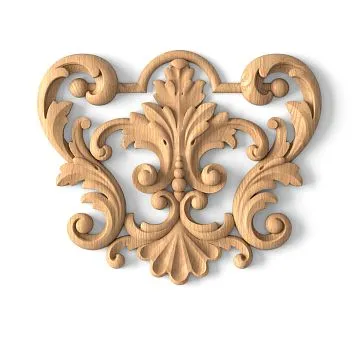
- Openwork (perforated) — the background is completely removed, creating a lace-like effect.
- Geometric — based on combinations of geometric elements — triangles, rhombuses, rosettes.
Carving can depict various motifs — plant ornaments, animals, geometric patterns, narrative compositions. Each region and historical period has its own characteristic motifs and carving techniques.
Inlay and marquetry
Inlay — a decorative technique involving embedding elements made of other materials — mother-of-pearl, metal, bone, stone — into the surface. Marquetry is a type of inlay in which different wood species are used to create mosaic images.
These techniques allow creating refined, detailed door frame designs with unique patterns and images. They are especially characteristic of Baroque, Rococo, and Neoclassical styles.
Gilding and patination
Gilding — applying a thin layer of gold or gold-imitating materials to the surface. This technique gives door framing a luxurious, solemn appearance. Gilding can be polished (glossy) or matte, full or partial.
Patination — creating an artificial patina that imitates the effect of aging. This technique allows giving a new item the appearance of an antique, with characteristic darkening, wear, and oxidation. Patina can be various shades — from greenish and bluish to brown and black.
Stucco and plastering techniques
Stucco — three-dimensional decorative elements made of plaster, polyurethane, or other plastic materials. It allows creating complex architectural details — cornices, rosettes, consoles, mascarons, which can complement Door Frame Installation.
Venetian plaster, sgraffito, terrazzo — plastering techniques that allow creating various decorative effects on the surfaces of jambs and other framing elements. They can imitate marble, travertine, granite, or create unique textures and patterns.
Stained glass and glass elements
Stained glass — compositions of colored glass joined by lead strips or other methods. They can be incorporated into Door Frame Installation as transoms, side windows, decorative inserts.
Modern technologies offer various types of decorative glass — frosted, engraved, fused — which can be used to create unique lighting effects and artistic compositions.
Practical recommendations for selection and care
Choosing Door frame — a responsible decision that must take into account many factors. Let us consider the main recommendations that will help make the right choice and ensure the longevity of the structure.
Style and material selection
When choosing the style and material of the frame, consider:
- Building architectural style — the framing must harmoniously fit into the overall architectural concept.
- Interior style — especially important for internal framing, which must match the overall stylistic solution of the room.
- Climate conditions — for exterior framing, resistance to atmospheric influences characteristic of the region is important.
- Functional requirements — thermal insulation, sound insulation, safety, durability.
- Budget — the cost of different materials and technologies may vary significantly.
Each material has its advantages and limitations that must be considered when choosing:
- Wood — naturalness, eco-friendliness, workability, but requires regular maintenance and protection from moisture.
- Stone — durability, strength, prestige, but has high cost and requires professional installation.
- MDF and composite materials — practicality, variety of finishes, affordable cost, but may be inferior to natural materials in terms of eco-friendliness and longevity.
- Metal — strength, modern look, but requires corrosion protection and may create cold bridges.
Care for frames made of various materials
Proper care of Door frame trim will help preserve its aesthetic and functional qualities for many years:
Wooden frames:
- Regular cleaning from dust with a soft brush or vacuum cleaner
- Periodic treatment with special compounds to protect against moisture, insects, and UV radiation
- Updating the paint coating as it wears out
- Avoiding contact with water and aggressive cleaning agents
Stone frames:
- Cleaning with soft cloth using special stone cleaning agents
- Periodic treatment with hydrophobic agents to protect against moisture
- Avoiding contact with acids and abrasive materials
- Timely repair of cracks and chips
MDF and composite trim:
- Clean with a damp cloth and mild cleaning agents
- Avoid strong mechanical impact that may damage the protective layer
- Protection from direct sunlight to prevent fading
- Timely repair of damage to prevent moisture penetration
Metal trim:
- Regular cleaning of dust and dirt
- Periodic treatment with anti-corrosion compounds
- Update protective and decorative coatings as needed
- Pay special attention to joints where moisture may accumulate
Restoration and Renewal
Over time Door Frame Installation may require restoration or renewal. Main stages of restoration:
- Assessment — identifying damage, determining scope of work.
- Cleaning — removing dirt, old coatings, mold.
- Repair — fixing cracks, chips, replacing damaged elements.
- Restoration — recreating lost decorative elements.
- Final finishing — applying protective and decorative coatings.
For historical frames, it is important to preserve authenticity by using traditional materials and techniques. In some cases, consultation with restoration specialists may be required.
Modern trends and innovative solutions
Modern technologies and materials open up new possibilities for creating Door frame…combining traditional forms with innovative solutions.
Integrated lighting
Built-in lighting in the frame allows creating interesting lighting effects, highlighting architectural features of the entry area, and providing additional functional lighting. Possible variations:
- LED strips hidden in niches or behind cornices
- Spotlights built into the upper part of the frame
- Lighting panels integrated into the structure
Modern lighting control systems allow adjusting brightness, color temperature, and creating various lighting scenes.
Smart technologies
Integration Door frame Integrated with "smart home" systems, opens new possibilities for managing security and comfort:
- Built-in surveillance cameras, discreetly integrated into decorative elements
- Motion and presence sensors for controlling lighting and security systems
- Biometric access control systems, integrated into the frame
- Integration with intercom and video communication systems