Article Contents:
- Elements of Staircase Framing: The Anatomy of Perfection
- Step Edging: Safety and Aesthetics
- Treads: Hidden Potential for Design
- Handrail: The Art of Enclosure
- Stringers and Rails: The Foundation of Construction
- Materials for Staircase Framing: Traditions and Innovations
- Wood: Eternal Classic
- Choice of wood species
- Methods of Processing and Finishing
- Metal: strength and elegance
- Types of Metals and Alloys
- Decorative techniques
- Glass: Lightness and Modernity
- Types of Glass
- Application in Staircase Framing
- Stone and Ceramic: Durability and Luxury
- Types of Stone
- Ceramic Materials
- Polymer Materials: Practicality and Variety
- Types of Polymer Materials
- Advantages of Polymer Materials
- Stylistic Solutions in Staircase Framing
- Classic style: Eternal elegance
- Characteristic Features
- Decorative elements
- Modern style: minimalism and functionality
- Characteristic Features
- Popular Solutions
- Loft: industrial aesthetics
- Characteristic Features
- Typical Solutions
- Provence and country: rustic charm
- Characteristic Features
- Decorative elements
- Ethnic styles: cultural diversity
- Eastern Style
- Scandinavian Style
- Russian style
- Technical Aspects of Staircase Framing
- Ergonomics and Safety
- Optimal Dimensions
- Anti-Slip Elements
- Installation and Mounting of Elements
- Mounting Step Edging
- Installing Handrail
- Features of installing different materials
- Staircase lighting
- Interaction of Light and Furniture
- Modern solutions
- Innovative Solutions in Staircase Framing
- Smart technologies
- Automatic Lighting
- Security Systems
- Eco-Friendly Materials and Solutions
- Eco-Friendly Materials
- Energy-efficient solutions
- 3D Printing and Digital Manufacturing
- Capabilities of 3D Printing
- Digital design
- Maintenance of Staircase Trim
- Care for Wooden Elements
- Maintenance of Metal Components
- Care for Glass Elements
- Maintenance of Stone and Ceramic Elements
- Restoration and Updating of Staircase Trim
- Assessment of Condition and Work Planning
- Restoration of Wooden Elements
- Updating metallic details
- Stylistic Update
- Conclusion
A staircase in a house is not just a functional element connecting floors, but also a key architectural detail capable of becoming a true interior decoration. Staircase Trim Plays a key role in creating a cohesive look, highlighting the style of the room and giving the structure a finished appearance. Thoughtfully selected trim can transform an ordinary staircase into a work of art that will delight the eye and impress guests.
In this article, we will consider various aspects of staircase trim — from material selection and stylistic decisions to technical nuances of installation and maintenance. Whether you are planning to build a new staircase or update an existing one, this information will help you create a safe, functional, and aesthetically pleasing solution that will harmoniously fit into the overall design of your home.


Elements of Staircase Trim: Anatomy of Perfection
Before diving into the world of materials and styles, it is important to understand what components make up Staircase Trim and what role each of them plays. A comprehensive approach to decorating a staircase structure involves attention to every detail, from steps to decorative elements.




Step Edging: Safety and Aesthetics
Steps are the main element of the staircase, directly contacting a person during ascent and descent. Step edging performs several important functions:
- Protective function — protects the edges of steps from mechanical damage and premature wear
- Safety — anti-slip inserts reduce the risk of falling
- Aesthetic function — gives the staircase a finished look
- Accentuation — highlights the contour of steps, making them more noticeable
By shape, there are several types of step edging:
- Covering corner pieces with a 'Г' profile — can be made from flexible rubber, polyurethane, PVC, or metal
- Rectangular flat inserts 3-5 cm wide — often made of aluminum with rubber inserts
- Self-adhesive covering of various widths — made from polyurethane or rubber with diverse textures
- Decorative inserts — sized to match human foot parameters, ensuring maximum comfort while walking
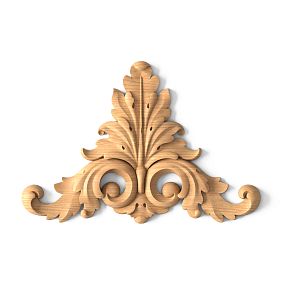
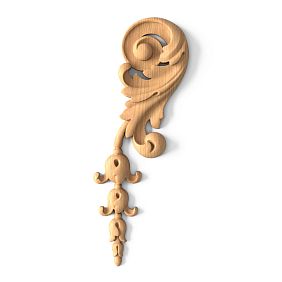
Our factory also produces:




Treads: Hidden Potential for Design
Stringers — vertical elements between steps — are often overlooked in design. However, it is precisely they that open up wide creative possibilities. of staircase trim:
- Contrasting coloring — creates a dynamic visual effect
- Decorative finishes — mosaic, artistic painting, image decals
- Use of various materials — wood, metal, glass, ceramic tiles
- Lighting — built-in LED elements for creating a special atmosphere
But one of the modern trends in staircase framing — is combining wooden steps with original vertical space decoration between them, creating an interesting contrast and adding individuality to the entire structure.
Get Consultation
Balustrade: the art of railing
Balustrade — staircase railing system — includes several elements, each of which can become part of the decorative of staircase trim:
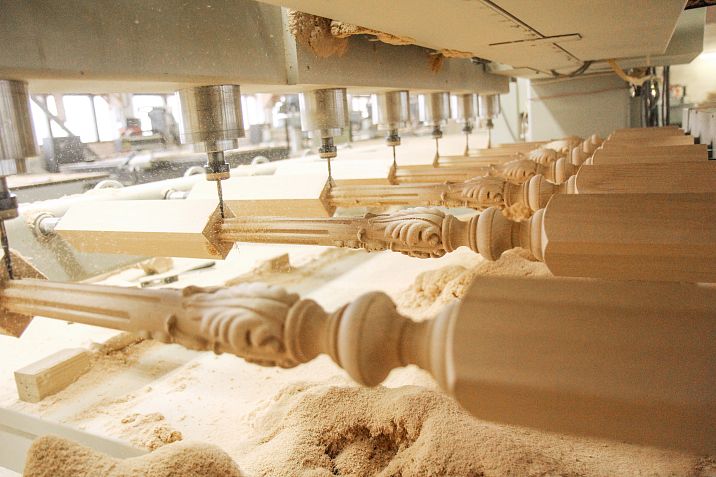
- Balusters — vertical support elements that can be made in various styles: from classic carved to modern minimalist
- Handrails — horizontal elements ensuring safety and comfort when ascending and descending
- Support posts — massive elements installed at the beginning, end, and turns of the staircase
- Baluster connectors — decorative elements connecting balusters to steps
Balustrade not only ensures safety but is also a key element of staircase trimthat defines its style and character. Classic carved wooden balusters, wrought metal elements, or modern glass panels — the choice depends on the overall interior style and your preferences.
Stringers and treads: the foundation of the structure
Stringers and treads — load-bearing elements of the staircase, which can also become part of the decorative of staircase trim:
- Stringers — beams on which steps rest, located beneath them
- Treads — side beams into which steps are embedded
Decorative finishing of these elements may include:
- Use of valuable wood species
- Carved elements and inlays
- Decorative painting or patina
- Combining with other materials (metal, glass)
Especially striking is Staircase Trim with open stringers or treads made from contrasting materials or with original shapes.
Materials for staircase framing: traditions and innovations
Choice of material for of staircase trim — is the balance between aesthetics, practicality, and safety. Let's consider the main options and their features.
Wood: eternal classic
Wood remains one of the most popular materials for of staircase trim thanks to their natural beauty, eco-friendliness, and wide range of processing possibilities.
Choose wood species
For finishing interior staircases, it is recommended to use hardwoods, providing high strength and wear resistance:
- Oak — a classic choice, combining strength, durability, and elegant appearance
- Beech — a hard wood with uniform structure, easily workable
- Ash — a strong material with a beautiful wood grain pattern
- Exotic species (wenge, iroko, teak) — for creating exclusive solutions
For outdoor staircases, coniferous species (pine, spruce, larch) are preferable, as they are more resistant to environmental exposure.
Methods of treatment and finishing
Wooden Staircase Trim can be treated in various ways to create a unique appearance:
- Lacquering — highlights the natural beauty of wood and protects it from external influences
- Painting — allows integrating the staircase into the interior color scheme
- Brushing — reveals the wood texture, creating a textured surface
- Patina — gives an aged effect and a noble "worn" look
- Carving — adds decorative and individual elements
Metal: strength and elegance
Metal elements of staircase trim can serve both structural and decorative functions.
Types of metals and alloys
- Steel — a strong and relatively inexpensive material that can be painted in any color
- Stainless steel — resistant to corrosion, has a modern appearance
- Aluminum — lightweight material, resistant to corrosion, ideal for modern interiors
- Brass and bronze — give the staircase a luxurious, classic look
- Wrought iron — allows creating unique decorative elements
Decorative techniques
Metallic Staircase Trim can be decorated using various techniques:
- Wrought — creating artistic elements by hand-processing metal
- Casting — manufacturing complex decorative details using molds
- Engraving — applying a design onto the metal surface
- Patina — creating an aged metal effect
- Gilding and silvering — applying a thin layer of precious metals to create a luxurious effect
Glass: lightness and modernity
Glass elements in staircase framing create a sense of lightness and visually expand the space.
Types of glass
- Tempered glass — 5-7 times stronger than regular glass, breaks into small, safe fragments upon destruction
- Triplex — multi-layered glass with a polymer film that holds fragments together upon breakage
- Frosted glass — creates a semi-transparent effect
- Colored glass — adds a vibrant accent to the interior
- Glass with pattern or engraving — for creating unique decorative effects
Application in staircase framing
Glass can be used in various elements of staircase trim:
- Railings — fully glass panels or combinations with metal elements
- Steps — transparent or frosted, often with built-in lighting
- Decorative inserts — in balusters, risers, or other elements
- Glass blocks — for creating decorative walls alongside the staircase
Stone and ceramic: durability and luxury
Natural stone and ceramic materials give the staircase framing a special solidity and luxury.
Types of stone
- Marble — classic material with characteristic vein patterns
- Granite — extremely strong and durable material
- Travertine — porous stone with a warm tone
- Slate — creates an interesting texture and natural appearance
- Artificial stone — a more affordable alternative to natural stone
Ceramic materials
- Ceramica — durable material resistant to abrasion and mechanical damage
- Clinker tile — specially designed for stair tiling
- Mosaic — allows creating unique decorative compositions
Polymer materials: practicality and variety
Modern polymer materials offer wide possibilities for of staircase trim at a relatively low cost.
Types of polymer materials
- Polyurethane — a lightweight and durable material, resistant to moisture and temperature fluctuations
- PVC — an affordable material with good performance characteristics
- Composite materials — combine properties of different components to achieve optimal characteristics
- Rubber and latex — primarily used for anti-slip inserts
Advantages of polymer materials
- Ease of installation
- Wide range of colors and textures
- Resistance to moisture and temperature fluctuations
- Relatively low cost
- Ability to imitate more expensive materials (wood, stone, metal)
Stylistic solutions for staircase framing
Staircase Trim should harmoniously fit into the overall interior style. Let's consider the main stylistic directions and their characteristic solutions.
Classic style: eternal elegance
Classical Staircase Trim characterized by symmetry, proportionality, and use of traditional materials and forms.
Characteristic features
- Heavy wooden handrails and balusters
- Turned or carved elements
- Smooth lines and curves
- Natural materials (wood, stone)
- Subdued color palette
Decorative elements
- Carved balusters with classical forms
- Decorative inserts on treads
- Carved support posts
- Volutes and spirals in handrail design
- Inlay and marquetry for especially luxurious options
Modern style: minimalism and functionality
Modern Staircase Trim distinguished by clean lines, minimalism, and use of innovative materials.
Characteristic features
- Simple geometric forms
- Minimal decorative elements
- Combining different materials (metal, glass, wood)
- Contrasting color solutions
- Functionality of each element
Popular solutions
- Glass railings without visible fasteners
- Metal handrails with simple forms
- Floating steps without treads
- Built-in LED lighting
- Combining natural and artificial materials
Loft: Industrial Aesthetic
Loft style in staircase framing emphasizes the industrial character of the space, combining functionality with a rough aesthetic.
Characteristic features
- Open metal structures
- Unfinished or roughly processed materials
- Combination of old and new
- Minimal decorative elements
- Focus on material texture
Typical solutions
- Metal staircases with open stringers
- Wooden steps with unprocessed or roughly processed surfaces
- Railings made of metal pipes or cables
- Use of weathered wood or metal
- Exposed fasteners as part of the design
Provence and Country: Rural Charm
Provence and country styles in staircase framing create a cozy and homely atmosphere.
Characteristic features
- Natural materials, predominantly wood
- Light, pastel tones
- Weathered effect
- Simple, yet elegant forms
- Plant motifs in decoration
Decorative elements
- Turned balusters of simple forms
- Wooden handrails with a light patina
- Elements painted in white or pastel tones
- Floral motifs in stair tread painting
- Textile elements (rugs, overlays)
Ethnic styles: cultural diversity
Ethnic styles in staircase framing reflect the cultural traditions of various peoples and regions.
Eastern style
- Carved wooden elements with distinctive patterns
- Arched forms
- Rich colors and gold accents
- Mosaic and inlay
- Delicate metal elements
Scandinavian Style
- Light wood (pine, birch)
- Minimalist design
- Light color palette
- Simple, functional shapes
- Natural materials
Russian Style
- Massive wooden elements
- Carving with traditional patterns
- Contrasting color combinations
- Plant and geometric ornaments
- Handcrafted elements
Technical aspects of staircase railing
Besides the aesthetic component, Staircase Trim it must meet certain technical requirements ensuring the safety and durability of the structure.
Ergonomics and safety
When designing of staircase trim ergonomic principles and safety requirements must be considered:
Optimal dimensions
- Step width — at least 25-30 cm for comfortable foot placement
- Riser height — 15-20 cm for convenient ascent
- Handrail height — 90-100 cm from the step level
- Distance between balusters — no more than 10-15 cm (especially important in homes with young children)
- Staircase tread width — at least 80-90 cm for free passage
Anti-slip elements
To enhance safety when using the staircase, anti-slip elements are recommended of staircase trim:
- Rubber or rubberized caps on step edges
- Aluminum profiles with rubber inserts
- Special anti-slip strips
- Textured step surfaces
- Carpet runners or overlays
Installation and mounting of elements
Correct installation of elements of staircase trim — a guarantee of safety and durability of the structure.
Mounting step edging
- Adhesive method — for lightweight elements made of rubber, PVC, polyurethane
- Mechanical mounting — using self-tapping screws, anchors, rivets
- Combined method — combination of adhesive and mechanical fasteners for maximum reliability
Balustrade installation
- Mounting balusters to steps — using baluster brackets, dowels, special fasteners
- Installing handrails — mounting to balusters and support posts with consideration of the required incline angle
- Mounting support posts — reliable attachment to the floor, steps, or stringers
Installation features of various materials
- Wooden elements — accounting for possible expansion and contraction due to humidity changes
- Metallic components — anti-corrosion treatment, especially at connection points
- Glass panels — use of special mounting systems ensuring secure fixation without damaging the glass
- Stone elements — accounting for significant weight and need for a strong base
Staircase lighting
Properly organized lighting is an important part of staircase trim, ensuring not only safety but also creating a certain atmosphere.
Types of lighting
- General lighting — ceiling fixtures, chandeliers, providing even illumination across the entire staircase
- Accent lighting — highlighting individual elements (steps, railings, decorative details)
- Functional lighting — aimed at ensuring safe movement
- Decorative lighting — creating lighting effects and a special atmosphere
Modern solutions
- Built-in LED step lighting — mounted in the nosings or along the edges of steps
- Light fixtures embedded in walls — illuminate the staircase from the side
- LED strips under railings — create dramatic directional lighting
- Smart lighting systems — with motion sensors, brightness and color temperature adjustment
- Lighting accents — highlighting decorative elements of staircase trim
Innovative solutions in staircase framing
Modern technologies open up new possibilities for creating unique of staircase trim, combining aesthetics, functionality, and innovative materials.
Smart technologies
Integration of smart technologies in Staircase Trim — one of modern trends, enhancing comfort and safety.
Automatic lighting
- Motion sensors activating step lighting
- Systems with brightness adjustment depending on time of day
- Programmable lighting scenes
- Integration with the overall smart home system
Security systems
- Load sensors for steps and handrails
- Tactile indicators for people with disabilities
- Heating systems for outdoor stair steps
- Anti-slip coatings with variable properties
Eco-friendly materials and solutions
Ecological approach to the staircase framing is becoming increasingly popular among conscientious homeowners.
Ecological materials
- Wood from responsibly managed forests with FSC certification
- Recycled and recyclable materials
- Natural finishing materials (oils, waxes, water-based paints)
- Composite materials from renewable resources
Energy-efficient solutions
- Low-energy LED lighting
- Use of natural lighting (light wells, windows)
- Materials with good thermal insulation properties for outdoor staircases
- Energy recovery systems
3D printing and digital manufacturing
Digital manufacturing technologies open new horizons for creating unique of staircase trim.
3D printing capabilities
- Creation of complex geometric forms impossible with traditional manufacturing
- Manufacture of personalized decorative elements
- Prototyping and testing new solutions
- Production of spare parts and elements for restoration
Digital design
- Visualization of various options of staircase trim before production begins
- Structural optimization considering loads and ergonomics
- Creation of parametric models adaptable to specific conditions
- Integration with automated production systems
Maintenance and servicing of staircase trim
Proper care for elements of staircase trim ensures their longevity and preservation of attractive appearance.
Care for wooden elements
Wooden Staircase Trim requires regular care to maintain beauty and durability:
- Regular cleaning — removing dust with a soft brush or vacuum cleaner
- Wet cleaning — wiping with slightly damp (not wet!) cloth, followed by drying thoroughly
- Updating protective coating — periodic application of oil, wax, or varnish depending on the original finish type
- Repairing minor damage — filling scratches and chips with special compounds
- Protection from direct sunlight — preventing fading and cracking
Maintenance of metal parts
Metal elements of staircase trim require special care depending on the type of metal and finish:
- Stainless steel — cleaning with specialized stainless steel cleaners, polishing with soft cloth
- Painted metal — gentle cleaning without abrasive materials, repainting if necessary
- Wrought elements — dust removal, periodic treatment with anti-corrosion compounds
- Brass and bronze — polishing with special compounds to maintain shine, applying protective varnish
Care for glass elements
Glass details of staircase trim require regular cleaning to maintain transparency and shine:
- Regular cleaning — removing dust and fingerprints using specialized glass cleaners
- Removing stubborn stains — using professional cleaners without abrasive components
- Checking fasteners — periodic inspection of glass panel mounting reliability
- Polishing — restoring shine using specialized polishing compounds
Maintenance of stone and ceramic elements
Stone and ceramic details of staircase trim differ in durability but also require proper care:
- Cleaning from dust and dirt — using a soft brush or vacuum cleaner
- Wet cleaning — using specialized cleaners suitable for the specific type of stone or ceramic
- Protective impregnation — periodic application of hydrophobic compounds to protect against moisture and dirt
- Polishing — restoring the natural stone's shine using specialized polishing pastes
- Repairing minor damage — filling cracks and chips with special compounds
Restoration and updating of staircase trim
over time, even the highest quality Staircase Trim may require restoration or updating. This may be due to natural wear or a desire to change the interior style.
– a complex set of activities aimed at restoring its historical appearance, eliminating damage, and extending its service life. This process requires a careful approach, knowledge of historical styles, and mastery of various techniques and materials.
Before restoration, a thorough assessment of the condition is required of staircase trim:
- Visual inspection — identifying visible damage, cracks, and chips
- Strength assessment — evaluating the reliability of fasteners and structural stability
- Detection of hidden defects — identifying rot, corrosion, and structural damage
- Determining the scope of work — preparing a detailed restoration plan including required materials and tools
Restoration of wooden elements
Wooden Staircase Trim can be restored in various ways:
- Sanding — removing old paint and surface damage
- Repairing deep damage — filling cracks and chips with wood putty or matching wood inserts
- Replacing severely damaged elements — manufacturing and installing new parts that closely match the original
- Treatment with antiseptics — protection against rot, mold, and insects
- Final finishing — applying a new protective and decorative coating (varnish, oil, paint)
Updating metal components
Metal elements of staircase trim can be restored by the following methods:
- Removing corrosion — mechanical cleaning, chemical treatment, or sandblasting
- Correcting deformations — restoring the original shape of bent elements
- Welding and soldering — restoring the integrity of damaged parts
- Replacing fasteners — installing new screws, bolts, or rivets
- Applying protective coatings — priming, painting, varnishing, or applying special protective compounds
Stylistic update
Sometimes, rather than restoration, a stylistic update is required of staircase trim to match the new interior:
- Changing color palette — repainting wooden or metal elements
- Replacing individual parts — installing new balusters, handrails, or decorative elements
- Adding new elements — integrating lighting, decorative inlays, or carved details
- Combining with new materials — adding glass, metal, or stone elements to the existing structure
- Complete style transformation — radical change in appearance while preserving the main structure
Conclusion
Staircase Trim — it is not just a functional element, but also an important part of the interior, capable of becoming a true decoration of the home. Properly selected materials, style, and technical solutions allow creating a structure that will be not only safe and convenient, but also aesthetically appealing, reflecting the individuality of the home’s owners.
From classic wooden balustrades to modern glass railings, from traditional carved elements to innovative materials and technologies — variety of options of staircase trim allows finding the ideal solution for any interior and architectural style.
When choosing of staircase trim It is important to consider not only aesthetic preferences but also practical aspects—safety, durability, ease of use and maintenance. A comprehensive approach to design and implementation will allow you to create a staircase that will delight you and your guests for many years.
The company 'Stavros' offers a wide range of solid wood products for creating magnificent of staircase trim — moldings, cornices, skirting boards, and other decorative elements. High-quality materials, precision manufacturing, and attention to detail guarantee an outstanding result that will exceed your expectations and become a source of pride for many years.