Article Contents:
- Evolution of Decorative Finishing: From Ancient Times to the Present
- Origins of Decorative Art
- Renaissance and Baroque: The Peak of Decorative Arts
- Modern Trends: Between Minimalism and Eclecticism
- Types of Decorative Finishing: Variety of Possibilities
- Decorative Plasters: Play of Texture and Finish
- Wooden Decorative Elements: Warmth and Eco-friendliness
- Decorative Stone and Brick: Durability and Character
- Textile Decor: Softness and Coziness
- Factors Affecting the Cost of Decorative Finishing
- Materials: Quality Matters
- Complexity of Work: Craftsmanship Demands Payment
- Volume of Work: Scale Matters
- Region and Seasonality: Geographic and Temporal Factors
- Decorative Finishing for Different Rooms: Features and Recommendations
- Living Room: The Center of Home Life
- Bedroom: Oasis of Peace and Relaxation
- Kitchen: functionality and aesthetics
- Bathroom: Moisture Resistance and Style
- How to choose optimal cost-to-quality ratio
- Setting Priorities: What Really Matters
- Comparing Offers: How to Avoid Overpaying
- Budget Planning: Smart Savings
- Trends in Decorative Finishing: What’s Relevant Today
- Naturalness and Ecological Safety: Returning to Roots
- Minimalism and Functionality: Less is More
- Handcrafted Work and Uniqueness: The Value of Individuality
- Mixing Styles and Eras: Eclecticism as an Art
- Practical Tips for Choosing and Ordering Decorative Finishing
- Working with Professionals: How to Choose a Craftsman
- Preparing for Work: What the Client Needs to Know
- Care for Decorative Finishing: Extending Service Life
- Conclusion: An Investment in Beauty and Comfort
Imagine a room where you spend most of your time. What makes it special? What turns four walls into a space that tells a story about you, your values, and your taste? The answer is simple — details. It is precisely these details that create the atmosphere that distinguishes a soulless room from a home with character. And among these details, decorative finishing holds a special place — an art capable of transforming any space beyond recognition.
In a world where mass production has become the norm, more and more people are seeking individuality and authenticity in decorating their homes. They are looking for ways to express themselves through interior design, creating a space that is not only functional but also reflects their inner world. And here, decorative finishing comes to the rescue — a multifaceted art that unites tradition and modernity, functionality and aesthetics.
But how to navigate the variety of options? How to find the optimal balance of quality, style and decorative price? Let's dive together into the fascinating world of decorative finishes and uncover its secrets.


Evolution of decorative finishes: from ancient times to the present
The history of decorative finishes spans millennia. Even our distant ancestors adorned the walls of their homes with cave paintings, creating the first examples of decorative art. As civilizations developed, so did the techniques for decorating interiors.




Origins of decorative art
In ancient Egypt, the walls of palaces and temples were adorned with skilled paintings and reliefs depicting the feats of pharaohs and mythological scenes. Ancient Greeks and Romans perfected the art of mosaics, creating compositions breathtaking in beauty and complexity. In the Middle Ages, Europe flourished with fresco painting, and the walls of castles and palaces were adorned with tapestries that provided warmth and added coziness to harsh stone interiors.
Our factory also produces:


Renaissance and Baroque: the peak of decorative art
The Renaissance brought a new understanding of beauty and harmony. Interiors of that time are astonishing in their abundance of decorative elements: stucco, gilding, wood carving, stained glass — all of this created an atmosphere of luxury and grandeur. Baroque, with its pursuit of opulence and theatricality, pushed decorative art to its extreme, filling interiors with dynamic, expressive elements.
Get Consultation
Modern trends: between minimalism and eclecticism
Today, decorative finishes are experiencing a new bloom. After a period of obsession with minimalism, when bare walls were considered a sign of good taste, the pendulum swung in the other direction. Modern interiors are once again filled with decorative elements, but now this is a conscious choice, not a fashion or tradition.
Interestingly, the modern approach to decorative finishes often combines elements from different eras and styles. This could be Venetian plaster in a minimalist interior or wooden panels in a high-tech style. The key is harmony and alignment with the overall concept of the space.
Types of decorative finishes: variety of possibilities
The modern market offers a vast array of decorative finishes, from traditional to innovative. Let's examine the main categories and their features.
Decorative plasters: play of textures and finishes
Decorative plasters are one of the most popular types of finishes, allowing you to create unique surfaces with various effects. Here are just some of them:
- Venetian plaster — the classic of the genre, imitating marble with its depth and sheen. Creates an effect of luxury and elegance.
- Termite — plaster with distinctive grooves resembling the trails of a termite. Perfect for creating rustic interiors.
- Tufa — imitates natural stone with its porous structure. Adds nobility and solidity to the interior.
- Marseille wax — creates an effect of silky, softly shimmering surface. Ideal for bedrooms and living rooms.
- Wet silk — plaster with a fabric-like sheen, creating a sense of luxury and comfort.
decorative price The cost of working with such materials varies depending on the complexity of the technique and the materials used. For example, the cost of applying Venetian plaster is usually higher than that of simpler types, due to the labor-intensive process and the need for high skill from the craftsman.
Wooden decorative elements: warmth and eco-friendliness
Wood is one of the oldest materials used by humans to decorate their homes. Today, wooden decorative elements are experiencing a true renaissance thanks to their eco-friendliness, warmth, and unique texture.
Wooden decor can be presented in various forms:
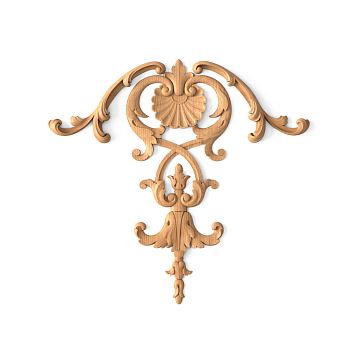
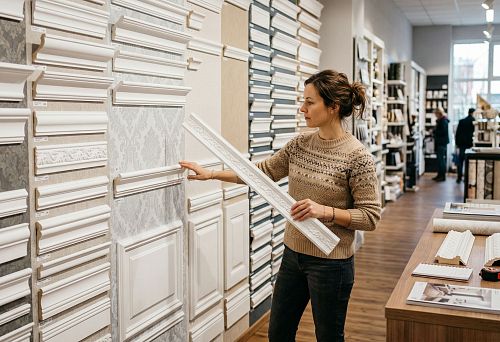
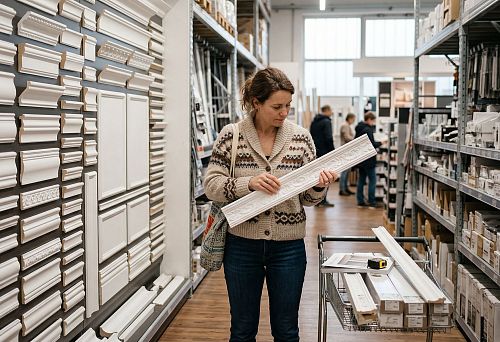
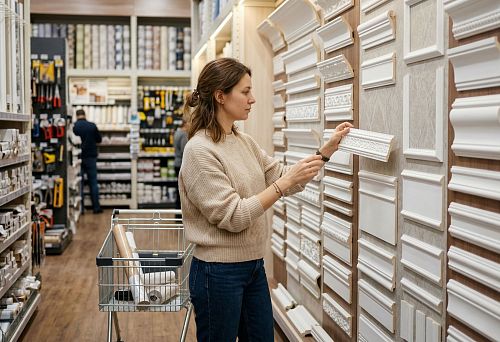
- Panels and moldings — allow you to create a classic, noble interior.
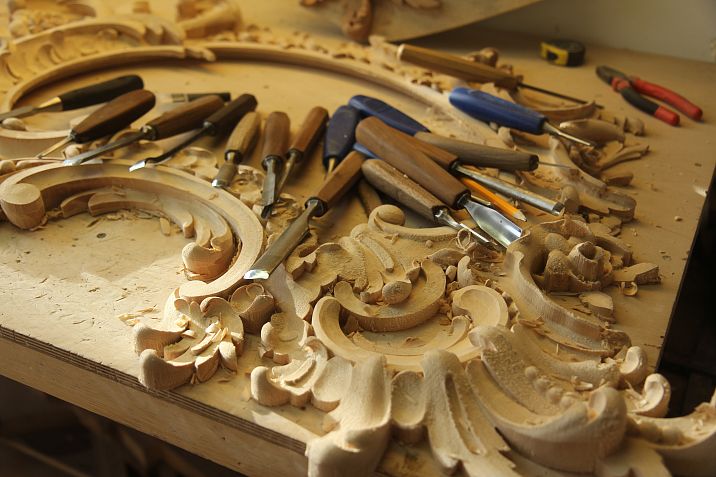
- Carved elements — from simple geometric patterns to complex artistic compositions.
- Decorative beams — add a rustic charm to the interior and visually structure the space.
- Figurines and statuettes — small accents capable of bringing any interior to life.
- Photo and picture frames — functional elements that become part of the decorative design.
It is important to note that decorative wooden elements can be made from various types of wood, each with its own characteristics and features. The choice of wood type not only affects the appearance but also the durability of the item, as well as its decorative price.
Decorative Stone and Brick: Strength and Character
Decorative stone and brick - materials capable of radically changing the perception of space. They bring a sense of solidity, reliability, and connection to nature into the interior.
There are many varieties of decorative stone:
- Artificial stone - lightweight, affordable, with a wide range of textures and shades.
- Natural stone - more expensive, but possessing unique natural beauty and energy.
- Clay tile - mimics brickwork, ideal for creating loft-style interiors.
- Gypsum 3D panels - a modern solution allowing the creation of volumetric, textured surfaces.
The cost of decorative stone finishing depends on the chosen material, installation complexity, and the area of the surface being treated. Natural stone is usually more expensive than artificial, but it lasts longer, preserving its beauty for decades.
Textile decor: softness and coziness
Textile is an indispensable element in creating a cozy, comfortable interior. It softens sharp lines, adds warmth and individuality to the space.
Main elements of textile decor:
- Curtains and draperies - not only a functional element, but also an important part of decorative design.
- Rugs and carpeting - add warmth and comfort, zone the space.
- Decorative cushions - allow easy changes to the interior's mood and add accents.
- Throws and blankets - create a sense of coziness and completeness.
- Wall tapestries and panels - can become a central element of decorative design.
The cost of textile decor varies widely depending on material quality, manufacturing complexity, and brand. It's important to remember that textile is an element that is relatively easy to replace, allowing you to refresh the interior without major renovation.
Factors affecting the cost of decorative finishing
When planning decorative finishing, it's important to understand what constitutes its cost. This will help you make an informed choice and achieve the optimal price-to-quality ratio.
Materials: quality matters
The quality of materials used is one of the key factors affecting the cost of decorative finishing. Premium materials from well-known manufacturers usually cost more, but the result justifies the investment: longer-lasting finish, richer colors, more interesting effects.
For example, for Venetian plaster, you can use budget domestic mixes or premium Italian materials. The price difference may be significant, but the result will differ in quality and durability.
The same applies to wooden decor: items made from valuable hardwoods will cost more than similar ones made from MDF or pine, but they will also last longer, preserving their beauty and eco-friendliness.
Complexity of work: craftsmanship requires payment
The complexity of the work directly affects its cost. The more labor-intensive and requiring high technical skill the work is, the higher the decorative price cost of the work.
For example, applying simple textured plaster will cost less than creating a complex multi-layer finish with an aged wall effect or natural stone imitation. Hand-carved wooden elements will cost more than mass-produced standard items.
It's important to understand that saving on the craftsman's skill may result in unsatisfactory results and additional expenses for correcting mistakes. Therefore, it's better to immediately contact professionals with a good portfolio and positive reviews.
Volume of work: scale matters
The volume of work is another factor affecting the overall cost of decorative finishing. The larger the area of the surface being treated, the higher the material and labor costs will be.
However, there is a positive aspect here: many masters and companies offer discounts for large-scale projects. This is because preparatory work (material delivery, equipment setup) takes the same amount of time regardless of the surface area being treated.
In addition, with large volumes, you can expect wholesale discounts on materials, which also reduces the overall cost of work.
Region and seasonality: geographical and temporal factors
The cost of decorative finishes may vary significantly depending on the region. In large cities, prices are usually higher due to a higher standard of living and greater competition for qualified specialists.
Seasonality can also affect the cost of work. During periods of high demand (for example, before holidays or during renovation seasons), prices may increase and completion times may lengthen. When planning decorative finishes, it is advisable to consider this factor and, if possible, choose the "off-season" for work.
Decorative finishing for different rooms: features and recommendations
Each room has its own features and requirements for decorative finishing. Let's consider the specifics of selecting decorative elements for different rooms.
Living room: the center of home life
The living room is where we spend time with family and guests. Here, it is important to create an atmosphere that is both elegant and cozy.
Suitable for the living room:
- Decorative plaster with a luxurious effect - Venetian, Marseille wax, metallic.
- Wooden panels and moldings - create a sense of nobility and solidity.
- Decorative stone - can be used for accent walls or fireplace design.
- Textile decor - curtains, rugs, decorative cushions, creating coziness and comfort.
When choosing decorative finishes for the living room, it is important to consider the overall interior style and color palette. Decorative elements should harmonize with each other and with furniture, creating a cohesive, harmonious space.
Bedroom: oasis of calm and relaxation
The bedroom is a place for rest and recovery. Here, decorative finishes should promote relaxation and create an atmosphere of tranquility.
Recommended for the bedroom:
- Soft, muted textures - plaster with silk, velvet, or suede effects.
- Natural materials - wooden elements, textiles made from natural fabrics.
- Calm, pastel shades - they promote relaxation and good sleep.
- Minimalism in details - excessive decorative elements may create a sense of unease.
In the bedroom, it is especially important to create a harmonious, balanced space where nothing distracts or irritates during rest.
Kitchen: functionality and aesthetics
Kitchen - a room with special requirements for finishing. Here, not only aesthetic qualities but also practicality, moisture resistance, oil resistance, and temperature fluctuations are important.
Suitable for the kitchen:
- Moisture-resistant decorative plaster - easy to clean and resistant to steam.
- Decorative stone and brick - for backsplash or accent wall.
- Wooden elements with protective coating - shelves, open cabinets, decorative beams.
- Ceramic tiles with decorative inserts - a practical and beautiful solution.
When choosing decorative finishes for the kitchen, it is important to find a balance between beauty and functionality. Materials should not only be aesthetically pleasing but also practical and easy to maintain.
Bathroom: moisture resistance and style
Bathroom - a room with high humidity, which imposes special requirements on decorative finishes. Here, it is important to use materials resistant to moisture and temperature fluctuations.
For the bathroom, the following are recommended:
- Special moisture-resistant plaster - it does not fear moisture and is easy to clean.
- Decorative stone with protective coating - creates a spa salon effect.
- Mosaic - a classic solution for bathrooms, allowing you to create unique patterns.
- Moisture-resistant wooden elements - for example, teak or other exotic species.
When choosing decorative finishes for the bathroom, pay attention to certificates confirming the moisture resistance of materials. This will help avoid mold and fungus problems in the future.
How to choose the optimal price-to-quality ratio
Choosing decorative finishes is always a search for balance between desired results and available budget. Here are several recommendations that will help make the right choice.
Defining priorities: what is truly important
Before starting work, it is important to determine what is your priority: durability, eco-friendliness, unique design, or minimal cost. This will help make an informed choice and avoid disappointments.
For example, if eco-friendliness is important to you, choose natural materials, even if they cost more. If uniqueness is your priority, it makes sense to invest in handmade work and original solutions. If the main goal is to stay within a limited budget, consider more affordable alternatives to premium materials or limit decorative finishes to accent areas only.
Comparing offers: how to avoid overpaying
Before ordering decorative finishes, it is recommended to obtain several offers from different craftsmen or companies. This will help you understand market prices and choose the optimal price-to-quality ratio.
When comparing offers, pay attention not only to the final amount, but also to what it includes:
- Cost of materials and their quality
- Volume of preparatory work
- Number of layers and stages of work
- Warranty Obligations
- Timeline for completion of work
Sometimes a higher price may be justified by using high-quality materials or more thorough surface preparation, which ultimately ensures better results and greater durability.
Budget planning: sensible savings
When planning a budget for decorative finishes, it is advisable to set aside a small reserve for unexpected expenses. This could be 10-15% of the total amount. This approach will help avoid stress if additional costs arise during the work.
Sensible savings may include the following:
- Choosing a season with lower prices
- Ordering materials in bulk or during promotions
- Using expensive materials only for accent areas
- Performing some preparatory work yourself
However, do not cut corners on the quality of main materials and the qualifications of craftsmen, as this may lead to unsatisfactory results and additional costs for corrections.
Trends in decorative finishes: what is current today
The world of decorative finishes is constantly evolving, new materials, techniques, and aesthetic concepts are emerging. Let's consider the main trends that define the look of modern interiors.
Naturalness and ecological safety: returning to roots
One of the main trends of recent years - the pursuit of naturalness and eco-friendliness. This is reflected in the popularity of:
- Natural materials - wood, stone, clay, natural fabrics
- Ecologically clean finishing materials - water-based paints and plasters, without toxic components
- Plant motifs in decor - from live plants to botanical ornaments
- Natural, earthy tones - from warm earthy to fresh grassy and marine shades
This trend reflects the general desire of modern people to harmonize with nature, care for the environment, and their own health.
Minimalism and functionality: less is more
Minimalism continues to remain one of the leading trends in interior design. In the context of decorative finishing, this is manifested in:
- Simple forms and clean lines
- Monochromatic color schemes with accent details
- Functional decorative elements that not only decorate but also serve a practical purpose
- Rejecting excessive decoration in favor of a few high-quality, expressive elements
Minimalism is especially relevant for small spaces, where it is important to create a sense of spaciousness and freedom.
Handmade and uniqueness: the value of individuality
In contrast to mass production, handmade items with uniqueness and character are gaining increasing popularity. This trend is manifested in:
- Author-made decorative elements - from ceramics to textiles
- Techniques that highlight handcrafted work - for example, decorative plasters with an uneven, 'lived-in' surface effect
- Vintage and antique items that add history and depth to the interior
- Personalized decor reflecting the owner's personality and interests
Such an approach allows creating a truly unique interior that will not resemble any other.
Mixing styles and eras: eclecticism as an art
Modern design increasingly turns to eclecticism - a conscious mixing of various styles and eras. In decorative finishing, this is manifested in:
- Combining classical and modern elements - for example, moldings in a minimalist interior
- Using traditional techniques in a new context - for example, mosaics in a modern style
- Playing with contrasts - rough and smooth textures, matte and glossy surfaces
- Unexpected color combinations that give the interior dynamism and character
Eclecticism requires good taste and a sense of proportion, but with the right approach, it allows creating an interesting, multi-faceted interior that reflects the owner's personality.
Practical tips for choosing and ordering decorative finishing
Choosing and ordering decorative finishing is a process requiring attention to detail and a thoughtful approach. Here are several practical tips to help make the right choice.
Working with professionals: how to choose a master
The quality of decorative finishing largely depends on the skill of the executor. Here are several criteria by which you can choose a good master:
- Portfolio of work - it should be diverse and high-quality
- Client reviews - better if they are recommendations from acquaintances or verified reviews
- Work experience - the longer the master works in this field, the more experience he has in solving various tasks
- Samples of work - a good master is always ready to show samples of his work or make a test area
- Transparent pricing - the master should clearly explain what the cost consists of decorative price
Do not choose a master solely based on low price. Quality work requires time, experience, and good materials, which are reflected in the cost.
Preparation for work: what the client needs to know
Before starting decorative finishing, it is important to prepare properly:
- Define style and color palette - this will help narrow your choice and make it more deliberate
- Collect references - photos of interiors you like will help the master understand your preferences
- Prepare the room - remove furniture, protect the floor and elements that will not be affected by the work
- Discuss all details with the master - deadlines, stages of work, materials used, care specifics for the finished finishing
- Sign a contract - it must include all essential conditions, including cost, deadlines, and warranties
Good preparation will help avoid misunderstandings and disappointments during the work.
Care for decorative finishing: extending service life
Proper care of decorative finishing will help preserve its beauty for many years:
- Regular dust cleaning - for most types of finishing, a dry or slightly damp soft cloth is sufficient
- Protection from direct sunlight - it can cause fading and cracking of some materials
- Maintaining optimal humidity - too dry or too humid air can negatively affect some types of finishing
- Timely repair of damage - minor defects are easier to fix in the early stages
- Periodic renewal of protective coatings - for some types of finishing (e.g., wooden elements), periodic renewal of varnish, oil, or wax is required
By following these recommendations, you will be able to enjoy the beauty of decorative finishing for many years.
Conclusion: investment in beauty and comfort
Decorative finishing is not just a way to decorate the interior; it is an investment in the quality of life. A beautiful, harmonious space affects our mood, well-being, and productivity. It creates that elusive atmosphere of home, a place you want to return to.
When choosing decorative finishing, it is important to find a balance between aesthetics, functionality, and cost. Do not chase fashion or cut corners on quality - better choose what truly resonates with your inner world, reflects your individuality, and will bring you joy for many years.
Remember that decorative price This is only one of the factors to consider when choosing. Equally important are the quality of materials, the skill of the executor, compatibility with your lifestyle and overall interior concept.
Investing in quality decorative finishing is investing in your comfort, your individuality, your life. And this investment will definitely pay off - not only financially, if you decide to sell the property, but also emotionally, bringing you joy and satisfaction every day.
May your home become a reflection of your soul, a place where every detail tells a story, where every decorative element creates harmony and comfort. For it is in such a space that we can truly rest, create, love, and live fully.