Article Contents:
- 1. Functionality as the Basis of Design
- 1.1. Space Zoning
- 2. Choosing a Color Palette
- 2.1. Light Tones
- 2.2. Dark Tones
- 2.3. Bright Accents
- 3.1. Wall Materials
- 3.2. Floor Coverings
- 3.3. Ceiling Solutions
- 4. Lighting
- 4.1. Ambient Lighting
- 4.2. Accent Lighting
- 4.3. Functional Lighting
- 5.1. Moldings and Trim
- 5.2. Mirrors
- 5.3. Textiles
- 6.1. Creating Accent Walls
- 6.2. Using Hidden Storage
- 6.3. Zoning Without Walls
- 6.4. Combining Textures and Materials
- 6.5. Proper Lighting
- 6.6. Using Mirrors to Expand Space
- 6.7. Integrating Natural Elements
- 6.8. Functional Furniture
- Conclusion
Interior design is not just about arranging furniture and choosing colors, but creating a functional and comfortable space. It is important to consider not only aesthetic preferences, but also ergonomics, lighting, zoning, and material durability. How to approach interior design properly? What ideas will help make the interior convenient, stylish, and harmonious?
Thoughtful interior design affects the quality of life, mood, and level of comfort. This article examines key interior design ideas that will help create a balanced space combining functionality and individual style.


1. Functionality as the basis of design
Before proceeding with interior design, it is important to define its functional purposes.
● How will the space be used?
● How many people will be in the room?
● What zones are needed: living room, workspace, dining area, relaxation zone?
● What materials are suitable for long-term use?
Proper zoning and correct material selection allow making the space practical, comfortable, and visually appealing.




1.1. Space Zoning
Correct zoning helps organize the interior and make it comfortable for living.
Ways to zone:
● Different wall finishes – using different textures, colors, or materials (e.g., combining paint and molding).
● Lighting – creating layered lighting to highlight specific zones.
● Partitions and furniture – shelves, glass structures, or textile partitions.
● Rugs – help visually define functional zones.
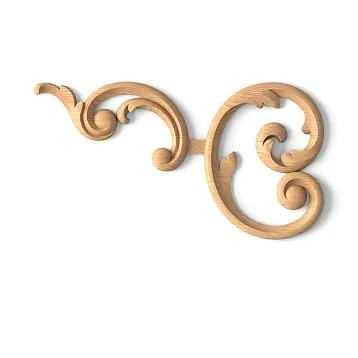
Tip: Use Decorative Inserts and moldings to emphasize boundaries of different zones.
Our factory also produces:


2. Choosing a Color Palette
Color affects the perception of space, its atmosphere, and emotional state.
Get Consultation
2.1. Light Tones
● Visually enlarge the space.
● Make the room feel more airy.
● Suitable for small apartments.
2.2. Dark Tones
● Add depth and expressiveness.
● Create a cozy feeling in spacious rooms.
● Require good lighting to avoid making the interior feel heavy.
2.3. Bright Accents
● Highlight the style and character of the interior.
● Applied as furniture, textiles, or decorative elements.
● Work well in any design style.
Tip: Use polyurethane panels for creating accent walls.
3. Materials for interior design
Material selection determines the durability of the interior and its ease of use.
3.1. Wall materials
● Paint – a universal option, requires smooth surfaces.
● Wall coverings – textile, vinyl, or paper-based for creating coziness.
● decorative moldings – adds depth and style.
3.2. Floor coverings
● Laminate – an affordable and practical option.
● Parquet and solid wood – natural materials with high durability.
● Ceramic tile – a durable material resistant to moisture.
3.3. Ceiling solutions
● Drywall structures – allow hiding utilities.
● Suspended ceilings – create a perfectly flat surface.
● decorative rose outlets – emphasize a classic style.
Tip: Use different materials for wall, floor, and ceiling finishes to create a distinctive interior.
4. Lighting
Lighting plays an important role in creating comfort in the interior.
4.1. General lighting
● Chandeliers and ceiling fixtures create a general ambiance.
● It is preferable to use neutral or warm light.
4.2. Accent lighting
● Backlighting for mirrors, walls, and decorative elements.
● Spotlights and wall sconces.
4.3. Functional lighting
● Work areas require bright lighting.
● In the living room and bedroom, adjustable fixtures are used.
Tip: Position light sources to highlight key design elements.
5. Decorative elements
Decor completes the interior and makes it unique.
5.1. Moldings and trim
● polyurethane moldings Used for ceiling and wall finishing.
● Cornices and skirting boards create neat transitions between planes.
● Decorative overlays are used for furniture and doorways.
5.2. Mirrors
● Increase space.
● Improve lighting by reflecting light.
5.3. Textiles
● Curtains, rugs, cushions make the interior cozy.
● It is important to consider color schemes and textures.
Tip: Use a combination of textiles and decorative panels to create a balanced interior.
6. Specific interior design ideas
Thoughtful interior design is not limited to choosing a style and finishing materials. It is important to consider small details that create a functional and aesthetically pleasing space. Below are specific ideas that will help make the interior original, comfortable, and modern.
6.1. Creating accent walls
An accent wall is a design technique that allows the interior to become expressive and dynamic.
How to decorate an accent wall?
● decorative moldings – Adds depth and makes the wall more expressive.
● Contrasting paint – using bright or dark colors to highlight one wall.
● Photo wallpapers and graphic panels – help create an interesting visual effect.
● Mirror inserts – increase space and enhance lighting.
● Textured panels – mimic stone, concrete, or wood, adding texture.
Tip: In a classic interior, an accent wall may be decorated moldings, and in a modern interior – with geometric panels or contrasting paint.
6.2. Using hidden storage
Organizing space without unnecessary visual clutter – one of the key principles of modern interior design.
Ideas for hidden storage:
● Built-in cabinets and shelves – provide storage without overcrowding space.
● Furniture with additional functions – beds with drawers, sofas with storage compartments.
● Flip-down work surfaces – ideal for small rooms.
● Concealing household appliances – built-in appliances make the interior more cohesive.
Tip: Using hidden storage systems helps avoid visual clutter and makes the interior more organized.
6.3. Zoning without partitions
In small apartments and open spaces, it is important to divide the room into functional zones without cluttering it with walls.
Ways to zone:
● Different floor coverings – for example, tiles in the kitchen zone and parquet in the living room.
● Molding and decorative panels – create boundaries between zones.
● Lighting – pendant lights over the dining area, wall sconces in the relaxation zone.
● Different color schemes – using different palettes for each zone.
● Furniture as a boundary – shelves, sofas, and bar counters help divide the space.
Tip: Use a combination of several methods to make zoning look natural and organic.
6.4. Combining textures and materials
Using different textures makes the interior more dynamic and interesting.
Which combinations work best?
● Wood and metal – create a balance between warmth and industrial rigidity.
● Matte and glossy surfaces – play on the contrast of reflection and depth.
● Brickwork and glass – add character and make the interior feel airy.
● Moldings and modern panels – work well for combining classic and modern styles.
Tip: It is important not to overload the interior with too many textures. It is better to choose 2-3 main materials and complement them with small details.
6.5. Proper lighting
Lighting affects the perception of space and makes it more comfortable.
Lighting ideas:
● Hidden LED lighting – suitable for ceilings, niches, and furniture.
● Pendant lights – create zoned lighting.
● Wall sconces and spotlights – enhance accent lighting.
● Lighting inside cabinets and closets – increases usability convenience.
Tip: Lighting should be layered – combine ambient, accent, and decorative lighting.
6.6. Using mirrors to enlarge space
Mirrors are not only a decorative element but also a tool that helps visually expand the space and enhance natural lighting.
How to use mirrors in interior design?
● Place opposite a window to enhance lighting.
● Use mirrored panels to increase space.
● Install mirrors in niches or above console tables.
Combine mirrors with decorative frames and moldings.
Tip: Mirror walls are ideal for small rooms, making them appear more spacious.
6.7. Integration of natural elements
Natural materials and elements make the interior more lively and cozy.
How can natural elements be incorporated?
● Live plants – create an atmosphere of coziness and freshness.
● Natural wood – used in furniture, panels, and decor.
● Stone and concrete – give the interior a rugged and natural look.
● Water elements – small fountains, aquariums.
Tip: Use wooden moldings and baseboards to emphasize the natural design.
6.8. Functional furniture
Choosing furniture plays a key role in interior design.
Ideas for functional furniture:
● Transformable tables and beds – suitable for small apartments.
● Sofas with built-in storage systems – a convenient solution for organizing space.
● Modular shelves – allow changing storage configurations.
● Console tables and foldable workspaces – help organize a compact home office.
Tip: It's important to choose furniture that not only looks aesthetically pleasing but also meets your functional requirements.
Interior design is a process requiring a detailed approach to zoning, color palette selection, materials, lighting, and decorative elements.
Using moldings, stucco, and decorative panels allows creating an expressive interior that looks stylish and harmonious.
Thoughtful use of mirrors, lighting, natural materials, accent walls, and hidden storage systems helps make the interior convenient, modern, and cozy.
Every detail plays its part, so the interior should not only be beautiful but also functional, practical, and long-lasting.
Conclusion
Interior design is the art of creating a space that not only pleases the eye but also meets requirements of functionality, comfort, and harmony. It is important to consider zoning, lighting, color palette selection, and materials to ensure the interior is comfortable, ergonomic, and long-lasting.
Thoughtful interior design allows visually expanding the space, creating an atmosphere of coziness, highlighting the style, and making the space as convenient as possible. Each element, from furniture arrangement to decorative details, plays its part in forming a cohesive interior where it is pleasant to be and which meets the individual needs of the owner.
Using polyurethane moldings, stucco, and decorative panels allows giving the interior expressiveness, elegance, and depth, emphasizing its style. These elements integrate easily into both classic and modern interiors, making them more refined and complete.
Thoughtful interior design is not only about selecting the right finishing materials, furniture, and lighting, but also attention to details, ergonomics, and durability. It is important to create a space where it is pleasant to live, work, and relax, and also to consider its adaptability to changing conditions.
The interior should reflect the personality and style of the owner, be functional, comfortable, and aesthetically balanced. With thoughtful design, even minor changes, such as using moldings, accent walls, or well-placed lighting, can transform any space, giving it individuality and harmony.
When creating an interior, remember that it should work for you, providing comfort, convenience, and visual pleasure. Using quality materials, decorative elements, and thoughtful design ensures the interior remains current and aesthetically pleasing for many years.