Article Contents:
- 1. Historical roots and evolution of curved legs
- 1.1 From antiquity to the Renaissance
- 1.2 Classic XVIII–XIX centuries: luxury and elegance
- 1.3 Modern synthesis of traditions and innovations
- 2.1 Traditional craftsmanship techniques
- 2.2 Modern technologies: laser cutting and computer modeling
- 2.3 Ecological and sustainable production
- 3.1 Aesthetic Expressiveness and Artistic Value
- 3.2 Increased stability and comfort
- 3.3 Universality and adaptability in interior design
- 3.4 Ecological Safety and Sustainability
- 4.1 Classic style: embodiment of traditions and elegance
- 4.2 Decorative elements in modern interiors
- 4.3 Mixing styles: classic meets modern
- 5.1 Choosing a reliable supplier
- 5.2 Key selection criteria
- 5.3 Consultations and Custom Orders
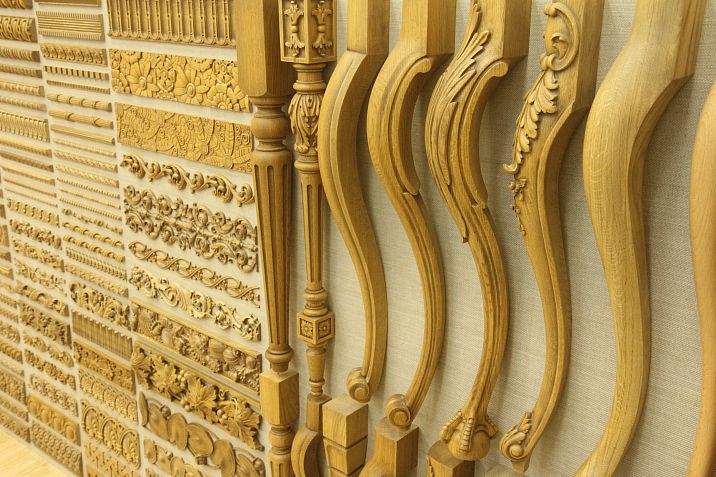
Curved legs for tables are not just a functional element, but a true work of art capable of giving furniture a unique character, elegance, and dynamism. Their smooth, graceful lines transform an ordinary table into the focal point of the interior, reflecting centuries-old craftsmanship traditions and modern design trends. In this article, we will thoroughly discuss how curved legs for tables emerged and evolved, what technologies are used in their manufacturing, why they are becoming increasingly popular in modern interiors, and how they can transform your space. Examples of such items can be seen on the pages ofVersailles table andVersailles console.
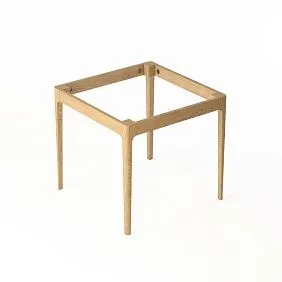


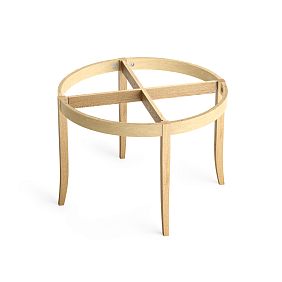
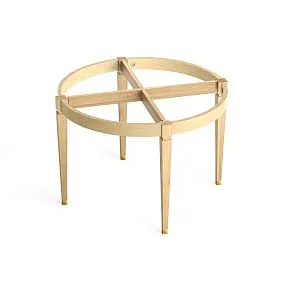
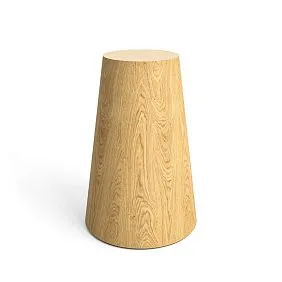
1. Historical roots and evolution of curved legs




1.1 From antiquity to the Renaissance
The idea of creating curved legs for tables originated in ancient times, when masters of ancient Greece and Rome sought ways to give furniture refinement and harmony. Even then, attention was paid not only to functionality but also to aesthetic perfection, laying the foundation for future developments. During the Renaissance, revived ideas of antiquity received new life: craftsmen used innovative wood processing methods, such as steam bending, to make wood more flexible and pliable. Hand bending allowed creating refined, smooth lines that emphasized the beauty of natural material. These early experiments became the starting point for the development of curved leg technology, which later evolved into a true art form.
Our factory also produces:


1.2 Classic XVIII–XIX centuries: luxury and elegance
In the XVIII and XIX centuries, curved legs for tables became a symbol of aristocracy and the highest craftsmanship. In the luxurious palaces and estates of European nobility, furniture adorned with curved legs demonstrated rich decorative finishes and attention to every detail. Hand-carved relief, stucco, and inlays, executed with incredible precision, turned legs into a central design element, giving tables and other furniture pieces a unique charm and elegance. Such items not only emphasized the owner’s status but also created an atmosphere of nobility, which is still appreciated in interiors designed in the classic style.
Get Consultation
1.3 Modern synthesis of traditions and innovations
Modern curved legs for tables represent the result of centuries of experience, when traditional craftsmanship methods meet the latest technologies. Today, masters use laser cutting, computer modeling, and automated quality control systems, allowing them to achieve incredible precision and repeatability of decorative elements. Despite automation, manual work remains an essential component, enabling each item to retain its individuality. This synthesis of traditions and modern technological capabilities ensures high quality, durability, and aesthetic expressiveness of curved legs, making them popular in all interior styles—from classic to modern minimalism.
2. Technologies for manufacturing bent legs for tables
2.1 Traditional craftsmanship techniques
Manufacturing bent legs for tables has always been a craft and an art. Traditional methods include steam bending of wood, which makes the material flexible and pliable. Masters place the wood in a steam chamber, where it softens, and then, under their careful guidance, bend it into the desired shape. The resulting legs are then secured using adhesive compounds and presses, ensuring the desired curve is preserved for a long time.
Hand carving is an essential part of this process. Every curve and decorative line is carefully cut with love and attention to detail, making each piece unique. Such traditional techniques allow the transmission of the soul and individuality of craftsmanship, turning bent legs not just into a functional element, but into a true work of art.
2.2 Modern technologies: laser cutting and computer modeling
Modern technologies have significantly simplified and accelerated the process of manufacturing bent legs for tables, without losing artistic expressiveness. Laser cutting allows for precise cutting of decorative elements, while computer modeling helps create 3D models that precisely match the desired shape. These methods ensure consistent quality and reproducibility of each element, which is especially important in mass production.
Automated quality control systems allow monitoring every stage of production, guaranteeing that the product meets high standards. At the same time, many companies combine automation with manual work to preserve the uniqueness of each item, which is an important competitive advantage. If you want tobuy bent legs for tablesyou can be sure that modern technologies and traditional craftsmanship work in harmony to create flawless products.
2.3 Environmental friendliness and sustainable production
Modern consumers are increasingly paying attention to environmental aspects of production. When manufacturing bent legs for tables, natural materials such as selected wood, which undergoes environmentally friendly processing, are used. The use of natural oils, waxes, and eco-safe dyes allows preserving the natural beauty of wood without harming the environment.
Manufacturers strive to minimize waste and optimize energy consumption, making the process sustainable and safe. Such an eco-friendly approach has become an important criterion for those who wish to purchase high-quality, durable items while caring for the planet’s future.Buy curved legs Choosing suppliers who adhere to sustainable development principles — this is a choice in favor of quality and responsibility toward nature.
3. Advantages of bent legs for tables
3.1 Aesthetic Expressiveness and Artistic Value
Bent legs for tables are a vivid example of how functional elements can become works of art. Their smooth lines, elegant curves, and decorative ornaments give furniture a unique and distinctive appearance. Such legs can transform any table, making it the focal point in the interior. They add dynamism and lightness, highlighting the high level of craftsmanship and introducing notes of luxury and refinement into the space.
The aesthetic expressiveness of bent legs is especially valued in interiors where classical and modern elements are combined. They create a visual contrast between heavy tabletops and slender, curved supports, making the furniture appear lighter and more airy. This approach is ideal for those who appreciate beauty, quality, and the individuality of each item.
3.2 Increased stability and comfort
One of the key advantages of bent legs is their ability to evenly distribute load, significantly increasing the overall stability of the structure. This is especially important for tables used daily, where stability and strength are guarantees of comfort and longevity. Thanks to properly calculated curves, bent legs provide reliable support, preventing deformation and wear, allowing furniture to maintain its functionality for many years.
Such supports contribute to creating comfortable and stable furniture that is not prone to creaking or vibrations even under intensive use. This makes them an ideal choice for items intended for long-term and continuous use, where quality and reliability play a decisive role.
3.3 Versatility and adaptability in interior design
Bent legs for tables are a universal element that easily fits into any interior style. They can be used in both classical and modern designs, creating a harmonious blend of traditional motifs and innovative solutions. Furniture legs shaped as curved lines can serve as either a standalone accent or a subtle addition, emphasizing the overall style and individuality of the space.
The versatility of such legs allows adapting them to any design task, whether creating an accent element for a dining table, a work desk, or a decorative console. Furniture legs with bent supports add freshness and elegance to interiors, making them popular both in private homes and commercial projects.
3.4 Environmental Safety and Sustainability
Another important advantage of bent legs is their ecological safety. The natural wood used in manufacturing undergoes strict selection and processing in accordance with all environmental standards. This ensures not only high product quality but also safety for health, which is especially relevant for modern consumers seeking eco-friendly and sustainable products.
The use of natural materials and eco-friendly technologies allows creating products that do not harm the environment and contribute to sustainable development. This approach makes bent legs an ideal choice for those who value quality, durability, and care for our planet’s future.
4. Application of bent legs for tables: inspiration for interior design
4.1 Classic style: embodiment of tradition and elegance
In a classic interior, bent legs for tables occupy a special place, giving furniture grandeur and elegance. For example,Table Versailles — this is a vivid example of an item where curved legs serve not only as a functional support but also as the main decorative element. Masters use traditional processing methods, creating smooth curves that emphasize elegance and richness of detail. Such tables become the central element of the dining area, where every detail speaks of high craftsmanship and impeccable taste.
In modern interiors, curved legs for tables can serve as a striking accent even in minimalist spaces. Their elegant lines contrast with the strict forms and clean lines of contemporary furniture. An example is
In modern interiors, curved legs for tables can serve as a striking accent even in minimalist spaces. Their elegant lines contrast with the strict forms and clean lines of contemporary furniture. An example isConsole VersaillesBent legs perfectly complement the minimalist design, adding dynamism and artistic expressiveness to the piece. Such solutions allow creating unique interiors where traditional elements harmoniously blend with modern trends, giving the space freshness and individuality.
4.3 Mixing Styles: Classic Meets Modern
Bent legs for tables can be used in strict classical interiors as well as in bold modern solutions, where they serve as a connecting element between tradition and innovation. Their versatility allows combining them with various materials—from natural wood to metal and glass. This approach enables creating furniture that looks modern while preserving the spirit of time-honored traditions. This is the ideal solution for those who want to add a note of exclusivity and originality to their interior while maintaining harmony and design stability.
5. Practical Recommendations for Buying Bent Legs for Tables
5.1 Choosing a Reliable Supplier
If you plan tobuy bent legs for tablesFirst, it is important to find a reliable supplier. Pay attention to the company's reputation, customer reviews, and presence of quality certificates. Reliable manufacturers use only natural wood and eco-friendly technologies, guaranteeing longevity and high-quality craftsmanship. Study the portfolio and compare offers to ensure you are choosing the best.
5.2 Key Selection Criteria
When choosing bent legs for tables, pay attention to the following aspects:
● Materials and quality of wood. Choose items made from solid natural wood, which ensures strength and durability.
● Processing methods and decorative finishing. Ensure the legs are made using modern technologies while preserving traditional craftsmanship, allowing for high precision and artistic expressiveness.
● Design and style. Check how well the chosen legs harmonize with the rest of your furniture. They should enhance the overall style—whether classic, modern, or eclectic.
● Compatibility and dimensions. It is important that furniture legs match the size and structural features of your table, ensuring its stability and ease of use.
5.3 Consultations and Custom Orders
To make the optimal choice, it is recommended to consult professional interior designers or furniture specialists. They will help adapt the chosen bent legs to your specific interior requirements, offer custom order options, and provide recommendations on combining them with other decorative elements. This personalized approach guarantees that you will receive a unique item fully matching your style and needs.
6. Conclusion
Bent legs for tables are elements of furniture design that combine time-honored craftsmanship traditions, modern technologies, and high aesthetic expressiveness. They give furniture elegant, flowing lines, transforming standard items into works of art. Regardless of whether you want to create a classic interior, emphasize the elegance of modern style, or add a unique accent to a minimalist space, bent legs for tables will be the ideal solution capable of transforming your interior.
If you dream of an exclusive piece of furniture that is not only functional but also rich in artistic expressiveness, turn to trusted suppliers andbuy bent legs for tablesto add a touch of refinement and dynamism to your interior. Study examples such asTable Versailles andConsole Versaillesto evaluate the craftsmanship quality and ensure that bent legs can transform any piece of furniture.
Choose quality furniture legs, furniture legs, and furniture supports, and let every detail of your interior be a manifestation of refined taste, durability, and timeless beauty. Bent legs for tables are your opportunity to infuse your furniture with a portion of tradition, inspiration, and innovation, making your home truly unique and stylish.
Bent legs for tables are not just a functional element but a striking accent that can radically change the appearance of your interior. Invest in quality, choose elegance, and enjoy every moment in your home, where every detail is crafted with love and attention to traditions proven by time.