Article Contents:
- 1. History and Evolution of Curved Legs
- 1.1 Roots of Tradition: From Antiquity to the Renaissance
- 1.2 Classic XVIII–XIX Centuries: The Era of Luxury and Refinement
- 1.3 Modern Era: Synthesis of Traditions and Innovations
- 2.1 Traditional Craftsmanship Methods
- 2.2 Modern Technologies: Automation and Precision
- 2.3 Ecological Responsibility in Production
- 3.1 Aesthetic Expressiveness and Uniqueness
- 3.2 Enhanced Durability and Comfort of Use
- 3.3 Universality and adaptability in interior design
- 4.1 Classic Style: Tradition and Refinement
- 4.2 Modern Approach: Minimalism and Innovations
- 4.3 Combining with other decorative elements
- 5.1 Finding a Reliable Supplier
- 5.2 Key Factors When Choosing
- 5.3 Consultations and Custom Orders
- 6.1 Aesthetic expressiveness
- 6.2 Enhanced Durability and Longevity
- 6.3 Universality in Use
- 6.4 Environmental safety
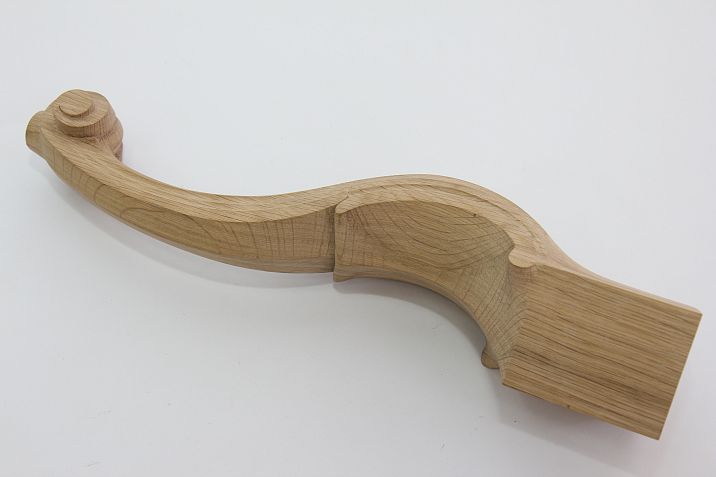
Curved furniture legs are not just a functional element, but a striking work of art capable of adding a unique charm, elegance, and dynamism to your interior. These refined details, crafted using age-old traditions and modern technologies, become a central accent in decorating a wide variety of furniture items — from tables and chairs to consoles and armchairs. In this article, we will thoroughly examine the history and development of curved leg manufacturing technology, their advantages, application specifics in interior design, as well as provide practical recommendations and examples to help you appreciate their uniqueness and quality. Explore examples of products such as %sConsole Marseilles andTable Versaillesto evaluate the aesthetics and craftsmanship of curved legs.


1. History and Evolution of Curved Legs




1.1 Roots of Tradition: From Antiquity to the Renaissance
The idea of creating curved legs for furniture originated in ancient times, when masters of ancient Greek and Roman cultures sought to give their creations elegant forms and harmonious lines. At that time, woodworking art already included techniques allowing wood to take on curved shapes without losing strength and natural texture. These early examples demonstrated how a simple detail could transform a piece of furniture, giving it elegance and refinement.
With the development of craftsmanship during the Renaissance, when culture and art experienced a true renaissance, wood processing technologies significantly improved. Masters of that time began using steam bending to shape wood, enabling the creation of curved legs with smooth, natural curves. These methods laid the foundation for future furniture design, where curved legs became an indispensable part of decorative styling. They symbolized the pursuit of perfection and reflected ideals of harmony that remain relevant to this day.
Our factory also produces:


1.2 Classic XVIII–XIX Centuries: The Era of Luxury and Refinement
During the XVIII–XIX centuries, the classic style reached its peak, and curved legs for furniture became one of the key elements of luxurious interiors. In palaces and estates of that time, items made with curved legs featured complex decorative finishes, rich carvings, and exquisite moldings. Each curved leg was not merely a support for furniture, but a true work of art capable of highlighting the owner’s status and creating an atmosphere of grandeur and nobility.
These items made of natural wood demonstrated the high craftsmanship of artisans who used traditional processing methods and also experimented with new techniques to achieve the smoothest and most expressive forms. Curved legs served as a symbol of elegance and were intended to give furniture lightness, making it visually more refined and sophisticated. They became an essential feature of classic furniture, allowing traditions to be preserved and carried into the future.
Get Consultation
1.3 Modern Era: Synthesis of Traditions and Innovations
With the advent of the 20th and 21st centuries, methods of manufacturing curved legs underwent significant changes due to the introduction of modern technologies. Today, curved legs for furniture are created using a combination of traditional craftsmanship methods and automated processes. Laser cutting, computer modeling, and automated quality control systems allow achieving high precision and consistency in each item. At the same time, many artisans continue to use hand carving and decorative finishing to preserve the soul and uniqueness of each curved leg.
Modern curved legs have become the basis for creating furniture that meets requirements not only in aesthetics but also in functionality. They can be used in various styles—from strict classicism to contemporary minimalist interiors, where every detail plays an important role. This synthesis of traditions and innovations allows creating unique design solutions capable of transforming any interior, giving it freshness and dynamism.
2. Technologies for manufacturing curved legs for furniture
2.1 Traditional craftsmanship methods
Manufacturing curved legs for furniture is a process rooted in ancient craftsmanship traditions. Masters have long used steam bending, which made wood soft and pliable for bending. This method allowed carefully shaping wood into the desired form without compromising its structural integrity. After achieving the desired bend, the wood was fixed using adhesive compounds and special presses, ensuring the preservation of the shape for many years.
Hand carving and decorative finishing play an important role in creating curved legs. Each curve, each decorative detail is executed by hand, giving the item individuality and unique character. Such legs, made using traditional technologies, are true works of art reflecting deep respect for craftsmanship and centuries-old traditions. Masters, applying ancient techniques, create furniture legs that not only serve as functional bases but also decorate interiors, making them unique.
2.2 Modern technologies: automation and precision
With the development of technology, the process of manufacturing curved legs has significantly improved. In modern production, laser cutting, computer modeling, and automated quality control lines are widely used, allowing achieving incredible precision and repeatability of each element. These technologies enable creating legs with perfectly smooth curves and flawless decorative finishing, minimizing human factors and increasing quality stability.
Modern production lines often combine automation with manual work, preserving the traditional approach to creating decorative elements. Thus, each element—whether furniture legs or legs for furniture—becomes unique, meeting high standards of quality and aesthetics. Thanks to this, modern curved legs not only look magnificent but also possess increased strength and durability.
2.3 Environmental responsibility in production
In the modern world, environmental sustainability has become one of the key requirements for furniture production. When manufacturing curved legs for furniture, only ecologically clean materials, such as natural wood obtained in accordance with sustainable development principles, are used. Natural oils, waxes, and dyes used for finishing do not contain harmful substances and allow preserving the natural beauty of wood.
Producers adhering to ecological standards optimize their processes to minimize waste and reduce energy consumption. This approach ensures not only high product quality but also environmental safety, which is especially important for modern consumers concerned about the planet’s future. If you wantbuy bent legs for furniturecontact companies that pay attention to environmental responsibility and use innovative sustainable production technologies.
3. Advantages of Bent Legs for Furniture
3.1 Aesthetic expressiveness and uniqueness
Curved legs for furniture are one of the most effective decorative elements that can transform any item. Their smooth, elegant lines create an impression of movement and lightness, giving furniture a distinctive character and sophistication. Masterfully crafted legs with decorative carving and moldings become an indispensable part of the design, emphasizing the individuality and refined taste of the owner. Each furniture leg, created using traditional and modern technologies, reflects the long experience of craftsmen and embodies ideals of beauty and harmony.
3.2 Enhanced durability and comfort of use
In addition to aesthetic appeal, curved legs play an important role in ensuring the strength and stability of furniture. Due to their unique shape, they contribute to even load distribution, preventing deformation and wear of the structure. This is especially important for furniture used daily, such as chairs, tables, or sofas. Furniture legs in the form of curved legs provide reliable support, making furniture not only beautiful but also extremely comfortable to use. This allows users to enjoy the comfort and longevity of items even under intensive use.
3.3 Versatility and adaptability in interior design
Curved legs for furniture have high versatility and can be used in various interior styles. They fit organically into both traditional and modern spaces, creating unique compositions where the elegance of classicism and the minimalism of modernism harmonize. These legs can become a striking accent in any room—whether an elegant chair in the dining room, an elegant sofa in the living room, or a refined console in the hallway. Their versatility allows easily adapting furniture to any design solutions, highlighting the individuality and high level of interior aesthetics.
Thanks to their ability to harmoniously combine with various materials and color schemes, curved legs for furniture become indispensable in creating unique design projects. Whether you aim to create an atmosphere of classic elegance or wish to add a touch of modern style to your interior, curved legs will help you achieve the perfect balance between aesthetics and functionality.
4. Examples of using curved legs for furniture
4.1 Classic style: tradition and elegance
In a classic interior, curved legs for furniture play an important role, emphasizing the richness of decorative details and high craftsmanship. For example,Console Marseilles is a vivid example of an item where curved legs serve not only as support but also as a central decorative element, highlighting the elegance and sophistication of the furniture. Such items, made using hand carving and decorative finishing, become true works of art capable of transforming any interior, adding lightness and dynamism.
4.2 Modern approach: minimalism and innovations
In modern interiors, where strict lines and minimalist forms dominate, curved legs can become a striking accent, creating an interesting visual contrast. For example,Table Versailles demonstrates how combining traditional curved legs with modern materials and minimalist design can create a unique piece that harmoniously fits into a modern interior. Such a table not only serves a utilitarian function but also becomes a central element, imparting a special dynamism and elegance to the space.
4.3 Combining with Other Decorative Elements
Curved legs for furniture can be used as standalone decorative elements or as part of more complex compositions. They combine well with various decorative elements, such as wrought iron inserts, glass surfaces, mirrors, and even modern textile solutions. Such combinations allow creating interiors where traditional motifs harmoniously blend into modern spaces, forming unique compositions. This is an ideal solution for those who wish to add original details to their interiors and emphasize the individuality of each piece of furniture.
5. Practical recommendations: how to buy curved legs for furniture
5.1 Finding a Reliable Supplier
If you have decidedbuy bent legs for furnitureThe first step is to find a reputable supplier. Reliable manufacturers offer products made from high-quality solid natural wood, adhering to all technological and ecological standards. Before purchasing, it is recommended to review customer feedback, examine the portfolio, and visit demonstration halls to personally verify the product quality.
5.2 Key Factors in Selection
When selecting curved legs for furniture, pay attention to the following aspects:
● Materials. Prefer natural wood, which guarantees durability and resistance to wear. The quality of the material used is the foundation for creating sturdy and aesthetically pleasing items.
● Manufacturing technology. Find out which processing methods are used – traditional handcraft techniques or modern automated systems. This will help assess the accuracy of execution and the uniqueness of decorative elements.
● Design and finish. Check the quality of decorative finishing, presence of carving, moldings, or other decorative details that give the item elegance and individuality.
● Compatibility. Ensure that the selected legs match in size and style with the rest of your furniture, whether chairs, tables, or sofas.
5.3 Consultations and Custom Orders
For the best results, it is recommended to consult professional interior designers. They will help select the optimal solution, adapt items to the specifics of your space, and suggest options for custom orders. Many manufacturers offer the possibility of producing curved legs according to individual parameters, allowing you to create unique furniture legs perfectly matching your requirements.
6. Advantages of curved legs: combination of beauty and functionality
6.1 Aesthetic Expressiveness
Curved legs for furniture are a powerful element of decorative design. Their smooth, elegant lines create a sense of movement and lightness, giving furniture a unique charm. Such elements can transform even the simplest items into true works of art. Masterfully crafted curved legs highlight a high level of artistic taste and become an important accent in interior design.
6.2 Increased stability and durability
Thanks to their special construction, curved legs help evenly distribute load on furniture, significantly increasing its stability and durability. This is especially important for items used daily, such as chairs and tables. Furniture legs made with curved legs allow you to avoid deformations and squeaks, ensuring reliability and comfort during long-term use.
6.3 Universality in use
Curved legs for furniture are a universal solution that easily adapts to any interior style. They can be used in both classic and modern interiors, creating unique design solutions. Whether you need to refresh the look of old furniture or create a completely new item, such legs will be a great addition, reflecting your individual style and refined taste.
6.4 Ecological Safety
Modern curved legs are produced in accordance with strict ecological standards. The natural wood used for their manufacture is processed using environmentally friendly technologies, ensuring the safety of the product for health and the environment. Such an ecological approach makes curved legs an ideal choice for modern consumers who wish to combine high quality with responsible attitude towards nature.
Conclusion
Curved legs for furniture are the perfect combination of tradition, innovation, and artistic craftsmanship. They are capable of transforming any piece of furniture, giving it elegance, dynamism, and a unique character. Thanks to the combination of age-old craft techniques and modern technologies, such items become true works of art that not only decorate the interior but also ensure its high functionality and durability.
If you dream of updating your furniture and adding to your interior an element that will highlight your refined taste, consider the option ofbuy bent legs for furnitureUse this unique decorative element to create stylish tables, chairs, sofas, and other items, so your interior will sparkle with new colors.
StudyConsole Marseilles andTable Versailles as examples of refined items with curved legs to see how these elements can become central accents in your interior. Curved legs for furniture are not only a way to highlight aesthetics but also an opportunity to infuse your space with a touch of tradition, craftsmanship, and innovation.
Let every detail of your interior, whether furniture legs or furniture supports, reflect your pursuit of perfection, high quality, and timeless beauty. Choose curved legs, invest in unique items, and enjoy every moment spent in an interior where tradition and modern trends unite as one whole.
Curved legs for furniture are more than just a functional element. They are a symbol of elegance, an expression of craftsmanship and innovation, capable of transforming any interior by adding dynamism and sophistication. Choose quality furniture legs, furniture legs, and furniture supports, and let your home be filled with elegance, stability, and true art, tested by time.