Article Contents:
- Psychology of buying: why false beams have won the hearts of buyers
- Emotional component of choice
- Anatomy of the right choice: criteria for evaluation before purchase
- Material as the foundation of success
- Geometric parameters and configuration
- Where to find quality: overview of sales channels
- Specialized Manufacturers
- Construction Hypermarkets
- Internet platforms
- Technical aspects: what you need to know before purchasing
- Mounting systems and compatibility
- Microclimate and operating conditions
- Integration with engineering systems
- Stylistic compatibility: beams in various interiors
- Classic Interiors
- Modern directions
- Ethnic Styles
- Pricing: Factors Influencing Cost
- Material and manufacturing technology
- Dimensional characteristics
- Additional services
- Seasonality and current market trends
- Seasonal demand dynamics
- Modern design trends
- Practical recommendations for choosing a supplier
- Criteria for evaluating suppliers
- Warranties and after-sales service
- Installation and mounting: what the buyer needs to know
- Preparatory work
- Joining technologies
- Integration with lighting and engineering systems
- Hidden Lighting
- Placement of communications
- Maintenance and operation: ensuring longevity
- Natural materials
- Artificial materials
- Integrated solutions: beams as part of decorative elements system
- Combination with moldings and baseboards
- Coordination with furniture and finishing materials
- Regional market characteristics
- Climate requirements
- Logistical specifics
- Innovations and the future of the market
- Technological Innovations
- Ecological trends
- Conclusion: wise choice for a perfect interior

Have you ever considered that something could instantly transform an ordinary ceiling into a work of architectural art? The secret lies in the thoughtful selection of decorative elements. When it comes to creating a unique interior, the decision buy a false beam for the ceiling becomes a strategic step toward realizing the designer's dream.
The modern market of decorative materials offers a vast variety of solutions, but ceiling false beams remain the unwavering favorite among professional designers and homeowners. Why? The answer is simple: these elements combine functionality, aesthetics, and an amazing ability to radically change the perception of space.

Buying Psychology: Why False Beams Have Captured Buyers' Hearts
In the world of interior design, there is an unwritten rule: details create atmosphere. Ceiling decorative beams do not merely decorate space—they tell a story. This story may be about the cozy charm of an Alpine chalet, the nobility of an English manor, or the modern elegance of an urban apartment.
Consumer behavior in the field of decorative elements is often determined by emotional factors. People do not simply purchase building materials—they invest in atmosphere, sensations, and lifestyle. False beams possess a unique ability to satisfy this need, creating a sense of fundamentality and tradition even in the most modern interiors.




Emotional Component of Choice
When a potential buyer first sees an interior with ceiling beams, archetypal images of home, safety, and stability activate in their mind. This is not accidental—throughout centuries, wooden beams have been associated with the reliability and longevity of dwellings.
Modern false beams allow one to obtain all the emotional advantages of traditional constructions without their drawbacks. The buyer gains the opportunity to create the interior of their dreams, without being limited by the structural features of the building.
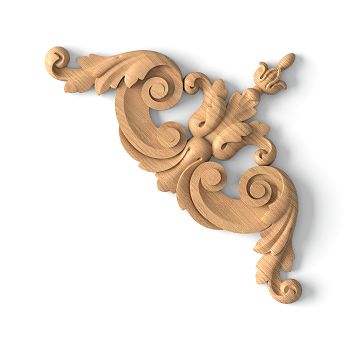
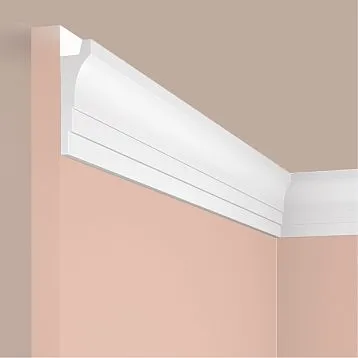
Our factory also produces:




Anatomy of the Right Choice: Criteria for Evaluation Before Purchase
Where buy a false beam for the ceilingThe decision on where should be based on a clear understanding of one's own needs and the characteristics of the room. A professional approach to selection includes analyzing multiple factors, each of which influences the final result.
Get Consultation
Material as the Foundation of Success
The first and most important criterion is material selection. The modern market offers beams made from various materials, each with its own operational characteristics and aesthetic qualities.
Natural wood remains the gold standard in the production of decorative beams. Wooden beams Made from solid pine, oak, or larch, they possess an unparalleled texture, natural aroma, and the energy of living material. Pine attracts with its accessibility and ease of processing, oak with its nobility and longevity, larch with its resistance to moisture and insects.
Polyurethane constructions represent a modern alternative to natural wood. They are lightweight, moisture-resistant, and not prone to deformation or cracking. Modern technologies allow creating polyurethane beams visually indistinguishable from wooden ones, yet possessing improved operational characteristics.
Composite materials combine the advantages of natural wood and modern polymers. They have the texture of wood but lack its drawbacks: they do not crack, warp, or require special care.
Geometric Parameters and Configuration
Beam dimensional characteristics are critically important for achieving a harmonious result. The cross-section of the beam must correspond to the scale of the room: in compact rooms, massive beams may create a sense of pressure, while in spacious rooms, thin beams may disappear and fail to produce the desired effect.
P-shaped configuration is the most universal and popular. Such beams are easy to install, allow for concealing utilities, and create the impression of a massive structure with minimal weight.
G-shaped elements are used to decorate transitions between ceiling and walls, creating a visual connection between horizontal and vertical surfaces.
O-shaped constructions are intended for decorating columns and vertical supports, allowing one to create a unified stylistic ensemble within the room.
Where to Find Quality: Review of Sales Channels
The modern market offers numerous channels for purchasing decorative beams, each with its own advantages and characteristics. Understanding the specifics of different trading platforms will help make an informed choice and avoid disappointments.
Specialized Manufacturers
Direct purchase from the manufacturer remains the most reliable way to acquire high-quality decorative elements. Manufacturers of specialized products possess deep expertise, control the entire technological process, and can offer customized solutions.
Advantages of purchasing from the manufacturer include quality assurance, the ability to order non-standard sizes, professional consultations regarding installation and operation. Additionally, direct sales often mean more favorable prices due to the absence of intermediary markups.
Construction hypermarkets
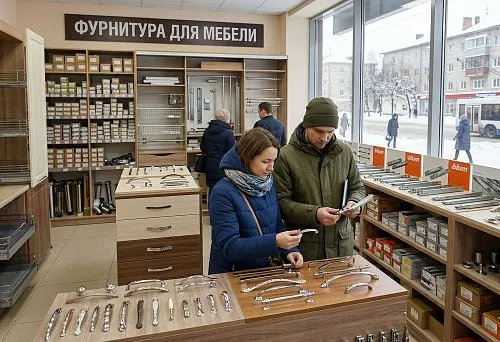
Large chain stores offer a wide variety of decorative beams from different manufacturers. The main advantage of such retail outlets is the ability to compare products from different brands in one place, evaluate quality firsthand, and receive seller consultations.
However, it should be noted that hypermarket assortments are often limited to the most popular items, and staff may lack in-depth knowledge of the specifics of particular products.
Online Platforms
Online purchases are becoming increasingly popular due to the convenience of selection and the ability to compare prices. Online stores offer detailed product descriptions, high-resolution photos, and customer reviews.
When purchasing online, special attention should be paid to the seller's reputation, warranty availability, and return conditions. It is also important to consider shipping costs, especially for large items.
Technical aspects: what to know before purchasing
Proper purchase of decorative beams requires understanding technical nuances that affect installation quality and structural longevity. This knowledge will help avoid mistakes and ensure a professional result.
Mounting systems and compatibility
Different types of beams require different mounting systems. Lightweight polyurethane structures can be mounted using adhesive compounds, while heavy wooden beams require mechanical fastening to the base.
When selecting beams, the type of ceiling must be considered: concrete slabs, drywall constructions, and suspended ceilings require different installation approaches. Some manufacturers offer specialized mounting systems designed for specific base types.
Microclimate and operating conditions
Operating conditions for beams in different rooms vary significantly. Kitchens and bathrooms are characterized by high humidity and temperature fluctuations, requiring moisture-resistant materials and special protective coatings.
In living rooms and lounges, priority is given to aesthetic qualities and material eco-friendliness. Natural Wooden beams here show their best qualities, creating a healthy microclimate and a unique atmosphere.
Integration with engineering systems
Modern interiors are filled with various technical systems: electrical wiring, internet cables, security systems, climate control. Hollow false beams provide the ideal opportunity to conceal these utilities while maintaining the ceiling's aesthetic appearance.
When planning a purchase, it is important to consider the volume of utilities that will need to be installed inside the beams. This affects the choice of cross-sectional size and element configuration.
Stylistic compatibility: beams in various interiors
Successful integration of decorative beams into an interior requires understanding the stylistic features of various design directions. Each style imposes specific requirements on materials, color schemes, and finishing methods.
Classic Interiors
Classic style requires the use of noble materials and traditional finishing methods. Moldings Decorative beams made of solid oak with lacquered finish create an atmosphere of respectability and solidity.
The color palette of classic beams leans toward natural wood tones: from light golden to deep brown. Beams with patina, highlighting the nobility of age, look especially striking.
The geometry of placement follows strict rules of symmetry and proportion. Parallel placement with equal intervals creates a rhythmic ceiling structure, characteristic of classic interiors.
Modern interior styles also use oak skirting boards, but in a different interpretation. Minimalism prefers simple rectangular profiles without decorative elements. Smooth surfaces with matte finish create a sense of strictness and elegance.
Modern design values simplicity of form, functionality, and innovative materials. Polyurethane beams with smooth surfaces and clear geometric shapes fit perfectly into minimalist interiors.
Color solutions for modern styles lean toward monochromatic palettes: white, black, gray. Contrasting dark beams against a light ceiling create a striking accent without overloading the space with details.
Ethnic styles
Ethnic design directions in interior design offer broad opportunities for creative use of decorative beams. Scandinavian style prefers light tones of natural wood, emphasizing connection with nature.
Mediterranean interiors use beams with artificial aging, patina, and signs of time. Such treatment creates a sense of authenticity and history.
Loft interiors require deliberately rough finishes, dark tones, and metallic elements. Here, beams should appear as maximally industrial, emphasizing the origin of the space.
Pricing: Factors Influencing Cost
Understanding pricing principles for decorative beams will help make an informed purchase, optimally balancing quality and project budget. Price is influenced by multiple factors, each contributing its own weight to the final cost.
Material and manufacturing technology
The material used is a determining factor in cost. Polyurethane beams represent the most affordable market segment, offering a reasonable price-to-quality ratio. Pine wood constructions occupy the mid-price category, while oak or exotic wood products belong to the premium class.
Manufacturing technology also significantly affects price. Machine processing offers a more affordable cost, while handwork, artistic carving, and patination considerably increase the value of the item.
The quality of the raw material directly affects the price. High-grade wood without defects, with beautiful grain patterns, costs more than material with knots, irregularities, or color spots.
Dimensional characteristics
Beam dimensions directly affect their cost. Long elements require high-quality material without defects, increasing production costs. Massive beams with large cross-sections cost more than thin ones under equal conditions.
Standard sizes are usually cheaper than custom sizes, as production to individual orders requires additional costs for equipment setup and manufacturing.
Additional Services
Many manufacturers offer additional services that affect the final purchase cost. Delivery of large items may constitute a significant portion of the budget, especially over long distances.
Installation services, designer consultations, and custom project development—all of these add value to the purchase but increase the overall project cost.
Seasonality and current market trends
The market for decorative materials is subject to seasonal fluctuations and fashion trends. Understanding these processes will help choose the optimal time for purchase and current solutions.
Seasonal demand dynamics
Peak demand for decorative elements traditionally occurs during the spring-summer period, when construction and renovation activities become active. During this time, prices may be higher and delivery times longer due to high manufacturer load.
The autumn-winter period is often characterized by more favorable prices and promotions, as manufacturers aim to support sales during traditionally low-demand periods. Planning purchases with seasonal considerations can result in significant savings.
Modern design trends
Current interior design trends influence the popularity of certain types of beams. Growing interest in eco-friendliness increases demand for products made from natural wood with minimal chemical treatment.
The trend toward personalization stimulates the development of custom manufacturing services. Buyers increasingly seek unique solutions that reflect their personality and lifestyle.
Integrating smart technologies into interiors creates new requirements for decorative elements. Beams with built-in lighting, sensors, and automation components are becoming increasingly popular.
Practical recommendations for selecting a supplier
Choosing a reliable supplier is a critically important step in purchasing decorative beams. This decision affects not only the quality of the purchased items but also the comfort of the entire purchasing process.
Supplier evaluation criteria
Reputation and experience are primary criteria for evaluation. Companies with a long history of successful operations, positive customer reviews, awards, and certifications deserve greater trust.
The product assortment and quality must meet the set objectives. A wide range of options allows selecting the optimal solution, while the presence of quality certificates guarantees compliance with standards.
Service level includes professional consultations, assistance in selection, flexible delivery and payment terms. Qualified specialists should help select the optimal solution for a specific project.
Warranties and after-sales service
Reliable suppliers provide warranties for their products and are responsible for the quality of delivered items. The presence of warranty obligations indicates the manufacturer's confidence in the quality of their products.
After-sales service may include installation consultations, care recommendations, and problem resolution. Such support is especially valuable for buyers without experience working with decorative elements.
Installation and mounting: what the buyer should know
Quality installation is an essential part of a successful decorative beam installation project. Understanding basic principles and requirements will help properly plan the project and avoid mistakes.
Preparation Work
Successful installation begins with careful preparation. The ceiling surface must be flat, clean, and strong. Irregularities exceeding 2-3 mm may result in improper beam fitting and weakened mounting.
Planning the placement of beams requires considering the room's features: window and door positions, furniture, and lighting fixtures. A well-prepared plan will help avoid mistakes and achieve a harmonious result.
Mounting technologies
The choice of mounting technology depends on the beam material, ceiling type, and requirements for reliability. Lightweight polyurethane beams can be mounted using special adhesives, while heavy wooden beams require mechanical mounting.
Adhesive mounting is the simplest and fastest installation method. Modern polyurethane adhesives provide strong and durable connections when applied correctly.
Mechanical mounting is used for heavy beams or when higher reliability requirements are needed. This method requires preliminary marking and drilling holes in the ceiling.
Integration with lighting and engineering systems
Modern interiors require proper integration of decorative elements with technical systems. False beams provide unique opportunities for concealing communications and creating original lighting solutions.
Hidden Lighting
The hollow cavities in beams can be used to place LED strips, creating an effective backlighting effect. Such lighting is especially effective in the evening, creating a soft, cozy atmosphere.
Directional beam lighting can be used as primary or supplementary room lighting. Modern LED technologies allow creating systems with adjustable brightness and color temperature.
Placement of communications
Hollow beams are ideal for concealing various communications: electrical wiring, internet cables, security systems. This allows maintaining an aesthetically pleasing ceiling while accommodating modern technical systems.
When planning the placement of communications, it is important to consider their volume and requirements for accessibility for maintenance. Some systems require periodic technical servicing, which must be accounted for during design.
Maintenance and Operation: Ensuring Longevity
Proper care of decorative beams ensures their attractive appearance for many years. Maintenance requirements vary depending on the material and operating conditions.
Natural materials
Wooden beams Require periodic renewal of protective coating. Lacquered surfaces need gentle cleaning with mild detergents without abrasive components.
In rooms with variable humidity, wooden structures may slightly change dimensions. This is a natural process, but significant deformations may require adjustment of fastening.
Artificial materials
Polyurethane beams require virtually no special care. Their surface is easily cleaned with ordinary detergents, is resistant to moisture and mechanical impacts.
Composite materials combine the ease of care of artificial materials with the aesthetic qualities of natural wood. They require no special treatment and maintain stable characteristics throughout their service life.
Comprehensive Solutions: Beams as Part of Decorative Elements System
Decorative beams are rarely used in isolation—they are part of a comprehensive interior design system. Proper integration with other decorative elements creates a cohesive and harmonious look.
Combination with Moldings and Baseboards
Baseboards and cornices made of the same material and with similar finish create a unified stylistic ensemble. Such a solution ensures visual continuity of the interior and emphasizes the thoughtful design approach.
Color and texture coordination of various decorative elements creates the impression of a professionally executed project. Even minor differences in shade or texture may disrupt overall harmony.
Coordination with Furniture and Finishing Materials
Successful integration of beams requires consideration of color palette and style of furniture, flooring, and textiles. Wooden beams should harmonize with natural wood furniture, creating a unified color scheme.
Contrasting combinations can be very effective, but require a professional approach to color coordination. Dark beams on a light ceiling create a striking accent, but may visually reduce the perceived height of the room.
Regional market specifics
The market for decorative materials has significant regional differences related to climatic conditions, construction traditions, and economic factors. Understanding these features will help make the optimal choice.
Climate Requirements
In regions with harsh climates, special attention is given to thermal resistance and material stability. Sudden temperature fluctuations can cause deformation of wooden elements, so stabilized materials or composites are preferred.
In humid regions, resistance to moisture and fungal damage is critically important. Special protective impregnations and coatings ensure the longevity of wooden structures under challenging conditions.
Logistical Features
Transportation of large decorative elements can constitute a significant portion of the project’s total cost. In remote regions, delivery costs may sometimes exceed the cost of the items themselves.
Regional manufacturers may offer more favorable delivery terms and delivery schedules. Supporting local production also contributes to regional economic development.
Innovations and the Future of the Market
The market for decorative materials continuously evolves under the influence of new technologies, changing consumer preferences, and ecological requirements. Understanding development trends will help make forward-looking choices.
Technological Innovations
Modern manufacturing technologies enable the creation of materials with unique properties. New-generation composite beams combine the aesthetics of natural wood with outstanding performance characteristics.
3D technologies open opportunities for creating elements of complex geometry, unattainable by traditional methods. Individual design becomes more accessible thanks to digital technologies.
Ecological trends
Growing attention to ecological issues stimulates the development of sustainable manufacturing technologies. Certified wood from renewable sources, non-toxic coatings, and waste recycling are becoming industry standards.
Energy-efficient production, minimizing transportation costs, and using local materials—these factors increasingly influence consumer choices.
Conclusion: A Wise Choice for a Perfect Interior
Solution buy a false beam for the ceiling Represents an investment in beauty, comfort, and longevity of the interior. The right choice of material, supplier, and installation technology determines the success of the entire project.
The modern market offers solutions for any task and budget. From affordable polyurethane structures to exclusive items made from premium wood—every buyer can find the optimal solution.
It is important to remember that purchasing decorative beams is not simply acquiring construction material. It is a choice of lifestyle, creating an atmosphere, and an investment in emotional comfort at home.
A thoughtful approach to selection, understanding technical features, and working with reliable suppliers ensure a result that will delight for years. Quality decorative beams not only enhance the interior but also increase property value, creating a unique atmosphere of comfort and elegance.
In today's world of technology and speed, the home remains an island of stability and beauty. Ceiling decorative beams help create exactly such an atmosphere — warm, cozy, inviting for rest and conversation with loved ones.
The company STAVROS, with its rich experience in producing high-quality decorative elements from natural wood, offers solutions that will become a decoration of any interior for many years. Each item is crafted with special attention to detail, using the best materials and time-tested technologies. Choosing STAVROS products means choosing quality, reliability, and unparalleled beauty of natural wood.