Article Contents:
- Carved Decoration: Aesthetics and Functionality
- Materials for Carved Facade Decoration: Aesthetics and Durability
- STYLIZATION OF CARVED ELEMENTS: COMBINING TRADITION AND MODERNITY
- FINISHING AND COLOR SOLUTIONS FOR CARVED FACADE ELEMENTS
- CHOOSING MATERIALS FOR FACADE CARVED DECORATION
- STYLE FEATURES OF FACADE CARVED DECORATION
- CARE FOR CARVED WOODEN DECORATION
- HOW TO CHOOSE CARVED DECOR FOR DIFFERENT PURPOSES
- COMBINING CARVED DECOR WITH OTHER DECORATIVE ELEMENTS
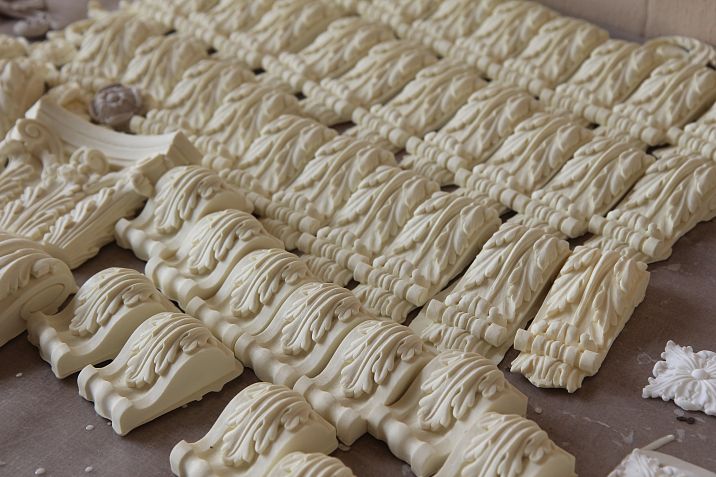
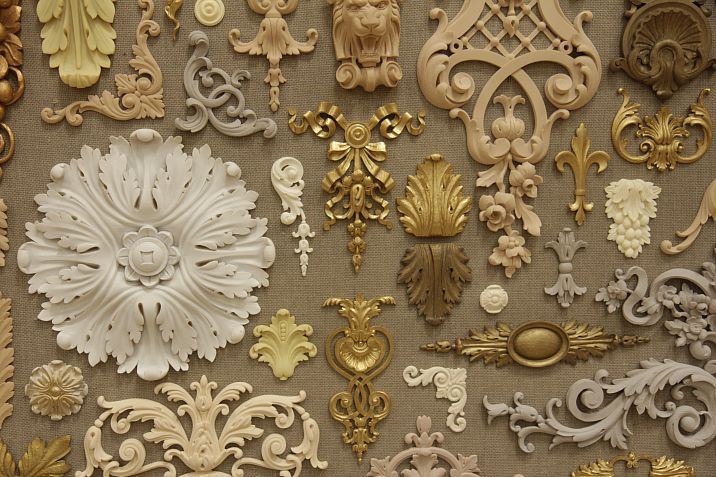
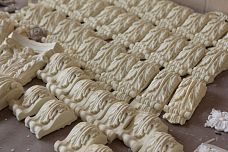
Carved facade decoration is a unique way to highlight the individuality of your home, making it a striking representative of traditional or modern architecture. Carved elements such as cornices, gables, columns, and window casings not only adorn the facade but also perform important functional tasks, adding protection and durability to the structure.
Carved wood has always attracted attention for its aesthetics and ability to realize complex forms and patterns. From traditional Russian houses with their unique window casings to modern interpretations, carved elements remain a symbol of craftsmanship and refined taste. Learn more about how carved wood is used in decoration and interiors in our article Carved Wood: The Art of Handcrafted Work in Decoration and Interiors.

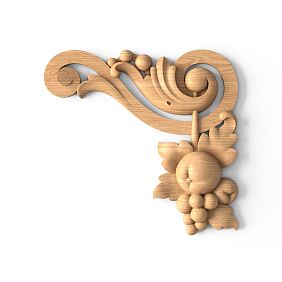

Carved Decoration: Aesthetics and Functionality
Wooden facade decoration is not only ornamentation but also a way to emphasize the architectural features of a house. For example, a carved cornice can protect walls from rain and snow, as well as highlight the roofline. Learn more about the possibilities of using carved cornices in the article Carved Structures for Roof and Facade of a House.
Carved gables decorating the roof often become the center of attention. They can be executed in various styles — from strict geometric to complex floral ornaments. A unique carved roof gable is an opportunity not only to emphasize the style of your house but also to make it truly memorable. Learn more in the section facade decoration.
Porch: Decoration and Practicality
The porch is the first thing guests see when approaching your home. Decorating it with carved elements adds elegance and completeness to the building. A carved porch can include railings, columns, balusters, and even decorative overlays. Each detail becomes part of the overall composition, creating an effect of coziness and warmth. If you want to learn how to decorate a porch with carved elements, we recommend reading the material on carved structures for roof and facade of a house.
Window Sills and Windows: Focus on Details
Windows adorned with carved sills can transform any facade. Such decorative elements were popular in Russian architecture and are experiencing a second life today. Carved sills can be executed in traditional style or modern minimalist design. Sills protect window frames from weather conditions and simultaneously become a striking decorative accent.
Ready-made carved sills for windows are especially popular, as they can be easily installed by yourself. If you want to decorate your home with such elements, check out our catalog carved casings.
Columns and Pilasters: The Grandeur of the Facade
Carved wooden columns add monumentality and luxury to the facade. They are ideally suited for houses in classical style, emphasizing the harmony of architectural forms. Learn more about options for carved wooden columns and pilasters on the product page.
Why Choose Carved Decoration?
- Individuality. Each element is created according to unique projects or adapted to a specific house style.
- Aesthetics. Beautiful carved decorative elements create harmony and make the house a striking accent against other buildings. Learn more about decorative solutions here.
- Functionality. Cornices, gables, and moldings not only decorate but also protect facade structures from atmospheric influences.
To create an ideal facade decoration, choose high-quality products. Browse the collection of carved elements.




Materials for carved facade decoration: aesthetics and durability
Choosing the material for carved facade decoration plays a key role in creating a beautiful and long-lasting appearance of the house. Traditionally, wood is used for carved elements — a material ideal for executing complex patterns and ornaments. However, modern technologies offer a wide range of solutions, including combinations of wood with other materials. Let's consider the main advantages and features of each option.
Wood: traditional choice
Wood is a classic material for manufacturing carved elements. Its natural texture and warm tone make it indispensable for creating a cozy and aesthetically pleasing atmosphere. Main wood species used for carved decoration include:
- Oak — a strong and durable material, ideal for massive structures such as wooden carved columns. Learn more about carved oak items here.
- Beech — a versatile wood that allows creating complex ornaments. For example, for elements such as carved trim, beech is ideal due to its density and uniform structure. Browse the catalog of carved trim via the link.
- Spruce — a lightweight and affordable material, popular for making carved window casings. It provides an ideal balance of price and quality.
Wood requires regular maintenance, including treatment with antiseptics and application of protective coatings. This protects the material from moisture, ultraviolet radiation, and insects.
Composite materials: innovations in decoration
In modern design, combinations of wood with other materials are often used to enhance durability and expand decorative possibilities. Among such materials stand out:
● Metal: used as an reinforcing element, especially for large structures such as carved roof gables.
● Polymers: lightweight and resistant to environmental effects, they are used to imitate complex patterns on large surfaces.
● Glass fiber: a combination of aesthetics and strength, ideal for outdoor decoration.
Processing and coating of carved elements
To preserve the aesthetic appearance of carved decoration for many years, it is important to properly process its surface. It is recommended:
- Coating with varnish or oil to protect against moisture and sunlight. This is especially important for decorative carved elements placed outdoors.
- Use of special compositions to prevent cracking and rotting.
- Regular cleaning and renewal of the coating, especially for elements exposed to atmospheric influences, such as carved house cornices.
Details on proper care for wooden elements read in the article about carved decorative elements.
Where to order quality carved elements?
To create a unique appearance for your home, it is important to choose products from reputable manufacturers. The company STAVROS offers a wide range of carved decoration: from traditional moldings to modern solutions for facades. Browse the full catalog on the website stavros.ru.
Our factory also produces:


STYLIZATION OF CARVED ELEMENTS: COMBINING TRADITION AND MODERNITY
Creating a unique facade using carved elements allows highlighting the building's individuality and giving it aesthetic completeness. Proper combination of decoration with architectural style becomes the key to success. Let's consider how to use elements such as carved house cornices, carved roof gables, wooden carved columns, and others to make the facade look harmonious.
Traditional Russian style
For Russian style, characteristic are rich ornaments resembling "lace." Main elements here are:
- Carved moldings — these refined elements emphasize window outlines, adding uniqueness to the facade.
Select appropriate Carved window casings. - Carved roof gable – a decorative accent on the roof that may include patterns and ornaments. Learn more about decoration options here.
- Carved porch of the house – an entrance group that decorates the facade and gives the house a stylish look. Explore porch ideas via the link.
These elements together create the atmosphere of traditional Russian architecture, adding warmth and charm to the house.
Classic
Classic style embodies strictness and elegance. Main elements that will help you decorate the facade:
● Wooden carved columns – they are ideal for creating monumentality and emphasizing the entrance group. Explore their assortment here.
● Carved house eaves that complete the building's exterior appearance. Find the right option here.
These elements add refinement, highlight status, and are ideally suited for urban cottages and country estates.
Modern style
Modern houses require a minimalist design, but even here, carved elements can become a unique accent:
- Minimalist carved appliqués – create accents while maintaining a balance between decoration and functionality.
Choose suitable Carved appliqués for facade. - Wooden carved columns in a modern style – lightness and simplicity combine with the natural beauty of wood.
- Use contrasting colors to highlight facade accents, such as a carved roof gable.
Eclecticism
Eclectic style allows mixing traditional and modern elements:
● Combining carved window casings with minimalist eaves creates contrast and attracts attention.
● Wooden carved columns in an eclectic style give the facade character.
● Bright accents, such as a carved house porch, become the central element of the design.
Read more about combining elements here.
Get Consultation
FINISHING AND COLOR SOLUTIONS FOR CARVED FACADE ELEMENTS
A harmoniously designed facade is a combination of texture, color, and form. Carved elements play a key role in creating an expressive exterior, drawing attention to architectural details. Carved decoration, for example, carved house eavescan transform the overall appearance of the building.
Natural shades and transparent coatings
The natural texture of wood already attracts attention, so choosing natural shades is often a winning solution. Using carved wood in its natural form highlights the uniqueness of the material.
● Transparent varnishes help protect wooden elements, such as carved wooden columns, and emphasize their texture.
● Oil-based coatings add depth of color and extend the service life of facade decoration.
Contrasting solutions and bright accents
Contrasting colors bring modernity and individuality. For example, carved gable roof in dark tones create a striking visual accent.
● White color – classic, which perfectly highlights elegance carved casings.
● Pastel tones – emphasize the elegance and softness of facade elements, such as carved roof.
Final finish: protection against external influences
To extend the service life of carved facade elements, it is necessary to use high-quality finishing materials.
● Antiseptics will protect wooden surfaces from mold and mildew.
● Enamels and paints will help make carved house brighter and more expressive.
● To preserve texture and increase durability, use transparent coatings suitable for carved wooden windows.
Aesthetics of light and shadow
The effect of three-dimensional decoration is enhanced by proper lighting. For example, backlighting carved facade ornaments makes them more expressive at night.
Choose coatings that create an interesting light-reflection effect, highlighting details such as carved patterns.
CHOICE OF MATERIALS FOR FACADE CARVING DECOR
Careful selection of materials for facade decoration is the foundation of durability and aesthetics. Wood is one of the most popular materials, valued for its natural beauty, unique texture, and versatility. However, for each element, it is important to properly select the wood and finish coating.
Wood: quality and species
Hardwood species are used for making facade decoration. For example:
● Oak – ideally suited for carved windows and other elements, thanks to its high strength and resistance to external influences.
● Beech – often used for carved trim due to its plasticity and ability to be finely processed.
● Cedar – resistant to moisture and has a pleasant natural color, making it an excellent choice for carved facade trim.
Wood Processing: Reliability and Protection
For facade work, wood requires special treatment to withstand weather conditions. This is especially important for elements such as carved casings or carved friezes.
- Antiseptics – prevent the appearance of mold and mildew.
- Primers – prepare the surface for applying paint or varnish.
- Waterproofing agents – protect wood from absorbing water.
Alternative Materials
In addition to natural wood, modern materials such as:
● MDF – suitable for carved panels, used indoors.
● Composite materials – used to create durable facade decor imitating natural wood.
Advantages of Wood in Facade Decor
Using natural wood for facades offers numerous advantages:
● Ecological safety: wood is a natural material that is safe for the environment.
● Aesthetics: Carved Decor made of wood looks elegant and adds a unique character to the building.
● Durability: with proper treatment, wood can retain its qualities for decades.
Care Tips for Facade Decor
To ensure facade decor maintains its attractive appearance and strength, it is important to follow these recommendations:
● Regularly inspect the condition of decorative elements, such as Carved Door Casings for Windows, and carry out restoration if necessary.
● Renew protective coatings every 2–3 years.
● Keep the facade clean and remove dirt from carved elements using a soft brush and special cleaners.
STYLISTIC FEATURES OF FACADE CARVED DECOR
Each house is unique, and facade carved decor allows highlighting its individuality. Depending on the architectural style of the building, you can choose the appropriate type of carving, which will become a harmonious addition to the exterior. Let’s consider the main stylistic directions and features.
Classic style
Classicism never goes out of fashion. For houses in the classical style, characteristic features are strict forms, symmetry, and refined details. Carved decor emphasizes this aesthetic:
● Carved columns with grooves or ornaments.
● Carved Cornices for finishing the upper part of the facade.
● Window frames, adorned with classical ornaments.
Such decoration adds grandeur to the house and emphasizes the owner's status.
Russian Style
Russian carving – this is a wealth of details, smooth lines and patterns inspired by natural motifs. This style suits wooden houses or cottages:
● Russian carved window casings with floral elements or fairy-tale motifs.
● carved friezes with openwork carving.
● Carved window frames, creating a "teremok" effect.
This style evokes associations with traditions and cultural heritage, making the house warm and cozy.
Modern style
Modern architecture requires simplicity and functionality, but this does not exclude the use of carved decoration. The key is to choose minimalist elements:
● Geometric carved appliqués, emphasizing the building's strict lines.
● carved panels, used as accent elements.
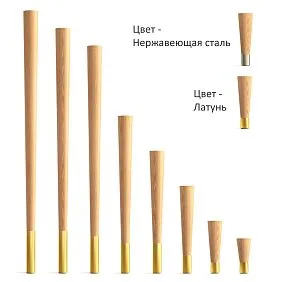
● carved legs for outdoor furniture on the veranda or terrace.
Modern wooden elements give the building individuality without disrupting its overall style.
Provence
Provence is an elegant rustic style suitable for country houses. Key features – pastel shades, graceful lines, and lightness:
● Carved Decorative Elements with floral ornaments.
● carved wooden shelves for decorating open verandas.
● Carved Mirror Frames, which can be placed on the facade or inside the house.
Such a style helps create an atmosphere of lightness and harmony.
Ethnic style
For lovers of exoticism, ethnic motifs in carving are suitable. These may be patterns and forms characteristic of Asian, African, or Latin American cultures:
● Carved panels with ethnic ornaments.
● Carved facade decorations in the form of totemic figures or symbols.
This style creates a unique exterior appearance and adds character to your house.
How to choose a style?
The style choice depends on:
- The house's architecture – carved decoration should complement, not contradict, the overall design.
- Personal preferences – the decoration style should reflect the owner's individuality.
- The purpose of elements – decorative elements, such as Carved Mouldings or Carved posts, must be not only beautiful but also functional.
CARE FOR CARVED WOOD DECOR
Carved wooden decor gives the house facade or interior an elegant and unique look. However, to preserve its beauty and longevity, special care is required. Below are tips and recommendations for maintaining carved decor in perfect condition.
Prevention of damage
- Protection with protective agents
Carved wood is vulnerable to moisture, ultraviolet radiation, and pests. It is recommended to use:
○ Wood varnishes and stains.
○ Antiseptics to prevent mold and mildew.
Read more about protective products for decor here.
- Regular Cleaning
To prevent dust and dirt accumulation, clean elements with a soft brush or dry cloth. For intricate patterns, a vacuum cleaner with a brush attachment can be used. - Avoid mechanical damage
Install decor so as to minimize the risk of accidental impacts or scratches.
Special care for exterior decor
Carved facade decorations, such as Carved Mouldings, gables и Columns, require special attention:
- Protection from Atmospheric Effects
Use moisture-resistant coatings and paints. They will help protect the wood from rain, snow, and sun.
Learn more about ways to protect wood here. - Periodic Inspection
Check carved elements once a year for cracks, chips, and mold signs. Timely repairs prevent destruction. - Recoating
Paints and varnishes fade and lose their properties over time. It is recommended to renew them every 3–5 years.
Special care for interior decor
Interior elements, such as carved appliqués, Outlets or Panels, are more protected from external factors but still require care:
- Cleaning
Use dry cloth or slightly damp cloth to remove dust. Avoid aggressive cleaning agents. - Maintaining microclimate
Wooden elements may deform due to sudden changes in humidity and temperature. Maintain a constant humidity level in the room (40–60%). - Polishing
For shine and protection, you can use special wood polishes. They give the surface an aesthetic appearance and create a protective layer.
Repair and Restoration
Carved decoration may require restoration over time. To do this:
- Fill cracks and chips
Use wood putty that matches the color. This will help conceal defects. - Manual carving restoration
In case of serious damage, consult specialists who can manually restore complex patterns. Read more about restoration services here. - Painting and varnishing
After repair, renew the protective coating to prevent further damage.
Storage tips for temporarily unused elements
If you decide to temporarily remove Carved Elements, it is important to follow storage rules:
● Store in a dry, well-ventilated room.
● Wrap in soft fabric or plastic to avoid damage.
● Avoid contact with aggressive substances.
Caring for carved decoration requires time and attention, but the result is worth the effort. Beautiful carved items will delight the eye for many years and highlight the owners' refined taste
HOW TO CHOOSE CARVED DECORATION FOR DIFFERENT PURPOSES
Carved decoration is a universal element that can be used to decorate building facades, interiors, and furniture. However, selecting appropriate items requires careful consideration. Let's examine the main selection criteria depending on the purpose and specific application.
Choosing carved decoration for the facade
Carved elements for the facade should not only be aesthetically pleasing but also durable. Popular elements, such as Carved Mouldings, gables и cornersperfectly highlight the architectural features of the building.
Selection criteria:
- Material
For outdoor use, choose items made from moisture-resistant wood species, such as oak or larch. They are resistant to moisture and temperature fluctuations. - Size and design
Pay attention to the size of the elements. They should harmonize with the overall architecture of the house. For example, large windows suit massive Casingswhile compact structures require more delicate designs. - Finish
Choose decoration with protective coatings that prevent exposure to ultraviolet rays and moisture. - Functionality
Some elements, such as carved railingsserve not only decorative but also practical functions.
Choosing carved decor for interior
For interior, it is important to select elements that highlight the style of the room and create a cozy atmosphere. Popular items include carved appliqués, Outlets, Panels и Crown Molding.
Selection criteria:
- Decorative style
For classic interiors, elegant carved elements such as Outlets or mirror framesare suitable for modern interiors, where minimalist and geometric patterns are appropriate. - Color and Texture
Natural wood looks great in interiors. Choose items with natural color or painted to match your design. - Ease of maintenance
For interiors, it is important that elements are easy to clean from dust and maintain an attractive appearance.
Choosing carved decor for furniture
Carved elements allow you to transform standard furniture and give it uniqueness. Among popular items are carved legs, front panels и applique.
Selection criteria:
- Furniture purpose
For example, for kitchens, ideal are carved frontsand for bedrooms — elegant beds with carved headboards. - Sizes and proportions
Elements should match the size of the furniture. For example, for a small table, it is better to choose compact Legs. - Style compatibility
Ensure that the decor harmonizes with the overall style of the furniture. In classic interiors, carved side tablesare suitable for modern interiors, where strict lines are appropriate.
Recommendations for ordering carved decor
When ordering carved decor, pay attention to the following aspects:
- Custom made
At STAVROS, you can order custom-made items perfectly suited to your project. Learn more here. - Product quality
Choose decor only from trusted manufacturers. All STAVROS products are made from high-quality solid wood. - Delivery and Installation
Ensure the company provides delivery services and, if necessary, installation.
COMBINING CARVED DECOR WITH OTHER DECORATIVE ELEMENTS
Carved decor can become the main accent in design, but its combination with other interior and exterior elements requires a thoughtful approach. To create a harmonious and stylish look for your space, it is important to consider the characteristics of material combinations, shades, and textures.
Carved decor and natural materials
Carved wooden items combine beautifully with other natural materials such as stone, metal, or textiles. For example, carved wooden columns can be used in interiors with stone walls to create a monumental effect.
Recommendations for combining:
- Wood and metal
Combining wood with metallic elements is suitable for modern interiors. For example, Carved legs for furniture Look great against metal frames. - Wood and textile
To create a cozy atmosphere, use textiles with soft textures. Carved bed backs will be complemented by elegant curtains or throws in a similar color palette. - Wood and glass
Carved decoration, such as inlay for doorscombined with glass inserts will give the room lightness and elegance.
Color combinations with carved decoration
Choosing a color palette plays a key role in decorating space with carved decoration. Natural wood tones pair beautifully with both neutral and bright colors.
Color selection tips:
- Classic
For a classic interior, choose natural wood tones such as oak or beech, which can be enhanced by light walls and soft pastel shades. - Modern style
In a modern interior, use contrasts. For example, carved panels Dark wood will look great against white or gray walls. - Vibrant Accents
If you want to add vibrancy, combine carved elements with bold colors. For example, carved appliqués can be painted emerald or burgundy.
Carved decoration and lighting
Proper lighting can highlight the texture and details of carved decoration. Using light allows you to emphasize elements such as carved frames or Wall panels.
Lighting recommendations:
- Directional lighting
Use lamps with adjustable direction to emphasize the relief of the decoration. - Warm light
Warm lighting is better suited for wooden elements, highlighting their natural texture and color. - Combination of light sources
Place multiple light sources to create depth and highlight different areas of the room.
Combining carved decoration with patterns and ornaments
Using carved ornaments and patterns in combination with textile or wall prints allows you to create a unique look for the space. For example, Carved Wooden Patterns will beautifully complement an interior with classic-style wallpaper.
Pattern selection tips:
- Harmony of forms
Combine elements with similar motifs. For example, carved panels with botanical ornaments