Article Contents:
- Anatomy of wooden decor: materials science for connoisseurs
- Historical roots of house carving
- Modern Revival of Ancient Art
- Wood science: choosing wood for eternity
- Wood species and their characteristics
- Processing and Protection Technologies
- Types of carved elements: from classicism to avant-garde
- Traditional elements of house carving
- Specialized Picture Frame Solutions
- Stylistic directions: choosing according to architecture
- Russian style: return to roots
- Scandinavian minimalism: simplicity as perfection
- Alpine chalet: the coziness of a mountain hut
- Technological aspects of production
- From Sketch to Finished Product
- CNC technologies in wood carving
- Hand-finishing: soul of the piece
- Installation and operation: guarantee of longevity
- Correct installation — the foundation of longevity
- Protection from Atmospheric Effects
- Psychology of perception: how carving affects people
- Emotional impact of ornamentation
- Socio-cultural significance of decoration
- Economic Aspects: Investment in Beauty
- Cost and Pricing Factors
- Return on investment
- Regional characteristics and climatic requirements
- Northern Regions: Fighting Extreme Conditions
- Southern regions: protection from heat and humidity
- Modern trends in facade decoration design
- Ecological approach
- Integration with modern technologies
- Maintenance and Care: Extending Service Life
- Regular Inspection and Preventive Maintenance
- Restoration and renewal
- Individual approach: creating unique decoration
- Author design development
- Symbolism and personalization
- The future of house carving: traditions in the digital age
- New materials and technologies
- Virtual reality in design
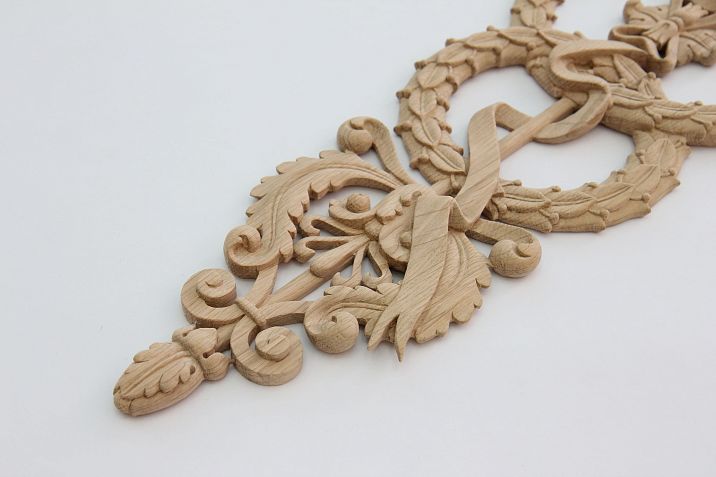
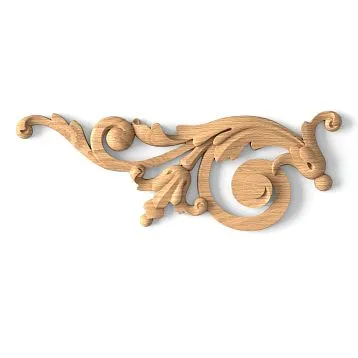
Imagine morning, when the first rays of sunlight touch the wooden patterns on your windows, creating a dance of shadows on the walls of your home. It is moments like these that make one understand the true value wooden carved window decoration elements to buy which turn an ordinary dwelling into a work of art.
In the modern world, where mass construction has produced uniform facades, wooden carving becomes a way to return soul and individuality to architecture. Each element of house carving is not just decoration — it is a connecting thread between the past and the present, between the craftsmanship of ancestors and modern technologies.


Philosophy of wooden decor: between tradition and innovation




Historical roots of house carving
Russian house carving traces its roots to deep antiquity, when our ancestors imbued wooden patterns with magical meanings. Each swirl, each rosette carried a protective function, guarding the home from evil spirits and attracting prosperity. Solar symbols on kokoshniks symbolized the eternal movement of the sun, plant ornaments — fertility and prosperity, geometric patterns — harmony of the universe.
Master carvers passed down the secrets of the craft from generation to generation, creating regional schools with their own characteristics. Northern carving was distinguished by monumentality and depth of relief, capable of withstanding harsh climates. Southern carving — more elegant and refined, with an abundance of fine details and delicate elements.
Our factory also produces:


Modern revival of ancient art
XXI century brought a new understanding of the role of decorative art in architecture. Modern Carved Door Casings for Windows combine historical continuity with technological achievements. High-precision CNC equipment allows reproducing the most complex ornaments with jewel-like accuracy, while modern protective coatings ensure the longevity of items in any climatic conditions.
However, technology will never replace human craftsmanship. Final finishing, fitting elements, creating patina — all of this is done by hand, giving each piece a unique character and lively energy.
Get Consultation
Wood Science: Choosing Wood for Eternity
Tree species and their characteristics
Choosing wood for facade decoration is an art of compromise between beauty, durability, and cost. Each species has unique properties that determine its area of application.
Oak remains the king among species for outdoor decoration. Its density of 700-800 kg/m³ ensures exceptional strength, while its high tannin content provides natural protection against rot. Oak casings can last for centuries, gradually acquiring a noble patina over time.
Larch is a coniferous species with unique properties. Its wood contains natural antiseptics, making it practically immune to fungi and insects. Density of 630-660 kg/m³ allows creating thin, delicate elements without losing strength.
Spruce is a democratic choice for those who value the price-to-quality ratio. When properly processed, spruce elements can last for decades, and the resinous nature of the wood provides additional protection against moisture.
Cedar is an elite species with unique aesthetic qualities. Its pinkish hue and delicate aroma make cedar products especially attractive to connoisseurs of exclusivity.
Processing and Protection Technologies
Modern wood protection methods have fundamentally changed the perception of the longevity of wooden decoration. Vacuum impregnation with antiseptics penetrates deeply into the wood structure, creating a barrier against biological damage. Special borate-based compositions provide protection against wood-boring insects.
Finish coatings serve not only a decorative but also a protective function. Modern alkyd-based lacquers allow wood to "breathe," preventing moisture accumulation, while reliably protecting against UV radiation and atmospheric precipitation.
Types of carved elements: from classicism to avant-garde
Traditional elements of house carving
Casings are the main elements of window decoration, serving both aesthetic and practical functions. They cover the gap between the window frame and the wall, protecting against drafts and moisture ingress. The width of the casing varies from 80 to 200 mm depending on window size and building architectural style.
Cockades are upper decorative elements named after the traditional women's headwear. They can be symmetrical or asymmetrical, simple or richly carved with ornamental patterns. The height of a cockade is usually 150-400 mm.
Sills are lower decorative elements, often called "towels" due to their characteristic shape. They give the composition a sense of completion and visually emphasize the base of the window.
Shutters are functional elements that, in modern interpretation, often play a decorative role. Carved shutters can become a true facade ornament, especially at night with internal lighting.
Modern interpretations of classic profiles
Modern designers are not limited to copying historical samples. They creatively reinterpret traditional motifs, creating works that seamlessly fit into the architecture of the 21st century.
Minimalist casings with concise geometric ornamentation are perfect for modern cottages in high-tech style. Abstract compositions inspired by natural forms create interesting lighting effects and change their perception depending on the viewing angle.
Stylistic directions: choosing according to architecture
Russian style: returning to roots
Russian style in house carving implies the use of traditional ornaments rich in symbolic meaning. Solar signs, Tree of Life, phoenix birds — all these motifs create a special energy in the house, connecting its inhabitants with cultural roots.
The color palette of Russian style leans toward natural wood tones, with possible use of traditional colors: red, blue, green, white. Each color had its own meaning: red symbolized life force, blue — celestial purity, green — natural harmony.
Scandinavian minimalism: simplicity as perfection
The Scandinavian approach to wooden decoration is based on principles of functionality and the natural beauty of the material. There is no room for excess — every element must be justified and serve its purpose.
Facade wooden overlays In Scandinavian style, they are characterized by clean lines and simple forms. Ornament, if present, has a geometric character and does not overload the composition.
Alpine chalet: the coziness of a mountain hut
Chalet style implies the use of massive wooden elements that emphasize the solidity and reliability of the structure. Carving here plays a more auxiliary role, complementing the natural beauty of wood textures.
Characteristic elements — wide casings with simple profiles, massive window sills, decorative consoles under roof overhangs. All of this creates a sense of protection and coziness, essential for mountain regions.
Technological aspects of production
From sketch to finished product
Creating high-quality carved decoration is a complex technological process involving multiple stages. It all begins with detailed measurements of the object and creation of a technical specification. The designer takes into account the architectural features of the building, the client's wishes, and the climatic conditions of the region.
The next stage is creating a scaled sketch. Here, all ornament details are worked out, element sizes are determined, and product profiles are selected. Special attention is paid to joints — areas where different elements connect with each other.
CNC technologies in wood carving
CNC machines have revolutionized the production of carved decoration. They enable the reproduction of the most complex ornaments with precision down to tenths of a millimeter, ensuring perfect repeatability of elements in large batches.
Modern 5-axis milling centers can process workpieces at any angle, creating three-dimensional compositions previously accessible only to master craftsmen of the highest qualification. At the same time, production speed increases by dozens of times.
Hand-finishing: the soul of the piece
Despite the perfection of modern equipment, manual work remains an indispensable part of the production process. An experienced carver refines the piece to perfection, removing tool marks, accentuating the play of light and shadow, creating that elusive vitality which distinguishes true art from industrial stamping.
Creating patina — artificial aging of wood — requires special skill. This delicate process allows a new item to appear as if it has adorned the facade of an old house for decades.
Installation and operation: guarantee of longevity
Correct installation — the foundation of longevity
The quality of installation largely determines the service life of carved decoration. Incorrectly installed elements may deform, crack, and lose their appeal within just a few years.
The main rule for installing wooden decoration is accounting for thermal expansion. Wood is a living material that reacts to changes in humidity and temperature. Therefore, fastening must allow for free movement of elements.
Special 'floating' fasteners are used, allowing wood to expand and contract without damaging the structure. Connection points are sealed with elastic compounds that maintain mobility under any weather conditions.
Protection against atmospheric influences
Modern protective coatings can extend the service life of wooden decoration for several decades. A multi-layer protective system includes antiseptic impregnation, primer, and finish coating.
Special attention is paid to end surfaces — the most vulnerable areas of wooden items. They are treated with special sealants that prevent moisture from penetrating the wood structure.
Psychology of perception: how carving affects people
Emotional impact of ornament
Ornament affects people on a subconscious level. The rhythmic repetition of elements creates a sense of harmony and order. Plant motifs awaken associations with nature, promoting relaxation and stress relief.
Psychologists note that people living in homes with rich decoration exhibit greater creativity and emotional stability. The beauty surrounding a person in daily life shapes their aesthetic taste and influences overall quality of life.
Socio-cultural significance of decoration
In modern society, architectural decoration performs an important communicative function. It conveys the tastes and preferences of the owner, their social status, and cultural level. A home with quality carved decoration is perceived as a sign of prosperity and good taste.
At the same time, it is important to avoid vulgarity and showiness. True beauty lies in the harmony of all elements, a sense of proportion, and understanding of style. Good decoration does not shout about itself, but creates a special atmosphere felt intuitively.
Economic aspects: investment in beauty
Cost and pricing factors
Cost wooden carved window decoration elements to buy depends on many factors: ornament complexity, item size, wood species, manufacturing method, batch volume.
Simple pine casings may cost from 1,500 rubles per linear meter, while exclusive handcrafted oak items — up to 15,000 rubles and more. It is important to understand that price reflects not only material costs but also craftsmanship level, design uniqueness, and execution quality.
Return on investment
Quality carved decoration can be considered a long-term investment. It not only decorates a home but also increases its market value. According to real estate agents, homes with unique architectural decoration sell 15–25% higher than similar properties without decoration.
Moreover, carved decoration is an element that is not subject to moral aging. Unlike interior design trends, classical forms of wooden carving remain relevant for decades.
Regional characteristics and climatic requirements
Northern regions: combating extreme conditions
In the Far North, wooden decoration is subjected to especially harsh conditions. Temperatures down to -50°C, strong winds, heavy snowfalls — all of this requires a special approach to material selection and protective technologies.
For northern regions, it is recommended to use larch or cedar — species with enhanced frost resistance. Protective coatings must be especially resistant to temperature fluctuations and ultraviolet radiation, whose intensity increases in northern latitudes due to reflection off snow.
Southern regions: protection from heat and humidity
In southern regions, the main enemies of wood are high temperatures, intense UV radiation, and increased humidity. Here, it is important to use species with high density and natural resistance to decay.
Oak and ash show excellent results in southern climates, especially when properly treated with modern protective compounds. It is important to provide good ventilation for structures, preventing moisture stagnation.
Modern trends in facade decoration design
Ecological approach
Modern consumers increasingly pay attention to ecological aspects of construction. This applies to the selection of materials for decoration. Certified wood from sustainably managed forests, environmentally safe coatings, and full recyclability — all of these are becoming important selection criteria.
Wood carving for the house facade Wood from certified sources is not only beautiful but also ethically impeccable. Each item comes with documentation confirming the legality of harvesting and compliance with ecological standards.
Integration with modern technologies
The development of "smart" technologies opens new possibilities for facade decoration. Built-in LED lighting can highlight the beauty of carvings at night. Light sensors automatically turn on the lighting at dusk.
Climate control systems allow maintaining optimal conditions for preserving wooden elements. Humidity and temperature sensors transmit data to the owner's smartphone, warning about the need for preventive measures.
Care and maintenance: extending service life
Regular inspection and preventive maintenance
Wooden decoration requires regular attention and care. It is recommended to visually inspect elements at least twice a year — in spring and autumn. Special attention should be paid to the condition of the protective coating, tightness of joints, absence of cracks and chips.
Minor coating damage should be addressed immediately, without waiting for it to spread. Modern repair compounds allow for localized repairs without dismantling the entire element.
Restoration and renewal
Even with the most careful maintenance, carved decoration may eventually require restoration. This is a normal process that should not alarm owners. Experienced craftsmen are capable of restoring even severely damaged elements, returning them to their original beauty.
Modern technologies allow recreating lost carving fragments based on preserved samples or historical photographs. 3D scanning and modeling open new possibilities for precise reconstruction of historical elements.
Individual approach: creating unique decoration
Author design development
Each home is unique, and decoration should highlight this uniqueness. Working with an experienced designer allows creating a composition that perfectly suits your home, taking into account architectural features, surrounding landscape, and the owner's personal preferences.
The process of creating an author design includes several stages: object analysis, concept creation, sketch development, client approval, and preparation of working drawings. Each stage requires time and attention to detail.
Symbolism and personalization
Modern clients increasingly request incorporating personal symbols into the ornament: family crests, monograms, dates of important events. This transforms decoration into a true family heirloom, to be passed down from generation to generation.
An experienced carver can seamlessly integrate personalized elements into a traditional composition, creating a unique piece that cannot be replicated or copied.
The future of house carving: traditions in the digital age
New materials and technologies
Advancements in materials science open new possibilities for creating durable and beautiful decoration. Composite materials based on wood fibers retain the natural beauty of wood but surpass it in resistance to atmospheric influences.
Nanotechnologies allow creating protective coatings with unique properties: self-cleaning, dirt- and dust-repellent, color-changing depending on lighting. All this expands designers' possibilities and increases the lifespan of products.
Virtual Reality in Design
Virtual reality technologies allow clients to see the future decoration in full scale before production begins. This eliminates misunderstandings and allows making adjustments during the design stage.
Augmented reality allows "trying on" different decoration variants on the existing facade, comparing various stylistic solutions, and selecting the optimal color palette.
Choosing wooden carved decorative elements for windowsYou are investing in beauty that will delight not only you, but also your children and grandchildren. This is a choice made by people who understand the true value of craftsmanship, appreciate the connection between generations, and are not afraid to stand out from the gray mass of standard constructions.
In a world where standardization often kills individuality, house carving remains an island of authentic art. Each element carries a piece of the craftsman's soul, the energy of living wood, and that unique beauty born from the touch of human hands on natural material.
Modern technologies do not replace traditional craftsmanship but complement it, opening new possibilities for creativity. The result is works that combine ancient wisdom with modern perfection, creating a bridge between the past and the future.
For many years, STAVROS has remained a recognized leader in creating exclusive carved decoration. By combining the richest traditions of domestic craftsmanship with innovative production technologies, STAVROS creates items that become true works of art. Every STAVROS creation is a realization of a dream of beauty, specially designed for those who are not ready to settle for the ordinary. The company's portfolio includes thousands of successful projects, from modest country cottages to luxurious mansions, from historical restorations to ultra-modern cottages. STAVROS is a guarantee of quality, reliability, and unique beauty that will delight generations.