Article Contents:
- History of Wooden Frames: From Crafts to Modern Art
- Traditions and Crafts of Antiquity
- Modern Development and Integration of Traditions
- Choosing Wood Species and Their Characteristics
- Processing Technologies and Hand Finishing
- Ecological Standards and Sustainable Production
- Classic Interior
- Modern minimalism
- Eco-style and Natural Decor
- Art Spaces and Commercial Decor
- Decor for Events and Exhibitions
- Art Installations and Sculptures
- Analysis of Needs and Space Concepts
- Finding a Reliable Supplier and Portfolio of Work
- Recommendations for Care and Restoration
- Synergy with Lighting Elements
- Integration with Furniture and Architectural Details
- Multifunctionality and Combination with Modern Technologies
- Effect of coziness and warmth
- Aesthetic Harmony and Balance
- Symbolism and Cultural Heritage
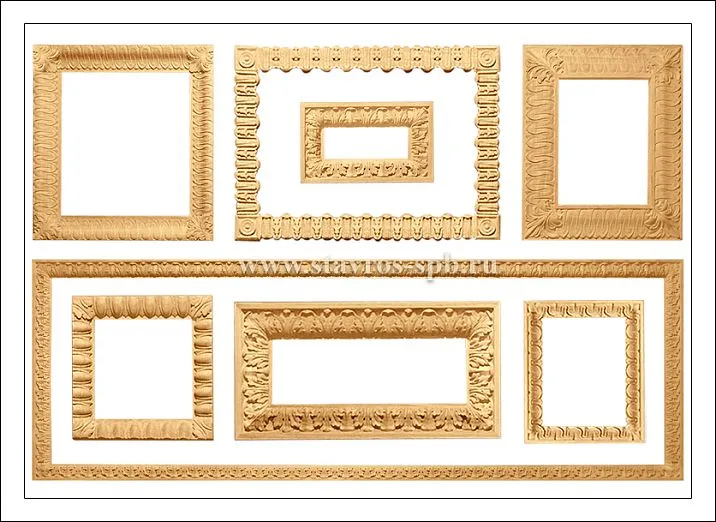
In today’s world, where interior design reflects personality, taste, and life values, every decorative element plays an important role. This is especially noticeable when framing artworks, photographs, portraits, and decorative panels. One of the most popular and eco-friendly solutions remainswooden frames from woodThese items, made from natural material, not only protect and highlight the beauty of exhibits, but also become independent works of art, combining traditional crafts with modern design trends.
In this article, we will thoroughly examine the topic of wooden frames: their history, manufacturing technology, material characteristics, as well as styles of application in interior design and beyond. We will discuss the advantages of using natural wood, how to properly select and care for such frames, and provide practical advice on integrating these items into modern design of residential, commercial, and public spaces. From classic options to contemporary minimalist solutions — wooden frames from wood remain a universal and current choice for the most discerning connoisseurs of quality and style.


History of Wooden Frames: From Crafts to Contemporary Art




Traditions and Crafts of Antiquity
The use of wood as a material for making frames has deep historical roots. Even in ancient times, artisans used wood to create decorative elements intended for protecting and embellishing works of art. In those times, each frame was the result of painstaking labor, where the craftsman paid special attention to the selection of wood species, surface treatment, and decorative finishing. It was precisely due to such items that paintings, frescoes, and manuscripts acquired additional value and prestige.
Historically, wooden frames have always been associated with warmth and coziness, and their production was passed down from generation to generation. Masters employed various carving, lacquering, and painting techniques to highlight the natural beauty of wood. Traditional processing methods, used for centuries, still find expression in modern products, making them not only beautiful but also durable.
Our factory also produces:


Modern Development and Integration of Traditions
With the development of technology and changing aesthetic requirements of society, wooden frames have undergone significant changes. Modern manufacturers successfully integrate ancient crafts with innovative processing methods, enabling the creation of high-quality items. Today, the market offers frames in both classic and modern styles. They can be adorned with intricate patterns and carvings, or they can be completely minimalist, highlighting the natural texture and color of the wood.
The advantages of natural material are obvious: eco-friendliness, durability, unique appearance. Suchwooden frames from wood remain popular due to their versatility and ability to seamlessly fit into any interior, regardless of its style.
Get Consultation
Materials and Manufacturing Technologies
Choice of Wood Species and Their Characteristics
The main advantage of wooden frames is the use of natural material, possessing unique physical and aesthetic characteristics. Among the most popular wood species used for making frames, we can highlight:
● Oak. Characterized by high density, strength, and beautiful texture with deep brown tones. Oak frames look elegant and sophisticated, often chosen for classic interiors.
● Ash. Has a light, almost milky color and expressive grain pattern. Ideal for creating items in modern minimalism.
● Beech. Has a uniform texture and neutral color, allowing it to easily match various interior styles.
● Walnut and Cherry. Items made from these wood species feature a rich palette of warm tones and expressive texture, making them popular for creating exclusive frames.
Each wood species has its unique properties that affect the appearance, strength, and longevity of the frame. The choice depends on the interior concept and the client's preferences. Using wood from sustainably managed forests guarantees eco-friendliness and high-quality finished products.
Processing Technologies and Handcrafted Finishing
The process of making wooden frames begins with careful preparation of raw materials. Modern technologies combine automated processes with handcrafted elements, allowing for perfect precision and uniqueness of each item:
- Wood Drying. Before processing, wood undergoes a drying process, which helps stabilize the material, reduce moisture content, and prevent deformation in the future.
- Cutting and Sanding. Rough blanks are cut to required sizes and shapes using modern machines, then undergo sanding to achieve a perfectly smooth surface.
- Carving and Decorative Processing. At this stage, artisans add unique decorative elements to the item. Hand-carving, applying ornaments and patterns allow creating an exclusive design that highlights the individuality of each frame.
- Lacquering and Painting. The final stage involves applying a protective coating. Lacquering highlights the natural wood texture, giving it a shine, and also provides protection against moisture, sunlight, and mechanical damage.
Thanks to the combination of modern technologies and traditional crafts, eachwooden frame made of wood achieves a high degree of detail and durability, making it a worthy element of decoration for the most demanding interiors.
Environmental Standards and Sustainable Production
In the context of global ecology and the drive towards sustainable development, special attention is given to the eco-friendliness of production processes. Manufacturers of modern wooden frames use wood obtained from forests managed according to sustainable forestry principles, as well as safe processing compounds. This not only guarantees high-quality finished products but also minimizes negative impact on the environment.
Such an approach becomes an important argument when choosing natural frames, as ecological responsibility and care for the environment are today indispensable qualities of high-quality products.
Styles of Using Wooden Frames in Interior Design
Classic Interior
In a classic interior, wooden frames made of wood occupy a special place. Their refined finish, carved patterns, and warm wood tones create an atmosphere of nobility and elegance. Such frames are often used to frame historical-themed paintings, portraits, and still lifes. They highlight the refinement of the artwork and help create a harmonious unity between the artwork and the overall style of the room.
● Decorative Solutions. Frames made of solid oak or walnut with classic ornaments emphasize the status and value of the artwork, making it the central element in the room.
● Interior Galleries. In homes with classic decor, family galleries where each photograph or painting is framed with wooden frames become not only a decorative element but also a symbol of family traditions and heritage.
Modern minimalism
Modern interiors are characterized by minimalism, clean lines, and minimal decoration. In such spaces, wooden frames made of wood become a striking accent, capable of enlivening a minimalist space. Here, decorative finish is less important than the natural texture and simplicity of forms, which harmoniously blend with other modern decorative elements.
● Minimalist Solutions. Simple design of frames made from light beech or ash creates an effect of lightness and airiness, without overloading the interior with unnecessary details.
● Contrast with Modern Materials. Natural wood combined with glass, metal, or concrete creates interesting contrasts, highlighting the individuality of each element and unifying different stylistic directions into a single composition.
Eco-style and natural decor
Eco-style in interior design is becoming increasingly popular due to the desire for naturalness and eco-friendliness. In such spaces, wooden frames made of wood are not just decoration, but an expression of commitment to natural materials and sustainable development. Using natural wood creates an atmosphere of warmth, coziness, and closeness to nature.
● Natural texture. Frames with minimal processing retain the natural appearance of wood, highlighting the material's ecological purity.
● Combination with plants. In eco-style interiors, wooden frames harmonize beautifully with live plant elements, creating a refreshing, naturally lit space.
Art spaces and commercial decor
In galleries, exhibition halls, offices, and restaurants, using wooden frames can become a powerful branding tool and a means of creating a unique visual identity. Here, frames not only emphasize the value of artworks but also help establish a corporate style, making exhibits stand out among other decorative elements.
● Exclusive projects. Art spaces are characterized by unconventional solutions: frames with original carving, combined materials, and non-standard shapes create unique compositions that attract visitors' attention.
● Atmosphere creation. In offices and restaurants, wooden frames can be used to decorate walls, create photo galleries, or highlight relaxation zones, contributing to a comfortable and inspiring ambiance.
Application beyond interior design
Decor for events and exhibitions
Wooden frames made of wood find wide application not only in residential and commercial interiors but also in event decoration. At exhibitions, presentations, wedding ceremonies, and corporate evenings, such frames can be used to create stylish photo zones, decorate posters, and display memorable photographs. Their versatility allows adapting the design to any theme, whether traditional, modern, or themed.
Art installations and sculptures
In contemporary art, frames have ceased to be merely utilitarian elements for enclosing paintings. Many artists and designers use wooden frames as a basis for creating art installations, sculptures, and installation compositions. This approach allows moving beyond traditional notions of decoration and creating works capable of surprising viewers with their originality and depth of concept.
Practical recommendations for selection, purchase, and care
Analysis of needs and space concepts
Before purchasing wooden frames, it is essential to clearly define their role in the interior or installation. For some, this is a way to protect and emphasize the value of an artwork; for others, it is a branding element or simply a decorative solution for creating a gallery of memories.
● Assess the room's style. If the interior is in a classic style, choose items with rich decorative finishes and carved patterns. For modern spaces, minimalist frames with minimal decorative elements are suitable.
● Consider functional features. If frames are intended for use in public or commercial spaces, pay attention to their durability, ease of mounting, and resistance to external influences.
Finding a reliable supplier and reviewing their portfolio
When selecting wooden frames, consider the manufacturer's reputation. Reliable companies provide detailed information about materials, manufacturing technology, and options for custom orders. Review customer feedback and examine the portfolio of completed projects to ensure high-quality products.
● Online platforms and specialized websites. For example, ona website featuring wooden frames made of wood a wide range of products is presented, where each model undergoes strict quality control.
● Custom approach. If needed, clarify the possibility of personalizing the order to obtain a unique item that perfectly fits your interior or project.
Care and restoration recommendations
To ensure wooden frames retain their beauty and functionality for many years, it is necessary to follow care rules for natural wood.
● Regular cleaning. Wipe frames with a soft dry or slightly damp cloth, avoiding aggressive chemical agents that may damage the lacquer finish.
● Protection from external factors. Place items in rooms with a stable climate, avoiding direct sunlight and sudden temperature changes.
● Periodic treatment. Use special compositions to protect wood, which will help preserve its natural texture and luster.
● Professional restoration. In case of damage, consult specialists skilled in restoring items made of natural wood.
Additional aspects: combining with other decorative elements
Synergy with lighting elements
One of the modern trends is the use of frames in combination with lighting. Properly selected lighting can highlight the texture of wood and create a sense of depth. Light accents allow not only the frame but also the artwork itself to stand out, making the composition dynamic and attractive.
Integration with furniture and architectural details
Wooden frames can be used not only as standalone decorative elements but also as part of furniture solutions. For example, built-in frames around doors, windows, or wall panels create a harmonious transition between interior elements. Using natural wood in furniture and decorative elements contributes to a unified stylistic solution, where each detail complements the other.
Multifunctionality and combination with modern technologies
Modern designers increasingly turn to combined solutions, where traditional wooden frames are combined with modern materials such as glass, metal, or plastic. This allows creating unique compositions that meet both aesthetic and functional requirements. For example, frames with integrated storage elements or digital displays for changing exhibitions open up new possibilities for space design.
The influence of wooden frames on the psychological perception of space
Effect of coziness and warmth
Natural wood has the property of creating an atmosphere of warmth and coziness. Wooden frames, due to their texture and natural tones, contribute to creating a favorable psychological climate in a room. They evoke associations with a home hearth, traditions, and stability, which is especially important in today's fast-paced lifestyle.
Aesthetic harmony and balance
Each detail of the interior affects the overall perception of space. Wooden frames help structure the interior, uniting elements of artworks, furniture, and architectural solutions. Their smooth lines and organic shapes contribute to a sense of harmony and balance, positively affecting the emotional state of the occupants.
Symbolism and Cultural Heritage
Using natural wood in interior design has deep cultural significance. Wooden frames are not just functional items but symbols of traditions, craftsmanship, and ecological responsibility. They convey history, values, and aesthetic principles, uniting the past and present in a single artistic space.
Conclusion
Wooden frames are not just a means of framing artworks, but a philosophy that combines craftsmanship traditions, modern technologies, and high aesthetic standards. These items serve not only to protect and display paintings, photographs, and decorative panels, but also become an important element shaping the character of the interior.
When choosing frames, it is important to consider many factors: from the type of wood and processing technologies to the interior style and personal preferences. Each model, whether a classic carved frame or a minimalist version in the spirit of modern design, can bring a special atmosphere of warmth, coziness, and harmony to the space.
Modernwooden frames from wood They differ not only in high manufacturing quality but also in ecological purity, durability, and the possibility of personalization. This makes them an ideal choice for those who value natural materials and aim to create a unique, individual space reflecting their taste, style, and life values.
Integrating wooden frames into the interior allows creating an aesthetically harmonious space where every detail matters, and every painting or photograph becomes a true work of art, framed with love and attention to tradition. They are capable of transforming not only residential spaces but also commercial spaces, art galleries, exhibition halls, and even events, where natural wood becomes a symbol of quality, stability, and beauty.
Choosing quality items from reputable suppliers, such asstavros.ruthe buyer receives not just a frame, but a true key to creating an interior that will delight the eye, inspire, and serve for many years. Investing in natural wooden frames is an investment in aesthetics, durability, and eco-friendliness, which is especially important in today's world striving for harmony with nature.
May every detail of your interior be filled with meaning and beauty, and wooden frames become an indispensable part of your unique design solution. They combine history, culture, and modern trends, creating a space where traditions meet innovations, and the art of framing transforms into a true masterpiece of painting craftsmanship.