Article Contents:
- History of wooden trim in architecture and design
- Origins of the tradition of door and window frame decoration
- Evolution of Trim Styles Through the Centuries
- Cultural significance of trim in different countries
- Types and varieties of wooden trim
- Classification by Manufacturing Materials
- Variety of profiles and shapes
- Stylistic Directions in Trim
- Advantages of using wooden trim
- Ecological Aspects
- Aesthetic merits
- Practical advantages
- Manufacturing technologies for wooden trim
- Traditional Wood Treatment Methods
- Modern manufacturing technologies
- Final finishing and protective coatings
- Application of wooden trim in various interior styles
- Classic and neoclassical style
- Modern and minimalist style
- Rustic and country style
- Scandinavian and eco style
- Installation and mounting of wooden trim
- Preparatory work
- Installation process
- Installation Features in Different Rooms
- Care and Maintenance of Wooden Trim
- Regular maintenance
- Restoration and repair
- Protection Against Pests and Decay
- Modern trends in design using wooden trim
- Combination with other materials
- Innovative Design Solutions
- Ecological trends
- Conclusion
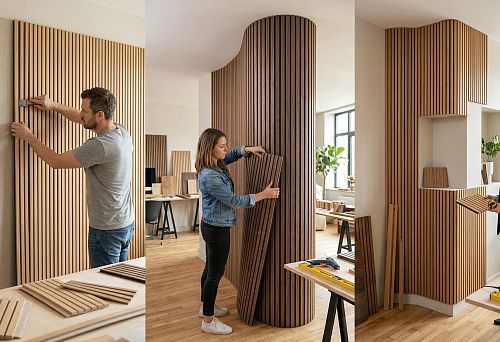
In the world of modern interior design, more and more people are turning to natural materials, striving to create a cozy and eco-friendly atmosphere in their homes. Among the many finishing options, special attention is given to wooden trimwhich is capable of transforming any room, giving it a unique charm and individuality. This decorative element not only serves a practical function but also becomes a true decoration of the interior, highlighting its style and character.
Wooden trim is a special type of molding used to frame window and door openings, as well as for decorative finishing of various interior elements. Due to its versatility and aesthetic appeal, it is widely popular among both professional designers and ordinary people striving to create a warm and cozy atmosphere in their homes.
In this article, we will thoroughly examine all aspects related to wooden trim: its types and features, advantages of use, installation and maintenance methods, as well as modern trends in interior design using this decorative element. We will also share practical tips for selecting the appropriate trim for different interior styles and discuss nuances of its use in various rooms.


History of wooden trim in architecture and design




Origins of the tradition of door and window frame decoration
The tradition of decorating window and door openings with wooden elements has a multi-century history. Even in ancient times, people aimed not only to ensure the functionality of their dwellings but also to give them aesthetic appeal. Wooden trim became one of the first decorative elements used to adorn homes.
In ancient Rus, wooden trim was an indispensable part of traditional architecture. Master carpenters created stunningly beautiful lintels that not only protected homes from cold and drafts but also served a decorative function. Each region had its own characteristics in window frame decoration, allowing one to determine a house's geographical origin by its appearance.
During the Renaissance in Europe, wooden trim acquired particular elegance and became an important element of architectural style. Masters of that time created complex carved compositions that turned ordinary window frames into true works of art. This was especially evident in Italian and French architecture, where wooden trim became an integral part of palace interiors.
Our factory also produces:



Evolution of casing styles through centuries
Over time, styles of wooden trim evolved in accordance with general trends in architecture and design. In the Baroque period, ornate, heavily decorated trim with numerous decorative elements prevailed. Classicism brought strict lines and symmetry, while modernism introduced flowing, organic forms and botanical motifs.
In 19th-century Russia, wooden trim reached the peak of its development. Russian masters created astonishingly beautiful and intricate lintels that became true ornaments of both urban mansions and village cottages. Each region had its own characteristics in window frame decoration, allowing one to determine a house's geographical origin by its appearance.
The 20th century brought new trends in interior design. Minimalism and functionalism temporarily pushed wooden trim to the background, but by the end of the century, interest in natural materials and traditional finishing techniques revived. Today, wooden trim is experiencing a true rebirth, combining traditional techniques with modern design solutions.
Get Consultation
Cultural significance of trim in different countries
In different cultures, wooden trim has its own characteristics and symbolic meaning. In Russia, lintels were often decorated with solar symbols, believed to protect homes from evil spirits. In Scandinavian countries, trim was more restrained but no less expressive, reflecting the harsh beauty of northern nature.
In Japan, traditional wooden sōji frames have become an indispensable part of national architecture, symbolizing harmony between humans and nature. In Mediterranean countries, colorful wooden shutters and trimmings not only protected homes from scorching sun but also created a unique charm of urban streets.
Today, in the era of globalization, wooden trim has absorbed the best traditions of various cultures, becoming a universal decorative element that can be adapted to any interior style.
Types and varieties of wooden trim
Classification by manufacturing materials
Wooden trim can be made from various types of wood, each with its own features and advantages. The most popular materials are:
Oak – one of the strongest and most durable materials for trim production. Oak wood has a beautiful texture and develops a noble tone over time. Oak products are highly resistant to moisture and mechanical damage, making them an ideal choice for humid rooms.
Spruce – a more affordable option, yet still possessing excellent performance characteristics. Spruce trim has a pleasant light tone and distinct texture. Due to its natural resins, spruce has inherent protection against rot and pests.
Larch – a unique material that becomes stronger over time. Larch wood contains a high amount of resin, making it resistant to moisture and microorganisms. Larch trim has a beautiful golden tone and distinct texture.
Beech – a hard wood with uniform structure and a pleasant pinkish tone. Beech trim is characterized by high strength and resistance to abrasion, making it ideal for high-traffic areas.
Ash – wood with beautiful texture and high strength. Ash trim has a light tone with a slight golden hue. Due to its elasticity, ash is easy to process and allows for creating complex decorative elements.
Variety of profiles and shapes
Modern wooden trim offers a wide variety of profiles and shapes, allowing to select the optimal option for any interior. Main profile types include:
Straight profile – the simplest and most universal option, suitable for most modern interiors. Straight trim has clear geometric lines and minimalist design, making it ideal for modern interior styles.
Rounded profile – a softer option that creates smooth transitions between walls and window openings. Rounded trim looks more natural and organic, making it a popular choice for country or Provence-style interiors.
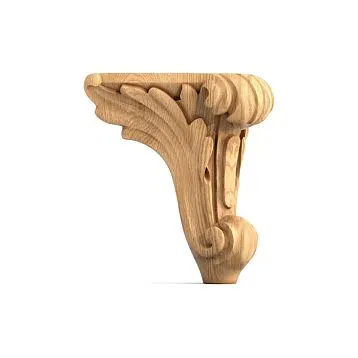
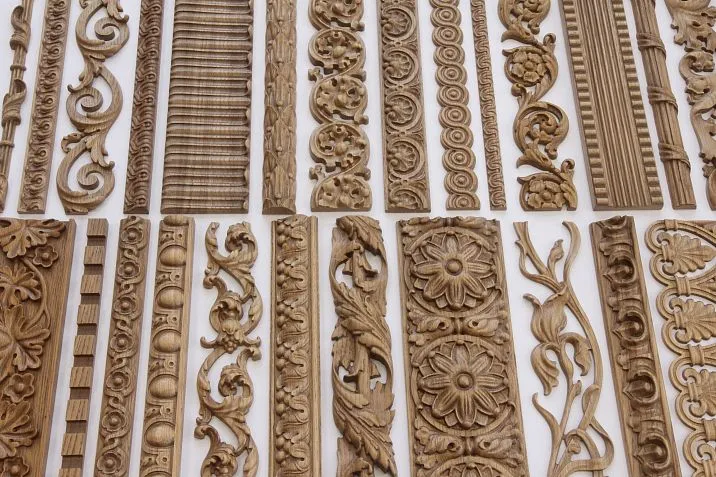
Decorative profile – a complex option with various decorative elements such as grooves, protrusions, or carved patterns. Decorative trim becomes a true interior accent and suits classical or historical styles.
Combined profile – combines elements of different profiles, creating a unique design. Combined trim allows creating a distinctive look of a room, reflecting the tastes and preferences of its owner.
Stylistic directions in trim
Wooden trim can be executed in various stylistic directions, each with its own features and distinctive characteristics:
Classic style – characterized by symmetrical forms, restrained decoration, and elegant proportions. Classic trim is often complemented by carved elements such as rosettes or pilasters, which give it a special elegance.
Rustic style – distinguished by rough texture and natural wood appearance. Rustic trim often has signs of handwork, creating a sense of authenticity and connection to traditions.
Modern style – characterized by clean lines, minimalist design, and functionality. Modern trim often has a simple profile and minimalist design, making it a universal decorative element for most modern interiors.
Ethnic style – inspired by traditions of various cultures and peoples. Ethnic trim can be adorned with traditional ornaments or patterns reflecting the cultural heritage of a specific region.
Advantages of using wooden trim
Ecological Aspects
One of the main advantages of wooden trim is its eco-friendliness. Unlike synthetic materials, wood does not emit harmful substances and does not generate electrostatic fields, making it safe for human health.
Wooden trim contributes to creating a favorable microclimate in rooms. Wood has the ability to regulate air humidity, absorbing excess moisture and releasing it as air dries. This is especially important for rooms where children or allergy sufferers spend a lot of time.
Moreover, using wooden trim contributes to preserving the environment. Provided responsible forestry practices, wood is a renewable resource, and products made from it can be recycled or disposed of without harming the environment.
Aesthetic advantages
Wooden trim possesses unique beauty and aesthetic appeal. Each item has a unique wood grain pattern that cannot be artificially replicated. This gives interiors individuality and a special charm.
Due to the variety of wood species and processing methods, wooden trim can be adapted to any interior style – from classic to ultra-modern. It harmoniously combines with various materials such as stone, metal, or glass, creating interesting contrasts and textural combinations.
Wooden trim is also capable of visually transforming space, making it more cozy and harmonious. It creates a sense of warmth and comfort that cannot be achieved with artificial materials.
Practical advantages
In addition to aesthetic and ecological advantages, wooden trim has a number of practical benefits:
Durability – with proper care, wooden trim can last for decades without losing its appeal. Moreover, over time, wood develops a noble patina that only increases its value.
Repairability – unlike many modern materials, wooden trim can be easily restored if damaged. Minor scratches or scuffs can be removed by sanding and reapplying varnish or oil.
Thermal insulation – wood has low thermal conductivity, making wooden trim an excellent insulator. It helps retain warmth in rooms during winter and coolness in summer, contributing to a comfortable microclimate.
Sound insulation – wooden trim also has good sound-insulating properties, helping to reduce noise levels inside a room and create a more peaceful and cozy atmosphere.
Manufacturing technologies for wooden trim
Traditional wood processing methods
Traditional methods of manufacturing wooden trim are based on manual wood processing and are passed down from generation to generation. These methods include:
Hand carving – one of the oldest methods of wood processing, allowing for the creation of unique decorative elements. Master carvers use special tools – chisels, gouges, and knives – to create relief patterns and ornaments on the surface of wooden trim.
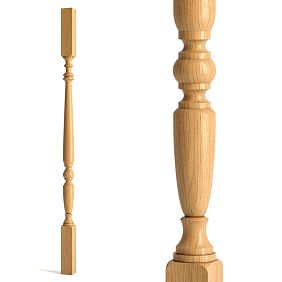
Turning – a method in which the blank rotates around its axis, and the craftsman uses special cutters to give it the desired shape. Turning allows for the creation of round or cylindrical trim elements, such as columns or balusters.
Joinery – traditional methods of joining wooden parts without using metal fasteners. These include mortise and tenon joints, dados, and dados, which ensure the strength and longevity of the structure.
Modern Manufacturing Technologies
With the development of technology, new methods of manufacturing wooden trim have emerged, allowing for improved quality and speed of production:
CNC machining – using computer numerical control to create complex shapes and patterns. CNC machines allow for high-precision reproduction of even the most intricate designs, ensuring perfect geometry and surface quality.
Laser cutting – a technology that allows for creating delicate patterns and intricate elements on the surface of wooden trim. Laser cutting ensures high precision and clean finish, as well as the ability to work with fine details.
3D milling – a method that allows for creating three-dimensional decorative elements using specialized milling machines. 3D milling enables the realization of the most daring design ideas, creating unique relief surfaces.
Finishing and protective coatings
Finishing plays an important role in creating high-quality wooden trim. It includes:
Sanding – a process in which the wood surface is treated with abrasive materials to achieve smoothness and remove irregularities. Sanding is performed in several stages, starting with coarse and ending with fine abrasives.
Staining – a process of changing the color of wood using special dyes or stains. Staining allows to emphasize the natural wood texture or to give it the desired shade, matching the overall interior style.
Varnishing – applying a transparent protective coating that protects wood from moisture, ultraviolet radiation, and mechanical damage. Modern varnishes can be matte, satin, or glossy, allowing to achieve the desired visual effect.
Oil treatment – an alternative method of wood protection that allows to preserve its natural texture and tactile feel. Oils penetrate deeply into the wood structure, protecting it from within and highlighting the natural beauty of the material.
Application of wooden trim in various interior styles
Classic and neoclassical style
In a classic interior, wooden trim plays an important role, emphasizing the elegance and sophistication of the space. Characteristics of this style include:
Rich decoration – trim is often complemented by carved elements such as rosettes, pilasters, or cornices. These details create a sense of luxury and attention to fine details.
Symmetry and proportions – the classic style is based on principles of harmony and balance, so wooden trim should be symmetrical and proportionate relative to the overall space.
Natural tones – in a classic interior, natural wood colors such as walnut, mahogany, or oak dominate. These dark, rich tones create a sense of solidity and tradition.
Neoclassical style, being a modern interpretation of classicism, retains the main principles but makes them lighter and more adapted to contemporary realities. Wooden trim in a neoclassical interior may be more restrained in decoration but retains elegance and sophistication of forms.
Modern and minimalist style
In a modern interior, wooden trim takes on a new sound, becoming an element that unites tradition and innovation:
Clean lines – modern style favors simple, geometric forms without excessive decoration. Wooden trim has clear, minimalist lines that create a sense of order and structure.
Contrasting combinations – in a modern interior, wooden trim is often used to create contrast with other materials such as concrete, glass, or metal. These combinations create an interesting interplay of textures and surfaces.
Light shades – unlike classic style, modern interiors prefer light wood species such as maple, beech, or birch. These shades create a sense of lightness and airiness in the space.
Minimalism, as the extreme expression of modern style, reduces the use of wooden trim to an absolute minimum, emphasizing its functionality and material quality. In a minimalist interior, the trim may be almost invisible, blending with the wall or, conversely, creating a striking accent through material contrast.
Rustic and country style
In rustic and country styles, wooden trim becomes one of the key elements creating a cozy, countryside atmosphere and a sense of closeness to nature:
Rough texture – these styles value naturalness and authenticity, so wooden trim often has a pronounced texture and signs of handwork. This may be a brushed surface that highlights the wood grain, or deliberately rough finish creating a sense of antiquity.
Natural colors – rustic and country styles favor natural wood tones, which can be light (pine, spruce) or dark (aged oak, walnut). The patina or artificial aging effect is often used, giving the trim a unique charm.
Simple shapes – unlike classic style, rustic trim has simpler, more functional shapes reflecting folk architectural traditions. These may be wide casings with simple geometric patterns or massive window frames with minimal decoration.
Scandinavian and eco style
Scandinavian style, with its love for light, space, and natural materials, actively uses wooden trim to create a cozy and harmonious atmosphere:
Light shades – light wood species such as pine, birch, or spruce are characteristic of Scandinavian style. These materials are often bleached or painted white, creating a sense of purity and light.
Simple shapes – Scandinavian style favors functionality and practicality, so wooden trim has simple, minimalist shapes without excessive decoration. These may be thin frames with a minimalist profile or simple casings with clean lines.
Natural finish – in Scandinavian style, wood often retains its natural appearance, enhanced by transparent varnishes or oils. This preserves tactile sensations from contact with wood and highlights its natural beauty.
Eco style, as a logical continuation of Scandinavian traditions, places even greater emphasis on ecological sustainability and connection to nature. Wooden trim in an eco interior may be made from reclaimed or restored wood, highlighting the style’s ecological orientation.
Installation and mounting of wooden trim
Preparatory Work
Before installing wooden trim, a series of preparatory works must be carried out to ensure the quality and longevity of the result:
Measurement and calculation – accurate measurements of the window or door opening are the foundation of successful installation. It is necessary to consider not only the dimensions of the opening itself, but also the characteristics of the walls, presence of irregularities, and other factors that may affect the installation process.
Surface preparation – the walls around the opening must be flat, dry, and clean. If necessary, the surface is leveled using plaster or putty, and treated with antiseptic compounds to prevent mold and mildew growth.
Material acclimatization – wooden trim must adapt to the room’s conditions before installation. To do this, it is placed in the room where installation will occur for 2–3 days. This allows the wood to reach optimal humidity and avoid deformation after installation.
Installation process
The process of installing wooden trim includes several stages:
Marking – on the wall, the locations for mounting the trim are marked, taking into account level and vertical alignment. For this, a construction level, plumb bob, and tape measure are used to ensure precise installation.
Mounting – depending on the type of trim and wall characteristics, mounting can be performed in various ways: using nails, screws, anchors, or special mounting adhesive. It is important to choose the optimal mounting method that ensures the reliability and longevity of the structure.
Connecting elements – if the trim consists of several parts, it is necessary to ensure their correct connection. For this, joinery methods such as 45-degree angle joints (for casings) or special fasteners are used.
Final finishing – after installation, final finishing is performed, which includes filling mounting holes, sanding joints, and applying protective coating to the entire trim surface. This ensures an aesthetically pleasing appearance and protects the wood from external influences.
Installation features vary depending on the type of room and operating conditions.
Installing wooden trim has specific features depending on the type of room:
Living rooms – in living rooms, bedrooms, and children’s rooms, the main focus is on the aesthetic aspect of the trim. Here, more decorative and refined options can be used, which will become true interior accents.
Kitchen and bathroom – in rooms with high humidity, it is necessary to use trim made from moisture-resistant wood species (oak, larch) with additional protective treatment. It is also important to ensure the sealing of joints to prevent moisture penetration.
Office and public spaces – here, practicality and durability of the trim are paramount. It is recommended to use hard wood species with high resistance to abrasion and mechanical damage, as well as more restrained and universal designs.
Care and Maintenance of Wooden Trim
Regular Maintenance
To maintain an attractive appearance and extend the service life of wooden trim, regular care is required:
Dust cleaning – regular removal of dust from the trim surface using a soft cloth or special brush. This prevents accumulation of dirt and preserves the aesthetic appearance.
Wet cleaning – periodic cleaning of the trim using a slightly damp cloth without using aggressive cleaning agents. For more thorough cleaning, special wood surface care products can be used, which not only clean but also nourish the wood.
Updating protective coating – depending on the type of protective coating and the intensity of use, it is necessary to periodically renew the varnish, oil, or wax on the trim surface. This ensures protection of the wood from moisture, ultraviolet radiation, and mechanical damage.
Restoration and Repair
Even with the most careful treatment, wooden trim may eventually require restoration or repair:
Repairing minor damage – scratches, chips, or scuffs can be removed by sanding and reapplying protective coating. For deeper damage, special wood putties are used, which allow restoring the surface integrity.
Replacing damaged elements – if individual trim elements are severely damaged, they can be replaced without the need to dismantle the entire structure. This is especially relevant for casings or other removable trim parts.
Full restoration – in case of serious damage or significant wear, complete restoration of the trim may be required. This process includes dismantling, removing old coating, eliminating all defects, and reinstalling with a new protective coating.
Protection against pests and decay
Wood may be exposed to various pests and microorganisms, so it is important to provide it with reliable protection:
Antiseptic treatment – periodic application of special compounds that prevent the growth of mold, mildew, and other microorganisms. This procedure is especially important for rooms with high humidity.
Insect protection – use of special agents that prevent damage to wood by wood-boring beetles and other insects. These agents can be applied to the surface or injected into the wood structure.
Humidity control – maintaining an optimal humidity level in the room (40–60%) helps prevent deformation of wooden trim and mold growth. This can be achieved using humidifiers or dehumidifiers depending on the season and climatic conditions.
Modern design trends using wooden trim
Combination with Other Materials
Modern interior design actively experiments with combinations of different materials, and wooden trim is no exception:
Wood and metal – this combination creates an interesting contrast between the warm, organic texture of wood and the cold sheen of metal. Metal inserts or overlays on wooden trim can become a striking accent in loft or industrial style interiors.
Wood and glass – the transparency and lightness of glass beautifully complement the solidity and warmth of wood. Glass inserts in wooden trim create a sense of lightness and airiness, as well as better light penetration into the room.
Wood and stone – this combination, inspired by nature, creates a sense of harmony and naturalness. Stone elements combined with wooden trim can serve as a foundation for creating Mediterranean or rustic style interiors.
Innovative design solutions
Modern designers propose new, non-standard approaches to using wooden trim:
Asymmetry and non-standard shapes – moving away from traditional rectangular forms in favor of asymmetrical or curved constructions. Such solutions allow creating a dynamic, modern interior that goes beyond conventional perceptions.
Integrated lighting – built-in LED strips or spotlights in wooden trim create interesting lighting effects and highlight the wood texture. This solution looks especially effective in the evening, creating a cozy and relaxing atmosphere.
Modular systems – trim made of separate modules that can be combined and changed according to needs and preferences. Such systems provide flexibility and the ability to adapt the interior to changing conditions.
Ecological Trends
In the modern world, ecological aspects of design are gaining increasing importance, and wooden trim fully aligns with these trends:
Use of reclaimed wood – trim made from old beams, planks, or other wooden elements that receive a second life in a new form. This approach is not only ecological but also allows creating a unique interior with history.
Certified wood – use of materials sourced from responsibly managed forests, certified by international standards (FSC, PEFC). This guarantees that trim production does not harm the environment and contributes to the conservation of forest resources.
Natural finishing materials – use of eco-friendly water-based varnishes, oils, and paints that do not contain harmful chemicals. These materials are safe for human health and the environment, and also allow preserving the natural beauty and texture of wood.
Conclusion
Wooden trim is not just a functional interior element, but also an important detail capable of transforming space, giving it individuality and character. Thanks to its ecological, aesthetic, and practical advantages, it remains in demand even in the era of modern synthetic materials.
The variety of wood species, profiles, and stylistic solutions allows selecting the optimal option for any interior – from classic to ultra-modern. At the same time, wooden trim not only serves a decorative function but also contributes to creating a healthy microclimate in the room, which is especially important for living spaces.
Modern wood production and processing technologies allow creating high-quality trim that will delight with its appearance for many years with proper care. Innovative design solutions open new opportunities for creative self-expression and creating unique interiors reflecting their owners' individuality.
Choosing wooden trim For your home or office, you are choosing beauty, eco-friendliness, and durability. This decorative element will not only be a functional addition to the interior but also its true ornament, creating an atmosphere of warmth, comfort, and harmony with nature.