Article Contents:
- Introduction to Decorative Wooden Material
- The Role of Wood in Interior Design
- Aesthetics and Functionality
- Natural Texture and Individuality
- The Role of Decorative Wooden Material in Interior Design
- What is Applied Decor?
- Advantages of Using Applied Decor
- Wooden skirting boards
- Wooden cornices
- Wooden moldings and wooden battens
- Wooden strips
- Wooden corners
- Traditional Crafts and Modernity
- Natural Finishes and Ecological Safety
- Aesthetic value
- Durability and practicality
- Ecological and health benefits
- Flexibility in Application
- Residential interiors
- Office Spaces
- Commercial Buildings
- Examples of Innovative Design Solutions
- Eco-Design and Natural Materials
- Digital Production Technologies
- Personalization and individual approach
- Choosing quality material
- Processing and Protection Methods
- Installation and mounting
- Care and Regular Restoration
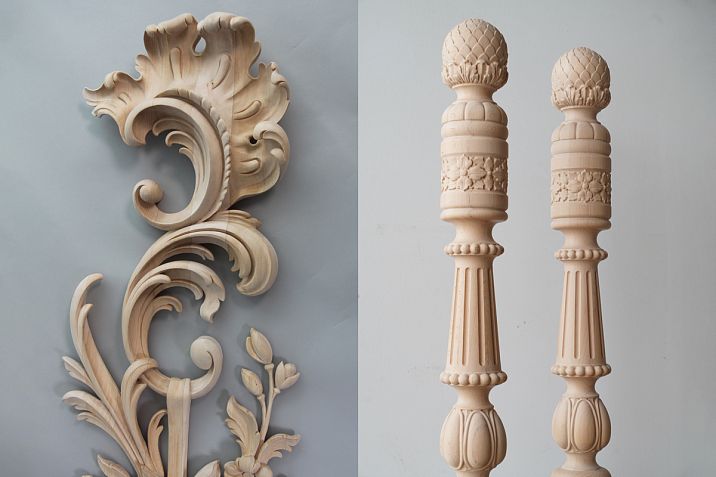
Wood has always been considered a symbol of warmth, comfort, and natural beauty. In the modern world, decorative wooden materials occupy a special place in interior design, transforming spaces and giving them individuality and exclusivity. From classic carved elements to minimalist panels — wood can surprise with its variety and functionality. In this article, we will thoroughly examine types of decorative wooden materials, pay attention to their usage specifics, modern processing technologies, and aesthetic trends. Special attention will be given to elements such as wooden decor, applied decor, and wooden trim elements.


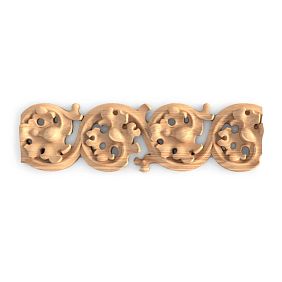


Introduction to Decorative Wooden Material




The Role of Wood in Interior Design
Wood is one of the oldest materials used by humans for furnishing homes. Its unique properties, such as natural texture, rich color palette, and ecological purity, make it an indispensable element in interior design. The natural warmth of wood helps create coziness and harmony in a home, while the variety of decorative wood solutions allows for the realization of the most daring design ideas.
Our factory also produces:


Aesthetics and Functionality
Modern interiors require not only aesthetic appeal but also practicality. Decorative wooden material is the perfect combination of beauty and functionality. It can not only transform a space but also ensure its durability, resistance to wear, and ease of maintenance. Thanks to innovative processing technologies and modern finishing methods, wood today represents a universal material suitable for any style — from classic to ultra-modern minimalism.
Get Consultation
Wooden Decor: Art Embodied in Material
Natural texture and individuality
Wooden decor is a way to highlight the natural beauty of the material, bring warmth and liveliness into the interior. Each texture, each grain on the surface of the wood — is unique and irreplaceable, making each decorative element exclusive. The natural pattern of wood can create an atmosphere of calm and coziness, contributing to improving the overall perception of the interior.
Role of decorative wooden material in interior design
Using decorative wooden elements allows achieving a harmonious combination of functionality and artistic expressiveness. They can serve as independent accents or as part of the overall interior composition. For example, wooden panels, carved elements, and decorative overlays can highlight the uniqueness of the space, making it more cozy and stylish.
Applied Decor: A Modern Solution for Traditional Interiors
What is applied decor?
Applied decor consists of elements that are attached to the surface of walls, furniture, or other structural elements of the interior. Such decorative panels or overlays allow quickly and effectively changing the appearance of a room. They can imitate complex ornaments, relief patterns, or even carving, creating an illusion of exclusive and expensive finishing.
Advantages of using applied decor
One of the main advantages of applied decor is its versatility. It easily adapts to various styles and can be used in both classic and modern interiors. Thanks to advanced manufacturing methods, wooden overlays exhibit high precision and durability.
To learn more about applied decor, we recommend visiting the link: applied decor
Wooden trim: Finishing touches for interiors
Wooden trim elements serve not only decorative but also practical functions. They are used to finish joints, align transitions between different surfaces, conceal technological seams and connections. Let's consider the main types of wooden trim.
Wooden baseboards
Baseboards are an indispensable element that completes the look of any interior. They protect the junction between the wall and floor, hide unattractive gaps, and give the room a finished look. Wooden baseboards feature natural texture and rich color, allowing them to blend seamlessly into any design.
To learn more about baseboards, visit the link: Wooden skirting boards
Wooden cornices
Crown moldings play an important role in distributing light and drawing attention to specific areas of the room. They can be used to create striking transitions between walls and ceilings, as well as to visually expand the space. Wooden crown moldings bring warmth and natural elegance to the interior, emphasizing the high level of finishing.
For more detailed information about crown moldings, visit the link: Wooden beams
Wooden moldings and wooden battens
Moldings are a classic design element that highlights the refinement and richness of the interior. They are used to create decorative transitions between different surfaces: walls, ceilings, doorways. Moldings made of natural wood give the room a sense of status and sophistication. At the same time, wooden planks, being an essential part of finishing, can be used to create various structural and decorative elements, emphasizing the lines and shapes of the interior.
To learn more about moldings and planks, we recommend visiting the link: Wooden strips
Strips are thin boards used to create decorative lines and rhythmic accents in the interior. They can be installed individually or in combination with other trim elements. Strips add additional depth and visual rhythm to walls, which is especially relevant for minimalist interiors where every detail matters.
Rails are thin strips that can be used as a standalone decorative element or in combination with other materials. They help structure the space, creating visual lines and rhythm in the interior. Wooden rails give the room lightness and airiness, contributing to the creation of a modern, minimalist look.
Wooden cornersWooden rails
Corners are elements designed for neat finishing of junctions between walls and other surfaces, such as floors or ceilings. They serve to protect against mechanical damage and give the interior a finished look. Wooden corners are distinguished by their strength and aesthetics, making them an indispensable part of quality trim.
Corners are elements used to neatly finish junctions between different surfaces, for example, between walls and floors or walls and ceilings. They conceal technological seams, give the interior a finished and neat appearance. Wooden corners are characterized by strength and aesthetics, making them an indispensable part of quality trim.
To learn more about corners, visit the link: Wooden angles
Wood processing technologies and modern finishing methods
Traditional craftsmanship and modernity
The history of wood processing dates back to more than one century. Since ancient times, craftsmen have used unique techniques that allow transforming ordinary wood into a work of art. Hand carving, meticulous sanding, and the use of natural compounds — all of this contributes to creating decorative elements capable of preserving their beauty for many years.
Modern technologies, such as computer modeling and automated production, allow achieving high precision without losing the uniqueness of each item. The combination of traditional craftsmanship and innovative processing methods opens up boundless possibilities for designers and architects, enabling them to realize even the most daring ideas.
Natural finishes and ecological safety
One of the key aspects of using wooden material is its ecological nature. Natural wood does not emit harmful substances, and the use of eco-friendly finishes, such as natural oils, varnishes, and waxes, allows preserving the natural texture and color of wood. These finishes not only protect the material from moisture and mechanical damage but also highlight its natural beauty.
Regular maintenance of wooden items includes cleaning, periodic treatment, and timely restoration, which allows extending the service life of decorative elements and preserving their original appearance.
Advantages of decorative wooden material
Aesthetic value
Wood is a unique natural material, each of whose surfaces has its own individuality. Natural texture, variety of shades and patterns allow creating truly unique interiors that cannot be replicated using synthetic materials. Decorative wooden material brings warmth, comfort and harmony into a space, which is especially important in today's world.
Durability and Practicality
Properly processed wood can retain its aesthetic and functional properties for decades. Elements of finishing made from natural wood are resistant to wear, mechanical damage and the effects of time, making them a worthwhile investment in the long term. With proper care, decorative wooden items retain their original appearance, delighting the eye and highlighting the status of the interior.
Ecological and Health
In an era of heightened attention to ecological and health issues, the use of natural wood gains particular significance. Wood is a material that does not cause allergies, positively affects the microclimate of a room, and contributes to creating a healthy atmosphere in the home. The ecological nature of wooden materials has become one of the key factors in their popularity among modern consumers.
Flexibility in application
One of the significant advantages of decorative wooden material is its versatility. It is suitable for decorating various surfaces — from walls and ceilings to furniture and accessories. Wooden decor can be adapted to any interior style, whether classic, modern, loft, or eco-design. This approach allows creating unique, individual spaces that reflect the owner's character and taste preferences.
Examples of decorative wooden material applications
Residential interiors
In private homes and apartments, decorative wooden material is used to create a warm and cozy atmosphere. For example, the use ofoverlay decoration on walls or in the area around the fireplace allows creating an accent that unifies all interior elements into a harmonious whole. Classic solutions remain baseboards and cornices made of natural wood, which give the room a sense of completion and elegance.
Office spaces
In corporate interiors, functionality is important, but so is aesthetics. Decorative wooden material helps create a favorable working atmosphere, increases comfort, and contributes to improving the psychological climate in the team. The use of such elements asWooden beams andwooden moldings, wooden beamsallows achieving a high level of finishing and visual harmony, which positively impacts the company's image.
Commercial spaces
In hotels, restaurants, and boutiques, decorative wooden material becomes a powerful tool for creating a unique atmosphere. The use of trim elements, such asWooden skirting boards, Wooden rails andWooden anglesallows highlighting the status of the establishment and creating an unforgettable interior that leaves a lasting impression on guests.
Examples of innovative design solutions
Many modern designers actively experiment with decorative wooden material, creating unique interiors where tradition meets innovation. Combining natural wood with metal, glass, or stone allows achieving unexpected visual effects. The use ofoverlay decoration in combination with carefully selected trim elements creates a space where every detail has its own significance, and the interior becomes a true work of art.
Modern trends in the use of decorative wooden material
Eco-design and natural materials
One of the most noticeable trends in modern interior design is the desire to use eco-friendly and natural materials. Wood, as one of the most eco-friendly materials, is becoming increasingly popular among designers and architects. It not only harmoniously fits into the concept of sustainable development but also contributes to creating a healthy and comfortable atmosphere in a room.
Digital production technologies
Modern technologies allow creating decorative wooden elements with incredible precision and complexity. The use of computer modeling, laser cutting, and other innovative methods opens new horizons in design. These technologies allow bringing even the most daring ideas to life, combining traditional craftsmanship with modern innovations.
Personalization and Individual Approach
Today, every client strives for the uniqueness of their space. Personalization is one of the key trends that allows creating an interior reflecting the owner's individuality. Using decorative wooden material within individual design projects enables accurately realizing the client's vision, creating exclusive solutions for residential and commercial spaces.
Practical recommendations for selecting and caring for decorative wooden materials
Choosing quality material
When selecting decorative wooden elements, it is important to pay attention to several key factors. First and foremost, this is the quality of the wood: it is necessary to choose material with minimal defects, uniform texture, and rich natural color. The correct choice of wood directly affects the durability and aesthetic appeal of the finishing.
Methods of processing and protection
Modern wood processing methods include sanding, varnishing, impregnating with natural oils and waxes. These technologies not only highlight the natural beauty of the material but also protect it from external factors such as moisture, temperature fluctuations, and mechanical damage. Regular care of decorative wooden elements guarantees their long service life and preservation of their original appearance.
Installation and Setup
Correct installation of decorative elements is the key to their durability and aesthetic harmony. When installing such details as baseboards, cornices, moldings, rails, and corners, it is important to strictly follow the manufacturer's recommendations. Careful surface preparation, proper selection of fasteners, and professional installation will help avoid potential problems and preserve the beauty of the finishing for many years.
Care and regular restoration
To maintain the attractiveness of decorative wooden materials, it is necessary to regularly clean them from dust and dirt using mild cleaning agents. Periodic treatment with protective compositions such as natural oil or wax will help maintain the richness of color and texture of the wood. In case of minor damage or scratches, it is recommended to promptly carry out restoration work to avoid deterioration of the appearance of finishing elements.
Conclusion
Decorative wooden material is more than just interior finishing. It is a way to create a unique space filled with warmth, comfort, and natural harmony. Thanks to the variety of decorative elements such as wooden decor, applied decor, baseboards, cornices, moldings, rails, and corners, everyone can choose a solution perfectly matching their taste and style.
In this article, we have considered the main directions of applying decorative wooden material in modern interiors, highlighting its aesthetic value, functionality, and durability. Using natural wood not only allows creating a comfortable and beautiful space but also contributes to environmental friendliness and health of the surrounding environment.
Each wooden finishing element carries a piece of natural beauty and traditions, embodying centuries of craftsmanship experience. The use ofoverlay decoration help add dynamism and originality to the interior, and Wooden skirting boards complete the look, making it finished and harmonious.Wooden beams help visually structure the space, andwooden moldings, wooden beams add elegance and classic charm to the interior.Wooden rails andWooden angles serve as finishing touches, emphasizing attention to detail and high-quality craftsmanship.
Modern wood processing technologies, the combination of traditions and innovations, as well as the pursuit of personalization allow for the realization of the most daring design projects. Using decorative wooden materials, you create a space in which every element matters, and the interior becomes a reflection of your individuality, taste, and love for nature.
Choose quality items, care for them properly, and enjoy the result — an interior filled with natural beauty, warmth, and harmony that will delight you and your loved ones for many years.
Thus, decorative wooden material is a universal, eco-friendly, and aesthetically appealing solution for any interior. It can transform a space, add character and coziness, and highlight the owner's individuality. The reliability, durability, and natural beauty of wood make it an indispensable element of modern finishing, enabling the creation of a unique and harmonious interior where every detail speaks of refined taste and a pursuit of perfection.
Let your space become a reflection of traditions and innovations, where every texture, every line — is a story told by natural wood. Consult professionals, study the latest processing technologies, and boldly experiment with forms and styles. For it is decorative wooden material that can give your interior soul, individuality, and genuine charm.
Thus, decorative wooden material is not just a finishing element, but a whole philosophy embodied in natural wood, capable of transforming any space, making it unique, stylish, and eco-friendly. We hope this article has helped you better understand the advantages of using wooden decorative elements, and the provided links will help you choose the best items to realize your design ideas.
Enjoy the warmth and harmony of natural wood, create interiors where every space is filled with life, coziness, and genuine beauty. May your home or office become a place where traditions meet innovations, and every decorative element is a sign of your impeccable taste and pursuit of perfection.