Article Contents:
- Phenomenon of Three-Dimensional Wall Decoration in Modern Spaces
- Material Science of Modern Relief Art
- Artistic Directions in Three-Dimensional Decorative Plastic
- Technological Aspects of Creating Relief Compositions
- Psychological Aspects of Perceiving Three-Dimensional Decoration
- Stylistic Integration into Modern Interior Concepts
- Lighting as an Artistic Tool
- Practical Aspects of Installation and Operation
- Care and Conservation of Artistic Works
- Artistic Creation vs. Mass Production
- Regional Characteristics and Cultural Codes
- Economic Aspects of Investing in Decorative Art
- Innovative Materials and Technologies of the Future
- Conclusion
Modern housing requires a special approach to decoration, capable of reflecting the owner's individuality and creating an atmosphere of refined elegance. In search of unique solutions, more and more designers turn to the art of three-dimensional decorative plastic, where relief panels occupies a special place as a embodiment of artistic craftsmanship and architectural harmony.


Phenomenon of Three-Dimensional Wall Decoration in Modern Spaces
Humanity has always strived to create beauty, and relief plastic became one of the oldest ways to decorate living space. Today, this tradition finds new life thanks to innovative materials and advanced production technologies. Decorative panels transform from luxury items into accessible means of artistic self-expression.
Three-dimensional compositions possess an amazing ability to transform the perception of space, creating an illusion of depth and multidimensionality. The play of light and shadow on the relief surface generates a constantly changing visual symphony, making each view of the artwork a new discovery.
Wall panels become the central element of interior composition, around which the entire concept of room decoration is built. A properly chosen relief can visually expand space, raise ceilings, or create an intimate chamber atmosphere — all depending on the artistic concept and technical execution.




Material Science of Modern Relief Art
The choice of material for creating three-dimensional decoration determines not only the aesthetic qualities of the artwork but also its durability and practicality. The modern industry offers a wide range of solutions — from classic plaster to innovative polymer compositions.
Plaster items are traditionally considered the standard of quality in decorative plastic. This material allows achieving maximum detail and creating museum-level works. The plasticity of plaster opens up limitless possibilities for realizing the most complex artistic concepts, from delicate floral ornaments to monumental narrative compositions.
Polyurethane elements represent a modern alternative to traditional materials. They combine ease of installation with high strength and resistance to external influences. Polyurethane panels are moisture-resistant, making them an ideal choice for high-humidity environments.
Composite materials open new horizons in decorative art. They allow creating items with unique properties: increased strength, heat resistance, special textural effects. Modern technologies enable them to imitate any natural materials — from noble marble to rare wood species.
Our factory also produces:


Artistic Directions in Three-Dimensional Decorative Plastic
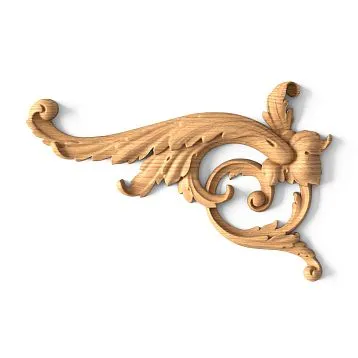
Classic Baroque remains one of the most sought-after stylistic directions. Luxurious floral motifs, elegant acanthus scrolls, dynamic angelic figures create an atmosphere of solemn grandeur. Relief Panels Such designs are ideally suited for decorating formal halls, living rooms, and dining rooms in country residences.
Neoclassicism offers a more restrained, yet no less elegant aesthetic. Strict geometric ornamentation, symmetrical compositions, noble simplicity of forms make such works universally suitable for various interior styles. Neoclassical reliefs fit organically into both traditional and ultra-modern spaces.
Modern minimalism in relief art is characterized by the expressiveness of simple forms and emphasis on the textural qualities of the material. Abstract compositions, geometric patterns, concise natural motifs create powerful visual accents without overloading space with decorative details.
Ethnic motifs open up boundless opportunities for creative self-expression. African masks, Eastern ornaments, Slavic patterns, Scandinavian runes — each cultural tradition offers its unique artistic language capable of imparting a unique character and cultural depth to an interior.
Get Consultation
Technological aspects of creating relief compositions
The process of creating high-quality three-dimensional decor requires a deep understanding of artistic principles and mastery of complex technical techniques. Modern masters use both traditional hand-carving methods and innovative technologies of digital modeling and mechanical processing.
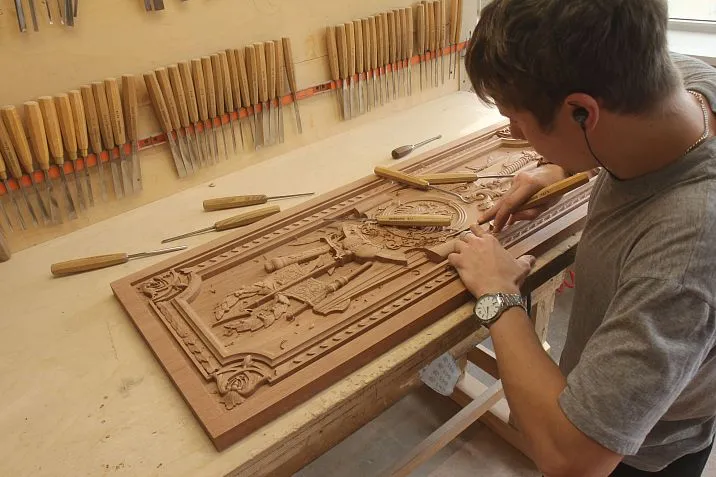
Hand-carving remains the gold standard in creating unique original works. Each detail is formed individually, allowing for maximum artistic expressiveness and emotional depth. Such works carry the energy of the artist and become true works of art.
Molding using silicone molds ensures high-quality mass production while preserving the original's detail. Modern silicone compounds allow for the transmission of the finest texture and relief nuances, making copies virtually indistinguishable from original works.
CNC milling opens new possibilities for creating complex geometric compositions with mathematical precision. Computer control enables the realization of the most daring design ideas, inaccessible for manual execution.
Psychological aspects of perceiving three-dimensional decor
Relief art exerts a powerful psychological effect on humans, activating not only visual but also tactile perception. Three-dimensional forms create a sense of materiality and tangibility of the artistic space, which is especially important in the era of digitization of all spheres of life.
Research in neuroaesthetics shows that the presence of quality artistic decor in interiors positively affects a person's emotional state, reduces stress levels, and enhances overall comfort in the space. Artistic panels become not just decoration, but therapeutic elements of living space.
The color palette of relief decor plays a critically important role in forming emotional atmosphere. Warm tones of ochre, terracotta, gold create a sense of coziness and security. Cool tones — silver, platinum, blue shades — emphasize the solemnity and formal character of the space.
The scaling of a work must correspond to the psychological characteristics of perception of a specific space. Monumental compositions create a sense of grandeur and significance, intimate miniatures require attentive contemplation and form an intimate atmosphere.
Stylistic integration into modern interior concepts
Modern approaches to using relief decor imply harmonious integration of classical artistic forms with innovative design solutions. Bas-relief panels become a link between historical cultural traditions and modern aesthetic preferences.
Loft interiors gain special expressiveness when using industrial themes in relief sculpture. Stylized mechanisms, urban landscapes, abstract compositions made of metal elements naturally complement the brutal aesthetic of exposed brick walls and metal structures.
Scandinavian minimalism combines beautifully with concise natural motifs. Stylized plant ornaments, abstract landscape compositions, geometric patterns inspired by northern nature emphasize the core principles of Scandinavian design — functionality, naturalness, harmony with nature.
Modern classicism requires a special balance between traditional forms and contemporary interpretations. Reinterpreted ancient motifs, adapted baroque ornaments, stylized neoclassical elements allow creating interiors that combine classical elegance with modern comfort.
Lighting as an artistic tool
Properly organized lighting can dramatically change the perception of a relief composition, reveal hidden details, and create additional visual effects. Modern lighting technologies open up boundless opportunities for artistic experimentation.
Directional halogen lighting creates a contrast of light and shadow, emphasizing the volume of forms and revealing the finest details of the relief. This approach is ideal for works with high levels of detail and complex texture.
LED backlighting allows creating color accents and dynamic lighting effects. The ability to program various lighting scenarios transforms a static piece into a dynamic interactive installation.
Hidden contour backlighting creates a 'floating' relief effect, visually separating the composition from the wall and giving it a special lightness and airiness. This technique is especially effective in decorating small rooms, where it is necessary to create an illusion of increased space.
Practical aspects of installation and operation
Professional installation of relief decor requires careful preparation of load-bearing surfaces and use of specialized mounting systems. The quality of installation directly affects the longevity of the work and its safe operation.
Wall preparation includes leveling the surface, eliminating defects, applying special primers that ensure maximum adhesion of adhesive materials. Special attention should be paid to checking the load-bearing capacity of the wall, especially when installing heavy stone or metal elements.
Mounting systems are selected individually depending on the weight of the item, the material of the wall, and operating conditions. Lightweight polyurethane elements can be installed using special adhesives; heavy works require mechanical mounting using anchor systems.
The climatic conditions of the room affect the choice of materials and installation technologies. Rooms with increased humidity require the use of moisture-resistant adhesives and additional protective surface treatment of the items.
Care and conservation of artistic works
Proper care of relief decoration ensures its original appearance for decades. Each material requires an individual approach to cleaning and preventive maintenance.
Gypsum items require gentle dry cleaning with soft brushes and constant monitoring of room humidity. Excessive moisture may lead to mold formation and material structure damage. It is recommended to perform annual preventive treatment with antiseptic compositions.
Polyurethane panel is easy to maintain and can be cleaned with a damp sponge using neutral cleaning agents. Such items are not afraid of temperature and humidity fluctuations, making them an ideal choice for modern interiors.
Metallic reliefs require periodic treatment with special protective compositions that prevent corrosion and preserve the decorative properties of the surface. Special attention should be paid to joints and hard-to-reach areas where moisture may accumulate.
Artistic art versus mass production
The modern decorative plastic market offers both unique artistic works and high-quality mass-produced items. Each approach has its advantages and target audience.
Artistic works ensure complete uniqueness of interior design and the possibility of implementing individual artistic concepts. Such works are created as unique pieces and represent real investments in art. The creation process of an artistic relief may take months, but the result justifies all time and cost expenditures.
Mass production allows obtaining quality decor at an affordable price with guaranteed stable quality and the possibility of expanding the collection in the future. Modern technologies enable creating mass-produced items with a high degree of detail, practically indistinguishable from artistic works.
Combining artistic and mass-produced elements opens up wide opportunities for creating original decorative compositions with an optimal balance of uniqueness and economic efficiency. Such an approach allows creating a rich artistic interior within a reasonable budget.
Regional characteristics and cultural codes
Different cultural traditions have formed unique approaches to creating relief decoration; understanding them allows more conscious selection of stylistic solutions for a specific interior.
European tradition is characterized by a high degree of realism in images and meticulous detailing. Classical European reliefs are distinguished by noble proportions, refined execution, and deep symbolic content. Wall panels in European style are perfect for decorating classical interiors.
Eastern art offers a fundamentally different approach based on symbolism and spiritual content. Eastern reliefs often include calligraphic elements, abstract ornaments with deep philosophical meaning, and stylized images of natural elements.
Modern interpretations of traditional motifs allow adapting classical forms to the requirements of contemporary design while preserving the cultural authenticity of the work. Such an approach creates a bridge between the past and the present, enriching modern interiors with cultural meanings.
Economic aspects of investing in decorative art
Purchasing quality relief decoration represents a long-term investment in creating a unique living space. Properly selected decor not only enhances the aesthetic value of the interior but also increases the market value of real estate.
The cost of relief decoration is determined by multiple factors: the complexity of artistic execution, materials used, reputation of the artist or manufacturer, uniqueness of the piece. A thoughtful approach to budget planning allows obtaining maximum return on investment.
The longevity of quality relief decoration is measured in decades, making it an economically advantageous solution compared to other types of interior decoration requiring regular updates. Initial costs are recouped in the long term.
The possibility of restoration and updating allows extending the lifespan of a work and adapting it to changing design preferences without complete replacement. Professional restoration can restore even severely damaged works to their original appearance.
Innovative materials and future technologies
Advances in materials science open new horizons in decorative art. Nanotechnologies, composite materials, programmable polymers — all of these are applied in creating new-generation relief decoration.
Self-cleaning surfaces based on nanostructures allow creating works that require no special care. Photocatalytic coatings break down organic contaminants under light exposure, maintaining the original appearance of the item.
Thermochromic materials change color depending on temperature, creating dynamic visual effects. Such works become living, responsive artistic objects to their environment.
Integrating digital technologies into traditional decorative art opens boundless opportunities for creating interactive installations. Embedded sensors, LED elements, projection systems transform static reliefs into dynamic multimedia artworks.
Conclusion
The art of relief decorative plastic continues to evolve, offering modern admirers of beauty increasingly sophisticated ways to transform living spaces. Combining traditional artistic techniques with innovative technologies and materials allows creating works that seamlessly fit into the context of modern life while maintaining a connection to multi-century cultural traditions.
Choosing quality decorative panels requires a comprehensive approach, considering both aesthetic preferences and technical characteristics of operation. Professional consultation and thoughtful planning allow creating a harmonious artistic space that will bring joy to its owners for many years.
The modern market offers solutions for any budget and stylistic preferences — from affordable mass-produced items to exclusive artistic works. The key is understanding that quality decor is not an expense, but an investment in creating a unique space for life and creativity.
STAVROS is a reliable partner in the world of decorative arts, offering a wide range of high-quality products and professional services for their installation and maintenance. Years of experience, deep understanding of client needs, and use of advanced technologies enable STAVROS to provide optimal solutions for any interior challenges — from classic to the most modern design concepts, helping to create spaces that inspire and delight every day.