Article Contents:
- Moldings: What makes them special?
- How are moldings used?
- Why are moldings so important?
- Where are brackets used?
- Advantages of moldings
- Application of outlets
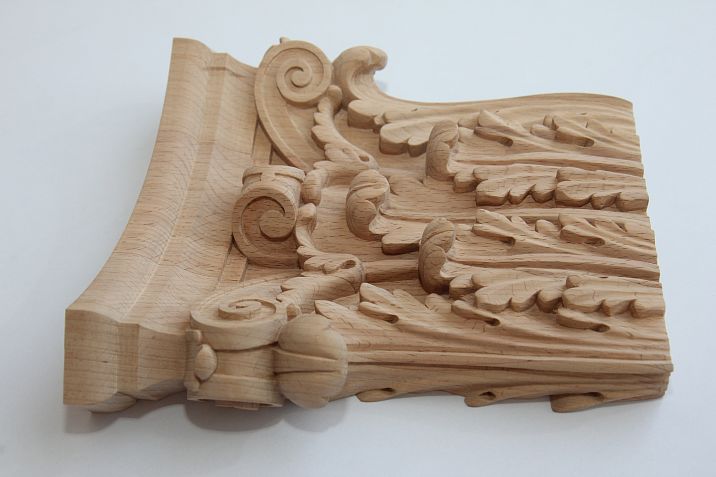
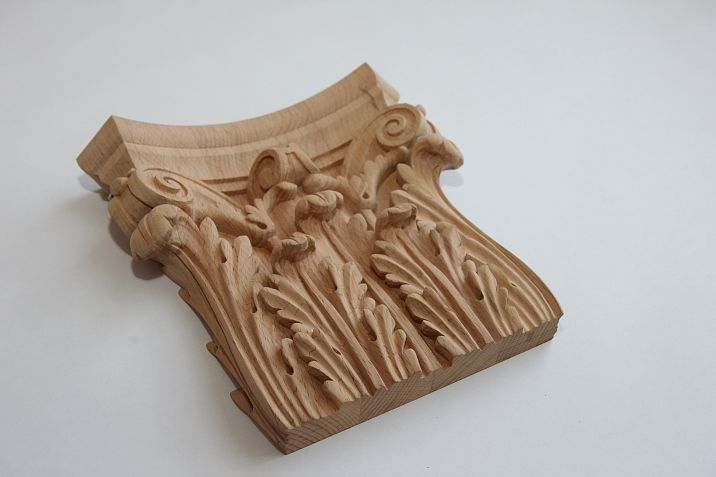
Decorative and applied arts is a unique creative direction in which utilitarian items become carriers of aesthetic value. But what makes decorative and applied art items so special? Why do works by masters created decades, or sometimes hundreds of years ago, continue to inspire modern designers and architects?
The basis of decorative and applied arts lies in the harmony between beauty and functionality. Each element, whether it is a carved molding on furniture, an elegant molding on a wall, or an outlet on a ceiling, is created not only for decoration but also to perform its utilitarian function. Such items become an important part of interior design, architectural objects, and even building facades.
Example: Imagine a classic interior without elegant moldings or baseboards. The space loses its completeness, details are not emphasized, and the overall appearance becomes flat. That is why such elements play a key role in design.
If you are looking for high-quality moldings, baseboards, or other decorative elements, pay attention to the products of the company STAVROS, which offers a wide range of items. Learn more about moldings on the page Moldings, cornices and baseboards.


Moldings: What makes them special?
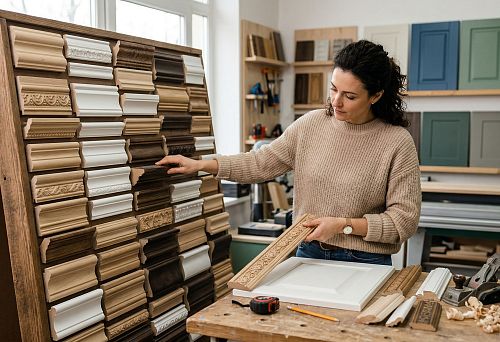
Carved moldings are not just decoration. They are miniature art that transforms simple furniture or walls into works of art. Moldings are made of wood and can have various shapes: from botanical motifs to complex geometric patterns.
How are moldings used?
- Furniture fronts
Carved moldings give cabinets, chests, or tables uniqueness and elegance. For example, a classic cabinet with grapevine motifs becomes the center of attention in any room. - Walls and doors
Moldings decorate flat surfaces, adding texture and emphasis. Doors with carved elements look much more impressive, highlighting the individuality of the interior. - Accent zones
Moldings help highlight certain areas of the interior, for example, the area above the fireplace or the space around the mirror.
STAVROS offers a wide selection of carved moldings suitable for various projects. Learn more on the page Moldings.
Moldings: Elegance in Details
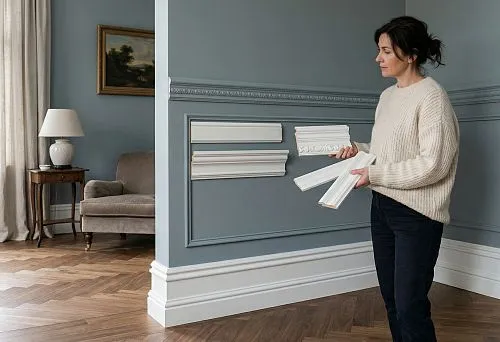
What are moldings, and why are they so popular? Moldings are decorative elements used to decorate junctions between walls and ceilings, highlight accent zones on walls, and create visual depth.
Why are moldings so important?
- Space structuring
Moldings help divide walls into zones, which is especially relevant for large rooms. For example, in a classic interior, moldings create a panel effect, adding elegance to the room. - Interior completeness
Without moldings, walls and ceilings may appear unfinished. Cornices provide smooth transitions, while baseboards conceal the junctions between floor and wall. - Focus on details
Moldings with intricate patterns become independent decorative elements, drawing attention to ceiling lines or zoning details.
Examples of high-quality moldings, cornices, and baseboards are products from the company STAVROS, made from solid wood. You can find them on the page Moldings, cornices and baseboards.
Brackets: Where utility meets art
Brackets are universal elements that combine practical and decorative functions. They support shelves, cornices, and other architectural elements while simultaneously decorating the space.
Where are brackets used?
- For supporting shelves and furniture
Brackets with carved patterns add elegance to furniture, highlighting its uniqueness. - Architectural Finishing
In interior design, brackets are used to accentuate arches, window and door openings. They emphasize architectural features of the room. - Building facades
In exterior design, brackets are often used to support balconies or cornices, adding expressiveness to the building.
STAVROS offers brackets made from solid wood, distinguished by high quality and stylish design. Browse the collection on the page Brackets.
Solid wood trim: Texture and rhythm
Trim is decorative elements used for interior and facade finishing. These may include rails, angles, strips, and other items that add expressiveness and structure to the space.
Advantages of trim
- Multifunctionality
Trim is used to decorate furniture, walls, ceilings, and floors. For example, decorative rails add texture and create visual rhythm. - Naturalness
Solid wood products retain natural texture and durability, making them ideal for eco-friendly interiors. - Universality
Trim suits any style—from classic to minimalism.
If you are looking for quality trim for your interior, visit the page Solid wood trim.
Rosettes: Accent elements
Rosettes are decorative elements often used to decorate ceilings. They draw attention to chandeliers or other lighting fixtures, becoming a striking accent in the interior.
Application of rosettes
- Central element on the ceiling
Rosettes emphasize the lighting zone, adding expressiveness to it. - Wall Decoration
Carved rosettes can be used as independent decorative elements on walls. - Furniture decoration
Rosettes are often used to decorate cabinet facades, chests, and other items.
Rosettes from STAVROS are made from solid oak and beech, ensuring their durability and aesthetic value. Browse the assortment on the page Decorative applied art is a way to turn space into a work of art. Carved appliqués, moldings, brackets, trim, and rosettes add elegance and style to interiors. If you want to make your interior unique, pay attention to products from the company STAVROS. Their products combine craftsmanship, traditions, and a modern approach..
Conclusion
Decorative applied art: What is it? | STAVROS Company