Article Contents:
- Multifaceted Nature of Decorative Strips
- Revolution in Spatial Perception
- Material Foundation of Beauty
- Wooden Strips — Timeless Classic
- MDF — Modern Alternative
- Metallic and Polymer Solutions
- Technical mastery: secrets of professional installation
- Preparation Stage — Foundation of Success
- Mounting Methods — Choice of a Professional
- Professional Work Nuances
- Design Solutions: From Classic to Avant-Garde
- Horizontal Compositions — Expanding Space
- Vertical Lines — Ascent
- Geometric Patterns — Modern Interpretation
- Combined Materials — Textural Contrasts
- Functional Capabilities of Decorative Strips
- Space Zoning — Art of Division
- Defect Concealment — Hidden Perfection
- Acoustic Properties — Comfortable Sound
- Specialized Applications of Decorative Strips
- Strips for Doorways — Framing the Entrance
- Window Frames — Frames for Light
- Ceiling Cornices — Final Touch
- Color Solutions — Palette of Possibilities
- Natural Tones — Harmony with Nature
- Painted Surfaces — Creative Freedom
- Patina and Special Effects — Art of Aging
- Stylistic Directions — Strips in Various Interiors
- Classic Interiors — Traditions and Elegance
- Modern Aesthetics — Minimalism and Functionality
- Scandinavian style — naturalness and coziness
- Loft and industrial style — rough aesthetics
- Technological innovations in the world of decorative planks
- Composite materials — the future is already here
- Smart technologies — integration of electronics
- Ecological technologies — care for nature
- Practical tips on selection and use
- How to choose the perfect planks
- Care and maintenance — preserving beauty
- Repair and restoration — bringing back to life
- Economic aspects of using decorative planks
- Investments in quality — long-term benefit
- Impact on property value
- Frequently asked questions and professional answers
- Conclusion

What makes an interior truly complete and elegant? Of course, attention to details! And here, on stage, comesdecorative plank— a universal finishing element capable of radically changing the perception of space. This seemingly insignificant element possesses an amazing transformative power, turning ordinary surfaces into works of designer art.
Why have decorative planks become so popular among architects and interior designers? The answer lies in their exceptional functionality and aesthetic expressiveness. They can solve multiple tasks simultaneously: conceal surface imperfections, create visual accents, zone space, and give the interior a unique character.


Multifaceted nature of decorative planks
Decorative wooden plankrepresents a linear finishing element that can vary in width, thickness, profile, and texture. This simplicity of form is deceptive — precisely because of their minimalism, planks acquire boundless application possibilities.
In modern understanding, decorative planks are not merely a masking element for joints and seams. They are a full-fledged design tool, enabling the creation of rhythmic compositions, highlighting architectural features of a room, and forming a unique atmosphere. Their geometric clarity creates a play of light and shadow, adding depth and volume to the interior.




Revolution in the perception of space
How can one small element change the entire interior? The magic of decorative planks lies in their ability to control visual perception. Vertically installed planks visually increase ceiling height, horizontally placed ones expand the space. Diagonal placement creates dynamism and movement, while complex geometric compositions turn a wall into a true art object.
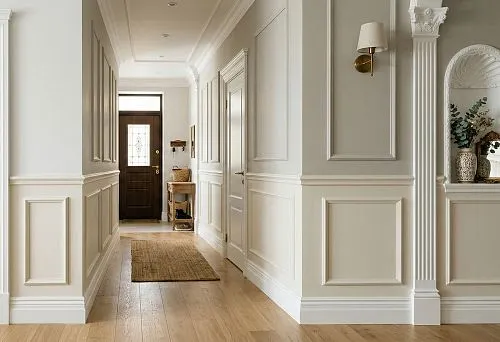
Decorative plank on the wallbecomes a tool for architectural modeling in miniature. With their help, one can create an illusion of columns, pilasters, false beams, or other architectural elements, without resorting to major reconstruction.
Our factory also produces:


Material basis of beauty
Get Consultation
Wooden planks — timeless classic
Natural wood remains the benchmark of quality and beauty in the world of decorative planks.Decorative wooden plankspossess a unique texture, natural warmth, and the ability to create a cozy atmosphere. Each wood species brings its own character: oak — solidity and nobility, beech — elegance and refinement, pine — naturalness and freshness.
Wooden planks are highly processable — they can be stained, varnished, lacquered, or painted, adapting to any design solution. Patination and brushing allow creating an aged effect, while modern protective coatings ensure durability and resistance to external influences.
MDF — modern alternative
Decorative MDF plankrepresents an ideal combination of accessibility and quality. This composite material has a uniform structure, enabling the creation of clear lines and complex profiles. MDF planks can be painted in any color, imitate various wood species, or create modern monochromatic solutions.
The advantages of MDF planks are obvious: dimensional stability, resistance to deformation, ease of processing and installation. They are not prone to cracking or warping, which is especially important in rooms with variable humidity.
Metal and polymer solutions
Modern technologies have expanded the palette of materials for decorative planks. Aluminum profiles provide a minimalist aesthetic and durability, while polymer planks offer moisture resistance and ease of maintenance. Each material opens new possibilities for creative self-expression.
Technical mastery: secrets of professional installation
How to turn an ordinary wall into a work of art? The secret lies not only in choosing the right planks but also in the skill of their installation.Mounting decorative stripsrequires precision, patience, and understanding of the characteristics of each material.
Preparation stage — the foundation of success
Quality surface preparation is the guarantee of durability and aesthetic result. The wall must be perfectly flat, dry, and free of dust and contaminants. Any irregularities, even minor ones, may lead to improper plank fitting and gaps.
Marking — the art of precision. Each line must be checked with a level and plumb bob. Even the slightest deviation from horizontal or vertical will be noticeable to the naked eye and spoil the entire composition.
Mounting methods — the choice of a professional
How to mount decorative planks— a question that determines not only the appearance but also the durability of the structure. There are several main mounting methods, each with its own features and applications.
Hidden mounting ensures maximum aesthetics — no mounting elements are visible on the front surface of the planks. This is achieved using special clips, grooves, or magnetic systems. This method is ideal for premium interiors where flawless lines are essential.
Mounting with adhesive — the simplest and fastest method, suitable for lightweight planks and flat surfaces. Modern polymer adhesives provide strong and durable bonding, and the installation process requires no special skills.
Mechanical mounting using screws or nails ensures maximum reliability, especially for heavy wooden planks. Mounting elements can be concealed with putty or decorative caps.
Professional work nuances
An experienced craftsman knows many secrets that transform ordinary installation into an art. Pre-acclimating planks in the room prevents deformation after installation. Using thermal expansion gaps ensures structural stability under temperature and humidity changes.
Joining planks at corners requires special skill. An ideal 45-degree angle joint is created using a fine-toothed circular saw. Even the slightest inaccuracies in corners are immediately noticeable and spoil the overall impression.
Design solutions: from classic to avant-garde
Horizontal compositions — space expansion
Horizontally arrangedDecorative planks on the wallcreate a sense of space expansion. This is a classic technique especially effective in narrow rooms. Different plank widths and spacing allow creating unique rhythmic compositions.
Playing with proportions opens boundless possibilities. Alternating wide and narrow planks creates a musical rhythm on the wall. Uneven intervals add dynamism and modernity to the classic technique.
Vertical lines — reaching upward
Vertical plank orientation visually increases room height, creating a sense of grandeur and elegance. This technique is especially effective in rooms with low ceilings or when emphasizing the height of the space.
Vertical planks can cover the entire wall height from floor to ceiling or create local accents. Varying their width and placement allows creating column-like compositions or mimicking wooden paneling.
Geometric patterns — modern interpretation
Complex geometric compositions from decorative planks transform the wall into a piece of abstract art. Intersecting lines, diamonds, hexagons, parallelograms — possibilities are limited only by the designer’s imagination.
Such solutions are especially popular in modern interiors, where geometric clarity and minimalist forms are valued. The play of light and shadow on the textured surface creates painterly effects that change throughout the day.
Combined materials — textural contrasts
Combining planks of different materials opens new horizons in design. The combination of wood and metal creates an interesting contrast of warm and cool tones. Planks of different widths and heights form a complex textured surface.
Color contrasts enhance the visual effect. Dark planks on a light background create graphic clarity, while light planks on a dark background create softness and lightness. Monochromatic solutions emphasize the shape and texture of the material.
Functional Capabilities of Decorative Planks
Space zoning — the art of division
Decorative planks excellently handle the task of zoning open spaces. A vertical partition made of planks can divide a living room and dining area without disrupting the overall volume of the room. Such structures allow light and air to pass through, preserving the feeling of spaciousness.
Suspension structures made of planks create an effect of floating in the air. They can divide functional zones at different heights, creating a multi-level space. Built-in lighting enhances the decorative effect and provides additional illumination.
Masking imperfections — hidden perfection
One of the most important functions of decorative planks is masking imperfections of surfaces and utilities. Uneven walls, cracks, cable runs — all of this can be elegantly concealed under decorative cladding. At the same time, technical elements remain accessible for maintenance.
Planks can hide joints between different finishing materials, creating smooth transitions between different zones. Corner elements ensure neat finishing of both external and internal corners.
Acoustic properties — comfort of sound
The textured surface of decorative planks affects the acoustic characteristics of a room. It disperses sound waves, reducing reverberation and echo. This is especially important in large rooms with high ceilings.
Filling the space between planks with sound-absorbing materials significantly improves acoustic comfort. Such solutions are popular in home theaters, music studios, and conference rooms.
Specialized Applications of Decorative Planks
Planks for doorways — framing the entrance
Decorative door planksPlay a special role in interior design. They not only conceal mounting gaps but also create a majestic frame for the entrance. Properly selected door casings emphasize the style of the door and harmoniously integrate it into the overall room design.
The width and profile of door planks should correspond to the proportions of the opening and the interior style. In classical interiors, wide planks with rich profiles are used, while in modern interiors — minimalist rectangular elements.
Window framing — frames for light
Decorative planks excellently handle the task of framing window openings. They create neat framing, conceal mounting seams, and emphasize the architectural significance of the window. Interior window sills framed with planks look finished and elegant.
The color of window planks can contrast with the main wall finish or harmonize with it. White planks create a classic look, dark ones add graphic contrast, natural wood tones bring warmth and coziness.
Ceiling cornices — the finishing touch
Ceiling decorative planks serve as cornices, creating a smooth transition between wall and ceiling. They conceal irregularities at the junction and add architectural expressiveness to the interior. Different cornice profiles allow creating both classic and modern solutions.
Built-in lighting in the cornice creates a floating ceiling effect. LED strips hidden behind the plank provide soft diffused light, visually increasing the room's height.
Color solutions — palette of possibilities
Natural tones — harmony with nature
Natural wood colors remain timeless and unfashionable. Light-colored species — birch, maple, beech — create a sense of freshness and spaciousness. They combine beautifully with white and pastel tones, creating a Scandinavian aesthetic.
Dark species — oak, walnut, wenge — add solidity and elegance to the interior. They contrast beautifully with light walls and create striking accents. Reddish hues of cherry and mahogany bring warmth and coziness.
Painted surfaces — creative freedom
Painting decorative planks opens up boundless creative possibilities. White remains a classic choice — it is universal, visually expands space, and combines with any shades. Black planks create dramatic contrasts and a modern aesthetic.
Vibrant colors allow creating accent compositions. Blue, green, and red planks can become focal points in a neutral interior. Gradient transitions and ombre effects add modernity and dynamism.
Patina and special effects — the art of aging
Artificial aging of planks creates a unique vintage and noble atmosphere. Patina, brushing, and craquelure — these techniques transform new planks into antique finds. Gold, silver, or copper patina adds luxury and refinement.
Metallic effects are especially popular in modern interiors. Planks with bronze, brass, or antiqued silver finishes create interesting light reflections and add precious accents to the interior.
Stylistic Directions — Planks in Various Interiors
Classic Interiors — Traditions and Elegance
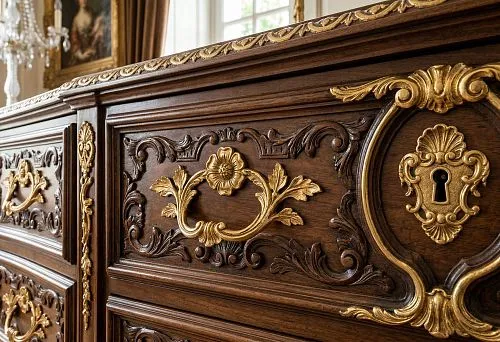
In classic interiors, decorative planks play the role of architectural moldings. Complex multi-level profiles, gilding, patination — all of this creates an atmosphere of palace luxury. Planks frame mirrors, paintings, doorways, turning them into works of art.
Symmetry and proportions — the foundation of classic design. Planks must strictly conform to architectural canons, create harmonious compositions, and emphasize the nobility of materials.
Modern Aesthetics — Minimalism and Functionality
Modern interiors prefer concise forms and clean lines. Decorative planks in such spaces are characterized by geometric clarity and the absence of decorative excesses. Rectangular or square profile, monochromatic coloring, precise proportions — principles of modern design.
Functionality prevails over decoration. Planks not only adorn but also conceal utilities, zone space, and integrate lighting and ventilation systems.
Scandinavian Style — Naturalness and Coziness
Scandinavian aesthetics value natural materials and natural tones. Light wooden planks, white or light-gray coloring create an atmosphere of northern freshness and simplicity. Horizontal compositions emphasize the connection with nature and coastal landscapes.
Functionality and practicality — core principles of Scandinavian design. Planks should not only be beautiful but also practical, easy to maintain, and durable.
Loft and Industrial Style — Rough Aesthetics
Industrial interiors use decorative planks as structural elements. Metal profiles, roughly processed wood, contrasting material combinations create an atmosphere of industrial aesthetics. Exposed fasteners, visible joints, deliberate carelessness — characteristic features of the style.
The color palette is limited to natural tones of materials: gray metal, dark wood, black graphite. Bright accents are used sparingly and contrastingly.
Technological Innovations in the World of Decorative Planks
Composite Materials — The Future is Already Here
Modern composite materials open new possibilities in the design of decorative planks. They combine the strength of metal, the lightness of plastic, and the aesthetics of natural wood. Resistance to moisture, ultraviolet radiation, and mechanical impacts makes them ideal for any operating conditions.
The ability to create complex profiles and textures expands design horizons. The imitation of various materials achieves such perfection that distinguishing composite from original becomes practically impossible.
Smart Technologies — Integration of Electronics
Modern decorative planks can integrate various technological solutions. Built-in LED lighting creates an eye-catching backlight and can be controlled via smartphone. Touch-sensitive elements allow controlling lighting and other smart home systems with simple touch.
Wireless charging for mobile devices, integrated into planks, adds functionality to modern interiors. USB ports and outlets, integrated into decorative elements, solve the problem of placing electrical outlets in modern homes.
Ecological Technologies — Care for Nature
Modern production of decorative planks increasingly focuses on ecological aspects. Use of rapidly renewable materials, safe paints and water-based varnishes, waste recycling technologies — principles of responsible production.
FSC certification guarantees that the wood for planks is sourced from sustainably managed forests. This is important for consumers concerned about ecology and the planet's future.
Practical tips for selection and use
How to Choose the Ideal Planks
Choosing decorative planks is a process requiring consideration of multiple factors. The interior style determines the shape and profile of the planks. Room dimensions affect their width and placement. Operating conditions dictate the choice of material and protective coatings.
Material quality and manufacturing — the guarantee of durability and aesthetic result. Planks must be made from dried wood, have a smooth surface without defects, and precise dimensions. Packaging must ensure preservation during transport and storage.
Care and Maintenance — Preserving Beauty
Proper care extends the service life of decorative planks and preserves their original beauty. Regular dry cleaning with soft cloth or vacuum cleaner removes dust and dirt. Wet cleaning should be done carefully, avoiding excess moisture.
Periodic renewal of protective coatings keeps planks in ideal condition. Varnishes and waxes not only protect the material but also highlight its natural beauty. Timely replacement of damaged elements prevents the spread of defects.
Repair and Restoration — Returning to Life
Even the highest-quality planks may require repair or restoration over time. Minor scratches and chips are removed by sanding and local touch-up. More serious damage may require replacing individual elements.
Restoration of antique planks is a special art requiring deep knowledge of materials and techniques. Preserving historical value while restoring functionality is a complex but noble task.
Economic aspects of using decorative planks
Investments in quality — long-term benefit
High-quality decorative planks are an investment in long-term beauty and functionality of interior design. The high initial cost is offset by durability, ease of maintenance, and the ability to refresh without full replacement.
Cutting corners on material and labor quality may result in significant future expenses. Cheap planks quickly lose their appearance, require frequent replacement, and do not provide adequate aesthetic effect.
Impact on property value
Quality finishing with decorative planks significantly increases the attractiveness and value of real estate. Buyers appreciate attention to detail and are willing to pay more for thoughtful design. Professionally executed finishing becomes a competitive advantage in the real estate market.
The versatility and timelessness of quality planks allow them to remain relevant for many years without requiring radical interior updates.
Frequently asked questions and professional answers
Question: Can decorative planks be used in humid rooms?
Answer: Yes, but with certain limitations. For bathrooms and kitchens, choose planks made from moisture-resistant materials — MDF with appropriate coatings, composite materials, or specially treated wood. High-quality protective finishing with varnish or paint is mandatory.
Question: How often should decorative planks be renewed?
Answer: With proper material selection and quality installation, planks can last for decades. Wooden elements may require renewal of protective coating every 5–7 years. MDF and composite planks require virtually no maintenance.
Question: Can planks be installed by oneself?
Answer: Simple compositions of straight planks can be installed by oneself with basic tool-handling skills. Complex geometric patterns, corner joints, and work with premium wood species are better left to professionals.
Question: How do planks affect room lighting?
Answer: The textured surface of planks creates play of light and shadow, which can either improve or worsen room lighting depending on their placement. Horizontal planks may cast shadows on the lower part of the wall. This effect should be considered when planning lighting.
Question: What tools are needed to install planks?
Answer: Basic set includes: circular saw, drill, screwdriver, level, tape measure, pencil. For quality corner joints, you’ll need a miter gauge or a circular saw with a swivel table. For working with hardwoods, special drill bits and bits may be required.
Conclusion
decorative plankDecorative planks are not just a finishing element — they are a tool for creating a unique interior. Properly selected and professionally installed planks can dramatically transform any space, giving it individuality and completeness.
The art of working with decorative planks lies in understanding their limitless possibilities and the ability to apply them creatively and functionally. From classic solutions to modern innovations — planks remain a relevant and sought-after design element.
For many years, the company STAVROS has specialized in producing high-quality decorative planks and other solid wood products. Rich experience, modern technologies, and attention to detail enable the creation of products that meet the most demanding requirements of architects and designers. Every STAVROS plank combines traditional craftsmanship with modern technology, guaranteeing quality and durability to bring the most daring design ideas to life.