Article Contents:
- Historical Code of Beauty: From Antiquity to Our Days
- Ancient Roots of Modern Art
- Psychological Aspects of Decor Perception
- Cultural Traditions and National Characteristics
- Technological Revolution: When Material Determines Possibilities
- Polyurethane Alchemy of the 21st Century
- Production Technologies: Precision at the Molecular Level
- Quality control: standards of perfection
- Bio-tech: Organic forms of the future
- Neoclassicism: A Modern Interpretation of Eternal Truths
- Modernism: nature as a source of inspiration
- Art Deco: geometry of luxury
- Practical Aspects of Application: From Project to Reality
- Design: The Art of Harmony
- Installation Work: Surgical Precision
- Final Finishing: The Master’s Last Touches
- Economic Aspects: Beauty Accessible to Everyone
- Comparative Analysis of Material Costs
- Long-Term Economic Efficiency
- Impact on property value
- Ecological aspects: responsibility to the future
- Safety for Human Health
- Sustainable Development and Recycling
- Modern Trends and Innovations
- Digitalization of the Design Process
- New materials and technologies
- Integration of smart technologies
- Conclusion: investment in quality of life
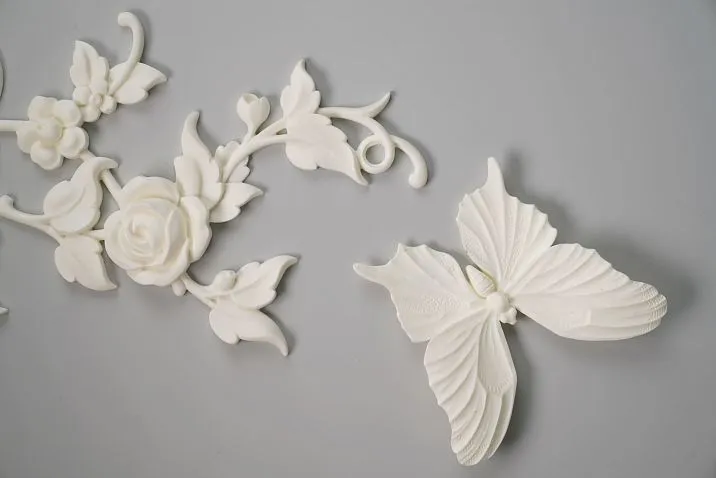
Pause for a moment and imagine walls that speak to you in the language of beauty. Walls where every molding curve, every rosette, every scroll tells its own story of elegance and refinement. Decorative stucco It is not just a decorative element, but a philosophy of space embodied in tangible forms.
When we talk about transforming living space, we often forget about the magical power possessed by properly selected decorative elements. They are capable of turning an ordinary room into a palace hall, a modest apartment into a work of architectural art, and a standard office into a respectable place where one wants to work and create.
In today’s world, saturated with technology and synthetic materials, we paradoxically yearn for classical forms and traditional decorative elements. But now we have the opportunity to obtain all the beauty of classical architecture without its drawbacks—weight, fragility, and astronomical cost.


Historical Code of Beauty: From Antiquity to Our Days




Ancient Roots of Modern Art
Each element of modern moldings carries the genetic memory of millennia. When we admire elegant acanthus scrolls, we see echoes of ancient Greek temples. Strict geometric ornaments transport us to Roman baths, where marble and gold created an atmosphere of divine grandeur.
But the path to modernity was not straight. Each era introduced its own characteristics into the language of architectural decoration. Byzantine mosaics, Gothic verticality, Renaissance harmony of proportions—all these stylistic codes live in modern decorative moldings, enriching its expressive potential.
Baroque gifted the world an understanding of decoration as theatrical staging of life. Every element was meant to astonish the imagination, evoke emotions, tell stories of power and wealth. Rococo introduced playfulness and elegance, while classicism restored strictness and mathematical precision of proportions.
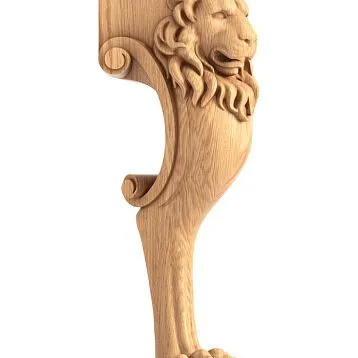
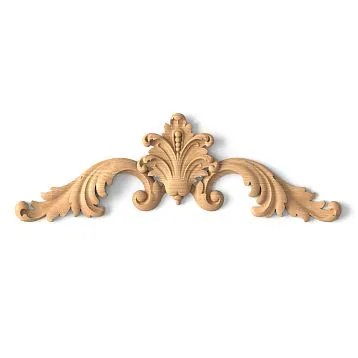
Our factory also produces:


Psychological Aspects of Decor Perception
Why does the human eye so sharply react to certain forms and proportions? Modern neuropsychology provides astonishing answers to this question. Certain geometric ratios activate pleasure centers in our brain, creating a subconscious sense of harmony and beauty.
The rhythm of repeating elements affects our perception of time and space. A properly arranged sequence of moldings or rosettes creates a visual rhythm that soothes the nervous system and promotes concentration.
The play of light and shadow on the relief surface of molding creates a constantly changing picture that prevents interiors from becoming monotonous. Morning sunlight highlights certain details, while evening light reveals others, creating an effect of a living, breathing space.
Get Consultation
Cultural traditions and national characteristics
Each culture has contributed to the development of decorative art. Plant motifs of antiquity, geometric patterns of Islamic architecture, complex symbolism of Christian decoration—all these traditions have intertwined in the modern understanding of decorative space design.
The Russian tradition of wooden architecture, with its affinity for natural forms and symbolic ornamentation, has also influenced modern interpretations of classical motifs. Today's molding may carry echoes of Russian patterns from the 17th century or elements of Peter the Great's Baroque.
Technological Revolution: When Material Defines Possibilities
Polyurethane Alchemy of the 21st Century
Imagine a material lighter than a feather yet stronger than stone. A material capable of taking any shape while preserving the clarity of the finest details. Modern polyurethane is precisely such a magical substance that has ushered in a new era in architectural decoration production.
The molecular structure of polyurethane consists of a three-dimensional network of polymer chains linked by cross-links. This architecture provides a unique combination of strength and elasticity, enabling the material to withstand significant loads without structural damage.
Modern polyurethane compositions contain numerous special additives, each serving a specific function. Stabilizers protect against destructive effects of ultraviolet radiation, antioxidants slow down aging processes, rheology modifiers ensure perfect filling of the most complex forms.
Production Technologies: Precision at the Molecular Level
Creating quality decorative molding It begins with the creation of a master model. This may be a sculpture created using traditional methods such as wood carving or clay modeling, or the result of modern 3D technologies.
The silicone mold is manufactured with jewel-like precision. Every detail of the original must be reproduced without the slightest distortion. The quality of the mold directly determines the quality of future products—microscopic defects will be replicated in every copy.
The casting process occurs under strictly controlled conditions. Temperature, humidity, pressure—all parameters are maintained by automated systems with precision down to fractions of a percent. Even the slightest deviation may result in defects or surface quality deterioration.
Quality Control: Standards of Perfection
Each product undergoes a multi-stage quality control. Visual inspection reveals the slightest surface defects, dimensional control ensures geometric accuracy, and laboratory tests confirm compliance with specified physical and mechanical properties.
Modern non-destructive testing methods allow detection of internal defects invisible on the surface. Ultrasonic testing, radiographic analysis, computer tomography—entire arsenal of modern science is deployed to ensure quality.
Statistical analysis of control data allows continuous improvement of the technological process. Every deviation is analyzed, its causes are identified, and measures are taken to prevent recurrence of defects in the future.
Stylistic Directions: From Classic to Avant-Garde
Neoclassicism: Modern Interpretation of Eternal Truths
Modern neoclassicism does not blindly copy ancient models but creatively reinterprets them in accordance with the needs of the 21st century. Proportions are adapted to modern room volumes, details are simplified for better perception under artificial lighting.
The color palette of neoclassical interiors has become more diverse. While traditional classicism preferred white as a symbol of purity and perfection, modern interpretations allow the use of a wide range of tones—from delicate pastels to saturated dramatic shades.
Modern technologies allow reproduction of classical ornaments with previously unattainable precision. Each acanthus leaf, each vein, each scroll is transferred with photographic clarity, yet retains the liveliness and expressiveness of handcrafted work.
Modern: nature as a source of inspiration
The modern style of Art Nouveau revolutionized decorative art by abandoning blind imitation of historical styles in favor of creating fundamentally new forms inspired by nature. Curves of stems, petals of flowers, mineral patterns became the basis for creating a unique decorative language.
Asymmetry as a compositional principle of Art Nouveau requires special skill in creation decorative moldingEach element must be individual, yet harmoniously integrated into the overall composition. Polyurethane is ideally suited for realizing such complex forms.
Color solutions of Art Nouveau lean toward natural tones—from the delicate green of young leaves to the deep blue of ocean depths. Modern coloring technologies allow reproduction of even the most complex color transitions and gradients.
Art Deco: geometry of luxury
The Art Deco style emerged during the era of industrialization and reflected the spirit of the time—the drive toward technological progress, speed, and dynamism. Geometric ornaments, stylized sun rays, zigzag patterns create a sense of movement and energy.
Contrasting color and texture combinations are characteristic of Art Deco. Black and gold, white and silver, matte and glossy surfaces create dramatic effects, transforming interiors into theatrical decor.
Modern interpretations of Art Deco utilize the possibilities of new materials to create effects unavailable in the original era. Metallic coatings, pearl pigments, holographic films expand the designer's palette of possibilities.
Practical Aspects of Application: From Project to Reality
Design: The Art of Harmony
Creating a successful project using molded decoration requires a deep understanding of compositional and proportional laws. Each element must not only conform to the chosen style but also harmoniously integrate into the architectural context of the specific room.
Scaling elements is one of the most complex design tasks. The size of the decoration must correspond to the volume of the room according to specific proportional laws. Too large elements in a small space create a feeling of oppression, while overly small details in a spacious hall become lost and fail to make the desired impression.
Lighting plays a critical role in perceiving molded decoration. A properly designed lighting system highlights the merits of relief elements, creates play of light and shadow, and reveals the beauty of forms. Poor lighting can negate all efforts to create a beautiful interior.
Installation Works: Surgical Precision
Quality installation of decorative elements requires professional skills and specialized tools. Surfaces must be perfectly prepared — leveled, cleaned of dust and contaminants, and primed to improve adhesion.
Marking is performed using laser levels and high-precision measuring tools. Each line and each mounting point is checked multiple times, as correcting errors after applying elements is practically impossible without compromising the integrity of the finish.
Adhesive compositions are selected individually for each type of substrate and operating conditions. Modern polyurethane adhesives provide strong bonding with most construction materials while maintaining a certain elasticity required to compensate for thermal deformations.
Final Finishing: The Master’s Final Touches
Sealing joints between elements requires special skill and patience. Special sealants and putties, matched to the color and texture of the base material, are used. The goal is to create a visually monolithic surface where individual elements blend into a single composition.
Preparation for painting includes sanding all surfaces to remove minor defects and create a uniform texture. The quality of preparation directly affects the final result — any irregularities will be emphasized after applying paint.
Painting is the final stage that determines the final appearance of the entire composition. Water-based paints compatible with polyurethane and possessing the necessary performance characteristics are used.
Economic Aspects: Beauty Accessible to Everyone
Cost Comparison of Materials
When selecting material for decorative finishing, it is important to consider not only the initial cost but also the total costs over the entire life cycle. Decorative stucco Polyurethane alternatives offer comparable detailing quality at a fraction of the cost of natural materials.
Gypsum molding requires the involvement of highly skilled craftsmen and special installation technologies. The fragility of the material increases the risk of damage during transportation and installation, creating additional costs.
Natural materials — wood, stone — surpass polymers in prestige, but their cost may be dozens of times higher. They also require special care, regular maintenance, and protection from adverse environmental factors.
Long-term economic efficiency
Operational costs for polymer decorative elements are minimal. The material requires no special care, is resistant to moisture, temperature fluctuations, and mechanical impacts. Periodic wet cleaning is sufficient to maintain an ideal appearance.
The ability to repaint multiple times allows updating the interior without replacing decorative elements. This is especially important in commercial spaces, where design concepts change every few years.
The service life of quality polyurethane elements is 25–30 years under proper use. During this period, alternative materials may require multiple repairs or complete replacement.
Impact on property value
Quality decorative finishing significantly increases the market value of real estate. Experts note a 15–25% price increase for properties with individual design and quality finishing.
Real estate with a unique interior has higher liquidity — such properties find buyers faster and sell at higher prices. This is especially relevant in saturated markets, where standing out among standard offerings is crucial.
Commercial spaces with quality decor have significantly higher rental appeal. Tenants are willing to pay a premium for a beautiful and comfortable space, increasing the profitability of commercial real estate.
Environmental Aspects: Responsibility to the Future
Safety for Human Health
Modern polyurethane compositions are produced in accordance with the strictest ecological standards. The composition contains no formaldehyde, heavy metals, or other toxic substances harmful to human health.
Cured polyurethane is inert — it does not emit volatile organic compounds and does not undergo chemical reactions with air components. The material has no odor and does not cause allergic reactions, even in people with heightened sensitivity.
Polyurethane’s antimicrobial properties prevent the growth of mold, fungi, and bacteria on the surface of products. This is especially important in humid environments, where other materials may become sources of biological air contamination.
Sustainable Development and Secondary Recycling
The long service life of polyurethane products corresponds to the principles of sustainable development. By replacing decorative elements less frequently, we reduce resource consumption and the volume of waste generated.
The development of chemical recycling technologies for polyurethane allows the reuse of used items to produce new materials. Depolymerization breaks down the polymer into original monomers, which can be reused.
Energy recovery of polyurethane through combustion in specialized facilities allows obtaining a significant amount of thermal energy. The material's calorific value is comparable to coal, making it a valuable energy resource.
Modern trends and innovations
Digitalization of the design process
Virtual and augmented reality systems revolutionize the interior design process using decorative molding. Clients can see the result even before work begins, "walk through" the future interior, and evaluate it from various perspectives.
Parametric design allows creating adaptive decorative systems that automatically adjust to the size and proportions of a specific space. This opens new possibilities for mass customization of design.
Artificial intelligence is applied in optimizing shapes and compositions. Machine learning algorithms analyze successful projects and propose optimal solutions for specific tasks, taking into account the client's stylistic preferences.
New materials and technologies
Polyurethane-based nanocomposites possess fundamentally new properties. Self-cleaning surfaces, antibacterial coatings, materials that change color in response to temperature or lighting – all of this is no longer science fiction, but a reality of modern chemistry.
Additive technologies allow creating decorative elements of any complexity without limitations related to molding. 3D printing opens new horizons for personalization and creation of unique forms.
Biopolymers based on renewable resources represent an environmentally friendly alternative to traditional materials. While retaining all the positive properties of polyurethane, such materials fully degrade in the natural environment.
Integration of smart technologies
Integrated lighting systems transform decorative elements into additional light sources. LED strips integrated into cornices and moldings create striking contour lighting and allow implementing various lighting scenarios.
Motion and presence sensors embedded in decorative elements can control lighting, heating, and air conditioning systems. Wireless technologies ensure ease of installation and operation of such systems.
Climate sensors placed in decorative elements monitor indoor microclimate parameters and can send signals to automatic temperature and humidity regulation systems.
Conclusion: Investment in quality of life
In a world where the pace of change is constantly increasing and technologies develop at dizzying speed, the human need for beauty and harmony remains unchanged. Decorative molding has become the bridge connecting rich traditions of the past with boundless possibilities of the present.
Each project using quality decorative elements is not just repair or finishing, but the creation of a unique space that will delight the eye and warm the soul for many years. This is an investment not only in beauty, but also in quality of life, emotional well-being, in that intangible sense of comfort that makes a home a true home.
Choosing quality decor is the choice of people who understand the value of beauty and are willing to invest in creating a space worthy of their ambitions and aspirations. It is the choice of those who are not willing to compromise with the dullness and banality of mass construction.
In the era of globalization and standardization, things made with soul and professional craftsmanship acquire special value. Each decorative element is created with an understanding of its role in the overall symphony of interior design, where every note, every accent, every pause matters.
Modern technologies have made high art of decorative design accessible to a wide range of people, without compromising its quality and expressiveness. Democratization of beauty is one of the main achievements of our time.
STAVROS stands at the forefront of this revolution in beauty and accessibility, offering the Russian market products of world-class quality. Years of experience, deep understanding of client needs, and constant pursuit of perfection have made STAVROS synonymous with quality in the world of architectural decoration. Every STAVROS product is created with love and professional craftsmanship, embodying the best traditions of craftsmanship and the most modern production technologies. Choosing STAVROS means choosing a reliable partner in creating your dream interior, who will serve you faithfully and truthfully for many years, reminding you every day of the correctness of your choice.