Article Contents:
- Technological Breakthrough in Decorative Arts
- Polyurethane vs. Traditional Materials
- Manufacturing Technologies
- Variety of Forms and Stylistic Solutions
- Classic Motifs in Modern Interpretation
- Innovative Design Solutions
- Practical Advantages of Using
- Economic efficiency
- Universality of application
- Application Areas of Adhesive Plastic Decoration
- Furniture Industry
- Architectural Decoration
- Restoration work
- Technological Features of Installation
- Surface Preparation
- Mounting methods
- Final finishing
- Classic Directions in Modern Interpretation
- Classic Interiors
- Modern directions
- Ethnic Styles
- Maintenance and operation
- Daily Maintenance
- Repair and Restoration
- Economic aspects of application
- Cost and Return on Investment
- Logistical Advantages
- Technology Development Prospects
- New Materials
- Digital technologies
- Product Personalization
- Ecological Aspects
- Sustainable development
- Recycling and disposal
- Conclusion
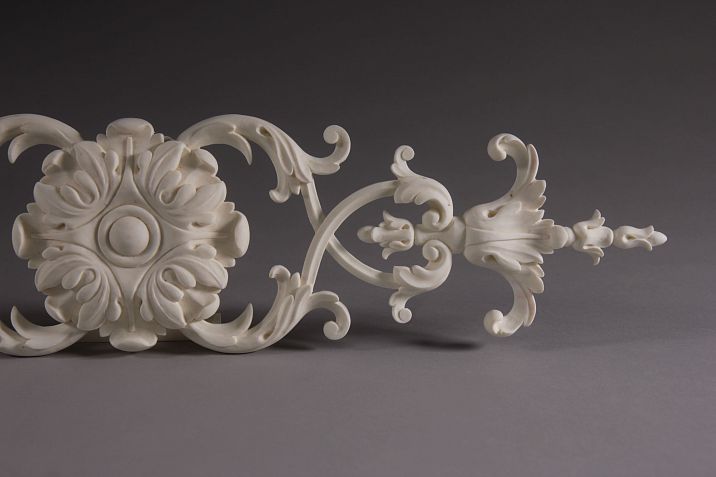
The era of mass consumption dictates its own rules: furniture must be not only functional but also aesthetically appealing, while remaining affordable. It is precisely here that buy adhesive plastic furniture decoration — an innovative solution that allows transforming the most mundane interior item into a work of art.
Imagine: a simple chest becomes an elegant piece of classic furniture, and an ordinary kitchen acquires aristocratic features — all thanks to the skillful use of plastic decorative overlays. But what exactly does this term mean, and why are modern designers increasingly turning to this type of decoration?


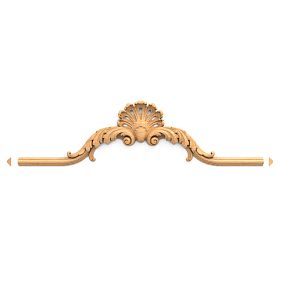

Technological Breakthrough in Decorative Arts




Polyurethane vs. Traditional Materials
At the heart of modern furniture decoration lies polyurethane — a material that has truly revolutionized the industry. This high-tech plastic possesses unique properties: it is several times lighter than wood, yet does not compromise on strength. Polyurethane's moisture resistance makes it ideal for use in high-humidity areas — kitchens, bathrooms, basements.
Traditional carved wooden elements require special care, are susceptible to insect damage, may crack and warp. Plastic alternatives lack these drawbacks: they do not rot, warp, or require special protective treatments.
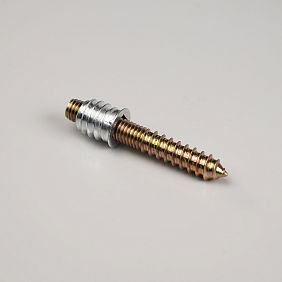
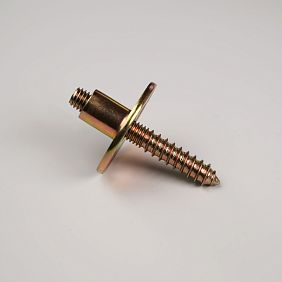
Our factory also produces:


Manufacturing Technologies
Manufacturing of high-quality furniture decoration made of polyurethane It is a high-tech process. Casting is done in special silicone molds, ensuring precise reproduction of the finest details of the original. The production cycle for one item takes 5 to 15 minutes, enabling large batches to be produced with minimal time expenditure.
Modern production lines are equipped with automated quality control systems, guaranteeing material uniformity and absence of defects. Each element undergoes multi-stage testing to ensure compliance with technical requirements.
Get Consultation
Variety of Forms and Stylistic Solutions
Classic motifs in modern execution
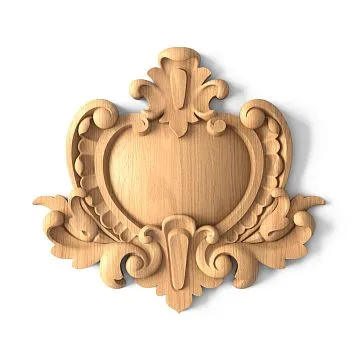
The range of plastic furniture decoration is breathtaking: from minimalist geometric forms to complex baroque compositions. Rosettes of various sizes and configurations allow creating focal points on furniture facades. Corner elements and brackets add architectural expressiveness to simple geometric forms.
Elements with botanical ornamentation have gained particular popularity: grapevines, oak leaves, floral compositions. These motifs, which have adorned palace interiors for centuries, are now accessible to everyone thanks to modern manufacturing technologies.
Innovative Design Solutions
Modern designers are not limited to copying historical samples. They create fundamentally new forms reflecting the aesthetics of the 21st century: abstract compositions, futuristic elements, minimalist overlays. Plastic overlays integrate beautifully into high-tech, loft, and Scandinavian minimalist interiors. Plastic overlays integrate beautifully into high-tech, loft, and Scandinavian minimalist interiors.
The distinctive feature of plastic decor is the ability to create elements of complex geometry, impossible with traditional wood processing. Interwoven spirals, delicate structures, multi-level reliefs — all of this becomes achievable thanks to molding technologies.
Practical advantages of using
Economic Efficiency
The main competitive advantage of plastic furniture decor is its accessibility. The cost of polyurethane elements is 5-10 times lower than similar wooden items. At the same time, surface finishing quality often surpasses hand-carved work: there are no chips, unevenness, or variations in relief depth.
For furniture production, this means the possibility of creating premium-class products at affordable prices. Small workshops gain the opportunity to compete with large factories, offering exclusive solutions without significant equipment investments.
Universality of Application
Plastic decorative elements are suitable for almost any surface: MDF, particleboard, solid wood, even metal and glass. Mounting methods vary from simple gluing to mechanical fastening with screws or nails. This versatility opens up limitless creative possibilities.
An important advantage — the possibility of painting and toning. Polyurethane overlays accept any type of paint: acrylic, oil, alkyd. It is possible to create imitation of patina, gilding, aging — any decorative effect becomes achievable.
Applications of applied plastic decor
Furniture industry
Kitchen furniture — the primary application area for plastic decorative overlays. Simple flat cabinet fronts acquire an aristocratic appearance thanks to carved rosettes and corner elements. Central overlays on wide doors are especially striking — they create the impression of expensive latticed construction.
Living room furniture also transforms with decorative elements. Chests, secretaries, display cabinets gain individuality and character. Bedroom sets with applied decor create an atmosphere of luxury and elegance.
Architectural decor
Plastic overlays are used not only in furniture production. Doorway decoration, wall panel embellishment, ceiling rosettes — possibilities are limitless. Unlike plaster moldings, polyurethane elements do not crack, flake, or require complex repairs.
Plastic decor is especially popular in rooms with extreme operating conditions: saunas, steam baths, swimming pools. The material is not afraid of temperature and humidity fluctuations, maintaining its original appearance for decades.
Restoration work
Modern technologies allow recreating lost elements of historical interiors with photographic accuracy. Polyurethane overlays for furniture are used in restoring antique items when original parts are lost or severely damaged.
The advantage of plastic elements in restoration — the ability to tone them to match any wood species. An experienced craftsman can achieve such similarity that only an expert can distinguish a polyurethane overlay from a wooden one.
Technological features of installation
Surface preparation
Quality installation begins with careful preparation of the base. The surface must be completely clean, degreased, and dry. Any irregularities, protrusions, or dents may lead to improper fitting of the overlay and, consequently, delamination.
Special attention is paid to marking. Laser levels, templates, guides — everything that helps ensure precise positioning of elements. Symmetry of decor placement is critically important for the perception of the finished product.
Methods of mounting
Adhesive bonding — the most common method of attaching plastic overlays. Special polyurethane adhesives are used, providing strong and elastic bonding. Setting time is 10-15 minutes, full polymerization occurs within 24 hours.
For large elements, combined mounting is used: adhesive plus mechanical fastening. Self-tapping screws or finishing nails are inserted into least visible spots — centers of rosettes, recesses of relief. After installation, mounting points are masked with putty and painted.
Final finishing
After installation, overlays require finishing treatment. Joints between elements are filled with special putty and sanded with fine-grit sandpaper. Priming ensures better adhesion of the final coating.
Painting — the final stage determining the appearance of the finished product. Modern paints allow creating any decorative effects: from simple toning to complex multi-layer coatings with imitation of patina, gilding, or bronze.
Design possibilities and stylistic solutions
Classic Interiors
In classic interiors, plastic decor is intended to recreate the atmosphere of palace luxury. Elements with floral ornaments, mascarons, and classical motifs harmoniously fit into settings designed in the spirit of Baroque, Rococo, or Empire.
Large central rosettes with floral bouquets, garlands, musical instruments are especially striking. Such overlays become compositional centers of furniture facades, drawing attention and setting the tone for the entire interior.
Modern interior styles also use oak skirting boards, but in a different interpretation. Minimalism prefers simple rectangular profiles without decorative elements. Smooth surfaces with matte finish create a sense of strictness and elegance.
Modern design does not reject decorative elements, but reinterprets their forms and purpose. Geometric overlays, abstract compositions, minimalist reliefs fit beautifully into high-tech, loft, and contemporary interiors.
Special popularity belongs to inserts with regular rhythmic relief — they create dynamic play of light and shadow without overloading space with details. Such elements can be used both to accentuate individual zones and to decorate entire walls.
Ethnic styles
Growing interest in ethnic cultures is reflected in the design of decorative inserts. Scandinavian runes, Celtic knots, Slavic ornaments, Eastern mandalas — all these motifs are successfully embodied in polyurethane.
Ethnic decor is especially valued in country houses, where it is important to create an atmosphere of connection with cultural traditions. Carved decorative inserts for furniture with ethnic motifs help personalize space, making it unique and memorable.
Care and Maintenance
Daily maintenance
Plastic decor is low-maintenance. Regular dry cleaning with a soft brush removes dust from the relief grooves. Wet cleaning is performed no more than once a week using mild cleaning agents.
It is important to avoid aggressive chemical compositions — they may damage the protective coating. Abrasive agents are also prohibited — they leave scratches on the surface, damaging the appearance of the item.
Repair and restoration
Even with the most careful handling, inserts may sustain damage. Small chips and scratches are successfully repaired with special repair compounds. After drying, the damaged area is sanded and painted to match the original finish.
Severe damage requires replacement of the element. Thanks to standardization of sizes and shapes, finding an exact replacement is not difficult. Removal of the damaged insert is performed using a heat gun — the heated adhesive softens, and the element easily detaches from the base.
Economic aspects of application
Cost and return on investment
Initial costs for plastic decor are significantly lower than for wooden analogs. In mass furniture production, savings can reach 70-80% of the cost of carved wooden elements. For small-batch production, savings amount to 40-50%.
Return on investment in decorative inserts occurs through increased consumer appeal of the product. Furniture with decor sells at higher prices, providing the manufacturer with additional profit margin.
Logistical advantages
The lightweight nature of polyurethane elements significantly reduces transportation costs. Standard packaging of inserts weighs 3-4 times less than an equivalent quantity of wooden items. This is especially important when delivering to remote regions.
Compact packaging allows optimizing warehouse stock. On the same warehouse space, several times more plastic decor can be stored, improving inventory turnover.
Prospects for technology development
New materials
Development of the chemical industry opens new opportunities for producing decorative elements. Composite materials with added wood fibers combine the ecological properties of natural wood with the practicality of plastic.
Biodegradable polymers based on plant raw materials solve the problem of waste disposal. Such materials fully decompose in soil within 2-3 years, without harming the environment.
Digital technologies
The introduction of digital technologies revolutionizes the production of decorative inserts. 3D scanning allows creating accurate digital copies of historical samples. Parametric modeling enables creating infinite variations of basic forms.
Robotized production lines ensure stable product quality with minimal human involvement. Machine vision systems control every stage of production, eliminating defects.
Product personalization
Modern consumers increasingly demand individualized solutions. Rapid prototyping technologies allow creating unique decorative elements in single units without significant additional costs.
Interactive configurators allow customers to create their own decorative insert designs by combining various elements according to their preferences. This approach significantly broadens the target audience for the product.
Ecological aspects
Sustainable development
Using plastic decor contributes to preserving forest resources. One kilogram of polyurethane can replace 5-7 kilograms of hardwood. At current production volumes, this means saving thousands of hectares of forest annually.
The long service life of polyurethane items also contributes to reducing environmental impact. While wooden elements require replacement every 10-15 years, plastic analogs serve 30-50 years without losing consumer properties.
Recycling and disposal
Modern polyurethanes are recyclable materials. Special technologies allow breaking down used items into original components, which are then used to produce new products.
Energy recovery — an alternative recycling method. The calorific value of polyurethane is comparable to coal, making it a valuable fuel for specialized energy installations.
Conclusion
Decorative inserts for plastic furniture represent an optimal balance between aesthetics, functionality, and economic efficiency. Modern production technologies allow creating items that not only match but often surpass traditional wooden analogs in many parameters.
Universality of application, ease of installation, low maintenance make plastic decorative inserts for furniture The ideal choice for both professional furniture manufacturers and individual customers seeking to create a unique interior.
For more than two decades, the company STAVROS has been a pioneer in the production of decorative elements from modern materials. By combining time-tested design solutions with innovative manufacturing technologies, STAVROS creates products that set new quality standards in the industry.
Choosing STAVROS decorative inserts is an investment in the future of your interior. This is the solution for those who value beauty, practicality, and sensible cost-efficiency, who understand that true quality does not always require maximum expenses. STAVROS guarantees that your furniture will delight the eye and serve faithfully for many years.