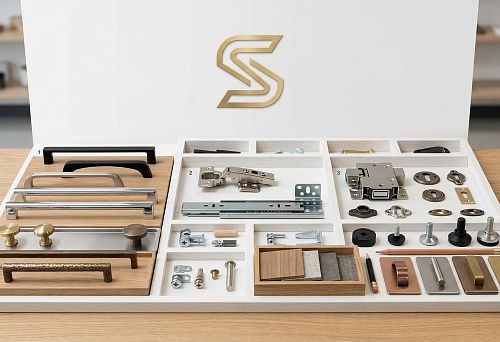
Article Contents:
- Philosophy of a Unified Concept: Why Think Holistically
- Wooden Handles as the Foundation of Furniture Character
- Sculptural and Organic Modern Forms
- Long Handle-Clips: Graphics in Furniture Architecture
- Button Handles: Miniature Interior Jewels
- Molded Decoration: From Architecture to Furniture
- Moldings on Furniture: Reviving Forgotten Traditions
- Rosettes, Friezes, Corner Elements for Walls and Ceilings
- Moldings and Framing: Structure and Rhythm of Interior Design
- Decorative Elements: Details That Create Magic
- Carved Appliqués: Art of Handcraft and Precision Milling
- Sanderi, Sandriki: Architectural Grammar in Interior Design
- Corner Elements: Final Touches of Composition
- Materials and Their Combinations: Wood, Polyurethane, MDF
- Solid Wood: Nobility, Warmth, and Eternal Value
- Polyurethane: Universality, Practicality, and Unlimited Forms
- MDF for Painting: Flexibility for Bold Creativity
- Style Directions 2026: Classic, Minimalism, Organic
- Neoclassicism: balance of tradition and modernity
- Minimalism with Accents: Less Does Not Mean Boring
- Organic Design: Nature as the Primary Inspiration
- Practical Creation of a Unified Concept: Algorithm for Success
- Step 1: Formulating the Idea and Atmosphere
- Step 2: Choosing Materials and Wood Species
- Step 3: Selecting Forms, Ornamentation, and Key Motif
- Step 4: Distributing Accents and Element Hierarchy
- Step 5: Color Harmony and Tonal Scheme
- Step 6: Installation, Final Evaluation, and Adjustments
- Why a Unified Concept Is Needed: Psychology of Harmonious Space
- Popular questions and professional answers
- Conclusion: your home — your unique story

The approaching year 2026 will bring a revolution in understanding furniture decor. The times when woodenFurniture Handlesornamentation and otherdecorative elementswere perceived as scattered details, remain in the past. Modern design philosophy demands cohesion, where each element engages in dialogue with others, forming a unified visual language of space. This is not merely a set of beautiful details — it is a multi-layered story of your home, told through materials, forms, and textures.
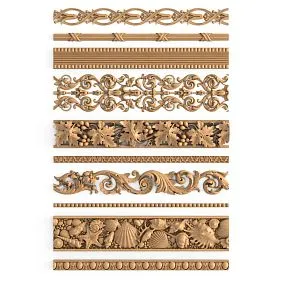


Philosophy of a unified concept: why think comprehensively
When we furnish a home, we often act fragmentarily. Today we buywooden furniture handles, tomorrow we chooseMoldings, the day after tomorrow —Relief Decoration. Result? An interior resembling patchwork quilt: beautiful in details, but lacking internal logic and coherence. Each element exists independently, not creating overall harmony.
Concept of a unifiedfurniture decor2026 offers an alternative path. It requires formulating an idea before beginning to implement it. What atmosphere are we creating? Luxurious classicism with a hint of modernity? Minimalism with subtle aristocratic touches? Organic space with natural forms? The answer determines materials, wood species, profilesceiling cornices, style of ornamentation, and character of hardware.
The connecting thread — recurring motifs. If your interior featuresCorner decorative elementswith plant ornamentation on walls, it is logical to continue this theme in carved appliqués on furniture facades or handles with sculpted relief.Moldings for paintingIf you choose geometric
for minimalist wall decoration, then furniture handles must be strict, linear, without excessive ornamentation.




Wooden handles as the basis of furniture character
Our factory also produces:


Sculptural and organic modern forms
In 2026,Furniture Handlesno longer remain merely functional elements. They acquire sculptural character: smooth lines, asymmetrical curves, biomorphic forms reminiscent of smooth river stones, flower petals, ocean waves. Such handles become mini-artworks, pleasant to hold, feeling the warmth and texture of natural wood.
Tactile pleasure — the most important component of luxury in everyday life. When you open a cabinet door and feel the perfectly polished surface of an oak or walnutwooden handle, it creates a special connection with the object, making furniture alive and animated.
Wood species dictate the character of the interior. For strict spaces with classicalceiling cornicesandceiling moldingshardwood species — oak, beech, ash — convey confidence, solidity, century-long reliability. For interiors with ethnic motifs, where warmth and soulfulness are important, cherry, walnut, birch — species with expressive, lively texture — are suitable. Exotic species — padauk, zebrawood, mahogany — fill the space with premium sound, perfectly complementing luxuriousdecorative appliqués for furniture.
Get Consultation
Long handle-eyes: graphics in furniture architecture
One of the main trends of 2026 — long handle-eyes from 300 to 960 millimeters, creating vertical or horizontal graphic accents on cabinet, wardrobe, and kitchen furniture facades. They visually elongate furniture, giving it elegance, lightness, architectural expressiveness, transforming an ordinary cabinet into a sculptural object.
In the context of a unified concept, it is critically important that the handle profile corresponds to the profileof wooden moldingsand cornices in the room. If your walls are adorned with delicate, elegant strips with subtle relief, handles must be proportionally refined. If the interior is built on massivewooden beamsbrutalmullionsand wide baseboards, handles can be larger, heavier, more voluminous, emphasizing the overall monumentality.
Material also plays a role. For classic interiors withwith polyurethane moldingshandles made of noble woods — oak, ash, walnut — with natural staining will suit. For modern spaces, contrastive solutions can be chosen: light birch or maple on dark facades, or dark wenge on light ones.
Button handles: miniature gem of the interior
Do not underestimate modest button handles with a diameter of 30–50 millimeters. They are ideal for chests, bedside tables, small cabinets, where large hardware visually overloads the facade and disrupts proportions. Wooden buttons with carved details, metal inlays, or contrasting textures can become an elegant accent, drawing attention.
When used in the interiorRelief Decorationwith small ornaments — rosettes, vignettes, floral motifs — button handles with similar patterns continue the theme, creating a sense of thoughtfulness and harmony. For example, if the walls featureplaster rosettes ceilingwith plant ornament, furniture buttons can repeat the same motif — leaves, flowers, scrolls — only in miniature.
It is a subtle, almost imperceptible detail at first glance, but it is precisely this detail that creates the cohesion that distinguishes a professionally designed interior from a DIY one.
Plaster decoration: from architecture to furniture
Plaster on furniture: revival of forgotten traditions
TraditionallyMoldingsis associated with architectural elements — ceiling rosettes, cornices, wall panels. But in 2026, we observe active implementation of plaster motifs directly on furniture.Polyurethane decorative appliquesand wood are applied to cabinet facades, bed headboards, chests, consoles, buffets, transforming ordinary furniture into works of high art.
Polyurethane overlays have several advantages: they are lightweight, easy to install, resistant to moisture and temperature fluctuations, making them a universal solution for any room, including kitchens and bathrooms.Carved Wooden Appliquéspossess the nobility of natural material, unique texture, tactile warmth that cannot be imitated.
Combining both types of materials in a single interior is a fully viable and effective approach:Polyurethane Ceiling Moldingsis complemented by woodencarved elements on furniturecreating an interesting contrast of textures while maintaining stylistic unity. The key is to ensure consistency in ornamentation, proportions, and overall style.
Rosettes, friezes, corner elements for walls and ceilings
Ceiling rosette— a classic element framing chandeliers, concealing wiring, creating a striking accent in the center of the ceiling plane. In 2026, both traditional baroque rosettes with elaborate scrolls and modern geometric variants with minimalist patterns are relevant, suitable for minimalist interiors.
When a ceiling rosette with plant ornament — leaves, flowers, grape clusters — is present, it is logical to repeat this theme on furniture: addCarved decorative inserts for furniturewith similar motifs to buffet or cabinet facades. This creates a vertical connection between the architecture of the space and its contents, between the ceiling and furniture, between the upper and lower parts of the space.
Corner decorative elements— important details completing molding compositions, decorating wall joints, framing mirrors, paintings, panels. They can also be used on furniture — at door corners, around tabletops, on the ends of shelves. This is a subtle yet powerful tool for visual space unification, creating rhythm and symmetry.
Moldings and frames: structure and rhythm of the interior
Moldings— linear decorative elements dividing walls into zones, framing panels, windows, doors, creating rhythmic structure in the interior. They transform flat walls into multi-layered compositions, adding depth, relief, play of light and shadow. In 2026, especially popular areMoldings for paintingmade of MDF, allowing decoration to adapt to any color scheme.
door frame trimwithwooden architravesand decorative sashings create the solemnity of entry zones, emphasizing the importance of openings. When similar profiles are repeated on furniture — around glass inserts in display cases, along the edges of facades — a stylistic echo emerges, enhancing the overall impression of thoughtful design.
Door Frame Installationcan be executed in the same style asdecor for furniture: if doors use wide carved moldings with plant motifs, similar moldings should be applied to furniture facades. If openings are styled minimally, furniture should also be restrained.
Decorative elements: details that create magic
Carved moldings: the art of handcrafting and precise milling
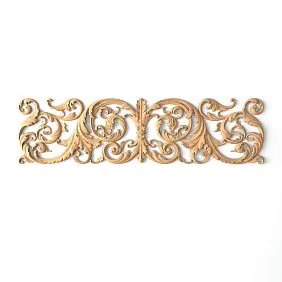
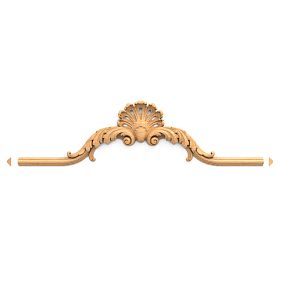
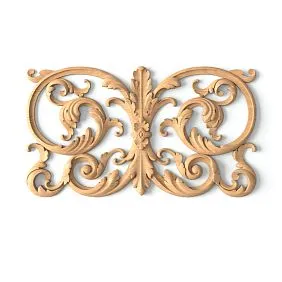
carved appliqués— concentrated beauty capable of transforming the simplest furniture, turning a standard cabinet into a work of art. They are crafted from oak, beech, ash, walnut using high-precision milling or hand-carving methods, possessing exceptional quality and detail.
Ornaments come in incredible variety: botanical (acanthus leaves, oak branches, grapevines, roses), geometric (meanders, rosettes, diamonds, Greek keys), zoomorphic (lion heads, eagles, mythological creatures), abstract (scrolls, volutes, spirals, baroque cartouches). The choice depends on the interior style and overall concept.
Classical interiors withceiling moldingsin the Baroque or Rococo style require lavish, multi-layered moldings with rich decoration. Modern eclectic spaces allow mixing: strict geometric moldings on walls paired with organic, flowing moldings on furniture, creating an intriguing contrast that is nonetheless perceived as harmonious due to a well-thought-out concept.
Sashings, sashings: architectural grammar in interior design
Medium in Furniture— a vertical decorative element dividing the facade into symmetrical parts, imparting order, rhythm, and monumentality to the composition. Historically, sashings were used in architecture for vertical wall division, and now this technique is actively applied in furniture design.
— a horizontal cornice located above door or window openings, completingdoor frame trim. WhenSundial above the doorrepeated as a horizontal element above the upper doors of a buffet or display case, creates a powerful stylistic link between architecture and furniture.
Using these elements on furniture is a sign of high design skill and deep understanding of classical proportions.Sandrok corniceadds solemnity and architectural expressiveness to furniture, transforming an ordinary cabinet into something resembling a building facade.
Corner elements: finishing touches to the composition
Decorative corner elements— are finishing details of any molding composition. They decorate joints, conceal irregularities of connections, and create elegant transitions. On furniture, corner moldings serve a dual function: decorative and protective — they protect corners from chipping, add relief, and enhance the visual frame of the facade.
Mold Corner Elementcan be either restrained and geometric, or richly adorned with botanical ornamentation. The choice depends on the overall character of the interior. For minimalist spaces, simpleCorner elements for wallswith clear geometry will suit. For luxurious classical interiors — lavishCorner molding elementwith scrolls and floral motifs.
Materials and their combinations: wood, polyurethane, MDF
Solid wood: nobility, warmth, and timeless value
Solid wood — the king of naturalness and authenticity. Oak, beech, and ash possess hardness, resistance to deformation, and noble grain that only becomes more beautiful with time. Walnut, cherry, and birch offer warmer tones and softer tactile qualities, creating a cozy, homey atmosphere. Exotic species — mahogany, rosewood, zebrawood — exude luxury and premium quality.
WoodenFurniture Handles, Carved decorative inserts for furniture, Moldings from solid woodThey create a sense of reliability, eternity, and connection to nature. They age beautifully: the texture becomes more pronounced, the color gains noble depth, and patina adds history and character.
Wood is a living material that responds to humidity and temperature. It breathes with the house, changes with the seasons, and retains the warmth of human hands. This creates a special emotional connection between people and interiors.
Polyurethane: versatility, practicality, and limitless forms
Polyurethane moldingsA modern solution combining the beauty of classic forms with the practicality of contemporary materials. Polyurethane is lightweight, simplifying installation and reducing load on structures. It is moisture-resistant, unaffected by temperature fluctuations, does not crack or deform, maintaining its shape for decades.
polyurethane panels, Ceiling Rosettes, Polyurethane Crown MoldingThey are easily painted in any color, allowing you to adapt the decor to any interior color scheme. You can paint them white for a classic look, match them to wall tones for a subtle relief, or use contrasting colors for a bold accent.
The combination of polyurethane ceiling moldings with wooden furniture elements is a common and successful practice. The ceiling is adorned withcornices and rosettes made of polyurethane, walls —moldings made of the same material, and the furniture receives wooden handles and carved appliqués. The difference in materials does not create dissonance if the shapes and ornaments harmonize, creating a stylistic unity.
MDF for painting: flexibility for bold creativity
MDF for Painting— a practical alternative to solid wood, featuring a smooth surface ideal for painting in any color.MDF moldings, MDF baseboards, MDF skirting boards for paintingeasily fit into minimalist and modern interiors, where clean lines and monochromatic schemes are essential.
Painting allows creating a monochromatic environment: white walls, white moldings, white furniture with white appliqués and contrasting dark wooden handles. Or vice versa: dark graphite walls, dark cornices, light furniture with tinted wooden elements. The flexibility of color solutions makesMDF detailsan indispensable tool for realizing bold design ideas.
MDF skirting board 80 mm for painting— a popular solution for modern interiors requiring restraint and minimalism. It creates a clear boundary between wall and floor, adding completeness to the space.
Stylistic directions for 2026: classic, minimalism, organic
Neoclassicism: balance of tradition and modernity
Neo-classicism in 2026 is a lightened, airy, modern version of classicism. Less gold, more matte surfaces and natural textures. Less heavy drapery, more clean lines and open space.Moldings in interior design 2026are present but in moderation: one elegantCeiling cornice, symmetrical moldings on walls, a few carved appliqués on key furniture pieces.
Furniture handles are chosen in classic shapes — polished buttons, elegant brackets, carved details — but made from modern wood species with natural, un-toned texture, without excessive gloss or lacquer.Wooden appliqués on facadesrepeat motifsof ceiling moldings under the chandelier, creating a vertical axis of symmetry that unites the upper and lower parts of the room.
The color palette of neoclassicism is restrained — beige, gray, dusty blue, soft green tones with accents of natural wood.Buy ceiling moldingcan be white or painted to match the ceiling color for a delicate relief that adds depth without visual overload.
Minimalism with accents: less does not mean boring
Minimalism in 2026 acknowledges decoration, but requires it to be justified and meaningful. One expressive element is better than ten mediocre ones. A long wooden handle-bracket on a tall cabinet becomes a graphic accent, drawing the eye and creating vertical dynamics. One widePaintable wall moldingunder the ceiling creates a clear boundary between wall and ceiling plane, enhancing the geometry of the space.
Paintable moldings in interior designare painted to match the walls, creating a subtle play of relief and light, noticeable only under specific lighting. Wooden handles in minimalist forms — cylinders, rectangular bars, T-profiles — emphasize functionality without distracting from the overall composition. Tactility is important: a smooth, perfectly polished wooden surface compensates for visual rigidity and restraint.
Ceiling molding elementsin a minimalist interior must be geometric, clear, without excessive ornamentation. SimplePolyurethane Ceiling MoldingsStraight lines create structure without overcrowding the space.
Organic design: nature as the main inspiration
Organic — a trend gaining momentum rapidly. Biomorphic forms, fluid lines, natural materials, textures reminiscent of tree bark, river stones, sea waves.Wooden Furniture HandlesAcquire a sculptural character: asymmetrical, irregular, as if polished by time and elements.
Carved decorative inserts for furnitureDecorated with botanical motifs — leaves, branches, flowers — echoing withstucco on walls. decorative elements for furnitureMade of wood with preserved natural texture, knots, irregularities add authenticity, liveliness, and connection to nature.
Natural color palette: shades of earth, sand, green, sky, water. Wood remains in its natural state, covered with oil or wax, highlighting the beauty of texture.Polyurethane stucco in interior designPainted in soft, dusty tones, blending into the overall background, yet creating subtle play of light and shadow, enlivening surfaces.
Practice of creating a unified concept: an algorithm for success
Step 1: Formulating the idea and atmosphere
Start with the main question: what atmosphere are we creating? Grand classic with hints of palace luxury? Calm minimalism with nature accents? Cozy organic with rustic notes? Write down key words, describe the feelings you want to experience in this space. Collect references — interior photos that evoke the desired emotions. This is the foundation of the concept, without which further work will be chaotic.
Step 2: Choosing materials and wood species
Determine the main materials. Solid wood for furniture elements? Which species — oak, beech, walnut, birch?Polyurethane for architectural stucco? MDF for painting moldingsSolutions must be interconnected: if you choose oak handles, carved appliqués should also be made of oak or a similar species with matching tone and texture.
Consider durability. For humid areas — kitchens, bathrooms — better choosemolded decoration made of polyurethanewater-resistant. For living rooms and bedrooms, you can confidently useWooden decor elements.
Step 3: Selecting forms, ornaments, and key motif
Choose a key ornament or form that will become the leitmotif of the entire interior. A botanical scroll with acanthus leaves? Geometric meander? Organic wave? This motif should repeat incarved appliqués, stucco on the ceilingrelieffurniture handlesprofilemoldings on the walls.
Repetition of the motif creates visual rhythm, which the brain interprets as harmony and order. It’s a subtle thing guests may not logically recognize, but they will certainly feel emotionally.
Step 4: Distribution of accents and hierarchy of elements
Determine main and secondary elements. Main accent — luxuriousceiling rose under the chandelierThen furniture decor should be more restrained to avoid competing for attention. Main accent — luxurious carved buffet withdecorative inlaysThen the walls and ceiling are styled minimally, serving as a neutral backdrop for furniture.
Hierarchy creates order. Without it, the interior becomes visual noise, where everything shouts simultaneously and nothing is heard.
Step 5: Color Harmony and Tone
Coordinate the colors of all elements. If wooden elements remain in their natural state, choose a stain shade that harmonizes with the wall and floor colors.Polyurethane moldingsis painted to match the ceiling or wall tone for a subtle effect, or contrastively — white molding against a colored background — for a more dramatic effect.
MDF for Paintingoffers maximum flexibility:paintable wall moldingscan be painted in any RAL color, adapted to the specific interior palette.
Step 6: Installation, final assessment, and adjustments
After installing all elements, pause and assess the result. Are all elements in their proper places? Do ornaments complement each other? Do colors harmonize? Are proportions maintained? If anything deviates from the overall concept, don’t hesitate to adjust: repaint, replace handles, add missingCorner element.
A unified concept requires attention to the smallest details. It is precisely these details that create perfection.
Why is a unified concept needed: psychology of harmonious space
An interior built on a unified concept affects the psyche fundamentally differently than a chaotic accumulation of beautiful but disconnected details. A harmonious space calms the nervous system, organizes thoughts, creates a sense of completion, control, safety, and well-being.
When the eye glides over walls, ceilings, and furniture and sees repeating motifs, shapes, colors, textures, the brain interprets this as a signal of order: everything is in its place, everything is thought out, everything is under control. This is especially important in today’s world, full of chaos, stress, and information overload. The home becomes a refuge, an island of calm and order.
Moreover, a unified concept significantly enhances the aesthetic value of the interior. The space is perceived as a single work of art, not a random collection of purchases from different stores. This evokes pride, deep satisfaction, a desire to spend time at home, invite guests, and share beauty.
Popular questions and professional answers
Can wooden and polyurethane elements be combined in one interior?
Yes, this is not only possible but also a common successful practice. The key is to maintain stylistic unity in forms and ornamentation.Polyurethane molding on the ceilingand walls harmonize well withwooden furniture handlesandcarved appliqués on furniture, if they are executed in the same style — classical, neoclassical, or modern.
How to properly choose the wood species for handles and appliqués?
For furniture subjected to intensive use (kitchen sets, hallways), choose hardwoods: oak, beech, ash — they are resistant to scratches and wear. For decorative furniture in the living room or bedroom, any species will do, including softwoods — birch, pine, cherry. Exotic species (mahogany, rosewood) create a premium look but require careful maintenance.
Is exact color match required for all wooden elements?
No, variations within the same color palette are acceptable. For example, oak handles may be lighter than walnut appliqués, but both shades must harmonize with the overall color scheme of the room. Contrast is permissible and even encouraged if it is justified by the concept and creates an interesting visual dynamic.
Can molding be added to a strict minimalist interior?
Yes, if used sparingly and with simple forms. A single slenderCeiling cornicea few strict geometricmoldings on the walls, a simple socketof geometric shape will not disrupt minimalism but add depth, structure, and character to the space.
Regularly wipe with a soft, slightly damp cloth, avoiding aggressive cleaning agents and abrasives. Once a year, treat with special wood oil or wax to protect the wood and enhance its natural texture. Hardwoods require no special care, while softer woods may need periodic renewal of protective coating.
How long does it take to implement a full decoration concept?
From several weeks to several months, depending on the scale of the project and the complexity of the chosen concept. The key is not to rush. It’s better to spend time carefully considering all details and selecting elements, rather than correcting costly mistakes after installation.
From several weeks to several months, depending on the scale of the project and the complexity of the chosen concept. The key is not to rush. It’s better to invest time in carefully considering all details and selecting elements, rather than correcting costly mistakes after installation.
Where to buy quality decorative elements to realize a unified concept?
STAVROS offers a full range of decorative elements for creating a cohesive interior:wooden handles made of natural wood, carved decorative overlays, polyurethane molding, moldings of various profiles, Ceiling Molding, Baseboards, door casingsExtensive assortment, top-quality craftsmanship, possibility of individual selection of elements within your unique concept.
Conclusion: your home — your unique story
Creating an interior according to a unified concept — this is not merely a designer task or technical exercise, but a deeply creative act of self-expression and self-discovery. Each element —Wooden furniture handle, Carved Insert, a fragment of ceiling molding— carries a piece of your story, your values, your unique vision of beauty and harmony.
In 2026,Furniture decorIt no longer remains a collection of random purchases made at different times in different places. It becomes a powerful tool for creating a cohesive, harmonious space, where architecture, furniture, and the smallest details speak the same language, creating a symphony of forms, textures, and colors.
This space calms after a stressful day, inspires creativity, fills you with a sense of pride and well-being. This is a home where you want to live, becoming an extension of your personality.
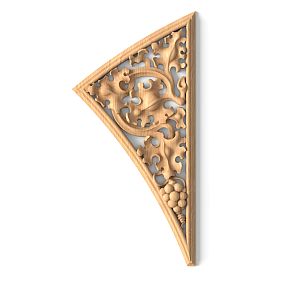
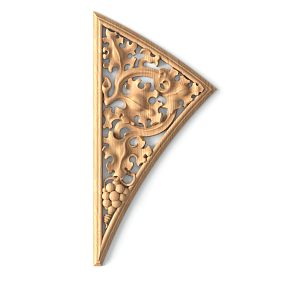
Trust the professionals at STAVROS, who will help bring your unique concept to life. Fromhandcrafted furniture handlestoceiling moldings—— this is the decoration of cabinet fronts, chests, tables, and doors. Carved inlays allow creating a unique furniture design, adding individuality and expressiveness. The inlay N.VRS-014L gives furniture an elegant look, making it a true work of art. Using carved decoration on furniture adds luxury to the interior and highlights the owner’s taste.tomolding for painting— everything you need to create your ideal home is presented in the STAVROS catalog. Start small — choose the first detail that will become the tuning fork of your unique interior’s symphony.