












































































Article Contents:
- Evolution of Perception: How the View of Ceiling Beams Has Changed
- Solid Wood: Authenticity and Elegance
- Modern interpretation of classic style in a private home
- Functional capabilities of decorative beams in a private home
- Visual Space Correction
- Space zoning
- Lighting as part of the decorative concept
- Improved Acoustics and Thermal Insulation
- Materials and technologies: choice for a private home
- Stylistic Solutions: Beams in Different Interiors
- False beams: practicality and variety
- Polyurethane beams: lightness and accessibility
- Stylistic solutions: beams in different interiors of a private home
- Rustic and country: returning to roots
- Provence and shabby chic: tenderness and romance
- Loft and Industrial Style: Brutality and Character
- Modern classic: elegance and restraint
- Minimalism and Scandinavian style: simplicity and light
- Techniques for decorating beams in a private home
- Brushing: emphasizing texture
- Artificial aging: patina of time
- Carving and painting: artistic finishing
- Combined techniques: playing with textures and materials
- Color solutions: from natural tones to bright accents
- Natural wood tones: classic, timeless
- White color: lightness and airiness
- Contrasting solutions: drama and expressiveness
- Vibrant colors: boldness and individuality
- Lighting and beams: play of light and shadow in a private home
- Directional lighting: accent on texture
- Built-in lighting: functionality and decor
- Suspension lights: accents and zoning
- Installation and mounting of beams in a private home
- Preparatory work
- Mounting methods
- Maintenance and care of beams in a private home
- Regular maintenance
- Periodic renewal of protective coatings
- Problem solving
- Creative ideas for using beams in a private home
- Beams as Storage Elements
- Beams as a Base for Hanging Furniture
- Beams as Elements of Green Design
- Beams as Art Objects
- Conclusion: timeless beauty in a modern private home

Raise your gaze upward. What do you see? A plain white ceiling or a canvas for creativity? In the world of modern interior design, the ceiling has long ceased to be merely a functional surface—it has become a space for self-expression, an opportunity to highlight the uniqueness of your home. And one of the most expressive ways to achieve such transformation is decorating the beam on the ceiling in a private home, which can radically change the perception of the entire room.
Over half a century of work in the field of interior design, I have observed how trends have changed, how one style has replaced another, but one thing has remained constant—the desire of people to create a space that reflects their inner world. And in this pursuit, ceiling beams have become a true revelation, connecting the past and present, functionality and aesthetics.
is currently at its peak popularity. This is not just a fashionable trend—it is a return to the roots, to natural beauty and harmony, which are so lacking in today's urban world. Ceiling beam decoration in a private home is currently at its peak of popularity. This is not just a fashionable trend—it is a return to the roots, to natural beauty and harmony, which are so lacking in today's urban world.



Ceiling Beams: From Structural Element to Work of Art
The history of beam use in architecture spans millennia. Initially, they served exclusively a structural function — supporting floors, distributing loads, providing rigidity to building structures. Our ancestors, constructing their homes, likely did not consider the aesthetic aspect of these elements — for them, it was a question of the strength and reliability of the building.




Evolution of Perception: How the View of Ceiling Beams Has Changed
Over time, builders began to pay attention to the aesthetic aspect of beam structures. In medieval castles and estates, massive wooden beams were no longer merely fulfilling their functional role—they became decorative elements, demonstrating the status and wealth of the home’s owner.
During the Renaissance, architects began experimenting with the placement of beams, creating complex geometric patterns on ceilings. Coffered ceilings with intersecting beams became a symbol of luxury and refined taste.
The Industrial Revolution brought new construction materials and technologies, and for a time, wooden beams took a back seat. But by the early 20th century, with the emergence of the 'Art and Craft' movement, interest in traditional construction methods and natural materials was revived.
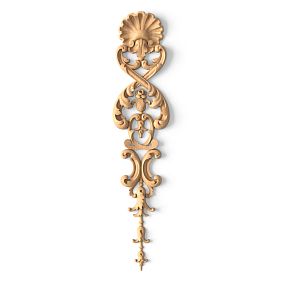
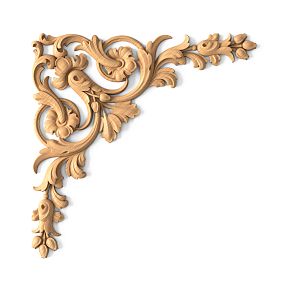
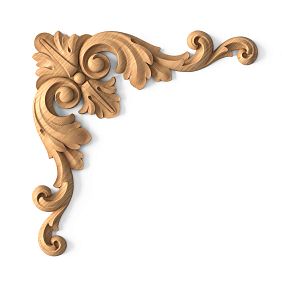
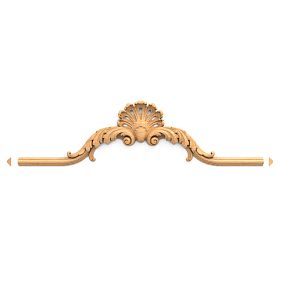
Our factory also produces:



Modern interpretation of classic style in a private home
Today Ceiling beam decoration in a private home is experiencing a new renaissance. Modern technologies allow creating faux beams that look authentic but lack the drawbacks of solid wood—they are lighter, easier to install, resistant to deformation and cracking.
Designers use ceiling beams not only in traditional interior styles such as country or Provence, but also in the most unexpected contexts—from minimalist Scandinavian interiors to ultra-modern high-tech spaces. Beams have become a universal tool for creating focal points, zoning spaces, and adding textural variety.
Get Consultation
Functional capabilities of decorative beams in a private home
In addition to aesthetic function, decorative ceiling beams can also perform practical tasks, making the interior not only beautiful but also functional.
Visual space correction
One of the key functions of ceiling beams is visually altering the proportions of a room. With their help, you can:
- Visually increase ceiling height by placing beams parallel to the shortest wall
- Make the room more cozy if the ceilings are too high
- Correct the room's incorrect geometry
- Visually expand a narrow space
For example, in a room with low ceilings, it is better to use narrow beams of light shades placed parallel to the long wall. This creates an effect of a higher and more spacious room. In a room with high ceilings, massive dark beams will make the space cozier and more proportionate to a person.
Space zoning
In modern private homes with open floor plans, decorative beams become an excellent tool for zoning. They allow dividing space into functional zones without using walls or partitions, while preserving the feeling of openness and freedom.
For example, in a studio, beams can separate the kitchen area from the living room, and in a large bedroom — the sleeping area from the work or wardrobe area. Beams do not create physical barriers but clearly define the boundaries of different functional spaces.
Masking utilities
Hollow decorative beams are an ideal solution for concealing various utilities: electrical wiring, ventilation ducts, pipes. This is especially relevant in private homes, where running utilities inside walls or ceilings may be difficult.
Moreover, point lights can be installed inside hollow beams, creating interesting lighting effects and ensuring even illumination of the room.
Improving acoustics and thermal insulation
Wooden beams on the ceiling can improve the acoustic properties of a room, reducing echo and creating a more comfortable acoustic environment. This is especially important for large rooms with high ceilings, where acoustic problems often arise.
Moreover, beams contribute to improving the thermal insulation properties of the ceiling, which is especially relevant for private homes without a second floor, where cold air may enter through the attic.
Materials and technologies: choice for a private home
The modern market offers a wide range of materials for creating decorative beams — from solid natural wood to contemporary imitations that are visually indistinguishable from the original.
Solid Wood: Authenticity and Elegance
Solid wood beams — this is a classic option, closest to historical prototypes. They possess all the advantages of natural material: unique texture, eco-friendliness, durability.
For producing such beams, various types of wood are used:
- Spruce — an affordable option with a beautiful texture and light tone
- Larch — distinguished by high strength and moisture resistance
- Oak — a classic choice, symbolizing reliability and nobility
- Ash — has a beautiful grain and is easy to work with
Solid wood beams have significant weight, requiring secure attachment to ceiling structures. They may also slightly deform over time due to temperature and humidity, which, however, only adds to their authenticity.
False beams: practicality and variety
Hollow false beams — a modern solution that allows achieving the effect of massive wooden beams without their drawbacks. They are hollow boxes made from planks or MDF and clad with veneer or solid wood.
Advantages of false beams:
- Significantly less weight compared to solid beams
- Ease of installation
- Ability to conceal utilities inside
- Resistance to deformation
- More affordable price
Modern technologies allow creating false beams that are visually almost indistinguishable from solid ones. They can imitate any wood species and any degree of aging, including cracks, chips, and other signs of time.
Polyurethane beams: lightness and accessibility
Polyurethane beams — the lightest and most accessible option. They imitate the texture and color of natural wood, but also have several advantages:
- Minimal weight
- Resistance to moisture and temperature fluctuations
- Ease of installation
- No need for special care
- Affordable price
Modern technologies allow creating polyurethane beams with a high degree of realism. They can imitate various wood species and finishes, from smooth-sanded surfaces to roughly hewn logs.
Stylistic solutions: beams in different interiors of a private home
Ceiling beams are remarkably versatile—they fit organically into the most diverse stylistic directions, from traditional to ultra-modern, each time acquiring a new sound.
Rustic and Country: Returning to Roots
In rustic styles, beams play a key role, creating an atmosphere of authenticity and coziness. Here, massive, roughly processed beams with visible texture and signs of handwork are appropriate. They can be dark, weathered, cracked, or knotted — all these 'flaws' become virtues, emphasizing naturalness and craftsmanship.
In country style, beams are often combined with stone walls, brick fireplaces, and handmade wooden furniture. They create a sense of reliability, solidity, connection to the earth and traditions.
Provence and Shabby Chic: Softness and Romance
In these styles, ceiling beams acquire a lighter, more romantic tone. They are often painted white or pastel shades, creating an effect of lightness and airiness. Such beams pair beautifully with floral prints, vintage furniture, and lace textiles.
In Provence, beams may be slightly weathered, with scratches and chips, adding charm and authenticity to the interior. They become not just a structural element, but part of the overall romantic atmosphere, evoking sunlit Provencal fields and the unhurried pace of life.
Loft and Industrial Style: Brutality and Character
In loft interiors, ceiling beams coexist with brick walls, exposed utilities, and metallic elements. Here, they can be natural, emphasizing the building's history, or painted in dark tones or even black, creating a dramatic contrast with light walls and ceilings.
Beams in lofts are often left in their original state, preserving traces of time, old fasteners, even rust — all of which tell the story of the building and add character and depth to the interior.
Modern Classic: Elegance and Reserve
In neoclassical interiors, ceiling beams become elements of luxury and status. Here, they may be carefully sanded, coated with expensive lacquers, adorned with carvings or gold leaf. Often, beams in such interiors form complex geometric patterns on the ceiling—coffered ceilings—that lend the space a particular solemnity and grandeur.
In classical interiors, beam color palettes are usually restrained — natural wood tones, from light oak to dark walnut, sometimes with patina or tinting to create an effect of noble antiquity.
Minimalism and Scandinavian Style: Simplicity and Light
It seems that ceiling beams, with their pronounced texture and volume, do not fit the concept of minimalism. However, here too they find their place, becoming the only bright accent in a neutral space.
In Scandinavian interiors, beams are often painted white while preserving the wood’s texture. They harmonize with light walls and natural materials, creating a sense of lightness and spaciousness even in small rooms.
Techniques for decorating beams in a private home
Ceiling beam decoration in a private home can be incredibly diverse—ranging from simple painting to complex artistic treatments. The choice of finishing method depends on the overall interior style and desired effect.
Brushing: emphasizing texture
Brushing is a wood treatment technique in which soft fibers are removed with special brushes, while hard fibers remain untouched. As a result, the surface acquires a textured appearance, clearly showing growth rings and the natural wood grain.
This technique looks especially effective on coniferous wood species (pine, spruce, larch), where the contrast between soft and hard fibers is most pronounced. Brushed beams bring a sense of natural authenticity and connection to traditional handcraftsmanship.
Artificial aging: patina of time
To create the effect of old beams, various techniques of artificial aging are used:
- Patination - applying special compositions that imitate traces of time
- Charring - partial charring of the surface to create a contrasting pattern
- Mechanical damage - creating cracks, chips, scratches
These techniques are especially relevant for interiors in country, rustic, and Provence styles, where the effect of age and handcraftedness is valued. Aged beams create the impression that the interior has been forming over many years, accumulating stories and memories.
Carving and painting: artistic finishing
To create truly unique interiors, beams can be adorned with artistic carving, painting, or other decorative elements. Such beams become not just a structural or decorative element, but a true work of art.
Artistic treatment may include:
- Wood carving — from simple geometric patterns to complex floral or animal motifs
- Painting — application of ornaments or narrative compositions
- Inlay — inserts made of other materials (metal, stone, other types of wood)
- Gilding or patination — to create an effect of luxury and noble antiquity
Combined techniques: playing with textures and materials
Modern designers often experiment with combining different materials and beam decoration techniques. For example, wooden beams can be complemented with metal elements, leather inserts, or textile appliqués.
Such combinations create interesting textural and color contrasts, making the interior more complex and multi-layered. They are especially suitable for eclectic interiors, where elements of various styles and eras are mixed.
Color solutions: from natural to bold accents
The color of ceiling beams plays a key role in forming the overall impression of the interior. The choice of color scheme determines whether beams will become a dominant design element or will delicately complement the overall composition.
Natural wood tones: classic, timeless
Natural wood tones—from light pine to dark walnut—remain the most popular choice for ceiling beams in private homes. They bring warmth and coziness to the interior, creating a sense of connection with nature.
Light wood species (pine, spruce, birch) visually expand space, making it airy and bright. They are ideal for small rooms with low ceilings.
Dark wood species (oak, walnut, wenge) add solidity and substance to interiors. They look great in spacious rooms with high ceilings, creating a sense of protection and comfort.
White color: lightness and airiness
White beams on a white ceiling create a gentle, barely perceptible relief that does not overload the space but adds depth and expressiveness. This solution is especially popular in Scandinavian and Provence styles, where a light, airy atmosphere is valued.
White beams on a colored ceiling become a striking accent, highlighting the architectural features of the room. This technique is often used in modern interiors, where designers play with contrasts and unexpected combinations.
Contrasting solutions: drama and expressiveness
Dark beams on a light ceiling - a classic solution that never goes out of style. This contrast highlights the ceiling structure, making the interior more expressive and dynamic.
Black beams on a white ceiling look especially striking - this technique creates a graphic, clear pattern that becomes the main accent in the interior. This solution is characteristic of loft, industrial, and modern styles.
Vibrant colors: boldness and individuality
For those who are not afraid of experimenting, ceiling beams can become a striking accent in the interior. Red, blue, green, and yellow beams bring energy and cheerfulness into the space.
Vibrant colors are especially suitable for children's rooms, creative studios, and public spaces with unconventional design. They create a playful, dynamic atmosphere, stimulating creative thinking.
Lighting and beams: play of light and shadow in a private home
Properly organized lighting highlights the beauty of beams, creates interesting lighting effects, and ensures comfortable illumination of the space.
Directional lighting: focus on texture
Directional fixtures mounted on walls or ceilings allow highlighting the texture and relief of beams, creating expressive light-and-shadow effects. Such lighting looks especially effective on brushed or aged beams, where the play of light and shadow emphasizes every irregularity and textural feature.
To create a dramatic effect, you can use narrow-beam fixtures with warm light, which will create contrasting shadows and emphasize the volume of beams.
Built-in lighting: functionality and decoration
Various types of fixtures can be installed into hollow beams:
- Spotlights directed downward for general room illumination
- LED strips creating soft diffused lighting
- Special fixtures directed upward for ceiling illumination
This solution allows combining functional lighting with decorative effects, making beams not only design elements but also part of the lighting system.
Suspension fixtures: accents and zoning
Beams can serve as a base for mounting suspension fixtures of various shapes and styles. This is especially relevant in rooms with high ceilings, where suspension fixtures help 'lower' the ceiling, making the space more cozy and proportionate to the human scale.
Suspension fixtures mounted on beams also help zone the space, highlighting functional areas (for example, the dining zone in a kitchen-living room or the work zone in a bedroom).
Installation and mounting of beams in a private home
Installing decorative beams is a process requiring certain skills and knowledge. There are several mounting methods, the choice of which depends on the type of beams, the condition of the ceiling, and the desired result.
Preparatory Work
Before installing beams, preparatory work must be carried out:
- Determine the location of beams and mark the ceiling
- Check the condition of the ceiling and reinforce it if necessary
- Prepare tools and materials for installation
- Treat beams with protective compounds if necessary
It is also important to consider the location of electrical wiring, ventilation ducts, and other utilities to avoid damaging them during installation.
Methods of mounting
There are several main ways to mount decorative beams:
Installation on a wooden frame
This method is suitable for installing hollow beams of any material. First, a wooden frame made of beams is created on the ceiling, to which the decorative beams are then attached. The frame must be securely fastened to the ceiling structure using anchors or screws.
The advantage of this method is that it allows leveling even an uneven ceiling and creating a strong base for attaching beams. The disadvantage is a reduction in room height by the thickness of the frame.
Direct attachment to the ceiling
Light hollow beams made of polyurethane or MDF can be attached directly to the ceiling using screws and special mounting plates. For this, markings are made on the ceiling, and holes are drilled at intervals of about 30-50 cm, into which the beam is then screwed.
This method is simpler and faster, but requires a flat ceiling surface. Additionally, it is suitable only for lightweight beams that do not exert significant load on the fasteners.
Installation on a stretch ceiling
Installing beams on a stretch ceiling has its own characteristics. Since a stretch ceiling is a thin film or fabric, beams cannot be attached directly to it. In this case, the method of through-fastening to a built-in beam is used, which is installed before the ceiling is stretched.
First, stretch the ceiling, then install beams using a through-fastening method to a built-in beam. It is important to remember that using glue to attach beams to a stretch ceiling is not allowed, as this may damage the film and prevent even stretching of the material.
Maintenance and care of beams in a private home
To Ceiling beam decoration in a private home If it has pleased you for many years, it is important to ensure proper care and maintenance.
Regular Maintenance
Natural wooden beams require regular care:
- Cleaning with soft cloth or special brushes
- Checking for cracks, chips, signs of insect or mold damage
- Maintaining optimal humidity level in the room (40-60%)
- Protection from direct sunlight, which may cause wood to fade
Beams made of artificial materials (polyurethane, laminated MDF) require less maintenance. Regular dusting and occasional wiping with a damp cloth are sufficient.
Periodic renewal of protective coatings
Natural wooden beams require periodic renewal of protective coatings:
- Lacquers - renewed every 3-5 years depending on usage conditions
- Oils and waxes - renewed more frequently, usually once every 1-2 years
- Paints - renewed as soon as chips, cracks, or fading appear
Before applying a new layer of protective coating, the surface must be thoroughly cleaned of dust, dirt, and remnants of the old coating.
Problem solutions
During the operation of wooden beams, various problems may arise:
- Cracks are filled with special wood compositions
- Dents are restored using wood putty
- Insect infestation is treated with special insecticidal compositions
- Mold and mildew are removed with antiseptic agents
It is important to promptly identify and address issues to prevent their development and preserve the beauty and longevity of beams.
Creative ideas for using beams in a private home
Decorative beams are not only a part of ceiling design, but also an opportunity for creative experimentation. Here are several unconventional ideas for using beams in the interior of a private home:
Beams as storage elements
Decorative beams can serve not only as decoration but also as a functional storage element:
- In the kitchen, hooks can be attached to beams for kitchenware, dried herbs, or wine glasses
- In the living room or bedroom - use beams to mount shelves or hanging storage systems
- In a child's room - create a system for displaying the child's artwork, crafts, or collections
This approach allows not only to decorate the interior but also to rationally use space, especially in small rooms.
Beams as a base for hanging furniture
Strong wooden beams can serve as a base for mounting hanging furniture:
- Swings or hanging chairs in the living room or on a veranda
- Wall-mounted tables in the bedroom or living room
- Swings or hanging beds in the children's room
This creates a light and airy interior effect, as well as allows saving floor space.
Beams as an element of green design
Decorative beams can become part of your home's eco-design:
- Mounting hanging planters with indoor plants
- Creating vertical gardens or living walls
- Organizing hanging structures for climbing plants
Such a solution not only decorates the interior, but also improves the microclimate in the room, enriching it with oxygen and natural freshness.
Beams as an art object
Decorative beams themselves can become a work of art:
- Painting beams in bright colors or applying ornaments
- Creating complex geometric compositions from intersecting beams
- Integrating LED strips into beams to create light installations
Such an approach turns an ordinary structural element into a true art object, becoming the central element of the design of the entire room.
Conclusion: Timeless beauty in a modern private home
Ceiling beam decoration in a private home It is not just a fashionable trend, but a timeless element that never goes out of style, merely transforming in accordance with the spirit of the times. It adds character and individuality to the interior, creating a special atmosphere of warmth and coziness.
Due to the variety of materials, shapes, colors, and installation methods, ceiling beams can seamlessly fit into almost any interior style—from rustic to ultra-modern. They can serve not only a decorative but also a practical function, helping visually adjust the space, zone it, conceal utilities, and create interesting lighting solutions.
When choosing decorative beams for your interior, it is important to consider the characteristics of the room, its style, color scheme, and functional purpose. Properly selected and installed beams will become a true decoration of your home, creating a unique atmosphere of coziness and harmony.
Remember that in interior design, there are no small details—every detail is important and contributes to creating a cohesive image. And ceiling beams, being a fairly large and noticeable element, can radically transform the space, giving it character and individuality.
So don't be afraid to experiment, find your unique solution, and let decorative beams become the signature feature of your interior, its calling card, and a source of pride!





