Article Contents:
- What Are Architectural Details and Why Are They Needed?
- Main Functions of Architectural Details:
- Why Is the Right Choice of Details Important?
- Selection tips:
- Types of Architectural Details
- Example of Use:
- Example of Use:
- Example of Use:
- Example of Use:
- 5. Architectural Details of Cathedrals and Churches
- Example of Use:
- Example of Use:
- Modern Approaches:
- 6. Architectural Details of Interiors: Art in the Small Things
- Example of Use:
- Example of Use:
- Example of Use:
- Example of Use:
- Example of Use:
- 7. Architectural Details of Building Façades: Beauty and Functionality
- Example of Use:
- Example of Use:
- Example of Use:
- Example of Use:
- Example of Use:
- 8. How to Choose and Order Architectural Details?
- Tip:
- Tip:
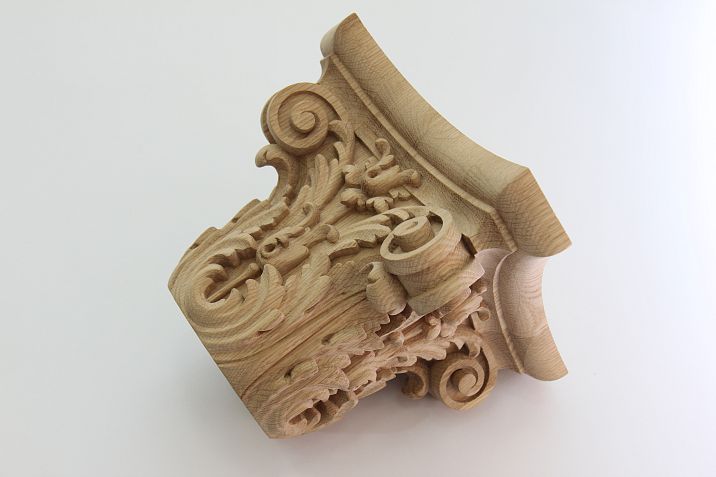
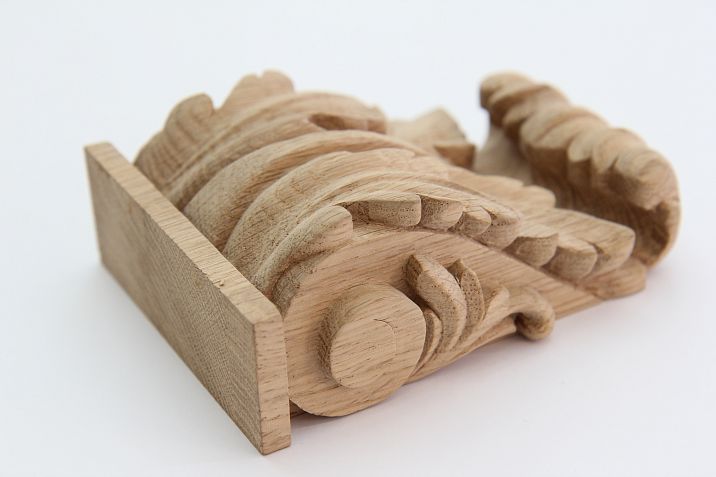
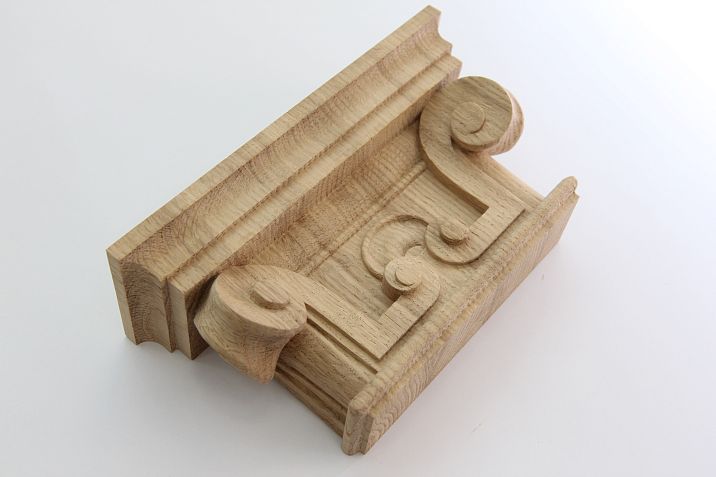
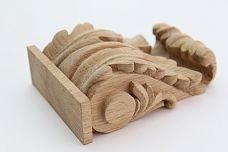
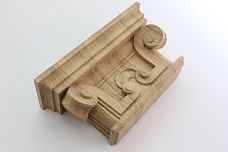
Architecture is not only the functionality of buildings, but also their aesthetics, harmony, and uniqueness.Architectural Details play an important role in creating the unique appearance of buildings, façades, and interiors. They can be decorative or structural, highlighting the style and era of construction. In this article, we will examine the main types of architectural details, their role in building decoration, and tips for choosing suitable elements.


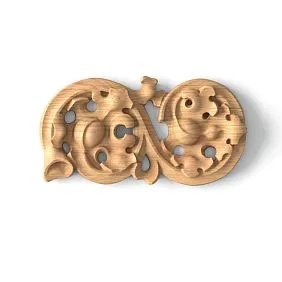

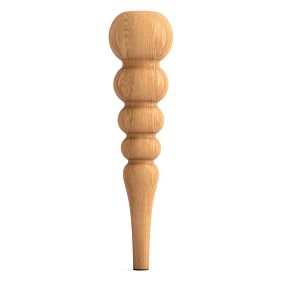
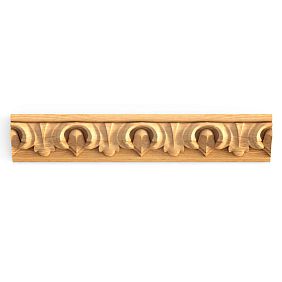

What Are Architectural Details and Why Are They Needed?
Architectural details are elements of buildings that serve decorative or structural functions. They can be external, decorating façades and roofs, or internal, adding style and accents to interiors.
Main Functions of Architectural Details:
- Aesthetic:
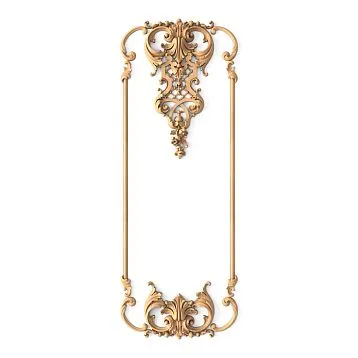
Decorating the building, drawing attention to its unique features, distinguishing it from other structures. For example, exquisitearchitectural wooden details add warmth and charm to façades. - Functional:
Many details, such as cornices, columns, or brackets, serve not only decorative but also structural roles, ensuring stability or protecting walls from rain. - Historical:
Decorative elements often reflect the era and style of the building's construction. For example, architectural styles and their details can tell us about the fashion trends of their time. - Space Zoning:
Internal elements, such as moldings, stucco, or decorative panels, help visually distinguish zones within interiors.




Why Is the Right Choice of Details Important?
Correctly selectedallow not only to emphasize the style of the building, but also to harmoniously integrate it into the surrounding environment. For example, for a classical house, columns, cornices, and pilasters are ideal, whereas for modern buildings, more minimalist and streamlined forms are preferable. Tips for selection:
● Consider the overall style of the building or interior.
● Pay attention to proportions. Large elements will dominate in small rooms, while small ones will disappear on large facades.
● Choose durable materials, especially for facade decoration.
Choose durable materials, especially for facade decoration.
Our factory also produces:

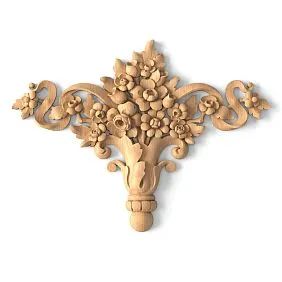


Types of architectural details
The variety of architectural details allows designers and architects to create a unique appearance for each building. Each detail carries both decorative and functional loads. From massive columns to delicate moldings – all these elements form the exterior appearance and style of the structure. Let's consider the main types of architectural details and their characteristics.
1. Architectural details of facades
Architectural details of building facades are key elements that define the appearance of the structure. They may include cornices, columns, pilasters, moldings, and decorative panels.
● Cornices: These horizontal elements located at the top of the facade protect walls from precipitation and visually separate floors.
● Columns and pilasters: Classical elements that give the building monumentality and emphasize its symmetry.
● Decorative panels: Used to decorate facades, create accent zones, or highlight the entrance area.
Example of use:
On the facade of a country house, you can place a carved cornice, complement it with pilasters at the corners of the building, and decorate the central part with decorative panels.
2. Architectural details of walls
Internal and external walls of buildings are often decorated with decorative elements such as moldings, panels, and stucco.Architectural details of walls can be either classical or modern, depending on the overall interior style.
● Stucco: Traditional ornaments decorating walls and ceilings, suitable for classical interiors.
● Moldings: Horizontal or vertical strips that create visual accents or divide surfaces.
● Panels: Used to decorate accent zones or add texture to walls.
Example of use:
In a living room with a high ceiling, you can use moldings to create frames on the walls, place paintings or mirrors within them, and complete the composition by adding stucco around the perimeter of the ceiling.
3. Architectural details of columns
Architectural details of columns are elements that emphasize the style and status of the building. Columns come in various shapes and designs, adorned with bases, capitals, and fluting.
● Column bases: Foundations of columns that add structural strength and serve as decorative elements.
● Capitals: Upper parts of columns, often adorned with carving or stucco.
● Fluting: Vertical grooves on the surface of columns that give them elegance and slenderness.
Example of use:
For the facade of a classic mansion, columns with ornate capitals and decorative bases can be used.
4. Architectural wooden details
Wooden elements are universal and warm decorative solutions suitable for facades and interiors. architectural wooden details used in classical, rustic, and Scandinavian styles.
● Carved panels and appliqués: Add texture and uniqueness to facades and walls.
● Decorative beams: Used for ceilings and walls, creating an atmosphere of coziness.
● Brackets: Serve both as structural and decorative elements.
Example of use:
In the living room interior, decorative beams can be placed on the ceiling, walls can be adorned with wooden panels, and brackets can be added to emphasize the style of the room.
Get Consultation
5. Architectural details of cathedrals and churches
Sacred architecture has always been special: its details reflect spirituality, grandeur, and artistic craftsmanship. Architectural detail of a cathedral or church – is not just decoration, but an element carrying deep symbolism. These buildings are distinguished by their uniqueness and mastery in executing details, from stained glass to domes.
1. Details of churches and their symbolism
Architectural elements of churches emphasize the sacredness of space. They create an atmosphere of grandeur and spiritual harmony.
● Domes:
One of the main elements of church architecture. Their shape symbolizes the heavens and spiritual ascent.
● Iconostases:
Carved wooden iconostases are not only a functional part of the church but also its main decoration.Architectural details of a church include exquisite carving and complex ornaments.
● Portals:
Entrances to churches are usually adorned with arches and carved details, emphasizing the importance and solemnity of entering a sacred place.
Example of use:
During church restoration, its interior can be enhanced with carved iconostases and wooden panels, preserving historical accuracy while adding elegance.
2. Features of cathedral details
Cathedrals, as larger buildings, differ in architectural form complexity and numerous decorative elements.
● Flying buttresses and counterforts:
These structural elements are characteristic of Gothic cathedrals. They ensure the stability of the building and are adorned with decorative carving.
● Stained glass windows:
One of the most impressive adornments of cathedrals. Stained glass windows, executed in traditional style, transform light into vibrant hues, filling the space with spiritual energy.
● Decorative cornices and arches:
Thesearchitectural forms and details emphasize the symmetry and harmony of the facade.
Example of use:
In modern construction or restoration projects of cathedrals, carved decorative elements can be used to decorate arches and domes.
3. Role of architectural details in preserving spiritual heritage
Details of churches and cathedrals not only decorate buildings but also preserve cultural heritage. They convey the craftsmanship of wood carving, stucco, and other decorative techniques used for centuries.
Modern approaches:
● Use of natural materials, such as wood and stone.
● Reconstruction of historical elements using modern technologies.
● Ordering custom carved and stucco details to match authenticity.
6. Architectural interior details: art in the details
Architectural interior details are an indispensable part of decorating any room, giving it completeness, uniqueness, and style. These elements play a key role in creating a harmonious space, emphasizing the overall design.Architectural interior details include various decorative elements used to decorate walls, ceilings, furniture, and even doorways.
1. Stucco: classic beyond time
Stucco decorations are one of the most popular types of architectural details, used to decorate ceilings, walls, and fireplaces.
● Ceiling stucco:
Cornices, rosettes, moldings help give the space elegance. These elements are especially relevant in classical interiors.
● Stucco panels:
Used for zoning space or highlighting accent areas. They can be adorned with complex ornaments that emphasize the style.
● Mirror frames:
Stucco around mirrors or paintings adds refinement to the room.
Example of use:
In a classical living room, stucco on the ceiling with a rosette in the center creates a harmonious composition, complementing elegant chandeliers.
2. Decorative panels: practicality and beauty
Decorative panels are a universal tool for interior decoration. They suit both walls and ceilings, combining aesthetic and functional loads.
● Wooden panels:
They are used to create a cozy atmosphere in rooms.architectural wooden details especially popular in rustic or country-style interiors.
● Polyurethane panels:
Lightweight and durable, they suit modern interiors. Due to the possibility of painting, they are easily adaptable to the room's color scheme.
Soundproof panels:
The ideal choice for those who value silence and comfort.
Example of use:
In the bedroom, decorative wooden panels on the wall behind the headboard create an accent and visually highlight this area.
3. Carved furniture elements
Architectural interior details are not limited to walls and ceilings. Carved elements are also used to decorate furniture.
● Carved appliqués on cabinets:
Add individuality and emphasize style.
● Decorative legs and brackets:
Used in tables, chests, and bookshelves.
● Door decorations:
Carved door panels or appliqués make the interior richer.
Example of use:
A classic dining table with carved legs and decorative top becomes the central element of the dining room.
4. Moldings: delicate accent lines
Moldings are a universal element that can be used in any interior.
● Horizontal moldings:
Help visually divide walls into sections, which is especially useful for high ceilings.
● Vertical moldings:
Add dynamism and visually increase wall height.
● Framed compositions:
Used to create decorative inserts, for example, for paintings or mirrors.
Example of use:
In a minimalist room with monochromatic walls, molding in the form of frames adds interest and makes the design more complex.
5. Lighting as part of decoration
Lighting is an essential part of interior architectural details. Chandeliers, wall sconces, and spotlights can not only serve as light sources but also as decorative accents.
● Chandeliers with stucco:
Central composition that highlights the room's style.
● Panel backlighting:
Helps highlight the texture and color of decorative elements.
Example of use:
In the hallway, backlighting decorative polyurethane panels creates a cozy and stylish space.
7. Architectural details of building facades: beauty and functionality
The facade of a building is its face, which first attracts attention. Architectural details of building facades not only enhance the building's exterior appearance but also play an important role in its protection and longevity. These elements help emphasize the building's style, add expressiveness, and create a harmonious impression.
Eaves are horizontal protrusions located at the top of facades. They can be adorned with ornamentation, relief, or carving.
These elements emphasize the lines of the building, dividing it into tiers or floors.
● Decorative eaves:
These elements emphasize the lines of the building, dividing it into tiers or floors.
● Eaves with functional load:
Their main purpose is to divert rainwater from walls, protecting the facade from damage.
Example of use:
On the facade of a country house, eaves with intricate relief divide floors, and above windows they create decorative accents.
3. Columns and pilasters: symbols of grandeur
Columns and pilasters are among the most recognizable architectural details. They are used not only in classical but also in modern styles.Architectural details of columns They emphasize the elegance and harmony of facades.
● Columns:
Massive elements that can be smooth or adorned with fluting.
● Pilasters:
Flat vertical elements protruding from walls and creating an illusion of columns.
Example of use:
The entrance area is framed by columns with carved capitals, and pilasters adorn the corners of the building, adding strict symmetry to the facade.
4. Decorative panels and overlays
Decorative architectural detail in the form of panels or overlays is used to create accent zones on the facade.
● Polyurethane panels:
Lightweight and durable elements suitable for any climate region.
● Wooden overlays:
They add warmth and coziness to facades, especially in traditional and Scandinavian styles.
Example of use:
Decorative panels with ornamentation are placed around windows and doors, emphasizing their symmetry and style.
5. Brackets: beauty and support
Brackets are structural elements used to support projecting parts of the facade, such as eaves, balconies, or canopies. They often have a decorative character.Bracket — an architectural detailthat combines functionality and aesthetics.
● Carved brackets:
Often used in classical styles and can be adorned with complex ornamentation.
● Metal brackets:
Ideal for modern facades where minimalism and practicality are valued.
Example of use:
Brackets on the cottage facade support an awning over the entrance, complementing the cornice decoration.
5. Corner elements and window cornices
Corner elements help highlight the building's geometry, while window cornices are a classic technique that adds elegance.
● Carved corner details:
Look great on facades in Baroque or Empire style.
● Window cornices:
Used as a decorative element and additional protection from rain.
Example of use:
Carved corner elements decorate the brick facade of the house, while window cornices create a sense of completeness and finish.
6. Materials for facade decoration
Facade details are made from various materials, including wood, polyurethane, and plaster. Each material has its own advantages.
● Wood:
Warm, eco-friendly, ideal for country houses.
●聚氨酯:
Lightweight, strong, resistant to moisture and UV.
●石膏:
Classic for restoring historic buildings.
8. How to choose and order architectural details?
When choosing architectural details, it is important to consider many factors: building style, materials used, functional and decorative purposes.Architectural Details will help emphasize the uniqueness of your project, create a harmonious facade or interior appearance, and add elegance to the overall composition.
1. Determine the building's style
The first thing to consider when choosing architectural details is the building's style. Each architectural style has its own characteristics expressed through decorative elements used.
● Classic style:
It is characterized by molded decoration, columns, ornamental cornices, and symmetry.
● Modern style:
Preference is given to minimalist and functional details, such as minimalist panels and smooth moldings.
● Rustic or Scandinavian style:
are usedarchitectural wooden details, adding warmth and naturalness.
● Gothic or Baroque:
Suitable are carved elements, complex ornaments, stained glass.
Advice:
If you are unsure about your choice, consult specialists. On the websiteSTAVROS you can get a consultation and select elements perfectly matching your style.
2. Consider the material
The materials from which architectural elements are made play a key role in their durability, functionality, and aesthetics.
● Wood:
Suitable for creating facade and interior details, including carved panels, appliqués, and brackets. Features natural texture and eco-friendliness.
●聚氨酯:
Lightweight, strong material resistant to moisture and UV exposure. Excellent choice for facade decoration.
●石膏:
Ideal for creating moldings and cornices in classical style. Suitable for building restoration.
Advice:
For facade decoration, choose materials resistant to climatic effects. For example, polyurethane is ideal for finishing under any weather conditions.
3. Where to order architectural elements?
For those seeking high-quality decorative elements,STAVROS offers a wide range of products for facade and interior decoration.
● Product range:
The website features elements for facades, walls, and interiors, including columns, pilasters, cornices, brackets, and carved appliqués.
● Custom order:
If you need unique elements, the company provides the option to manufacture details based on custom sketches.
● Delivery:
Products are delivered throughout Russia, including the most remote regions.
4. How to place an order?
The process of purchasing architectural elements onSTAVROS is simple and convenient:
- Navigate to the catalog on the website and select suitable elements.
- Add items to the cart and place your order.
- Specify the delivery address and wait for confirmation.
- Receive the products and enjoy the results!
5. Advantages of purchasing from STAVROS
● High quality:
All products are manufactured according to modern standards.
● Easy ordering:
The online catalog allows you to quickly find the required element.
● Competitive prices:
STAVROS offers competitive terms for all clients.
● Ecological safety:
Use of natural materials and safe technologies.
Conclusion
Architectural elements are not just decoration—they are an essential part of a building’s design and structure. With them, you can emphasize style, create a harmonious space, and make a facade or interior unique. Choose quality and stylishArchitectural Details from STAVROS to bring your boldest ideas to life and inspire new projects!