












































































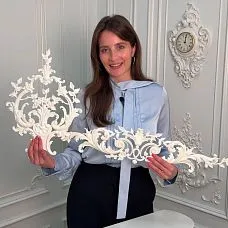
Molded decor NPU-499
Dimensions and Options
Have questions?
Customers also buy



Yulia Kh.
March 24, 2026
I was satisfied with the quality of the products; we purchased furniture legs. I would especially like to highlight the professionalism of manager Oksana—very client-oriented, competent, and precise specialist. She even arranged additional trimming of some elements as an extra service for us. Huge thanks!
Incognito 7.
March 24, 2026
One of the few firms that is pleasant to interact with on renovation matters. Adequate, responsive managers. Adherence to deadlines. Execution of even complex projects. Bravo! May there be more such firms!!
Marina D.
February 15, 2026
The company ordered the pens for us when we ordered furniture. But I decided to write a review personally because they are amazing! Stylish, expensive, high-quality!
More than 20 years on the market
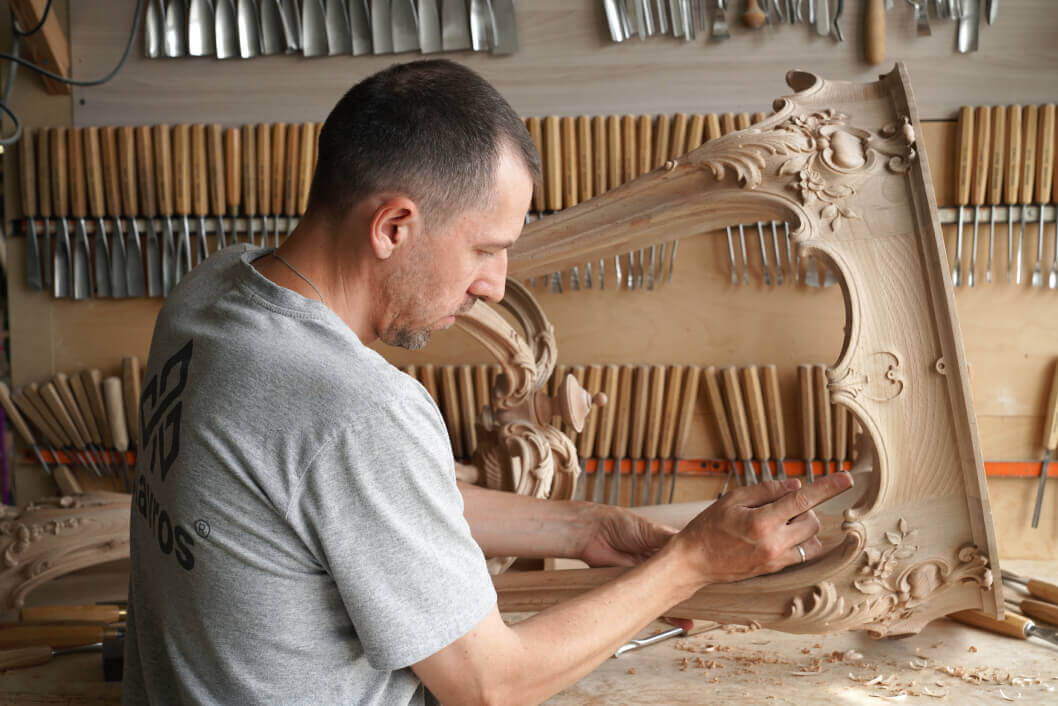
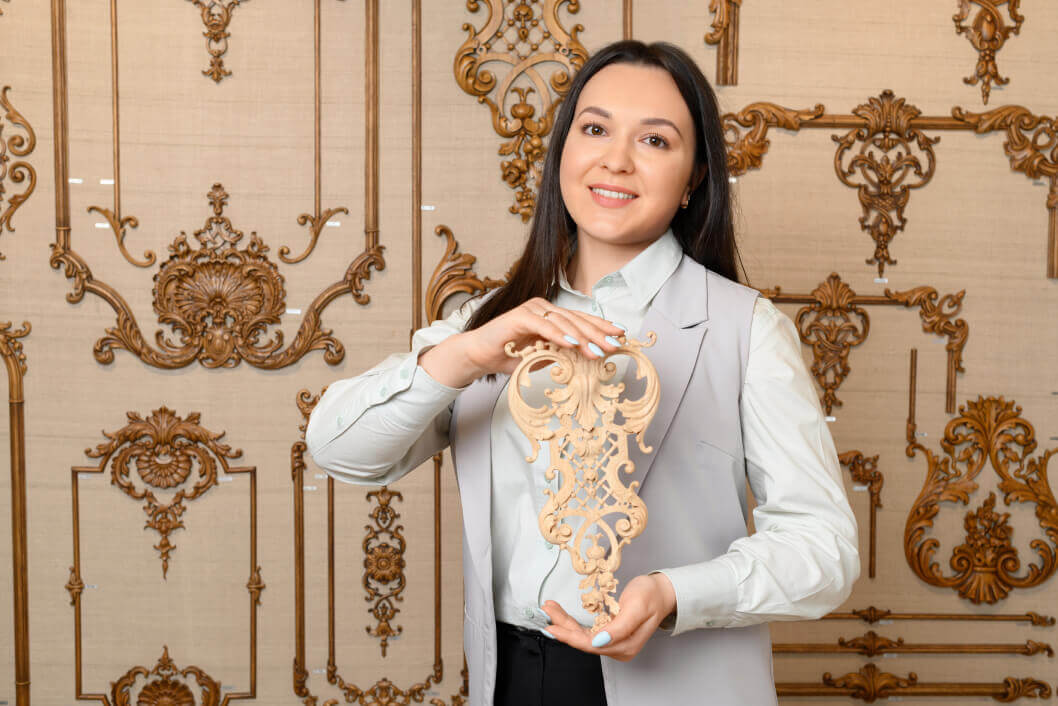
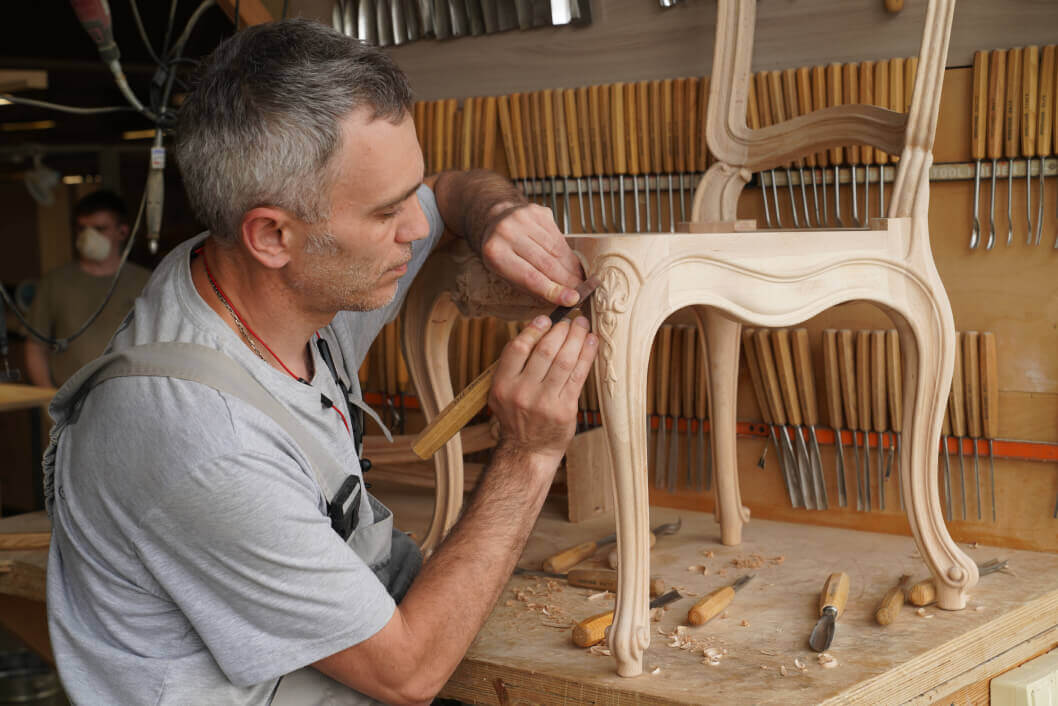
The company's success began in 2002, when two artists — Andrey Ragozin and Evgeny Tsapko — created a small creative workshop for producing wooden carved items. The masters' work was quickly noticed, and within a year they were invited to participate in the reconstruction of the Konstantinovskiy Palace in Strelna.
After the success of this project, the company focused on recreating palace interiors, furniture, church furnishings, and carved decorations in various artistic styles. They worked with cultural heritage sites: The Hermitage, the Alexandrovsky Palace, the Troitsko-Izmaylovsky Cathedral, the Sheremetyevsky Mansion, and many others.
The masters' task — and still is — to create wooden items with the highest level of detail and understanding of every element, based on impeccable knowledge of artistic laws and interior styles.
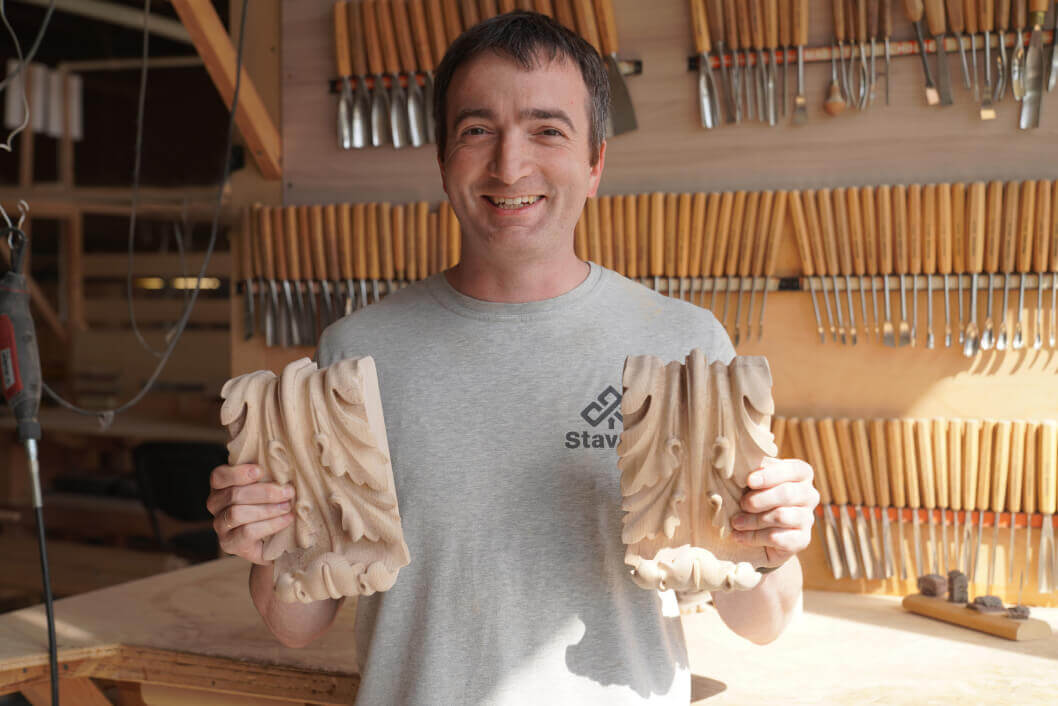
STAVROS Guarantees
Quality of products without complaints
We save your time, peace of mind, and budget
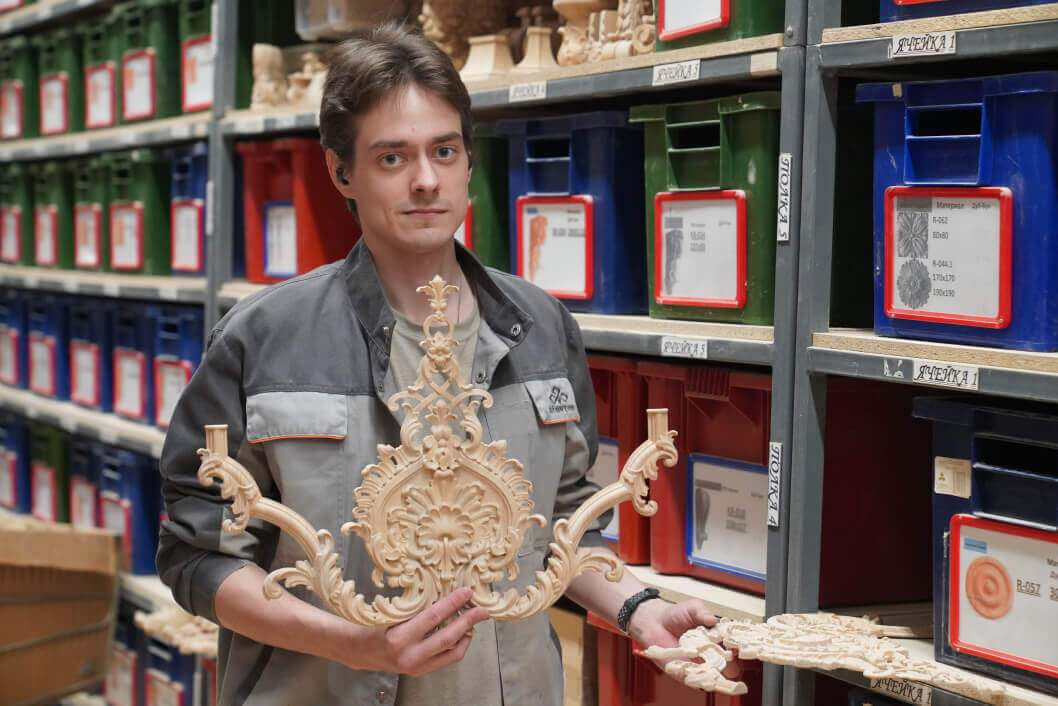
Large warehouse program
We solve your tasks with maximum speed
Adherence to production deadlines
Streamlined process reduces all risks
Delivery from 1 piece throughout Russia
Quality service regardless of order volume
Your positive business reputation
Reliable partner — the foundation of your business
More polyurethane molding products


Frequently asked questions
Our showrooms are located in Saint Petersburg and Moscow. Production is located in Saint Petersburg.
Moscow contacts: https://www.stavros.ru/contacts_all/?tab=msk
Contacts of Saint Petersburg: https://www.stavros.ru/contacts_all/?tab=spb
- Send request by email [email protected]
- Write to us at Telegram
- Write to us at WhatsApp
- Order by phone +7 (800) 555-46-75
- Visit our showroom in Saint Petersburg and Moscow
Yes, we ship orders throughout Russia and to CIS countries.
We cooperate with transportation companies such as СДЭК and DPD.
You can also arrange pickup of your order through any convenient transportation company for you.
Delivery cost depends on the size, weight of the item, and delivery address.
When placing an order, the delivery cost is calculated automatically and displayed as a separate line on our website.
Prices and availability of items on the website are always current. Data is updated daily.
Note: items in stock are stored on the warehouse in unpolished form and shipped within 3 working days.
If the item is not in stock, average production time: 5–10 working days.
This is the quality of polishing of the items.
Standard — machine polishing, at a more attractive price.
Prestige — detailed hand polishing, items do not require further work.
More details: https://www.stavros.ru/information/kachestvo/
This is the type of veneer of the items.
Under enamel: produced by gluing wooden laminates without color and texture matching. Contrast tonal and textural differences are noticeable. This blank should be chosen if the item is intended for opaque coating.
Under tinting: produced by gluing wooden laminates with color and texture matching. Tonal and textural differences may occur. This blank should be chosen if the item is intended for semi-transparent finish.
More details: https://www.stavros.ru/information/kachestvo/
Beech — dense, non-porous wood, most often used for items covered with enamel.
Oak — dense, porous wood with clearly visible natural grain. Due to its strength and decorative properties, it is often used in items with semi-transparent coating, highlighting the wood pattern.
Custom-made, if non-standard items are required, we can produce products from other types of wood, including blanks provided by the customer, manufactured according to our technical specifications.
All our furniture legs can withstand a vertical load of at least 100 kg.
Average production time for custom-made items: 5–10 working days.
Most items are stored on the warehouse in unpolished form. We need time to polish and pack orders.
Yes, we manufacture non-standard items according to individual projects, but we only accept orders with a minimum quantity.
We can manufacture items of the desired size, but we only work with bulk orders. For details, please consult the sales department manager.
Yes, some of our products can be used outdoors. For example, polyurethane items, as well as carved door casings made of pine.
Other items are produced to order using PUR glue, if minimum quantity is available. No warranty is provided for such products, as outdoor conditions are considered aggressive.
Yes, we paint items when ordering products for a total amount of 150,000 rubles or more.
- Dust removal. After sanding, the surface must be dusted.
- Priming. Apply primer in an even layer.
- Matting. After the primer has fully dried, the surface should be matted (lightly sanded for better adhesion).
- Finish coating. Apply finish coating: lacquer or enamel, in 2 layers, with interlayer drying.
More details: https://www.stavros.ru/information/sovety/
Apply adhesive to the decor. Place it on the surface and press briefly. Then, lift the decor from the surface and leave it open for 3–5 minutes. Press the decor firmly onto the surface and hold for 5–10 seconds.
More details: https://www.stavros.ru/information/sovety/
Ideally, you should prepare a design project before placing an order.
You can do this yourself by downloading drawings of our products from our website, or you can order a project from us.
If the number of decorative elements and fittings is small, our company's manager can assist you with selection.
Unfortunately, this service is not provided.
The packaging method depends on the type of items, but in each case, we ensure sufficient protection for safe transportation.
We most often use corrugated cardboard and stretch film. Fragile items are additionally secured on a rigid base to prevent damage during transport.
We ship all items starting from 1 piece.
Room measurements and item installation can be performed by our partners — carpentry companies represented in most regions of Russia.
Often searched in category Molded decor
2080
1698
1537
1349
347
244
83
Molded decor NPU-499 made of polyurethane — a decorative overlay for furniture, doors, and classic interiors
Classical ornament possesses one rare quality: it never goes out of style. Curls, shells, symmetrical leaf motifs — these forms have existed in European decorative art for centuries and continue to work in modern interiors with the same conviction as during the times of Empire or Baroque. It is precisely on this logic that theMolded decor NPU-499— a vertical decorative overlay made of polyurethane with an elegant symmetrical composition, including a characteristic shell in the upper part, smooth curls, and an elegant hanging detail at the bottom.
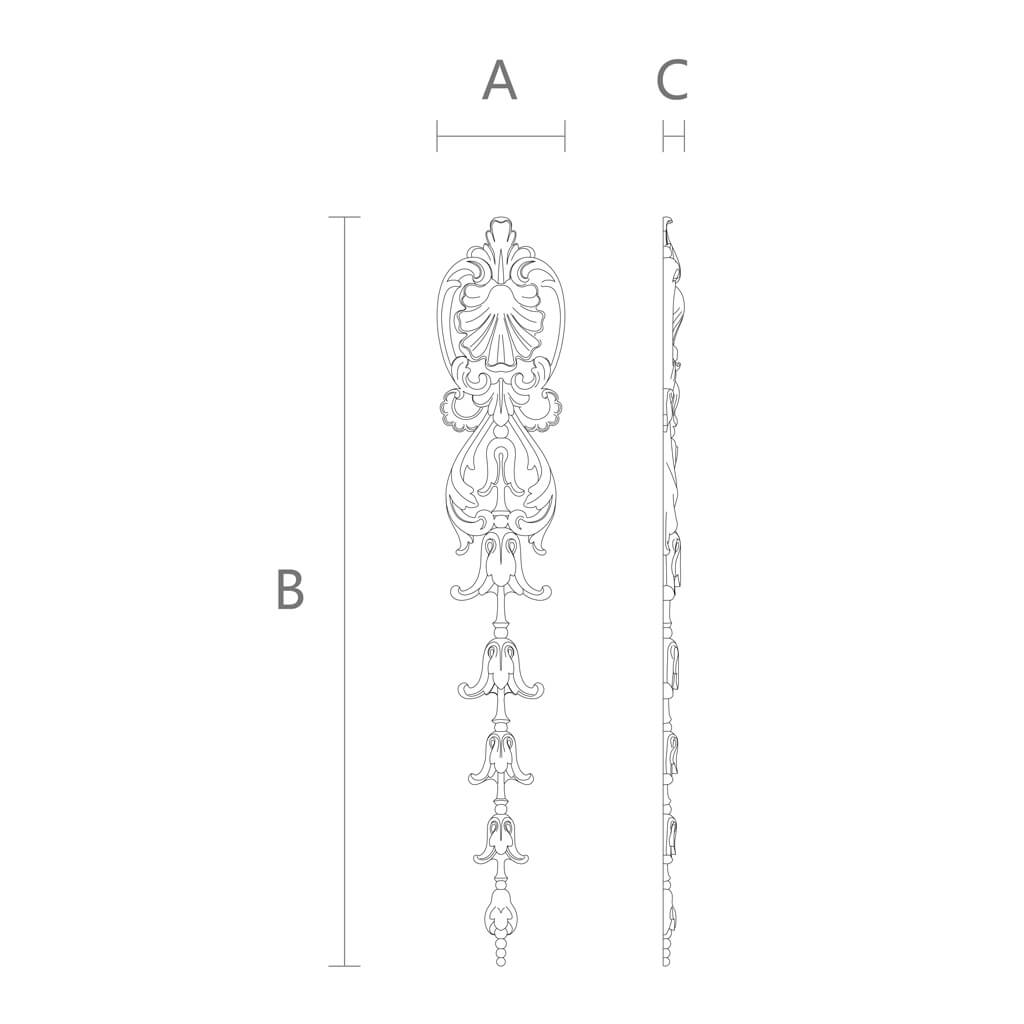
Product dimensions: 60 × 351 × 10 mm. Material: polyurethane. Production: STAVROS — a Russian manufacturer of decorative products made of wood, MDF, and polyurethane, whose products have been used in the restoration of significant historical sites in the country, including the Konstantinovsky Palace and the Hermitage. Production time: 3–7 business days. Delivery across Russia — via SDEK.
This is not a voluminous monumental stucco intended for grand enfilades.Decorative polyurethane overlay NPU-499— is an intimate, precise, well-calibrated element for those spaces where detail matters, not scale. Narrow, elongated, with a clearly readable relief — it works where an accent is needed without excessive weight, ornament without overload, classicism without pomp.
If you are engaged in interior design, updating furniture, restoring doors, or building a decorative system on walls — NPU-499 offers a solution that easily integrates into any of these scenarios. This is precisely what each section below covers — in detail, concretely, and to the point.
Design and Form of NPU-499: Anatomy of a Classic Ornament
What makes an ornament classic? Not just the presence of scrolls or leaves. A classic ornament is, above all, a system: a clear hierarchy of forms, symmetry, rhythm, and internal compositional logic. This is exactly the principle behind the NPU-499 pattern.
The product has an elongated vertical shape with a distinct three-part structure. The upper part is a shell: one of the most recognizable motifs in European classical decoration, found in Baroque, Rococo, Neoclassical, and Empire styles. The shell is symmetrical, its ribs radiate from the central axis, creating a characteristic fan-shaped relief. This motif is instantly read as 'classic' — without any additional explanation.
The middle part is the transition between the shell and the lower decorative element. Here, scrolls are placed — acanthus or volute-like, smoothly integrated into the vertical axis. The scrolls add movement, lightness, and a sense of growth from bottom to top to the product. It is they that create that decorative rhythm, thanks to which the ornament is perceived not as a static stamp, but as a living form.
The lower part is a pendant element. It completes the composition, giving it a sense of finish and 'weight'. Visually, this reads as a decorative earring or pendant — a characteristic technique in classic vertical overlays, referencing architectural garlands and hanging ornaments in 18th–19th century interiors.
A width of 60 mm and a height of 351 mm create a proportion of approximately 1:6 — a classic ratio for vertical decorative elements. This elongation makes the ornament unobtrusive: it does not take up much space on the surface, yet creates a full-fledged decorative accent. A thickness of 10 mm ensures a well-defined relief, sufficient for the play of light and shadow, without creating mechanical difficulties during installation and subsequent use of the object.
Symmetry is a key quality of this product in the context of application.Vertical molded decorNPU-499 is designed for symmetrical placement: two elements, positioned mirror-image on both sides of a furniture door or door leaf, create a complete decorative composition that is instantly perceived as intentional, stylish, and professionally executed work.
An important detail: the ornament of this model differs from purely floral motifs found in other overlays of the NPU series. The shell as the main motif makes NPU-499 more 'architectural' — closer to order decoration, to the tradition of architectural moldings and cartouches, rather than purely floral applied decorations. This means the product is especially organic in interiors featuring elements with architectural references: pilasters, cornices, profiles, arched openings.
Why Polyurethane is the Right Choice for Classic Decorative Elements
Before discussing application scenarios, we need to address the fundamental question: why polyurethane? What does this material offer where plaster, stone, or wood were traditionally used?
The answer begins with understanding the task. A polyurethane decorative overlay is not a load-bearing element, not a structural component. It serves an exclusively aesthetic function. This means its characteristics should be evaluated precisely from the perspective of decorative practice: how it is installed, how it looks, how it behaves during use, how difficult it is to repaint or replace.
Precision reproduction of complex forms. Polyurethane is cast in precise molds, allowing for high-detail reproduction of all elements of a complex ornament—the ribs of a shell, the facets of scrolls, transitions between planes. No manual craftsman working with plaster can reproduce one item twice with identical precision. Polyurethane does. Every NPU-499 specimen is identical to another in all pattern parameters.
Light weight. An item measuring 60 × 351 × 10 mm weighs grams. This means no mechanical fasteners are required to attach it to a vertical surface—only mounting adhesive. One hand holds the overlay in the desired position, the other controls the pressure. No dowels, no risk of damaging the furniture surface or door panel.
Resistance to household conditions. A living space is not a museum. There are temperature fluctuations with open windows, humidity changes during cooking, accidental touches and impacts. Polyurethane is resistant to all of the above: it does not deform under moderate mechanical loads (possesses a certain elasticity), does not absorb moisture, and does not react to household climate fluctuations.
Ease of painting and repainting. Polyurethane molding accepts any modern paint and varnish materials—acrylics, alkyd enamels, decorative coatings. The product is supplied already primed, meaning it is ready for the application of a finishing coat without additional processing. If it is necessary to update the color—the overlay can be repainted right on the mounted surface: sand lightly with fine sandpaper for adhesion and apply a new coat of paint.
Durability compared to plaster. Plaster items chip along the edges of the relief upon impact—this is well known to anyone who has ever worked with plaster molding. Polyurethane, under similar impact, deforms elastically, without chipping. In residential spaces with normal operating conditions, polyurethane decorative overlays last for decades without changing appearance.
For more details on comparing materials for moldings and overlays—see the articleMDF or polyurethane for moldings on the STAVROS website, where the characteristics, durability, and cost of each option are examined in detail.
Where to use NPU-499 molded decor: from furniture to architectural details
This is the central question for any decorative overlay: not 'what is it,' but 'where to place it.' The answer to this question determines whether the product becomes a tool for creating style or remains in a box waiting for the 'right moment.'
NPU-499 is a product with a wide range of applications. Its vertical format, classic ornament, and compact size make it suitable for a variety of contexts. Let's examine each in detail.
For furniture fronts
Furniture fronts are historically the main platform for decorative overlays. This is where such elements first appeared: on the doors of buffets, dressers, kitchen cabinets, wardrobes—anywhere where an MDF or chipboard surface needed to be transformed into something more than just a painted plane.
NPU-499 for furniture fronts works in several formats.
The first is a single central accent. The overlay is mounted along the axis of symmetry of the front, strictly in the center. Visually, this reads as a medallion or cartouche—an independent decorative unit that completes the front. This technique is suitable for tall single-door cabinet fronts, on chests and dressers with one door.
The second is a symmetrical paired composition. Two NPU-499 elements are placed on either side of the central axis: mirrored or at an equal distance from the side edges. This system is particularly expressive on wide double-door fronts—for example, on large cabinets or wall units. Four overlays on two doors create a complete ornamental rhythm, which in furniture production is one of the hallmarks of the classical school.
The third is a vertical strip. Two NPU-499 elements are placed one above the other with a small gap or flush, forming a vertical decorative strip about 700 mm high. This solution is for tall fronts (900 mm and above), where a single overlay would look 'lost' on a large plane.
On buffets, display cases, and kitchen units in classic design, NPU-499 is especially organic in combination with frame layouts—thin profile strips forming a 'picture frame' around the central part of the front. The overlay occupies the inner space of the frame, acting as its meaningful center.
For doors and door panels
Interior doors are the second most significant object of application for such overlays. The reason is simple: it is doors in a classic interior that carry a rich decorative load. Historically, door panels were decorated with profiles, layouts, and applied ornaments—this distinguished formal rooms from utilitarian ones.
Modern interior doors mostly lack this detailing: a smooth panel, a frame, a handle. This is precisely what creates space for applying overlays.Molded decor NPU-499allows transforming a standard door panel into an element carrying stylistic information in just a few hours.
Classic scheme: two NPU-499 elements symmetrically, with equal indents from the side edges of the panel, at the level of the upper third of the door. This reproduces the traditional structure of a decorated door panel with upper panels. Below, you can add molding frames or horizontal layouts — and the door acquires a finished classic look without replacing the panel itself.
For doors with mirror inserts, NPU-499 works as a decorative element above or on the sides of the mirror: it creates an ornamental context for the mirror surface, turning a functional insert into an independent decorative program.
For wall panels and decorative layouts
In interiors where walls are decorated with wooden or MDF panels with molding division, NPU-499 acts as decorative filling for the 'fields' — rectangular zones bounded by a molding frame. Without ornament, such a field is simply a painted plane inside a frame. With NPU-499 in the center — a finished ornamental cell.
This is exactly how a classic decorative wall system is built: moldings form an architectural grid, applied ornaments fill it with content. This is a principle that was used in European palace interiors and which is now implemented in residential houses with any budget — because polyurethane products are affordable and easy to install.
The principles of constructing such layouts are described in detail in the articlePolyurethane wall moldings: constructing picture frames and panelson the STAVROS website — this is essential reading for those planning systematic wall decor.
For mirrors, niches, and interior framing
A mirror in the hallway, a mirror in the bedroom above a dressing table, a mirror in the bathroom — each of them needs a frame that matches the overall style of the room. NPU-499 as a side vertical element of a mirror frame adds ornamental density to the framing: two products on both sides of the frame create the effect of paired decor, inherent in classic mirror consoles and dressing tables.
In decorative niches—architectural recesses in the wall—NPU-499 works as an accent element on the back plane of the niche or on its side walls. This gives the niche 'interior content,' transforming it from a structural element into a decorative object.
Fireplace portals are another application context. Above the mantel, on the side posts of the portal, in the lower zones of pilasters—the vertical classic decorative element NPU-499 fits organically into the architecture of the fireplace ensemble.
Size 60 × 351 × 10 mm: what is the practicality of this specific format
The question of size is always a question of proportion. A decorative element must correspond to the scale of the object on which it is placed. Too large—it overwhelms. Too small—it gets lost. NPU-499 with its dimensions of 60 × 351 × 10 mm falls into the 'working zone' for most standard application objects.
A width of 60 mm is slightly wider than that of NPU-498 (41 mm), making the ornament pattern more legible and detailed. The shell at the top, scrolls in the center, pendant element at the bottom—all three components have sufficient space for the full unfolding of the form. At the same time, 60 mm is still a 'narrow overlay' by decorative element standards: it does not take up much space, does not overload the surface, and leaves room for adjacent decorative elements.
A height of 351 mm is practically 35 cm. It is precisely this height that allows the ornament to have a full three-part structure: an upper accent (shell), a middle part (scrolls), and a lower finish (pendant). Compared to shorter overlays, NPU-499 looks more substantial—it occupies a significant portion of the height of a typical furniture door, without requiring vertical pairing.
On a furniture front with a height of 700 mm, one overlay with a height of 351 mm will be positioned exactly in the center with equal top and bottom margins—this is the ideal proportion. On a front with a height of 900 mm—with small margins that only emphasize the independence of the ornamental element.
A thickness of 10 mm is the minimum for good relief. It allows the shell, scrolls, and pendant to be read as three-dimensional under side lighting, creating that play of light and shadow that makes a classic ornament come alive. At the same time, 10 mm does not create problems when opening doors and drawers—the overlay does not protrude beyond the plane of the front enough to touch an adjacent part.
A narrow vertical polyurethane overlay of this format is precisely a tool for the 'final touch,' not for the 'main statement.' It completes the decorative system, rather than starting it. This is important to understand when planning an interior project: NPU-499 works best as part of a well-thought-out decorative program, not as the sole ornamental accent on an empty surface.
What elements to combine NPU-499 with: a systematic approach to classic decor
A good interior element does not exist in a vacuum. It is part of a language — and this language is either coherent or it is not. That is why the question of compatibility is so important when choosing any decorative overlay.
Moldings. These are the first and main partner for NPU-499. Moldings form a framing system on walls and furniture facades; the overlay occupies the inner space of the created frame. For maximum harmony, it is recommended to use polyurethane moldings from the same production series — this guarantees a match in material, behavior during painting, and the visual character of the relief. The articlePolyurethane moldings for walls and ceilings: types and installationwill help you figure out how to choose the right profile.
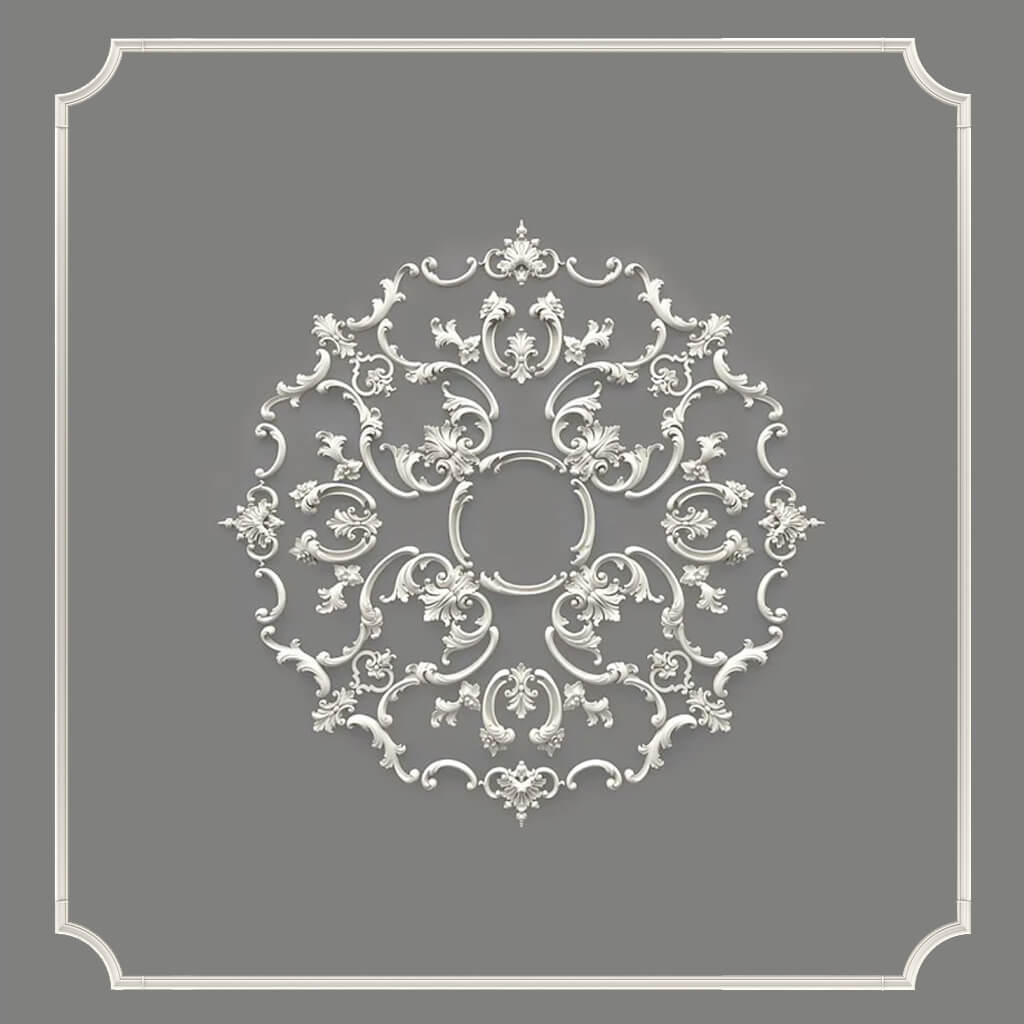
Rosettes and other overlay elements. In the systematic decor of a classic interior, each type of surface receives its own ornamental 'vocabulary'. The ceiling — rosettes and cornices. Walls — molding panels with overlays. Furniture — frames and ornaments. NPU-499 takes its place in this system as an element for walls and furniture, whiledecorative rosettes and other elementsSTAVROS work in other zones of the same interior.
Other overlays in the NPU series. In the STAVROS line of vertical and shaped overlays, NPU-499 combines well with products of a smaller scale — for example, with corner inserts or short ornamental elements that are placed in the corners of molding frames. The full catalog of compatible items is inthe polyurethane decorative overlays section.
Symmetrical paired compositions. In the classical decorative tradition, symmetry is the law. Two NPU-499 elements, placed mirroring each other, immediately create a sense of an intentional, professionally executed solution. This works on furniture (two elements on one door), on a door (two elements on both sides of the door leaf), on a wall panel (two elements in different 'fields' of a symmetrical layout).
Classical-style furniture hardware. Ring-shaped handles, hinge overlays with ornament, keyhole rosettes — all of this is the language of classical furniture, with which NPU-499 speaks the same dialect. When decorating furniture, it is important to achieve stylistic unity: the ornament of the overlay should match the style of the hardware. For items in classic and neoclassical styles — these are shells, scrolls, leaves, acanthus.
Color palette. NPU-499 accepts any color of the finish coating. Classic options: white (ivory, milk) — maximally universal, works on any background; gilding (gold leaf or decorative) — for interiors with gold accents in hardware and textiles; painting to match the facade color — for a monochrome solution, where the ornament is perceived as a tonal relief, not as a contrasting detail; dark shades — for modern classic interiors with dark furniture.
Installation and care: simple, predictable, durable
Installing a decorative overlay is not a repair. It is a finishing operation that requires care but no special skills. A few practical steps determine the quality of the result.
Step one: marking. Before opening the glue tube, you need to precisely determine the position of the overlay on the surface. Use a pencil and ruler to make light guide marks on the surface. For symmetrical placement on a furniture front, find the vertical axis and mark the center points for each element. Painter's tape along the contour of the future overlay position will help control accuracy during pressing.
Step two: surface preparation. The installation area must be clean, dry, and degreased. Wipe the surface with acetone or isopropyl alcohol. If the surface is coated with glossy varnish, light sanding with fine sandpaper will improve adhesion.
Step three: applying glue. Mounting adhesive for polyurethane products is applied to the back of the overlay in a thin, even layer around the perimeter. For a small NPU-499 item, perimeter application is sufficient; if necessary, add one or two dots in the center.
Step four: fixation. Place the overlay on the surface, aligning it with the markings, and press with even pressure. Hold for 1–3 minutes until the adhesive initially sets. If necessary, secure with painter's tape during the full curing time (12–24 hours).
Step five: finishing. Gaps around the perimeter, if necessary, are filled with a thin layer of acrylic sealant or putty, sanded, and painted along with the overlay. This ensures a visual 'integration' of the overlay into the surface—without a noticeable seam between the ornament and the base.
Care during use. Polyurethane decorative overlays do not require special care. Wiping with a damp cloth is sufficient. Household cleaning products without aggressive solvents will not damage either the polyurethane surface or the paint coating. Repainting during interior updates involves light sanding of the existing coating and applying a new layer of paint without removal.
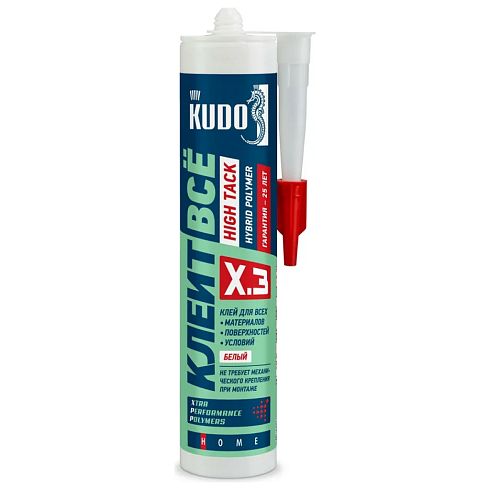
Note: On the STAVROS product page, in the 'Frequently bought together' section, KUDO mounting adhesive is recommended among the top items—specifically selected as a material compatible with polyurethane. Using specialized adhesive eliminates the risk of chemical interaction with the product surface and ensures maximum durability of the fastening.
Why choose the NPU-499 molded decor
Let's get straight to the point. NPU-499 is a polyurethane decorative overlay that does exactly what it's designed to do: it adds a classic ornamental accent to the surface of furniture, doors, wall panels, or mirrors — reliably, neatly, and with a good visual result.
The expressive vertical form with a three-part structure (shell — scrolls — pendant) creates an ornament with a clear hierarchy and classical logic. Dimensions of 60 × 351 × 10 mm ensure proportionality to typical application objects without visual overload. Polyurethane as a material guarantees pattern precision, durability, resistance to household conditions, and ease of installation without special tools. The primed surface is ready for final painting in any color — immediately, without additional preparation.
STAVROS production handles this item in a custom format with a lead time of 3–7 business days. Delivery is available across Russia via SDEK.
The full range of vertical and shaped polyurethane decorative overlays, including various sizes and ornamental programs, is available in theSTAVROS molding decor catalog.
Answers to frequently asked questions (FAQ)
Where can the NPU-499 molding decor be installed?
On any flat, prepared surface: furniture fronts (cabinets, dressers, nightstands, sideboards, kitchen sets), interior door panels, decorative wall panels, mirror frames, decorative niches, fireplace portals. Installation is done using an adhesive method — without drilling or mechanical fasteners.
Is NPU-499 suitable for furniture?
Yes, this is one of the primary application scenarios. On furniture fronts, the model works in a single central placement or in a paired symmetrical composition. It is especially organic on furniture fronts in classic, neoclassical, Provence, and country styles. When placed inside a molding frame, it creates a complete decorative motif.
Can NPU-499 be used on a door?
Yes. On smooth interior doors, a vertical overlay with a classic pattern transforms a standard panel into a decoratively rich element. Two items symmetrically in the upper third of the door panel is the most common scheme. Installation on the door is done with adhesive without risk of damaging the panel.
Is this decor suitable for a wall panel?
Yes. In wall panels with molding division, NPU-499 serves as a decorative center within the frame. Especially organically in living spaces with classic interiors. Combines withpolyurethane wall moldings STAVROS.
For which interior style is the shell and scroll ornament suitable?
Primarily — classic, neoclassical, empire, baroque in modern interpretation, provence, country. With neutral white coloring matching the surroundings — it fits organically into contemporary and Scandinavian styles with classic references. The main criterion: the style must allow for an ornamental detail — then NPU-499 will look appropriate.
Can NPU-499 be used singly or is it better in a pair?
Both options work. A single item — an accent in the center of a surface; suitable for narrow objects (narrow door, nightstand). Paired — a symmetrical composition, conveying a classic ornamental rhythm; suitable for wide facades, door panels, wall panels. Paired placement is visually more convincing but requires precise marking for perfect symmetry.
Why is polyurethane convenient for decorative overlays?
Light weight (installation without mechanical fasteners), accurate reproduction of complex ornament, resistance to household conditions, compatibility with any paints and enamels, possibility of repainting without dismantling, durability without the fragility typical of plaster on relief edges. This is not a budget substitute for plaster, but an independent and in some cases more practical material for decorative interior elements.
How to combine NPU-499 with moldings and other decorative elements?
Moldings form a framing system — the NPU-499 occupies its interior space as an ornamental center. When selecting a molding, it is important to maintain stylistic consistency: the molding profile should be classical, without modern angular solutions that would contrast with the ornamentation of the shell and scrolls. Additional corner inserts in the framing system and other overlay elements of the NPU series allow for the creation of a multi-layered decorative program.
Is special surface preparation required before installation?
The surface must be clean, dry, and degreased. For glossy surfaces — light sanding with P150–180 grit sandpaper to improve adhesion. No priming of the base is required — a clean and matte surface at the attachment point is sufficient.
Can the overlay be repainted after installation?
Yes. Sand the existing coating with fine sandpaper (for adhesion of the new layer), apply primer if necessary, and paint with acrylic or alkyd enamel. Polyurethane accepts repainting well and does not require special primers or paints.
How long does production take?
The average production time is 3–7 working days from the moment of order confirmation. The product is made to order, which guarantees current quality without long-term warehouse storage. After production — delivery across Russia via SDEK within timeframes depending on the region.
Where can I see other models of vertical decorative overlays?
The full range of vertical and shaped polyurethane overlays STAVROS is presented in thecatalog of square, round, and vertical overlaysThere you can also select matching elements for a complete decorative system.
Your request has been sent!
Our manager will contact you within 5 minutes