












































































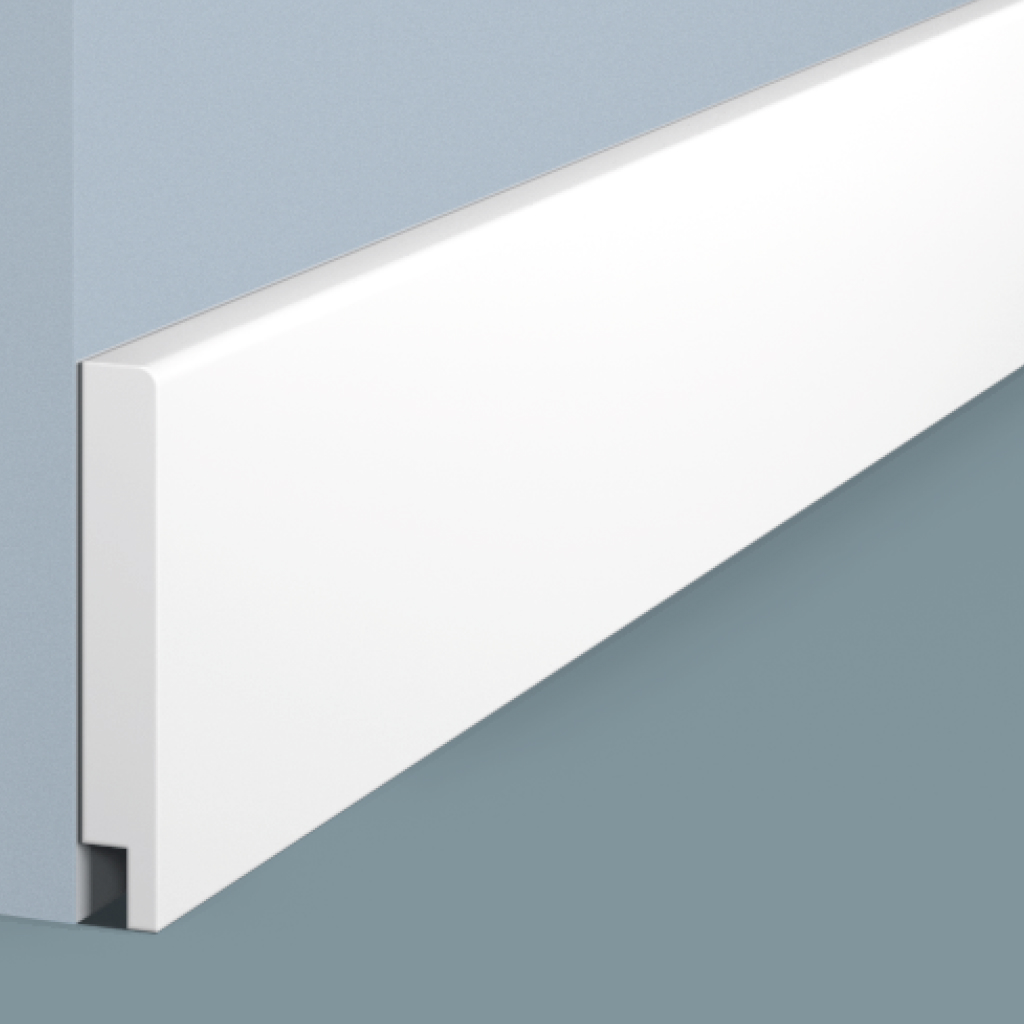

Baseboard B70N polystyrene HIWOOD 70mm x 10.5mm x 2.0m without stripe
Dimensions and Options
Have questions?
Customers also buy

Polina Sh.
February 4, 2026
Went on a tour. To say I'm delighted is an understatement. The largest production facility in Russia, impressive in its scale and dedication to the craft! It was very interesting and informative. You can immediately see - true masters of their trade! We were welcomed in the best possible way, were polite...
Elena B.
January 29, 2026
Thank you for always having a magnificent assortment and the possibility of manufacturing standard products to non-standard, individual dimensions. Special thanks to manager Oksana for her efficiency and quality of services provided.
Elena K.
January 27, 2026
The moldings are high-quality and beautiful, they were packaged very securely, I will order again, I liked everything!
More than 20 years on the market
The company's success began in 2002, when two artists — Andrey Ragozin and Evgeny Tsapko — created a small creative workshop for producing wooden carved items. The masters' work was quickly noticed, and within a year they were invited to participate in the reconstruction of the Konstantinovskiy Palace in Strelna.
After the success of this project, the company focused on recreating palace interiors, furniture, church furnishings, and carved decorations in various artistic styles. They worked with cultural heritage sites: The Hermitage, the Alexandrovsky Palace, the Troitsko-Izmaylovsky Cathedral, the Sheremetyevsky Mansion, and many others.
The masters' task — and still is — to create wooden items with the highest level of detail and understanding of every element, based on impeccable knowledge of artistic laws and interior styles.
STAVROS Guarantees
Quality of products without complaints
We save your time, peace of mind, and budget
Large warehouse program
We solve your tasks with maximum speed
Adherence to production deadlines
Streamlined process reduces all risks
Delivery from 1 piece throughout Russia
Quality service regardless of order volume
Your positive business reputation
Reliable partner — the foundation of your business
More products in the baseboard category
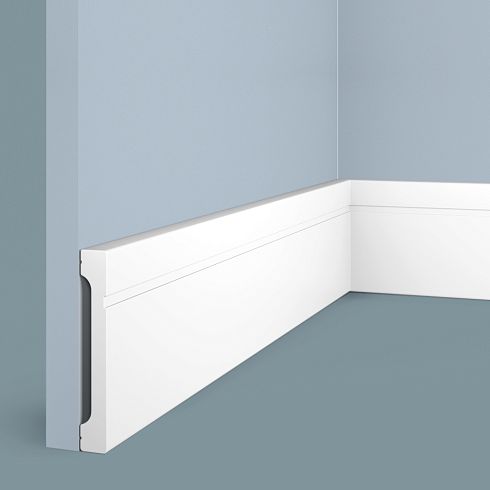
Baseboard B110V1L polystyrene HIWOOD 110mm x 16mm x 2.0m. L
22 $

Baseboard BA100 polystyrene HIWOOD 100mm x 17mm x 2.0m.
17.47 $

Baseboard W40V1 polystyrene HIWOOD 40mm x 10mm x 2.0m.
7.51 $

Baseboard BE100 polystyrene HIWOOD 100mm x 13.5mm x 2.0m.
17.47 $
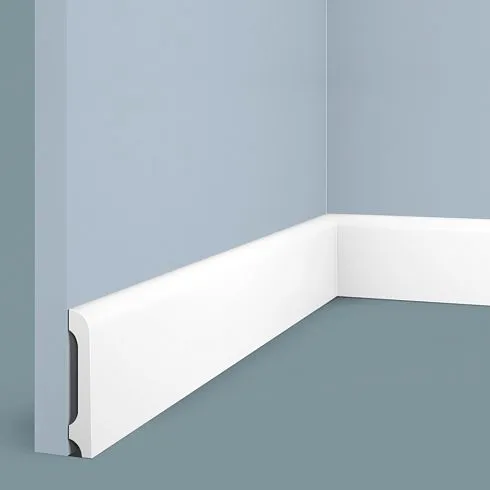
Baseboard B80B polystyrene HIWOOD 80mm x 14mm x 2.0m.
12.94 $
Frequently asked questions
Our showrooms are located in Saint Petersburg and Moscow. Production is located in Saint Petersburg.
Moscow contacts: https://www.stavros.ru/contacts_all/?tab=msk
Contacts of Saint Petersburg: https://www.stavros.ru/contacts_all/?tab=spb
- Send request by email [email protected]
- Write to us at WhatsApp
- Write to us at Telegram @STAVROS_manager
- Order by phone +7 (800) 55-46-75
- Visit our showroom in Saint Petersburg and Moscow
Yes, we ship orders throughout Russia and to CIS countries.
We cooperate with transportation companies such as СДЭК and DPD.
You can also arrange pickup of your order through any convenient transportation company for you.
Delivery cost depends on the size, weight of the item, and delivery address.
When placing an order, the delivery cost is calculated automatically and displayed as a separate line on our website.
Prices and availability of items on the website are always current. Data is updated daily.
Note: items in stock are stored on the warehouse in unpolished form and shipped within 3 working days.
If the item is not in stock, average production time: 5–10 working days.
This is the quality of polishing of the items.
Standard — machine polishing, at a more attractive price.
Prestige — detailed hand polishing, items do not require further work.
More details: https://www.stavros.ru/information/kachestvo/
This is the type of veneer of the items.
Under enamel: produced by gluing wooden laminates without color and texture matching. Contrast tonal and textural differences are noticeable. This blank should be chosen if the item is intended for opaque coating.
Under tinting: produced by gluing wooden laminates with color and texture matching. Tonal and textural differences may occur. This blank should be chosen if the item is intended for semi-transparent finish.
More details: https://www.stavros.ru/information/kachestvo/
Beech — dense, non-porous wood, most often used for items covered with enamel.
Oak — dense, porous wood with clearly visible natural grain. Due to its strength and decorative properties, it is often used in items with semi-transparent coating, highlighting the wood pattern.
Custom-made, if non-standard items are required, we can produce products from other types of wood, including blanks provided by the customer, manufactured according to our technical specifications.
All our furniture legs can withstand a vertical load of at least 100 kg.
Average production time for custom-made items: 5–10 working days.
Most items are stored on the warehouse in unpolished form. We need time to polish and pack orders.
Yes, we manufacture non-standard items according to individual projects, but we only accept orders with a minimum quantity.
We can manufacture items of the desired size, but we only work with bulk orders. For details, please consult the sales department manager.
Yes, some of our products can be used outdoors. For example, polyurethane items, as well as carved door casings made of pine.
Other items are produced to order using PUR glue, if minimum quantity is available. No warranty is provided for such products, as outdoor conditions are considered aggressive.
Yes, we paint items when ordering products for a total amount of 150,000 rubles or more.
- Dust removal. After sanding, the surface must be dusted.
- Priming. Apply primer in an even layer.
- Matting. After the primer has fully dried, the surface should be matted (lightly sanded for better adhesion).
- Finish coating. Apply finish coating: lacquer or enamel, in 2 layers, with interlayer drying.
More details: https://www.stavros.ru/information/sovety/
Apply adhesive to the decor. Place it on the surface and press briefly. Then, lift the decor from the surface and leave it open for 3–5 minutes. Press the decor firmly onto the surface and hold for 5–10 seconds.
More details: https://www.stavros.ru/information/sovety/
Ideally, you should prepare a design project before placing an order.
You can do this yourself by downloading drawings of our products from our website, or you can order a project from us.
If the number of decorative elements and fittings is small, our company's manager can assist you with selection.
Unfortunately, this service is not provided.
The packaging method depends on the type of items, but in each case, we ensure sufficient protection for safe transportation.
We most often use corrugated cardboard and stretch film. Fragile items are additionally secured on a rigid base to prevent damage during transport.
We ship all items starting from 1 piece.
Room measurements and item installation can be performed by our partners — carpentry companies represented in most regions of Russia.
Often searched in category Molded decor
1629
1488
1325
1158
347
221
72
Baseboard B70N from polystyrene HI WOOD — minimalist solution for modern interiors
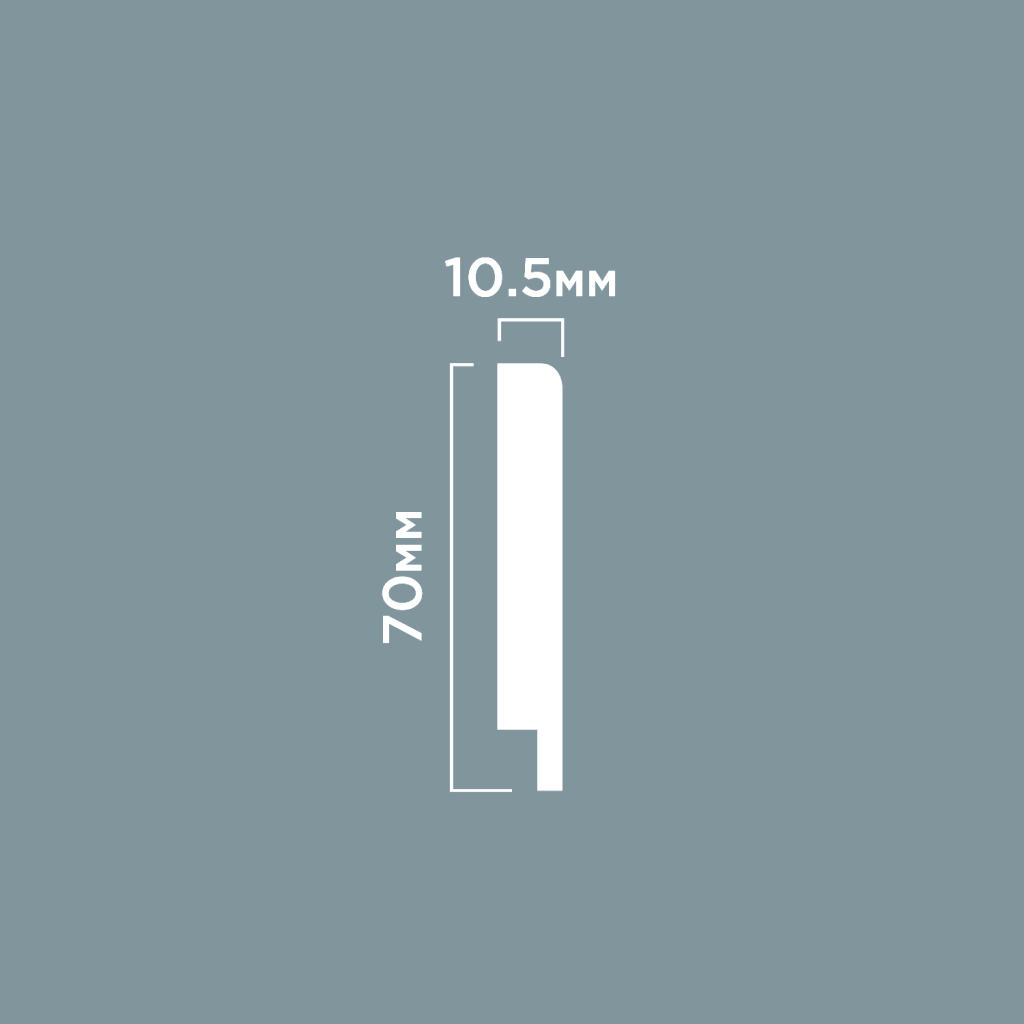
Modern interior design increasingly leans toward minimalism, clean lines, and sleek forms.Polystyrene baseboardModel B70N from the South Korean manufacturer HI WOOD with dimensions 70 × 10.5 × 2000 mm represents the ideal embodiment of this philosophy. The key feature of this profile — completely smooth surface without decorative stripes — makes it a universal solution for interiors in minimalist, Scandinavian, loft, high-tech, and modern classic styles. ThisPolystyrene floor baseboardcombines optimal height of 70 mm with elegant thickness of 10.5 mm and creates the most inconspicuous, delicate transition from wall to floor.
Height of 70 mm is universal for most residential spaces with ceiling heights of 2.5–2.7 meters. This height creates visual balance — the baseboard performs its protective and decorative functions, but does not dominate the interior or attract excessive attention. Thickness of 10.5 mm makes the profile as thin and elegant as possible, which is especially relevant for minimalist interiors, where every element must be thought out and restrained. Length of 2000 mm allows effectively covering the perimeter of a standard room with minimal number of joints.
The production material — high-density polystyrene (phytopolymer, duro-polymer) — ensures a unique combination of properties. The product weighs only 130 grams per linear meter, which is 4–5 times less than similar baseboards made of MDF or solid wood. Absolute water resistance of 100% makespolystyrene floor baseboarduniversal for any rooms including bathrooms, kitchens, laundry rooms, and even swimming pools. The matte white surface without pattern or stripes opens up endless possibilities for color decoration.
High-density polystyrene as a material of the future
The base of baseboard B70N is phytopolymer — high-density polystyrene of the latest generation, produced using advanced South Korean technology. This thermoplastic polymer is created by extruding molten polystyrene through a precision die head, followed by molding under controlled pressure of 25–30 MPa and cooling in special chambers. The technological process forms an absolutely dense, homogeneous structure without voids, cavities, pores, or inclusions, which fundamentally distinguishes phytopolymer from ordinary expanded polystyrene.
The material density is 680 kg/m³ — this is a key indicator ensuring maximum mechanical strength at minimal weight. For comparison: the density of ordinary expanded polystyrene is only 15–25 kg/m³, i.e., phytopolymer is 30–40 times denser. Such density provides a bending strength of 45–50 MPa, comparable to the characteristics of some wood species. At the same time, one linear meter of baseboard B70N weighs only about 130 grams, making it the lightest among all types of floor baseboards.
The water resistance of phytopolymer reaches absolute values — the material does not absorb water even after prolonged full immersion. Water absorption over 24 hours is less than 0.1% by mass, which is practically zero. This means thatPolystyrene floor baseboardcan be installed in any humid rooms without risk of deformation, swelling, or loss of properties. The material does not rot, does not develop mold, is not a nutrient medium for bacteria, fungi, and microorganisms. This characteristic makes phytopolymer an ideal choice for bathrooms, toilets, kitchens, saunas, and steam rooms.
The material’s temperature stability covers a wide range from -50°C to +80°C without any change in physical properties. The baseboard does not soften or deform when heated by underfloor heating systems with surface temperature up to 28°C, radiators, convector heaters, or summer heat. When cooled, the material does not become brittle, does not crack, and retains elasticity even at negative temperatures — which is relevant for unheated rooms. The linear thermal expansion coefficient is only 0.06 mm per meter for a 10°C temperature change — the lowest value among all finishing materials. Such stability eliminates the appearance of gaps at joints due to seasonal temperature fluctuations.
The chemical resistance of phytopolymer ensures resistance to the effects of most household substances. The material does not react with water, soap solutions, most water-based cleaning agents, weak acids, and alkalis. However, it is critically important to remember that polystyrene is destroyed upon contact with organic solvents — acetone, toluene, white spirit, gasoline, ethyl acetate. These substances undergo a chemical reaction with polystyrene, causing softening, deformation, or complete dissolution of the material.
The ecological safety of HI WOOD products is confirmed by the prestigious "Korea Eco-Label" certificate — a sign of the highest level of eco-friendliness, awarded only to products that have passed the strictest tests. The material does not contain formaldehyde, phenol, phthalates, heavy metals, asbestos, or other toxic components. It does not emit volatile organic compounds at normal operating temperatures and even at heating up to 70°C. Phytopolymer is chemically inert, has no odor even in freshly unpacked state, is hypoallergenic, and absolutely safe for human health, including children, pregnant women, allergy sufferers, and pets. The product is approved for use in kindergartens, schools, medical facilities, children’s and bedroom areas without any restrictions.
Architectural geometry of minimalist profile
Dimensions 70 × 10.5 mm are the result of years of design development and practical experience of HI WOOD specialists. Height of 70 mm is classic for floor baseboards and considered optimal for rooms with standard ceiling heights of 2.5–2.7 meters. This height ensures visual balance — the baseboard is noticeable and performs its decorative and protective functions, but does not dominate the interior or overload the space. A profile height of 70 mm effectively hides the technological gap between floor covering and wall, which is recommended to leave for compensating thermal expansion of laminate, parquet boards, and other materials.
Thickness of 10.5 mm makes baseboard B70N one of the thinnest in the HI WOOD line. Such minimalist thickness creates the most delicate, non-intrusive transition from wall to floor. The baseboard does not protrude from the wall, does not create obstacles for placing furniture close to the wall, and visually does not reduce the room’s space. At the same time, thickness of 10.5 mm provides sufficient mounting surface for secure attachment to the wall. This thickness is optimal for applyingadhesive for polystyrene baseboards— it allows creating a strong connection without excess material that is squeezed out at the edges.
The profile cross-section of baseboard B70N is executed in an absolutely minimalist form without any decorative relief. The front surface represents an ideally smooth plane without stripes, grooves, protrusions, or recesses. This is a fundamental difference from the standard baseboard B70, which has a decorative horizontal stripe at the top. The absence of decorative elements makes profile B70N maximally universal and compatible with any interior styles, from strict minimalism to refined modern classic.
The upper part of the profile has minimal rounding with a radius of about 2 mm, creating a soft transition to the wall without sharp edges. This rounding is visually almost imperceptible, but critically important from a practical standpoint — it eliminates the risk of injury from sharp corners and significantly simplifies room cleaning. The lower part of the baseboard tightly adheres to the floor, effectively covering the joint and preventing dust and dirt accumulation in the gap between the wall and floor covering.
The baseboard construction includes an internal cavity that forms a natural cable channel with a width of about 8 mm. Wires for telephone, internet, TV, antenna, and other low-voltage systems with total cross-section up to 20 mm² can be placed in this cavity. This allows avoiding wall drilling for communication wiring and significantly simplifies installation and subsequent system upgrades. However, it should be remembered that for laying 220V power cables, special baseboards with certified cable channels and non-combustible construction are required.
The standard plank length of 2000 mm is chosen taking into account practical and transportation considerations. This length is optimal for transportation in a car with rear seats folded down or in a minibus. A 2-meter plank can be carried and installed by one person without assistance. Whentwo strips with one joint cover a 4-meter section, which corresponds to the typical dimensions of spacious rooms in luxury apartments and premium-class private homes.two planks with one joint cover a 4-meter section, which corresponds to typical room sizes in modern apartments and houses. Length of 2000 mm also minimizes waste when cutting to fit specific room dimensions.
Professional installation technology
Preparation for baseboard installation begins with acclimatizing the material. Despite the minimal coefficient of thermal expansion, professional installers recommend leaving baseboards in the room where installation will be performed for at least 24 hours, preferably 48–72 hours. This is especially important if the baseboards were stored on a warehouse at a temperature significantly different from room temperature. Planks are left in factory packaging in horizontal position, away from heating appliances and direct sunlight.
Surface preparation of the wall is critically important for the quality and longevity of installation. The wall must be flat with deviation not exceeding 2–3 mm per linear meter, clean, dry, and degreased. All protruding irregularities are removed by sanding, large dents and cracks are filled with gypsum or cement putty. Special attention is paid to the lower part of the wall at the height of baseboard installation — this is where any defects will be most noticeable after installation. The surface is thoroughly cleaned of dust with an industrial vacuum cleaner, of dirt with a damp sponge, and of oily stains with a solvent-based degreaser.
Wall positioning marking is performed taking into account the specific features of the room. In rooms with a correct rectangular shape without niches, bay windows, or complex elements, marking is usually unnecessary — the baseboard is simply installed along the walls. However, in rooms with complex configurations, niches, protrusions, columns, or arched openings, it is recommended to pre-mark the positions of joints and corners with a pencil. This will allow optimizing material consumption, ensuring symmetrical placement of joints relative to doorways and other architectural elements, and avoiding short cuts less than 30 cm, which are difficult to install properly.
Baseboard layout is performed taking into account the specific features of the room. In rooms with a regular rectangular shape, without niches, bay windows, or complex elements, marking is usually unnecessary — the baseboard is simply installed along the walls. However, in rooms with complex configurations, niches, protrusions, columns, or arched openings, it is recommended to pre-mark the positions of joints and corners with a pencil. This will help optimize material usage, ensure symmetrical placement of joints relative to doorways and other architectural elements, and avoid short cuts less than 30 cm, which are difficult to install properly.
The selection of adhesive is critically important for the durability and reliability of the installation. Forpolystyrene floor skirting boardthe following types are used exclusively: water-based construction adhesives without organic solvents. Optimal are specializedadhesives for polystyrene skirting boardstypes: acrylic adhesives like liquid nails with high initial tack (2-3 minutes), MS-polymer (modified silane) adhesive-sealants with an elastic joint, the proprietary HI WOOD HD1000 adhesive specifically developed for the company's products, universal water-based construction adhesives for light structures.
It is categorically forbidden to use adhesives containing organic solvents: liquid nails based on synthetic rubber in solvents, polychloroprene adhesives (neoprene, nairit), epoxy-based adhesives with solvents, any adhesives with a sharp chemical odor. These substances chemically react with polystyrene, causing softening, deformation, bubble formation, color change, or complete dissolution of the material. Even brief contact with solvents may lead to irreversible damage to the profile. Therefore, before using any adhesive, it is essential to carefully study its composition on the label or technical description — the solvent must be water.
Adhesive is applied to the back of the skirting board, not to the wall. This is an important rule that ensures more precise control of adhesive consumption and prevents wall contamination. Adhesive is applied from a tube with a cut nozzle at an angle or from a caulking gun in a dotted line or continuous snake pattern with intervals of 10-15 cm. For a 70 mm high skirting board, it is sufficient to apply adhesive in a strip 3-5 mm thick. It is important not to apply excessive amounts of adhesive, so that when pressing the skirting board against the wall, excess does not squeeze out and stain the front surface, wall, or floor covering.
After applying adhesive, the skirting board is pressed against the wall strictly vertically and firmly pressed along its entire length with palms or light fist impacts for 10-15 seconds for initial adhesive setting. Some adhesive manufacturers recommend a double-adhesive technique: the skirting board is pressed against the wall for 2-3 seconds, then lifted for 10-15 seconds for ventilation and activation of the adhesive, after which it is pressed firmly. This technique improves adhesion for some types of synthetic rubber-based adhesives.
Due to the low weight ofthe polystyrene skirting board for the floorof only 130 grams per linear meter, the adhesive sets very quickly and additional mechanical fixation is usually not required. The skirting board securely holds on the wall due to adhesive bonding without using screws, anchors, or other fasteners. This is an important advantage — the absence of through-holes eliminates cold bridges, improves aesthetics, and simplifies installation.
Excess adhesive protruding along the top and bottom edges of the skirting board must be immediately removed before it dries. Fresh water-based adhesive easily removes with a damp sponge or soft cloth. Dried adhesive is much harder to remove — it requires mechanical scraping with a putty knife or knife, risking surface damage. Therefore, it is recommended to keep a bucket of water and a clean sponge nearby for prompt removal of excess adhesive during installation.
Complete polymerization of most water-based adhesives occurs within 24 hours at +20°C and relative humidity of 50-60%. During this time, the skirting board should not be subjected to mechanical stress, wet cleaning, or painting. After the adhesive has fully dried, the skirting board can be painted, wiped with a damp cloth, and subjected to normal operational loads.
Cutting and preparation of elements
One of the most frequent questions from home craftsmen —how to cut polystyrene skirting boardfor a 70 mm high skirting board to achieve a clean, even cut without chips or melting. High-density polystyrene cuts excellently with various tools due to its homogeneous material structure without fibers, layers, or inclusions. Tool selection depends on the volume of work, required precision, and available equipment.
The most accurate, clean, and productive result is achieved with a miter saw (electric miter box) with a fine-toothed blade for final cutting. The saw should have a blade with a diameter of at least 200 mm and 60-80 teeth (the more teeth, the cleaner the cut). The blade rotation speed should be 4000-5000 rpm — higher speeds may cause material melting due to friction. A miter saw allows precise setting of any cutting angle from 0 to 45 degrees (up to 60 degrees in professional models) with an error of less than 0.5 degrees, which is critically important for quality jointing of boards at corners.
An alternative accessible option for home use — a metal hacksaw with fine teeth (tooth pitch 1-1.5 mm, 18-24 TPI per inch) in combination with a miter box. The hacksaw should have a rigid blade made of high-carbon steel with hardened teeth. Fine teeth ensure a clean cut without tearing the material. The miter box — a special fixture with guide slots at 45 and 90 degrees — ensures cutting angle accuracy. Professional miter boxes have a rotating platform with angle fixation and clamping mechanisms for secure workpiece fixation.
Many home craftsmen are interested inhow to cut polystyrene baseboardcutting without special tools in field conditions. For straight 90-degree cuts, a standard sharp utility knife (office knife) with replaceable trapezoidal blades 18 mm wide is suitable. The blade must be fresh, sharp, and strong — a dull blade crushes the material and produces a ragged edge. The cut is performed in several passes with gradual depth increase — first, the front surface is cut to a depth of 2-3 mm along the ruler, then gradually deepened to full cut. This method requires care, firm hands, and patience, but allows obtaining a sufficiently clean cut without using saws or power tools.
When cutting with any tool, it is critically important to ensure absolute immobility of the skirting board. The workpiece must be securely fixed in a miter box, bench vise, or clamped to the base with clamps. Movements of the saw or knife must be smooth, without jerks, accelerations, or heavy pressure. Rushing and rough movements result in ragged edges, chips, misalignment of the cut, and even workpiece breakage. Recommended sawing speed with a hacksaw — 30-40 strokes per minute with moderate pressure.
After cutting, the end is recommended to be lightly processed to remove microscopic burrs and irregularities. For this, use fine-grit sandpaper with grit 180-220, wrapped around a flat wooden block to maintain the cut's flatness. A few light strokes along the end — and the cut becomes perfectly smooth. Do not over-sand — 3-5 strokes are sufficient. Excessive sanding may alter the cutting angle and worsen board jointing.
Corner finishing and jointing of elements
Finishing internal and external corners — the most critical stageinstallation of polystyrene skirting boarddetermining the professionalism of the work and overall impression of the interior. Polystyrene skirting boards do not come with pre-made corner pieces, plugs, or connectors — all joints are made by directly joining boards cut at angles. This requires precise cutting and careful installation, but ensures virtually invisible joints after painting.
To create internal corners (in room corners), both board ends are cut at 45 degrees in opposite directions. When joining two boards cut at 45 degrees, a 90-degree straight angle is formed. It is important to understand that a 45-degree angle is measured from the plane perpendicular to the skirting board’s length, not from the room’s horizontal or vertical plane. For external corners (on protruding wall corners, columns), board ends are also cut at 45 degrees, but with the opposite bevel direction.
Correct installation of the skirting board in the miter box is critically important for achieving the desired angle. The skirting board is installed in the miter box in the position it will be mounted on the wall — vertically, with the back (application) surface pressed against the rear wall of the miter box. The bottom part of the skirting board, which will rest on the floor, is tightly pressed against the base of the miter box. The saw passes through the miter box slot at a 45-degree angle, forming the required bevel on the end. It is critically important not to confuse the cutting direction for left and right boards — for this, it is recommended to pre-mark the boards with a pencil.
Forpolystyrene floor skirting board70 mm high skirting boards with smooth surfaces, it is especially important to ensure absolutely tight contact of the ends along the entire height of the profile without any gaps. Any misalignment, step, or gap will be very noticeable after painting, especially with dark colors.
Only after achieving an ideal joint during dry fitting, the boards are installed with adhesive. Adhesive is applied to the back of both boards, as well as in a thin layer on the ends for bonding the joint between them. Boards are pressed against the wall and simultaneously against each other. It is critically important to maintain the boards in pressed position for 30-60 seconds until initial adhesive setting — if released earlier, boards may separate due to internal stresses.
Filling the corner joint is done with a special acrylic jointing sealant or water-based flexible putty. Professional polystyrene compositions with minimal shrinkage (not more than 2%) and good adhesion to polymer materials are recommended. The sealant is applied directly into the joint gap from a caulking gun with a 45-degree angled nozzle. Excess sealant is immediately removed with a rubber putty knife 30-40 mm wide or a damp sponge. The joint is carefully smoothed with a special profiled tool, moistened with fingers or a damp sponge, forming an absolutely smooth, invisible transition without visible edges.
After complete drying of the sealant over 4-6 hours, the joint can be lightly sanded with fine-grit sandpaper (220-240 grit) to remove micro-irregularities. Then the joint is painted with the same paint as the skirting board in the same color. A correctly installed and filled corner joint should be practically invisible even upon close inspection from a distance of 30-50 cm.
Straight joints along the length of boards also require attention to detail and care. Ends of both boards to be joined must be cut strictly perpendicular to the longitudinal axis (at 90 degrees) — even a slight deviation of 1-2 degrees will create a visible step of up to 1 mm, which will be noticeable. Straight joints are recommended to be placed in the least visible areas of the room — in corners, behind open doors, behind furniture, in shaded areas. Avoid placing joints in the most visible areas — opposite the entrance door, on the central wall of the living room, in accent lighting zones.
When joining strips along their length at the ends, a minimal compensatory gap of 0.5–1 mm is left to allow for material thermal expansion. Despite the low thermal expansion coefficient of the plant polymer, professionals recommend maintaining this gap as a precaution against possible expansion at extreme temperatures. The gap is filled with acrylic sealant matching the skirting board color, smoothed, and after drying becomes completely invisible.
Painting the baseboard
The most important question for many —how to paint a polystyrene skirting boardB70N for obtaining a high-quality, long-lasting finish. The skirting board surface has a specially prepared fine-porous structure, optimized for painting with water-based paints without prior priming. Factory surface treatment ensures excellent paint adhesion and uniform coating.
Pre-priming is usually not required — simply remove dust formed during installation and trimming. The surface is wiped with a dry microfiber non-woven cloth or blown dry with compressed air. If the skirting board was installed a long time ago or became contaminated during other finishing works, it is recommended to wipe it with a slightly damp cloth using a neutral water-based cleaning agent, then allow it to dry completely for 2–4 hours before painting.
Water-based paints without organic solvents are used exclusively for painting polystyrene skirting boards. It is strictly prohibited to use solvent-based paints — alkyd enamels, oil-based paints, nitrocellulose lacquers, solvent-based polyurethane enamels, automotive paints. Solvents in their composition (white spirit, xylene, toluene, acetone, ethyl acetate) chemically react with polystyrene, causing softening, swelling, deformation, bubble formation, color change, or complete dissolution of the material. Even a single application of such paint with a brush or roller may cause irreversible damage to the profile. When selecting any paint, carefully study the composition on the can label — in the "Solvent" section, it must state "Water".
The following types of water-based paints are optimal: acrylic water-dispersible interior paints in matte or semi-matte finishes — a universal choice, dry in 2–4 hours, odorless, environmentally safe, create a durable elastic coating, easily tintable to any color; latex paints based on styrene-acrylic dispersions — form a denser, more wear-resistant film, easily washable, have a slight silk-like gloss.
Your request has been sent!
Our manager will contact you within 5 minutes