Article Contents:
- Psychology of Material: why the quality of templates determines the success of a creative project
- Tactile Perception as a Source of Inspiration
- Influence of Quality on the Creative Process
- Aesthetic Value of Raw Material
- Variety of Materials: Choosing the Foundation for Creativity
- Wood: Classic Creative Material
- Fiberboard: Stability and Economy
- MDF: Technology of Modernity
- Technical Specifications: What to Know When Choosing
- Material moisture content
- Grading and Surface Quality
- Dimensional stability
- Tools and Technologies: Transforming a Template into a Work of Art
- Hand Tools: Connection with Traditions
- Power tools: speed and precision
- Machine tools: professional level
- Creative techniques: from traditions to innovations
- Wood carving: ancient art in the modern world
- Pyrography: drawing with fire
- Inlay and marquetry: painting with wood
- Turning: Symmetry of Perfection
- Sources of Inspiration: Where to Find Ideas for Creativity
- Nature as an Endless Source of Forms
- Cultural Heritage: Traditions as the Foundation for Innovation
- Contemporary Art: New Approaches to Traditional Materials
- Practical Recommendations: From Idea to Realization
- Project Planning
- Work area preparation
- Safety techniques
- Finishing and Protection: Giving the Product a Finished Look
- Surface Preparation
- Types of Coatings
- Special effects
- Commercial Aspects of Creativity: From Hobby to Profession
- Market Assessment
- Production organization
- Promotion and Sales
- Development Prospects: New Technologies in Traditional Crafts
- Digital technologies
- New Materials
- Sustainable development
- STAVROS: Partner in Realizing Creative Concepts
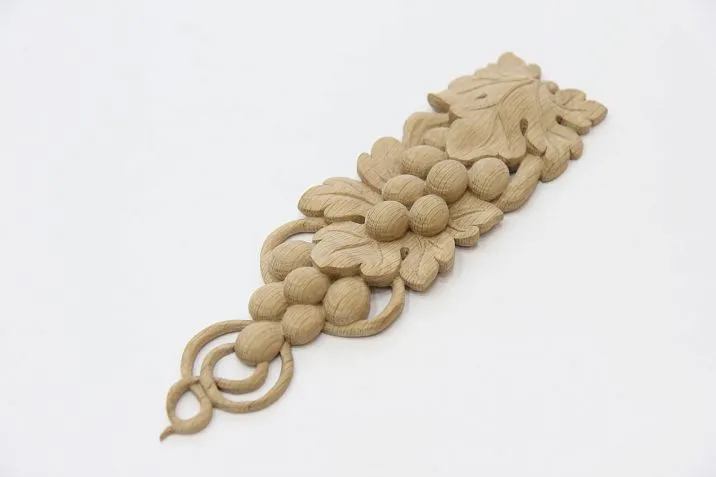
Creativity begins with a dream. Dreams of creating something beautiful with your own hands, bringing an idea into material form, giving the world a piece of your soul. But between dream and realization lies a bridge of quality materials, and creative templates become the foundation upon which your creative concept is built.
Have you ever noticed how your mood changes when you get hold of high-quality material? How your fingers begin to explore its texture, envision its future form, sense its potential transformation? This is not chance — it is an ancient bond between human and material, ingrained in us at a genetic level. Our ancestors created tools, ornaments, and everyday objects, infusing each item not only with functionality but also with beauty, meaning, and energy.
In the modern world of mass production and digital technologies, handmade creativity becomes especially valuable. It is the opportunity to slow down, focus, create something unique and irreplaceable. And the quality of materials plays a decisive role — for it not only determines the appearance of the finished product, but also the pleasure of the creation process.


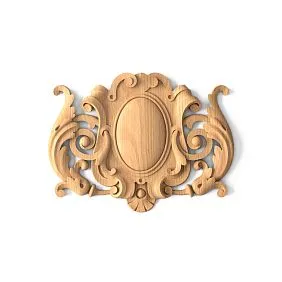

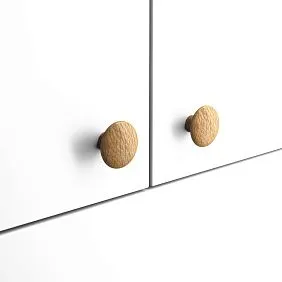

Psychology of Material: Why the Quality of Raw Materials Determines the Success of a Creative Project




Tactile perception as a source of inspiration
Human hands contain a huge number of nerve endings — more than any other part of the body. When we touch a material, the brain instantly receives information about its texture, density, temperature, smoothness. This information triggers a cascade of associations and images, which become the basis for creative ideas.
Quality — are not just raw materials for production, but the foundation for realizing the most daring creative ideas, the basis for creating works that will delight generations. possess a special energy. Natural wood is warm to the touch, it breathes, has a unique texture and aroma. Each knot, each fiber tells its own story — about the years of tree growth, about weather conditions it endured, about the soil that nourished it.
Synthetic materials lack this living energy. They are cold, impersonal, do not evoke an emotional response. Working with them becomes a mechanical process, devoid of inspiration and the joy of creativity.
Our factory also produces:




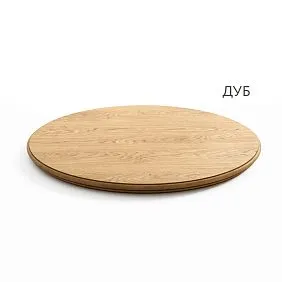


Influence of quality on the creative process
Poor-quality materials create obstacles on the path to the goal. An uneven surface hinders processing, an inhomogeneous structure leads to chips and cracks, low strength limits shaping possibilities. As a result, the creator is forced to constantly struggle with the material, spending energy overcoming its shortcomings instead of focusing on the creative task.
High-quality blanks, on the contrary, become a creator's ally. They are easy to process, allow implementing the most daring concepts, do not limit imagination with technical problems. Working with good material becomes a meditation, a dialogue between the master and the material.
Get Consultation
Aesthetic value of the raw material
The beauty of the finished product is established already at the stage of selecting the blank. Expressive wood texture, interesting grain pattern, noble color — all this becomes part of the artistic concept. Experienced masters know how to see the potential of the material, envision how the finished product will look, taking into account the specific characteristics of the blank.
Variety of materials: choosing the basis for creativity
Wood: the classic creative material
Wood remains the most popular material for creativity due to its unique combination of properties. It is soft enough to be processed with simple tools, yet strong and durable. The variety of species allows selecting a material with the required characteristics for any project.
Coniferous species — pine, spruce, larch — are ideal for beginners. They are easy to process, have a pleasant aroma, are relatively inexpensive. Resin provides natural protection against moisture and pests. Solid Wood Items Coniferous species are characterized by durability and stability.
Broadleaf species offer a rich palette of colors and textures. Birch, with its whiteness and uniformity, is ideal for carving and engraving. Oak, with its expressive texture, is suitable for large-scale projects. Lime, due to its softness, is traditionally used for wood carving.
Exotic species — merbau, teak, wenge — bring a special refinement to creativity. Their unusual colors and textures allow creating unique items, but require experience in processing.
Fiberboard: stability and economy
Multi-layered fiberboard combines the beauty of natural wood with the stability of an engineered material. The cross-lamination of veneer layers eliminates warping and cracking, which is especially important for large items.
Birch fiberboard of class FK has high-quality face layers and ecological safety. Coniferous fiberboard is more economical, but has less expressive texture. Decorative fiberboard with veneer of valuable species expands design possibilities.
MDF: the technology of modernity
Medium-density fiberboard (MDF) is a homogeneous material without internal stresses and defects of natural wood. It is ideal for milling complex profiles, creating volumetric compositions, making templates.
Laminated MDF offers a wide range of colors and textures, including imitation of valuable wood, stone, and metal. This opens up boundless opportunities for decorative creativity.
Technical characteristics: what to know when choosing
Material Moisture Content
Humidity is a critically important parameter, especially for wooden blanks. Material with increased humidity will deform during drying, leading to cracks, warping, and distortion of the item's geometry.
The optimal humidity for creative work is 8-12%. At this humidity, wood is stable, easy to process, and does not shrink. Material with humidity above 15% requires additional drying before use.
Grade and surface quality
Grade determines the number and size of allowable defects — knots, cracks, resin pockets, color changes. For creative work, material of the first or second grade is usually used, where defects are minimal or can become part of the artistic concept.
Surface quality affects the labor costs for preparing the material for work. Sanded blanks are ready for coating, while unsanded ones require additional processing.
Dimensional stability
Coefficients of swelling and shrinkage determine how much the material will change in size with fluctuations in humidity. For items with precise dimensions and complex joints, this is critically important.
Laminated materials are usually more stable than solid ones, due to the mutual compensation of stresses in cross-layered structures.
Tools and Technologies: Transforming Raw Material into Art
Hand Tools: Connection to Traditions
Working with hand tools requires more time and effort, but provides full control over the process and unique expressiveness of the result. Every cut of the gouge, every pass of the plane bears the imprint of the craftsman's individuality.
Turning tools — chisels, gouges, carving knives — allow creating volumetric compositions of any complexity. The quality of steel, sharpness of the blade, ergonomic handle determine the comfort of work and the quality of the result.
Saws and jigsaws for cutting blanks must provide clean cuts without chipping. Fine teeth, proper set, sharpness — the guarantee of quality cutting.
Joinery tools — planes, jointers, rasps — create perfectly smooth surfaces with the characteristic texture of planed wood.
Power tools: speed and precision
Modern power tools greatly accelerate material processing, enabling operations impossible with hand tools. The key is to choose the right tool for the specific task and master safe working techniques.
Jigsaws and saber saws provide high-quality curved cuts. The choice of blade depends on the material and required cut quality.
Milling machines open up limitless possibilities for creating profiled elements, grooves, joints. The set of cutters must match planned operations.
Sanding machines speed up surface preparation, but require caution to avoid damaging the wood's texture.
Machine tools: professional level
Woodworking machines allow achieving professional-quality processing, ensuring repeatability of results and safety of operation.
Circular saws for precise cutting of sheet materials. The quality of the saw blade, motor power, and accuracy of guides determine the machine's capabilities.
Milling machines for profiling, grooving, and creating joints. The ability to install various cutters expands technological capabilities.
Turning machines for making rotary parts — balusters, table legs, decorative elements. The set of cutters, spindle accuracy, and drive power affect turning quality.
Creative techniques: from traditions to innovations
Wood carving: ancient art in the modern world
Wood carving is one of humanity's oldest arts. Each nation developed its own traditions, techniques, and ornamentation. Today, this art is experiencing a revival due to growing interest in handmade craftsmanship.
Flat relief carving creates three-dimensional images on flat surfaces. The technique is accessible to beginners but allows creating works of high artistic level.
Relief carving requires three-dimensional thinking and high skill, but allows creating sculptural compositions of any complexity.
Inlay carving creates delicate items with play of light and shadow. Particularly effective in decorative panels, screens, and furniture elements.
Pyrography: drawing with fire
Pyrography or wood burning — a technique for creating images using heated tools. Modern wood-burning machines with temperature control allow creating photographic-quality artworks.
Choosing wood species is critically important for wood burning. Light-colored woods with uniform grain — linden, birch, poplar — are best suited. Hardwoods require high temperatures, and conifers may release resin.
Inlay and marquetry: painting with wood
Techniques for creating images from pieces of different wood species allow achieving effects impossible with other methods. The interplay of colors and textures creates unique artistic works.
Inlay uses thick wood plates inserted into the base. Marquetry uses thin veneers glued onto a backing. Both techniques require precise fitting of elements and knowledge of different wood species' properties.
Turning: Symmetry of Perfection
Turning creates items with axial symmetry — from simple tool handles to complex architectural details. Modern turning machines allow reproducing any profiles with high precision.
Choosing wood species for turning depends on the item's purpose. For decorative elements, woods with expressive grain are suitable; for functional items, strength and stability are more important.
Sources of Inspiration: Where to Find Ideas for Creativity
Nature as an inexhaustible source of forms
Nature created infinite variety of forms, colors, textures. Leaves of trees, seashells, mineral crystals, bird feathers — all can become the basis for a creative project.
Studying natural forms helps understand principles of harmony, proportion, functionality. Nature creates nothing superfluous — every form is optimal for its function.
Cultural Heritage: Traditions as the Foundation of Innovation
Traditional crafts, historical styles, ethnic ornaments — a rich source of ideas for modern creativity. Studying traditions does not mean blind copying, but provides an understanding of time-tested principles of beauty.
Each culture has developed its own methods of working with wood, its own aesthetics, its own symbols. Familiarizing oneself with this heritage expands the creative horizon and provides tools for self-expression.
Modern Art: New Approaches to Traditional Materials
Modern artists and designers reinterpret the possibilities of traditional materials. They combine wood with metal, glass, plastic, create interactive objects, experiment with form and function.
Studying the works of masters helps to see unexpected possibilities of familiar materials, find one's unique style, avoid banal solutions.
Practical Recommendations: From Idea to Realization
Project Planning
Any creative project begins with an idea, but successful implementation requires careful planning. Sketches, drawings, material calculations, operation sequence — all of this determines the quality of the result.
Sketching helps to work out composition, proportions, details. Do not neglect this stage, even if the project seems simple.
Material selection must correspond to the artistic concept and functional requirements. Wood blanks for creativity Materials are selected based on the size of the item, method of processing, and operating conditions.
The technological card defines the sequence of operations, required tools, processing modes. This is especially important for complex projects with many details.
Workplace Preparation
A comfortable and safe workplace is the guarantee of productive work and quality results. Good lighting, ergonomic table height, order in tools save time and effort.
Lighting must be sufficient and even. A combination of general and local lighting creates optimal conditions for precise work.
Ventilation is especially important when working with dusty materials and coatings. Forced exhaust protects health and improves coating quality.
Storing tools in a specific order speeds up work and extends tool life. Humidity, temperature, dust protection — factors affecting preservation.
Safety Techniques
Working with tools always involves the risk of injury. Knowledge of safety rules, use of protective equipment, caution, and attention help avoid accidents.
Eye protection is mandatory for any operations involving dust or shavings. Goggles or shields must fit tightly and not restrict vision.
Respiratory protection is necessary when sanding, cutting, or working with chemicals. Respirators of various protection classes are selected depending on the type of contamination.
Hand protection with gloves requires caution — gloves can cause serious injury when working with rotating tools.
Finishing and Protection: Giving the Item a Finished Appearance
Surface preparation
The quality of finishing is 90% determined by the quality of surface preparation. Sanding, filling, priming — labor-intensive operations, but they ensure a professional result.
Sanding is performed with abrasives of increasing fineness — from P120 to P320 for most projects. Each previous mark must be completely removed by the next grit.
Removing dust between operations ensures coating quality. Sticky cloths, vacuum cleaners with brushes, compressed air — various methods for different situations.
Types of Coatings
Coating selection depends on the item's purpose, operating conditions, and artistic concept. Modern materials offer wide creative possibilities.
Transparent coatings preserve the natural beauty of wood, highlight texture, and protect against external influences. Lacquers of various types provide different levels of protection and decoration.
Staining products change the color of wood, even out the tone, and imitate valuable species. Stains, dyes, and tinted varnishes provide various effects.
Covering coatings completely hide the wood texture, allowing any color and finish to be achieved. Enamels, paints, and decorative coatings expand design possibilities.
Special Effects
Modern finishing technologies allow creating effects unattainable through traditional methods.
Crackle effect imitates the cracking of old coatings, creating an antique appearance. Special formulations ensure controlled cracking.
Patination creates an effect of natural aging, emphasizing surface relief. Various formulations produce bronze, copper, or silver effects.
Decoupage allows transferring any images onto wood and creating complex decorative compositions.
Commercial aspects of creativity: from hobby to profession
Market Assessment
Creativity can become not only a source of satisfaction but also an additional income. The market for handmade goods is growing, and consumers value uniqueness and quality.
Analyzing competitors helps find your niche, determine optimal pricing policy, and identify in-demand products.
Studying consumers provides understanding of their needs, preferences, and purchasing power. This is the foundation for developing a product line.
Production Organization
Transitioning from individual items to mass production requires changing approaches to organizing work.
Standardizing processes increases productivity, ensures stable quality, and reduces cost.
Managing inventory of materials and components optimizes working capital and ensures uninterrupted production.
Quality control at every stage prevents defects and maintains the manufacturer's reputation.
Promotion and Sales
Quality products require quality promotion.
Product photography should convey their beauty, highlight unique features, and create an emotional connection with the consumer.
Packaging protects the product during transport, adds additional value, and can become part of branding.
Sales channels—from online stores to trade fairs—must align with the target audience and product positioning.
Development prospects: new technologies in traditional crafts
Digital Technologies
Computer-aided design, CNC machines, and 3D printing change creative approaches, expand possibilities, and speed up processes.
CAD systems allow creating precise 3D models, checking fits, and calculating materials before physical work begins.
CNC processing ensures precision unattainable by hand, allowing reproduction of complex shapes with perfect repeatability.
3D printing opens opportunities to create forms impossible with traditional methods, speeds up prototyping, and allows personalization of products.
New materials
Advancements in materials science offer new creative possibilities.
Wood-based composites combine the beauty of natural material with improved performance characteristics.
Biodegradable plastics allow creating eco-friendly products with unique properties.
Nanomaterials open up possibilities for creating coatings with specified properties — self-cleaning, antibacterial, color-changing.
Sustainable development
Environmental aspects are becoming increasingly important for consumers and manufacturers.
Using renewable materials reduces the environmental footprint of production and supports sustainable forestry.
Waste recycling transforms by-products into valuable raw materials for new products.
Energy efficiency in production processes reduces costs and environmental impact.
STAVROS: partner in bringing creative visions to life
In a world where mass production often prioritizes quantity over quality, STAVROS chose a different path. Here, they understand that Buy Creative Wood Blank — it is not just a commercial deal, but the beginning of a wonderful journey from idea to realization, from concept to masterpiece.
STAVROS’s philosophy is built on a deep understanding of the needs of creative people. Here, they know that every project is unique, that universal solutions do not exist, and that success depends on many factors — from material quality to the inspiration of the craftsman. That is why the company offers not just products, but comprehensive solutions for creativity.
STAVROS’s product range impresses with its variety and quality. wholesale wooden blanks for creativity and for retail, materials for professional workshops and home studios, rare wood species and affordable options for beginners — everyone will find exactly what they need.
Quality control at STAVROS begins with the selection of raw materials. Each batch of wood undergoes careful inspection for compliance with humidity standards, absence of defects, and proper storage. Only materials that have passed all stages of control enter production.
STAVROS’s technological processes combine traditional woodworking methods with modern innovations. Experienced masters, working in the company for decades, pass on their knowledge to the younger generation, creating continuity of traditions and continuous improvement of quality.
STAVROS’s service support goes far beyond simple product sales. Qualified consultants will help you choose optimal materials for a specific project, calculate the required quantity taking into account technological losses, and provide recommendations for processing and finishing.
STAVROS’s logistics network ensures fast and reliable delivery to any point in the country. Special packaging protects materials from damage during transport, and a tracking system allows you to monitor every stage of delivery.
Choosing STAVROS means choosing not just a supplier of materials, but a reliable partner in your creativity. This is a company that shares your passion for creating beauty, understands the importance of every detail, and is ready to support you at every stage of the creative process. This is an investment in quality that will become the foundation of your future masterpieces, a source of inspiration and pride in your work.