Article Contents:
- 1. Classic Style
- 4. Loft
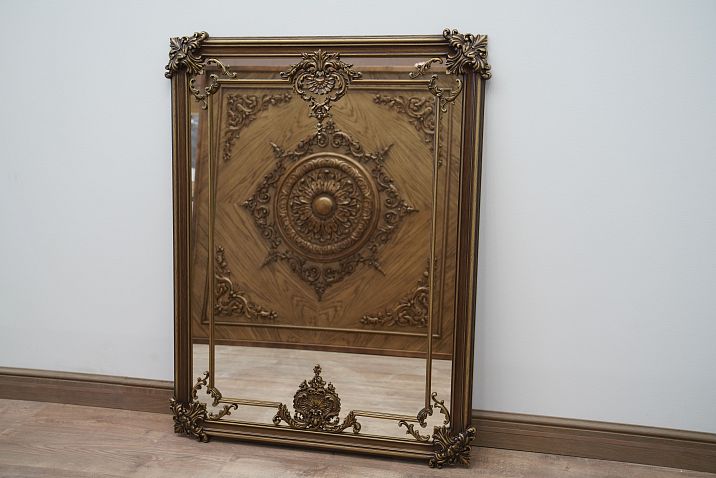
Interior design is the art of creating a space that matches your personal tastes and needs, as well as reflects your lifestyle and preferences. It is important to understand that interior design is not limited to merely choosing furniture and wall colors. It is a process in which every detail—from lighting to decorative elements—is carefully considered to create a harmonious and functional space. In this article, we will examine the main types of interior design that can help you determine which style will be most suitable for your home or apartment.


1. Classic style
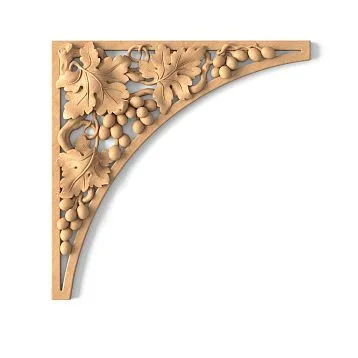
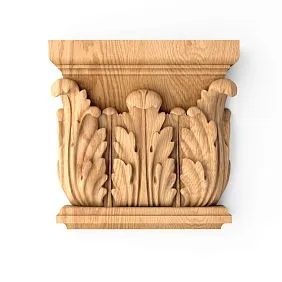
Classic style is one of the most popular and enduring solutions in interior design. It is associated with elegance, sophistication, and luxury. In this style, expensive materials such as wood, marble, velvet, and gold are often used, along with attention to detail and symmetry. A classic interior often includes carved wooden elements, polyurethane moldings, and moldings that emphasize the grandeur and completeness of the space.
● Furniture in classic style often has smooth lines, soft fabrics, and decorative elements such as gilding and cornices.
● The color palette usually includes warm tones—cream, burgundy, gold, dark green, and other noble colors.
● Decor includes antique items, paintings in gold frames, stylish chandeliers, and decorative rugs.
Polyurethane moldings is ideally suited for classic interiors, creating textural accents on ceilings and walls, and adding elegance to the room.
2. Modern style (modern)
Modern style or modernism is characterized by simplicity, functionality, and minimalism. It is a style for those who appreciate minimalism, clean lines, and comfort. In this style, modern materials such as glass, metal, concrete, and plastic are predominantly used.
● Furniture in modern interiors often has simple shapes, straight lines, and neutral colors. It may be made of steel frames, glass, and leather.
● The color palette is predominantly neutral—white, gray, black, as well as pastel and restrained shades.
● Decor in this style is minimal, with emphasis on material quality and functionality. Polyurethane Decor can be used to create light, yet expressive moldings that emphasize the modern minimalist style.
Modern style is ideal for those who prefer open spaces, the absence of decorative overload, and simplicity in interior design.
3. Scandinavian style
Scandinavian style is a style renowned for its simplicity, functionality, and coziness. It is often associated with the cold north, yet it brings warmth and harmony into the home. This style emphasizes natural materials and light tones.
● Furniture in Scandinavian style is light wooden furniture with simple lines, combining minimalism and functionality. Materials such as oak, beech, and ash are often used.
● The color palette predominantly includes light tones: white, gray, light blue, as well as natural wood shades.
● Decor includes textiles such as wool blankets, cushions, and rugs that add coziness. polyurethane moldings can be used to create light and neat moldings, adding texture without overwhelming the space.
Scandinavian style is suitable for small apartments, as light tones visually expand the space and make it feel more open.




4. Loft
Loft is a style that originated in industrial buildings converted into apartments. It is a style for those who love open spaces, original solutions, and the combination of industrial elements with coziness.
● Furniture in a loft often consists of vintage or handmade items. Here you can find metal and wooden elements that harmonize beautifully with brick walls and concrete ceilings.
● The color palette in a loft usually includes dark tones: gray, black, dark brown, as well as bright accents such as orange or red.
● Decor in loft style is minimal. Metal and glass elements, exposed pipes and beams, as well as stylish Polyurethane moldingscan be used to highlight ceilings and walls.
Loft is suitable for large apartments or houses with an open plan, where it is important to preserve the industrial character of the space while adding cozy elements.
Eclecticism is a style for those who do not want to be limited to one direction. It is a combination of various styles, materials, and eras, allowing you to create unique and original interiors. Eclecticism gives freedom for creativity and experimentation, making it especially popular among those who value diversity.
Eclecticism is suitable for people who love variety and are not afraid to experiment.
● Furniture can be varied, from antique pieces to modern chairs and sofas. What matters is harmony among them, not belonging to one style.
● The color palette in eclecticism can be diverse, combining bright and neutral tones. The key is to create harmony in color and material combinations.
● Decor in an eclectic interior may include elements from different cultures and eras: vintage paintings, modern lamps, antique items and polyurethane molding for creating interesting accents.
Eclecticism is suitable for people who love variety and are not afraid to experiment.
Conclusion
Choosing an interior design style is not just an aesthetic preference but a significant process that directly affects the quality of your life in this space. Proper interior design should combine not only external style but also practical functionality, comfort, coziness, and durability. After all, the interior is not just a visual component but also a space that influences your emotional background, mood, and productivity. How the space will be perceived and used depends on how thoughtfully each element is designed, starting from furniture and finishes, and ending with decorative accents and lighting.
Choosing an interior design style should depend on your individual preferences and the functional needs of the space. Each style — whether classic, modern, Scandinavian, loft, or eclecticism — has its own characteristics that can harmoniously fit into any space, giving it a unique character and atmosphere. Style can reflect your personality and lifestyle, but it must also consider the room's features: its size, lighting, functional zones, and the lifestyle of all household members.
It is important to understand that interior design is not only a visual result but also a comprehensive process involving the creation of a living space. Comfort primarily means that the space will meet all your practical needs: from comfortable furniture to well-distributed zones. Coziness, on the other hand, depends on small details — textiles, lighting, decorative elements — that make the interior more 'alive' and pleasant to perceive. These are the details that create an atmosphere where it is pleasant to be and where you want to return.
Functionality is also an important aspect that cannot be ignored. A stylish but uncomfortable interior will cause dissatisfaction, even if it looks flawless. It is important that furniture, lighting, textiles, as well as storage and space organization areas meet your needs and create convenient conditions for daily life.
However, interior design is not limited to comfort and functionality. It should also reflect your individuality, be a place that inspires, calms, and delights you. Every element — from wall color selection to decorative accents — should be carefully considered in terms of how you want to feel in this space. It is important not only to follow fashion trends but also to choose elements that you like, that suit your lifestyle, and create an atmosphere that will be close to you.
When everything harmoniously combines, and the space becomes thoughtfully designed, cozy, and functional, you will feel how the interior fills you with energy, allows you to relax and enjoy every moment spent in this space. In such a space, it is pleasant to spend time with family, work, rest, and create. The right combination of style, color, furniture, lighting, and decor allows you to create a space that will serve you for a long time, not becoming outdated, not going out of fashion, and constantly delighting the eye. In this space, every corner will work for your comfortable and harmonious life.
Thus, interior design is not just a task of choosing finishes and furniture. It is a whole process of creating a unique space that will satisfy not only aesthetic but also functional needs, serve as a source of inspiration and joy every day. An interior designed with care and love will become the place where you not only spend time but also feel harmony with yourself and the surrounding world.