Article Contents:
- Philosophy of unique design: when a home becomes a work of art
- Psychology of space and its influence on our perception
- Architectural elements as the basis of uniqueness
- Cornices and decorative elements: returning to classical traditions
- Moldings as a tool for zoning and decoration
- Materials as the basis of unique design
- Wood: eternal classic in modern interpretation
- Stone and its modern alternatives
- Furniture as the central element of a unique interior
- Custom furniture versus mass production
- Combining styles and eras
- Decorative elements and accessories
- Textiles as a tool for creating atmosphere
- Lighting as a key design element
- Walls as a canvas for creativity
- Decorative panels and inlays
- Painting and artistic techniques
- Kitchen as the heart of a unique home
- Ergonomics and functionality
- Materials for kitchen surfaces
- Bedroom as a space for rest and recovery
- Creating an atmosphere of calm
- Furniture for the bedroom
- Bathroom as a spa zone
- Materials for wet areas
- Sanitary ware as a design element
- Living room as the home’s calling card
- Space zoning
- Fireplace as a focal point
- Home office as a space for creativity
- Ergonomics of the workspace
- Storage systems
- Children's room: a growing space
- Safety first
- Zones for various activities
- Entryway: First Impression
- Functionality in limited space
- Modern technologies in a unique interior
- Lighting and climate automation
- Multimedia systems
- Ecological sustainability and development
- Natural and recycled materials
- Energy efficiency
- Budgeting for a unique project
- Priorities in spending
- Collaboration with professionals
- Designer selection
- Quality control of work
- Trends of the future in interior design
- Biophilic design
- Personalization and customization
- Maintaining uniqueness over time
- Planning changes
- Maintenance and updates
- Psychological aspects of living in a unique space
- Impact on Self-Esteem
- Social aspect
- Regional features and national traditions
- Climate characteristics
- Cultural Heritage
- Interior as an investment
- Long-term perspective
- Return on investment
- Conclusion: the path to dreams through details
- Frequently Asked Questions
Every home is a reflection of its owner's soul, a place where dreams are born and the boldest ideas are realized. Unique Home Interior becomes not just a fashion statement, but a means of self-expression, an opportunity to create a space that will delight the eye and warm the heart for many years.
In a world where mass production and standard solutions have become the norm, creating a truly unique living space has become an art. This art requires not only a creative approach but also a deep understanding of design principles, knowledge of materials, and the ability to combine functionality with aesthetics.


Philosophy of unique design: when a home becomes a work of art
What makes an interior truly unique? Above all, it is the harmony between the owner's personality and the physical space. Every detail should tell a story, and each element should serve a specific purpose, not only functional but also emotional.
Unique Interiors are born from the understanding that a home is not just a set of rooms, but a living organism, where each room complements the overall concept. This space should inspire, soothe, motivate, and create a sense of absolute comfort.
Modern trends in interior design increasingly favor individuality. People are tired of standardized solutions and strive to create spaces that reflect their inner world, hobbies, and life philosophy. This desire gives rise to the need to seek special materials, non-standard solutions, and original approaches to home decoration.




Psychology of space and its influence on our perception
Every color, every texture, every line in an interior affects our subconscious. Warm tones create a sense of coziness and safety, while cool tones expand the space and give it a modern look. Natural materials connect us with nature, while man-made elements demonstrate craftsmanship and attention to detail.
A properly designed unique home interior can change the quality of life for its inhabitants. The space should support various activities: work, rest, communication, creativity. At the same time, each zone should be functional and aesthetically pleasing.
Our factory also produces:

Architectural elements as the basis of uniqueness
Creating a unique interior begins with understanding the architectural features of the space. Every column, every beam, every niche can become the basis for a unique design solution.
Get Consultation
Ornamentation and decorative elements: returning to classical traditions
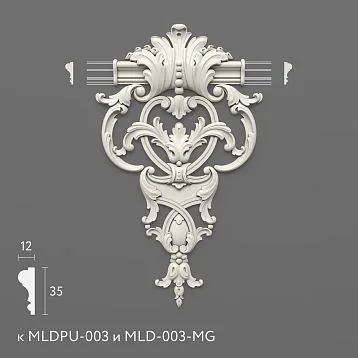
In modern design, classical decorative elements are increasingly used, which give the interior a special elegance and nobility. where to buy moldings of high quality — this question concerns many designers and homeowners striving to create luxurious interiors.
Ornamental decorations can completely transform a space, adding volume, depth, and character. Cornices, rosettes, moldings — all these elements create rhythm in the interior, guide the viewer's gaze, and shape the overall perception of space.
Modern technologies allow creating molded elements from various materials — from traditional plaster to modern polyurethane. Each material has its advantages: plaster offers a noble matte surface, while polyurethane provides lightness and moisture resistance, which is especially important for rooms with high humidity.
Moldings as a tool for zoning and decoration
Proper use of moldings can visually alter the proportions of a room, creating an illusion of higher ceilings or wider walls. where to buy moldings for decoration walls — an important question for those who wish to add elegance and sophistication to their interior.
Moldings can be used not only along the perimeter of the ceiling but also to create decorative panels on walls, frame door and window openings, and highlight functional zones. Contrasting moldings — white on dark walls or dark on light surfaces — look especially striking.
Materials as the basis of unique design
Material selection is one of the key factors determining the uniqueness of an interior. In modern design, both traditional natural materials and innovative synthetic developments are valued.
Wood: eternal classic in modern interpretation
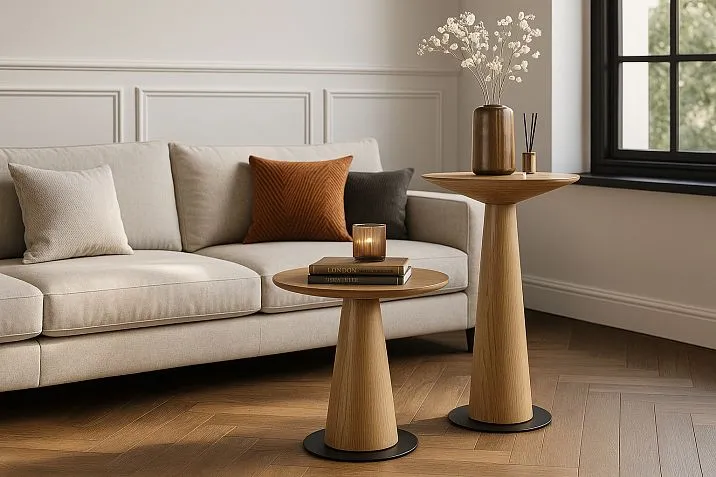
Wood remains one of the most popular and versatile materials for creating unique interiors. What new-generation furniture is made of — a question customers must receive comprehensive answers to. Eco-friendliness, durability, ease of care — specific advantages speak louder than abstract 'innovation'. high-end? Certainly, from quality wood that not only possesses excellent performance characteristics but also creates a special atmosphere in the home.
Each wood species has its own character: oak symbolizes reliability and longevity, walnut embodies nobility and sophistication, pine represents coziness and warmth. The right choice of wood allows you to create the desired mood in every room.
Modern wood processing technologies allow creating surfaces with various textures and shades. Brushing highlights the natural wood grain, patination adds vintage charm, and staining allows changing the color while preserving the natural texture.
Stone and its modern alternatives
Natural stone has always been a symbol of luxury and durability. Marble, granite, travertine — these materials can transform an ordinary living space into a true palace. However, modern composite materials do not fall short of natural stone in beauty, and in many cases surpass it in practicality.
Artificial stone allows creating surfaces of any shape and color; it requires no special maintenance and has high wear resistance. Modern production technologies enable achieving remarkable similarity to natural materials.
Furniture as the central element of a unique interior
Furniture in a unique interior plays not only a functional role but also that of true works of art. Each piece must be carefully designed and perfectly fit into the overall concept.
Custom furniture versus mass production
In the era of mass production, custom furniture becomes especially valuable. It allows creating an interior that you won't find in any other home. what materials are used to make wooden furniture premium-grade? From carefully selected wood that undergoes special treatment and drying.
Custom furniture pieces are created with consideration for the specific space and needs of the client. This may be a unique cabinet perfectly fitting into a niche, a table of unusual shape highlighting the architectural features of the room, or a chair specifically designed for a particular individual.
Combining styles and eras
One of the modern trends in creating unique interiors is mixing different styles and eras. Antique 18th-century furniture can beautifully complement modern minimalist pieces, creating a unique eclectic look.
It is important to maintain balance and not turn the interior into a chaotic mix of different styles. Unifying elements may be color, material, or shape. For example, all furniture pieces may be made from the same wood species but in different stylistic solutions.
Decorative elements and accessories
where to buy decor for creating a unique interior — a question that concerns everyone striving for individuality in decorating their home. Properly chosen decorative elements can completely transform the space, adding character and individuality.
Textiles as a tool for creating atmosphere
Textiles play a special role in creating a unique interior. Curtains, cushions, throws, rugs — all these elements not only serve practical purposes but also create a mood in the room.
The choice of fabrics should correspond to the overall interior concept. Natural materials — linen, cotton, silk — create a sense of luxury and comfort. Synthetic fabrics may have unique properties — being waterproof, fire-resistant, or antibacterial.
Special attention should be paid to the color palette of textiles. It can become a bright accent in a neutral interior or, conversely, create a calm background for expressive furniture pieces.
Lighting as a key design element
Lighting can dramatically change the perception of an interior. A properly designed lighting system highlights the strengths of the space and conceals its weaknesses.
In a unique interior, there should be several levels of lighting: general, task, and decorative. General lighting creates even illumination throughout the room, task lighting ensures comfort while performing various activities, and decorative lighting sets the mood and emphasizes key interior elements.
Modern LED technologies allow creating lighting systems that can change color and intensity depending on the time of day and the residents' mood.
Walls as a canvas for creativity
Walls in a unique interior are not just structural elements, but full-fledged design elements. where to buy wall decor Quality materials — this issue is especially relevant for those who want to create a truly memorable interior.
Decorative panels and overlays
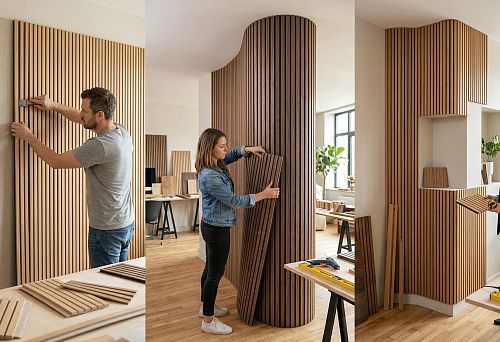
Decorative panels allow creating a textured surface on walls, adding depth and expressiveness to the interior. Modern materials enable imitation of any surface — from natural wood to crocodile leather.
3D panels are especially popular today, creating amazing optical effects. They can imitate waves, geometric patterns, natural forms. With proper lighting, such panels become true works of art.
Wall painting and artistic techniques
Artistic wall painting is one of the most effective ways to create a unique interior. It can be executed in various techniques — from classical frescoes to modern graffiti.
Painting allows creating an interior that will exist in a unique, one-of-a-kind form. This can be a landscape, an abstract composition, a historical scene, or a modern interpretation of classical motifs.
Kitchen as the heart of a unique home
The kitchen in a modern home is not just a place for preparing food, but the center of family life, a place for meetings and socializing. Unique kitchen interiors require a special approach to layout, material selection, and equipment.
Ergonomics and Functionality
When creating a unique kitchen interior, it is important not to forget about functionality. Beauty should not come at the expense of usability. The working triangle — refrigerator, stove, sink — should be planned so as to minimize movement during cooking.
Modern kitchens are often combined with the living room, creating a single living space. In such cases, it is especially important to plan zoning and ensure good ventilation, so that cooking odors do not spread throughout the house.
Materials for kitchen surfaces
kitchen furniture is made of premium? Materials should combine beauty, practicality, and durability. Natural stone countertops look luxurious but require special care. Artificial stone is more practical but may appear less noble.
Kitchen cabinet facades can be made from various materials — solid wood, MDF with different finishes, glass, metal. Each material creates its own atmosphere and requires a specific design style.
Bedroom as a space for rest and recovery
In a unique interior, the bedroom should be an oasis of calm and comfort. This is the place where a person spends one-third of their life, so its design requires special care.
Creating an atmosphere of calm
The color palette of the bedroom should promote relaxation and healthy sleep. Calm, muted tones create a sense of tranquility. However, this does not mean the bedroom should be dull — bright accents in the form of textiles or artwork can add individuality.
Lighting in the bedroom should be soft and adjustable. The ability to create an intimate atmosphere in the evening and ensure sufficient lighting in the morning — important requirements for the lighting system.
Bedroom furniture
The bed is the central element of the bedroom, and its choice largely determines the overall style of the room. The headboard can become a true work of art — with carving, upholstery in expensive fabrics, built-in lighting.
Storage systems in the bedroom should be not only functional but also aesthetically pleasing. Built-in closets save space, freestanding units can become decorative elements.
Bathroom as a spa zone
A modern bathroom is not just a place for hygiene procedures, but a true spa zone, a place for relaxation and rejuvenation.
Materials for wet areas
Choosing materials for the bathroom is limited by requirements of moisture resistance and hygiene. However, modern technologies allow using even such materials as wood, provided they are properly treated.
Ceramic tiles remain the most popular material for bathrooms. Modern collections offer a vast variety of colors, sizes, and textures. Large-format tiles create a sense of spaciousness, while mosaic adds elegance.
Fittings as design elements
Modern sanitary ware is not only functional appliances but also full-fledged design elements. Bathtubs of unusual shapes, sinks made of natural stone, faucets in a high-tech style — all of this can become the central element of the bathroom interior.
Living room as the home’s calling card
The living room is the face of the home, the place where guests are received and family evenings are held. Its interior should be both impressive and cozy.
Space Zoning
Modern living rooms often combine several functions — a place for relaxation, a workspace, a library, a home theater. Proper zoning allows creating comfortable conditions for various activities.
Zoning can be achieved using furniture, lighting, color, or floor level. Each zone should have its own lighting and be functionally complete.
Fireplace as a focal point
The fireplace is traditionally considered the center of the living room. Modern technologies allow installing a fireplace even in an apartment — electric and biofireplaces are safe and do not require a chimney.
Decorating the fireplace zone is an opportunity to show creativity. The mantel can be made of various materials, adorned with carvings or mosaics, and supplemented with built-in shelves or niches.
Home office as a creative space
In the era of remote work, a home office becomes especially important. This space should promote concentration and creative thinking.
Ergonomics of the workspace
Proper organization of the workspace is the key to productivity and health. The desk should be at a comfortable height, the chair should support proper posture, and lighting should not create glare on the monitor.
The color palette of the office should promote concentration. Calm, neutral tones create a work atmosphere, while bright accents can stimulate creative thinking.
Storage systems
In the home office, convenient storage systems are especially important. Documents, books, and office supplies should be easily accessible, yet not create clutter.
Built-in shelves save space and can become a decorative element. Open shelves are suitable for frequently used items, while closed shelves are for documents and archives.
Children's room: a growing space
A children's room should grow with the child, easily transform, and adapt to changing needs.
Safety first
When decorating a child's room, safety should be the top priority. All materials must be eco-friendly, furniture should have no sharp corners, and outlets should be protected.
The color palette of a child's room can be bright and cheerful, but not overly aggressive. It is important to create a balance between stimulating activity and ensuring peaceful sleep.
Zones for different activities
The child's room should have zones for sleeping, playing, studying, and creativity. Each zone should be properly lit and equipped with necessary furniture.
Storage systems are especially important in a child's room — toys, books, clothes should have their own places. Convenient containers and boxes will help maintain order.
Entryway: first impression
The hallway is the first thing guests see when entering the home. Its design should create the right first impression and set the tone for the entire interior.
Functionality in limited space
Hallways often have limited dimensions, so it is important to use every centimeter efficiently. Built-in closets, mirrors that expand the space, and thoughtful lighting — all of this will help create a comfortable and beautiful hallway.
Hallway materials should be practical and easy to maintain. Flooring must withstand dirt and moisture, walls — easy to clean.
Modern technologies in a unique interior
Smart home technologies allow creating an interior that is not only beautiful but also maximally comfortable to use.
Lighting and climate automation
Automatic lighting and climate control systems allow creating ideal conditions in every room. Lighting can automatically adjust to the time of day, temperature — to the needs of the home’s occupants.
Integrating these systems into interior design requires a professional approach. Sensors and control panels should be unobtrusive but easily accessible.
Multimedia Systems
Modern multimedia systems allow listening to music and watching movies in any room of the house. Concealed wiring and built-in speakers ensure high-quality sound without compromising the design.
Ecological Sustainability
Modern interior design trends increasingly focus on eco-friendliness and sustainable development.
Natural and recycled materials
Using natural materials not only creates a healthy atmosphere in the home but also demonstrates responsible attitude toward the environment. Recycled materials can be no less beautiful than new ones, and their use helps preserve natural resources.
Energy efficiency
Energy-efficient solutions in interior design are not only cost-saving but also care for the environment. Quality insulation, energy-saving lighting, efficient heating and air conditioning systems — all of this must be considered when creating a unique interior.
Budgeting for a unique project
Creating a unique interior does not always require huge expenses. Proper planning and a sensible approach to material and contractor selection allow creating an unparalleled design within a reasonable budget.
Priorities in spending
It is important to define priorities and focus the main part of the budget on the most important elements. These may be high-quality flooring materials, exclusive furniture, or a professional lighting system.
Some elements can be made by hand or found on the second-hand market. Vintage furniture, restored and adapted to the interior style, can become its standout feature.
Collaboration with professionals
Creating a truly unique interior often requires collaboration with various specialists — designers, architects, master craftsmen.
Choosing a designer
Choosing a designer is one of the key moments in creating a unique interior. It is important to find a specialist who understands your vision and can bring it to life, while also contributing their professional knowledge and experience.
A designer’s portfolio should demonstrate a variety of styles and approaches. A good designer does not impose their own style but adapts to the client’s needs and preferences.
Quality control of work
Quality of execution is the foundation of the interior’s longevity and beauty. It is important to monitor every stage of work, from surface preparation to final finishing.
Using quality materials and professional execution is the guarantee that the created interior will delight for many years.
Future trends in interior design
The world of interior design is constantly evolving, new materials, technologies, and approaches to space decoration are emerging.
Biophilic Design
Biophilic design is one of the leading trends of modernity. It implies maximum integration of natural elements into the interior. This is not only indoor plants, but also natural materials, natural forms, and maximum use of natural light.
Personalization and Customization
The future of interior design lies in maximum personalization. 3D printing and computer modeling technologies allow creating furniture and decor items fully adapted to a specific individual and space.
Maintaining uniqueness over time
Creating a unique interior is only half the job. It is important to maintain its relevance and freshness over many years.
Planning for Changes
When designing an interior, it is important to plan for future changes. A neutral base allows for easy changes in accents using textiles, accessories, and works of art.
Maintenance and Renewal
Quality materials and professional execution ensure the longevity of the interior, but regular maintenance is necessary to preserve its original appearance. Timely renewal of worn elements will help maintain the interior in ideal condition.
Psychological Aspects of Living in a Unique Space
Living in a beautifully designed space positively affects a person's psychological state. A unique home interior becomes a source of pride and inspiration.
Impact on Self-Esteem
A beautiful living space increases self-esteem and confidence. A person living in a harmonious interior feels more successful and happier.
Social Aspect
Unique interior items Becomes an object of admiration for guests and friends. A home with a unique design attracts people and becomes a place for meetings and socializing.
Regional Characteristics and National Traditions
When creating a unique interior, it is important to consider regional characteristics and national traditions. This does not mean blindly copying ethnic motifs, but rather creatively reinterpreting and adapting them to modern realities.
Climate Characteristics
The climate of the region influences the choice of materials, color palette, and layout. In northern regions, warm tones and materials that create a sense of coziness are valued, while in southern regions, light and airy solutions are preferred.
Cultural Heritage
The cultural heritage of the region can become a source of inspiration for creating a unique interior. Traditional crafts, ornaments, and color combinations can be reinterpreted in a modern context.
Interior as an Investment
A well-executed unique interior is not only a source of aesthetic pleasure but also a good investment. Real estate with a unique design is always valued higher than standard options.
Long-term perspective
When planning an interior, it is important to think not only about current needs but also about long-term prospects. Quality materials and classic solutions remain relevant for many years.
Return on investment
A well-planned and professionally executed interior can significantly increase the value of real estate. This is especially true for unique, original solutions that distinguish the property in the market.
Conclusion: The Path to Your Dream Through Details
Creating a unique home interior is a journey filled with discoveries and creative solutions. Every detail, every element must be thoughtfully designed and harmoniously integrated into the overall concept. From material selection to furniture arrangement, from color schemes to lighting systems — everything must contribute to creating a unified, unique image.
It is important to remember that uniqueness does not mean extravagance. True individuality is expressed in the harmony of all elements, in how the space reflects the personality of its owner, how it functions, and how it affects the quality of life.
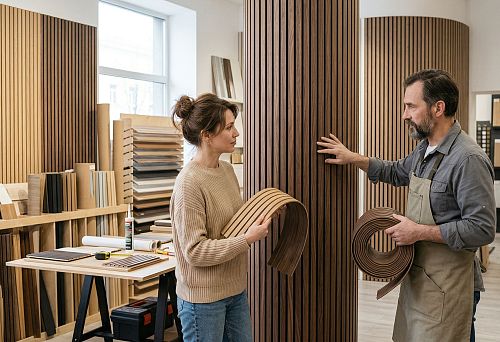
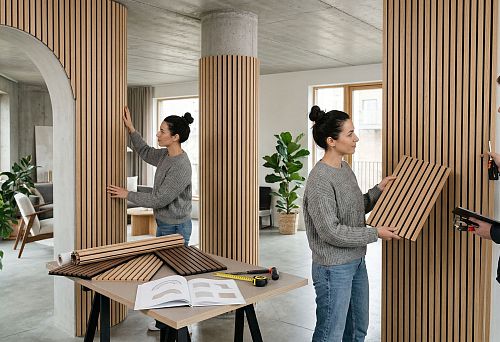
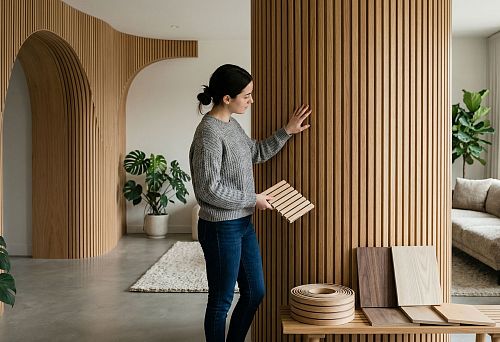
Modern technologies and materials open up boundless opportunities for creativity. where to buy decor и Where to buy wooden wall decor planks — these questions are resolved thanks to a wide selection of specialized suppliers offering quality materials to realize the boldest design ideas.
For many years, STAVROS has helped create unique interiors, offering a wide range of decorative elements, furniture hardware, and finishing materials. A professional approach to each project, quality materials, and an individual approach to client needs make STAVROS a reliable partner in creating the dream interior.
Frequently asked questions
How to Start Creating a Unique Interior?
Start by defining your needs, lifestyle, and preferences. Analyze how you use the space, what you like and dislike about the current interior. Create a concept that reflects your individuality.
Can a unique interior be created with a limited budget?
Absolutely! Uniqueness does not always require significant expenses. A creative approach, using vintage elements, making some decorative items yourself, and prioritizing spending wisely — all of this will help create a unique interior within a reasonable budget.
How to Combine Functionality and Beauty?
The main rule — beauty should not come at the expense of comfort. When planning an interior, first consider functional solutions, then look for ways to make them beautiful. Modern design offers many solutions where practicality and aesthetics harmoniously coexist.
Should one follow fashion trends when creating a unique interior?
Trends can serve as a source of inspiration, but should not become the basis for decisions. A unique interior reflects the personality of the owner, not blind adherence to fashion. It is better to choose classic solutions with modern accents.
How to Maintain the Interior's Relevance Over Time?
Plan the interior so that the main elements — floor, ceiling, built-in furniture — are in neutral tones and classic style. Then, the interior can be refreshed using textiles, accessories, and artworks, without resorting to major renovations.
What is the difference between an expensive and a quality interior?
An expensive interior is not always of high quality. Quality is determined by the correct choice of materials, professional execution of work, thoughtful layout, and durability of solutions. Sometimes simpler, but higher-quality materials create a better result than expensive ones that are unsuitable for specific conditions.