Article Contents:
- Archetypes and Symbols in Decoration
- Sacred Dimension of Decoration
- Aesthetic Revolution in Decoration
- Material Poetry: Substance as Carrier of Meaning
- Wood: Living Matter of Creativity
- Stone: Eternity in Ornament
- Metal: Luster and Chime of Beauty
- Regional Palette: Decoration as Cultural Code
- Northern Motifs: Reserved Beauty
- Southern Opulence: Carnival of Forms
- Russian Soul in Ornament
- Craft and Inspiration: Techniques of Creating Beauty
- Carving: Liberation of Form
- Inlay: Dialogue of Materials
- Painting: Color as Language of the Soul
- Modern Interpretation: Tradition in a New Context
- Technological Revolution in Ornament
- Ecological Consciousness in Decoration
- Psychology of Perception: How Decoration Affects People
- Globalization and Localization
- Neuropsychology of Ornament
- Color Therapy Effects
- Social Psychology of Decoration
- Economics of Beauty: Decoration as Investment
- Market Value of Craftsmanship
- Emotional Economy
- Antique Value
- Future of Decoration: Trends and Prospects
- Interactive Decorations
- Interactive Decorations
- Biomimetic Jewelry
- Personalization and customization
- Philosophy of Choice: How to Find Your Jewelry
- Understanding Your Own Style
- Harmony with Space
- Emotional Compatibility
- Frequently Asked Questions about Decorative Art Jewelry
- Conclusion: Beauty as a Way of Life

What turns a simple object into a work of art? What causes the human heart to tremble at the sight of an intricately carved ornament or finely executed detail? Decorative Art Jewelry It is not merely an aesthetic addition to functional objects — it is an entire philosophy embodied in matter. It is a language through which generations of artisans have told stories about beauty, harmony, and humanity’s pursuit of perfection.
In our technocratic world, where the cult of functionality and practicality dominates, decorative art jewelry becomes islands of authentic beauty, reminding us that humans were created not only for survival but also for creativity. Every carved element, every pattern, every detail carries the imprint of the human soul striving for the beautiful.
Decorative art jewelry is a dialogue between the artisan and the material, between tradition and innovation, between individual vision and collective memory of the people. It is an art of transforming the mundane into the sublime, the functional into the poetic, the temporary into the eternal.


Genesis of Beauty: Philosophical Roots of Decorative Ornamentation
The history of decorative art jewelry traces back to deep antiquity, when the first human picked up a stone and attempted to give it a form different from its natural state. This moment became a turning point in the development of human civilization — the moment when utility met beauty.




Archetypes and Symbols in Ornamentation
Each decorative applied art objects carry deep archetypes embedded in the collective unconscious of humanity. The spiral symbolizes life energy and the cyclicity of existence, the circle — perfection and wholeness, plant ornaments — connection with nature and fertility.
These symbols were not invented arbitrarily — they crystallized from millennia of human experience, reflecting fundamental laws of the cosmos. When an artisan creates an ornament, they do not merely decorate a surface — they embody cosmic principles in the material, making them accessible to human perception.
Geometric patterns, popular in various cultures, reflect humanity’s desire to find order in chaos, structure in disorder. They soothe the mind, creating a sense of stability and predictability in an ever-changing world.
Our factory also produces:


Sacred Dimension of Ornamentation
In ancient cultures, ornamentation was never merely decorative. It carried a sacred function, serving as a link between the earthly and the divine, the profane and the holy. Every ornament was a prayer, every pattern — a spell, every detail — a protective amulet.
Russian artisans, creating collections in the Russian styleintuitively sensed this sacred nature of ornamentation. Their carved window casings were not merely decorative window elements — they served as protective talismans for the home, safeguarding its inhabitants from evil forces. Plant motifs invoked fertility, solar symbols — prosperity and flourishing.
Get Consultation
Aesthetic Revolution of Ornamentation
As civilization developed, decorative art jewelry underwent a profound transformation. From a sacred object, it gradually evolved into an aesthetic phenomenon intended to provide pure enjoyment of beauty. This transformation was not a loss — it became the discovery of new meanings and possibilities.
The Renaissance opened new horizons in understanding ornamentation. Artisans began to view it as a means of expressing individual creative vision, as a way of dialogue with beauty. Ornamentation became an author’s statement, a philosophical treatise embodied in matter.
Material Poetry: Substance as Carrier of Meaning
The choice of material for creating decorative art jewelry was never random. Each substance possesses its own energy, character, and potential to realize artistic intent.
Tree: living matter of creativity
The tree occupies a special place in the world of decorative arts. It is the only material that was once alive, that grew, breathed, reached for the sun. In each annual ring — the story of the seasons, in each fiber — the memory of rains and droughts, of cold winters and warm springs.
Wood Carving It is the art of revealing the form hidden within the material. The master does not impose an alien form upon the tree, but uncovers what is already embedded in its structure. Each wood species dictates its own conditions, offers its own possibilities.
Oak, with its powerful energy, demands grand, strong forms. Its dense structure allows for the creation of minute details that will endure for centuries. Linden, on the contrary, is soft and pliable, ideal for delicate, refined work requiring intricate detailing.
Stone: eternity in ornament
Stone ornaments embody the idea of eternity, immutability, monumentality. Carving stone is a dialogue with eternity, an attempt to capture a moment in a material that will outlive millennia.
Marble, with its aristocratic whiteness, evokes a sense of purity and nobility. Granite, harsh and impregnable, demands concise, expressive forms. Sandstone, warm and cozy, allows for intimate, chamber compositions.
Metal: brilliance and the chime of beauty
Metallic ornaments possess a special magic. Their brilliance captivates, their chime enchants. Gold symbolizes the sun, divinity, perfection. Silver — the moon, femininity, mystery. Copper — the earth, fertility, domestic comfort.
Forged ornaments carry the energy of fire and the strength of human hands. Each hammer blow is not merely a technical operation — it is the rhythm of creativity, the pulse of life, embodied in metal.
Regional palette: ornament as cultural code
Each people, each culture has developed its own unique language of decorative ornament. These differences are not random — they reflect climate, lifestyle, worldview, and aesthetic preferences of the people.
Northern motifs: restrained beauty
Northern cultures created a unique aesthetic of ornamentation based on restraint, minimalism, and deep inner strength. Scandinavian ornaments, Russian northern patterns are distinguished by strict forms, clear lines, and philosophical depth.
These ornaments do not shout about themselves — they speak softly but profoundly. Their beauty is not superficial, but deep, requiring time and attention to fully reveal. Like northern nature, they appear restrained at first glance, but are infinitely rich upon closer examination.
Southern opulence: carnival of forms
Southern cultures created a completely different aesthetic of ornamentation. Here, opulence, abundance, and festivity dominate. Mediterranean country ornaments, Eastern patterns astonish with their variety of forms, vivid colors, and complex compositions.
These ornaments are created for the celebration of life, for the joy of existence. They know no half-tones — only bright contrasts, only full-bodied forms, only the triumph of beauty over the mundane.
Russian soul in ornament
Russian decorative art ornament occupies a special place in world culture. It combines northern restraint with southern opulence, Byzantine luxury with folk simplicity, pagan motifs with Christian symbolism.
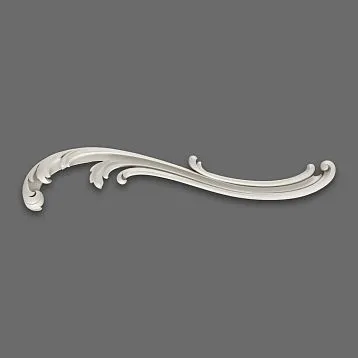
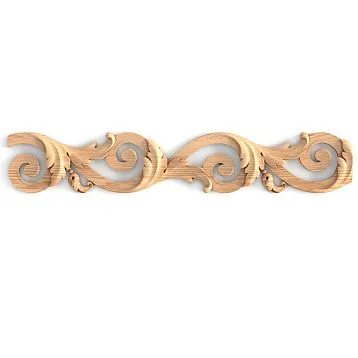
Lace carving Russian masters — this is poetry embodied in wood. Each swirl, each leaf tells the story of the Russian soul — broad, mysterious, striving for beauty and harmony.
Russian ornaments have never been coldly rational. They always contain an emotional core, heartfelt warmth, humanity. They are created not for the display of wealth or power, but for the joy of the heart, for adorning life.
Craft and inspiration: techniques of creating beauty
Creating decorative art ornaments requires not only artistic vision, but also deep mastery of technique, understanding of the material, patience, and perseverance.
Carving: liberation of form
Carving is the art of removing the superfluous, of liberating the form hidden within the material. Every movement of the chisel must be meaningful, each cut justified. The master maintains a constant dialogue with the material, listening to its voice, sensing its desires.
Different carving techniques create different emotional effects. Low relief creates a sense of monumentality and stability. High relief adds drama and dynamism. Openwork carving creates an impression of lightness, airiness, almost immateriality.
Inlay: dialogue of materials
Inlay is the art of combining different materials into a single composition. Here, it is not only the skill of execution that matters, but also an understanding of the character of each material, their compatibility, and their ability to dialogue.
Wood and metal, stone and bone, mother-of-pearl and enamel — each combination creates its own unique palette, its own emotional coloring. The master-inlayer is a composer, creating a symphony from various materials.
Painting: color as the language of the soul
Decorative art painting is a special language where each color has its own meaning, its emotional weight. Red — the color of life, passion, energy. Blue — the color of the sky, dreams, spirituality. Green — the color of nature, growth, harmony.
Traditional painting techniques were passed down from generation to generation, preserving not only technical methods but also the spiritual component, the philosophy of color, understanding its impact on the human psyche.
Modern interpretation: tradition in a new context
Modern Decorative Art Jewelry It lies at the intersection of tradition and innovation. Masters of the 21st century have access to ancient techniques and modern technologies, traditional materials and the latest developments.
Technological revolution in ornamentation
The emergence of computer technologies has fundamentally changed the process of creating ornaments. CAD systems allow creating complex compositions, modeling them in three-dimensional space, calculating optimal proportions.
CNC machines provide unprecedented accuracy of execution, the ability to reproduce the finest details. Laser cutting opens new possibilities for creating delicate compositions.
However, technology is merely a tool. It can ease the master's labor, increase precision, but cannot replace creative vision, artistic intuition, understanding of beauty.
Ecological awareness in decoration
Modern society increasingly recognizes the importance of ecological responsibility. This could not fail to affect decorative art ornaments. Masters prefer natural materials, eco-friendly technologies, sustainable production.
Recycling and reuse have become not only an ecological necessity but also a source of creative inspiration. Old details receive new life in modern compositions, creating a bridge between the past and the future.
Globalization and Localization
The modern world simultaneously globalizes and strives to preserve local identity. This contradiction is especially evident in the field of decorative art ornaments.
On the one hand, masters have access to techniques and motifs from around the world, can create synthetic compositions combining different cultural traditions. On the other hand, there is growing interest in local traditions, in preserving regional specificity.
Decor collections Modern producers reflect this contradiction, offering both universal solutions and items deeply rooted in local traditions.
Psychology of perception: how ornament affects a person
Decorative art ornaments affect a person not only consciously but also subconsciously. They are capable of influencing mood, well-being, productivity, and creative activity.
Neuropsychology of ornament
Modern research shows that contemplating ornaments activates certain brain areas responsible for aesthetic perception and creative thinking. Complex, rhythmic patterns stimulate the production of endorphins — hormones of joy and satisfaction.
Symmetrical compositions soothe the nervous system, create a sense of order and stability. Asymmetrical elements, on the contrary, stimulate attention, maintain tone, prevent the mind from 'falling asleep'.
Plant motifs subconsciously connect us with nature, activating ancient instincts of harmony with the surrounding environment. Geometric patterns appeal to our desire for logic and order.
Color therapy effects
The color of ornaments plays a huge role in their psychological impact. Warm tones — red, orange, yellow — activate, invigorate, improve mood. Cool tones — blue, green, purple — calm, relax, promote meditation.
Golden tones are traditionally associated with wealth, success, solar energy. Silver tones create a sense of coolness, purity, aristocracy.
Social psychology of ornament
Decorative art ornaments play an important role in social communication. They convey to those around them the tastes, preferences, social status, and cultural affiliation of their owner.
Classic ornaments speak of conservatism, respect for traditions, stability. Avant-garde solutions signal creative thinking, willingness to experiment, striving for novelty.
Economics of beauty: ornament as an investment
Quality decorative art ornaments represent not only aesthetic value but also a profitable investment. They can significantly increase property value, create a unique atmosphere, attract potential buyers' attention.
Market value of craftsmanship
The market for decorative art jewelry demonstrates steady growth. Demand is rising for high-quality, exclusive pieces created using traditional techniques. Especially prized are works by artisans skilled in rare, disappearing crafts.
Handmade items are always worth more than machine-made ones, but this difference is justified by the uniqueness, individuality, and heartfelt warmth of handmade pieces.
Antique value
Antique decorative art jewelry only increases in value over time. They become not just interior objects, but historical artifacts, witnesses to bygone eras.
Modern artisans working in traditional techniques create tomorrow's antique treasures. Their pieces may become museum exhibits in several decades.
Emotional Economy
Decorative art jewelry also possess emotional value that cannot be measured in money. They create an atmosphere, influence mood, and foster creative inspiration.
Investing in quality jewelry means investing in one’s own well-being, in the quality of life, in emotional comfort.
The Future of Jewelry: Trends and Prospects
Decorative art jewelry continues to evolve, absorbing new ideas, mastering new technologies, responding to the challenges of the times.
Interactive Jewelry
The development of digital technologies opens opportunities to create interactive jewelry capable of responding to human presence, changing appearance depending on time of day, weather, or the wearer’s mood.
LED lighting integrated into traditional ornaments creates unprecedented effects. Smart materials can alter color, texture, and transparency under various conditions.
Biomimetic Jewelry
Studying natural forms and structures opens new possibilities for jewelry creation. Fractal compositions based on mathematical laws of plant growth create stunning visual effects.
Nanostuctures mimicking butterfly wing surfaces create iridescent, color-shifting coatings. Bionic forms give jewelry vitality and organic qualities.
Personalization and Customization
Modern technologies allow creating fully personalized jewelry, taking into account individual preferences, interior features, and specific client requirements.
3D modeling and prototyping enable creating an exact model of the future item, making adjustments before production begins, achieving perfect alignment with client expectations.
Philosophy of Choice: How to Find Your Jewelry
Choosing decorative art jewelry is not merely buying beautiful things — it is an act of self-definition, an expression of inner world, and the creation of one’s own aesthetic universe.
Understanding Your Own Style
Before choosing jewelry, it is necessary to understand your own aesthetic preferences, define your style, and recognize your needs. What appeals to you — symmetry or asymmetry? Simplicity or complexity? Tradition or innovation?
Analyzing your own reactions to different styles will help determine your search direction. Classic forms attract those valuing stability, tradition, and time-tested values. Avant-garde solutions appeal to creative souls seeking self-expression.
Harmony with Space
Jewelry must harmonize with the surrounding space, complementing it rather than competing with it. The scale of elements should match the room’s size, and their style should align with the overall interior concept.
In small rooms, it is better to use elegant, delicate ornaments that do not overload the space. In spacious halls, monumental, expressive compositions are appropriate.
Emotional Compatibility
Jewelry should resonate with the inner world of its owner, creating positive emotions and contributing to a good mood. If an element does not evoke positive feelings, it is better to avoid it, no matter how beautiful it may be.
Trust your intuition — it rarely errs in aesthetic choices. Properly selected jewelry should create a sense of completeness, harmony, and emotional comfort.
Frequently Asked Questions About Decorative Art Jewelry
How to determine the authenticity of antique decorative art jewelry?
Authenticity is determined by a complex of factors: material, execution technique, stylistic features, history of origin. Authentic antique items have characteristic signs of natural aging, traces of handcraft, conformity to the style of the era. It is recommended to consult with art historians.
Can jewelry from different eras and styles be combined?
Yes, but this requires a delicate artistic sense. Successful combination is possible with unifying factors — material, color palette, scale, overall philosophy. The best results are achieved with styles that share common historical roots or modern interpretations of classical motifs.
How to care for jewelry made of different materials?
Each material requires specific care. Wooden items require protection from moisture and sharp temperature changes, regular cleaning with soft brushes. Metal jewelry requires protection against corrosion, special polishing agents. Stone elements are sensitive to acids and abrasives.
Is it worth investing in modern decorative art jewelry?
Quality modern jewelry, especially created by recognized masters using traditional techniques, represents a good investment opportunity. Their value may significantly increase over time, especially if the artist gains fame or the technique becomes rare.
How to choose a master for creating custom jewelry?
When choosing a master, it is important to evaluate their portfolio, work experience, mastery of various techniques, understanding of styles. Client recommendations, participation in exhibitions, awards, and recognition by the professional community are important criteria. A personal meeting will help assess compatibility of creative visions.
What jewelry is best to choose for small spaces?
In compact spaces, light, elegant pieces with simple forms are preferred. Vertical elements visually increase the height of the room, horizontal elements — its width. Mirrored surfaces and metallic details add light and airiness. Avoid overloading — better to have a few quality elements than many small details.
Conclusion: beauty as a way of life
Decorative Art Jewelry — these are not just interior items, but a philosophy of life based on the understanding that beauty is as necessary to humans as food and air. In a world dominated by utilitarianism and pragmatism, jewelry reminds us of humanity’s higher purpose — striving for perfection and harmony.
Every authentic piece of jewelry carries a part of its creator’s soul, reflects their worldview, craftsmanship, and understanding of beauty. Choosing such items for your home is not merely acquiring beautiful objects — you become a co-participant in a great tradition that connects you with masters of the past and future.
Modern decorative art jewelry is experiencing a period of renewal, acquiring new meanings and possibilities. Traditional techniques are enriched by modern technologies, classical motifs receive new interpretations, local traditions meet global trends.
Investing in quality jewelry means investing in the beauty of our lives, emotional comfort, spiritual growth. Every authentic piece of decorative art is capable of inspiring, uplifting, supporting us during difficult moments, and delighting us in moments of joy.
Choosing jewelry is an act of creativity, self-expression, creating your own aesthetic universe. It is important to listen to your inner voice, trust your intuition, not fear experimentation. True beauty always finds resonance in the human heart.
STAVROS — your reliable guide to the world of authentic decorative art. For many years, STAVROS has created unique pieces combining traditional craftsmanship with modern technologies, classic beauty with innovative solutions.
STAVROS understands that each piece of jewelry should not only please the eye but also carry deep meaning, reflect the individuality of its owner, and create a special atmosphere in space. Therefore, the company’s masters work not just with materials — they work with dreams, visions of beauty, and the desire to create something truly meaningful.
STAVROS’ team combines experienced artisans skilled in traditional techniques with young designers open to new ideas. This blend of experience and enthusiasm, tradition and innovation, allows creating pieces that meet the most demanding requirements.
STAVROS offers not just jewelry — the company offers the opportunity to touch real art, to become the owner of pieces that will delight not only you but also your descendants. Choosing STAVROS means choosing quality, beauty, authenticity — all that makes life truly beautiful.
STAVROS — not just a producer of decorative items, but a keeper of traditions, a guide to beauty, a creator of dreams. Turning to STAVROS, you become part of the great history of decorative art, a participant in the dialogue between past and future, a witness to the birth of new beauty.