












































































Article Contents:
- Introduction
- Main Types of Wooden Materials and Their Price Ranges
- 1. Coniferous Wood Species
- 2. Deciduous Wood Species
- 3. Exotic Wood Species
- 1. Wood Species and Quality
- 2. Processing and Finishing
- 3. Order Volume and Delivery
- 4. Seasonal and Market Fluctuations
- 5. Logistics and Location
- Baseboards, Crown Molding, Planks, Corners, and Molding
- Analysis of project requirements
- Comparison of offers
- Procurement Optimization
- Saving Without Compromising Quality
- Growing Interest in Eco-Friendly Materials
- Adoption of Innovative Technologies
- Global Economic Factors
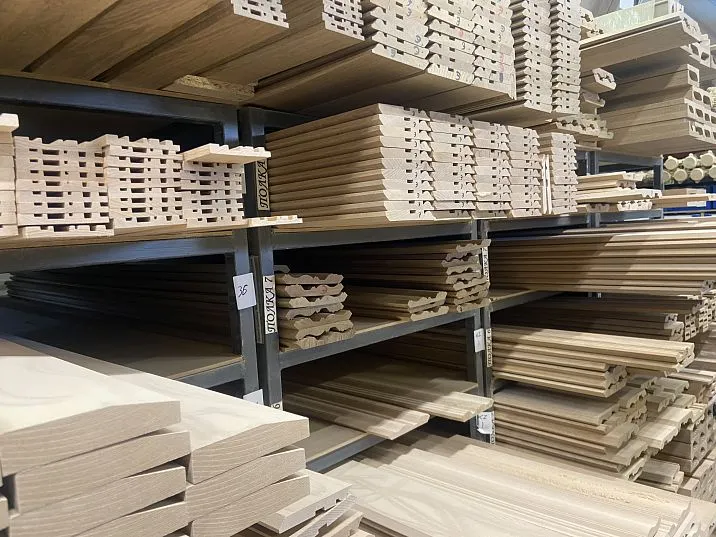
Prices for wooden materials are an important aspect when planning construction, renovation, or finishing. The cost of wood can vary significantly depending on numerous factors: from the species and quality of raw material to processing technologies and regional market characteristics. In this article, we will thoroughly examine the factors affecting the price of wooden materials, the types of wood available, and provide practical recommendations for choosing the optimal price-to-quality ratio.


Introduction
Natural wood is valued for its eco-friendliness, warmth, and natural beauty. It is widely used in construction, interior finishing, and furniture making. However, the price of wooden materials can vary considerably, depending on:
● Wood species: Deciduous species (e.g., oak, beech, ash, walnut) are often more expensive than coniferous ones such as pine or spruce, due to their strength, density, and decorative qualities.
● Raw material quality: High-quality wood, carefully dried and processed, will cost more than material with defects or poor processing.
● Processing technologies: Modern processing methods (sanding, polishing, application of protective coatings) increase cost but allow for products with perfect finish and long service life.
● Regional differences: Prices may vary depending on region, logistics costs, and local demand.




Main Types of Wooden Materials and Their Price Ranges
Our factory also produces:


1. Coniferous Wood Species
Examples: Pine, spruce, cedar.
Price: Usually coniferous species are cheaper.
Features:
● Ease and accessibility in supply.
● Ideal for structural elements, cladding, and furniture production.
● Less strong compared to coniferous species, but often used where budget savings are important.
Get Consultation
2. Hardwood species
Examples: Oak, beech, walnut, mahogany.
Price: Significantly higher compared to coniferous species.
Features:
● High strength, durability, and decorative properties.
● Ideal for making furniture, flooring, and decorative finishing elements such as moldings, baseboards, cornices, and rails.
● Often used for creating luxury interiors.
3. Exotic wood species
Examples: Teak, merbau, mahogany.
Price: Usually the highest cost.
Features:
● Exotic species are characterized by unique textures, color palettes, and high resistance to moisture and insect damage.
● Often used in premium projects where exclusivity and material longevity are important.
Factors affecting the price of wooden materials
1. Wood species and quality
Wood species is the primary factor determining cost. Hardwood species, especially oak and walnut, due to their density and durability, always cost more. Wood quality, its uniformity, absence of knots and defects, also affects the price. Materials with quality and environmental safety certifications have higher costs.
2. Processing and finishing
Wood processing is a key stage that significantly affects the final material cost. Modern processing technologies, such as sanding, polishing, and applying protective coatings, make products more aesthetically pleasing and durable. However, using high-tech equipment and expensive finishing materials increases the final product price.
3. Order volume and delivery
Bulk purchases can significantly reduce prices for wooden materials. Buying material directly from manufacturers or large suppliers offers more favorable terms than purchasing in small quantities from retail stores. The distance of the supplier’s region and transportation costs also affect the price.
4. Seasonal and market fluctuations
The wood market is subject to seasonal and economic fluctuations. Changes in demand, global raw material prices, inflation, and currency exchange rates—all these factors can influence the cost of wooden materials. Prices may rise during periods of high demand, while they decrease during market oversupply.
5. Logistics and location
The location of wood production and suppliers also significantly affects the price. In regions where wood is abundant, prices will be lower due to reduced transportation costs. In large cities, where logistics and warehouse rental costs are higher, the cost of wooden materials may be higher.
Comparison of prices for finishing elements
Baseboards, cornices, rails, corners, moldings
These finishing elements are an essential part of wooden house design. Their cost is determined not only by the raw material price but also by the complexity of processing. For example:
● Wooden skirting boardsPrice may vary depending on the complexity of the profile and the wood species used. Classic carved oak baseboards will cost significantly more than smooth pine baseboards.
● Wooden beamsOften have decorative finishes, which also increases their cost. Cornices with inlays or intricate carving, made from hardwood species, will be more expensive.
● Wooden railsPrices for planks depend on their thickness, width, and degree of processing. Thinner planks for decorative purposes may cost less than thick planks for structural solutions.
● Wooden anglesUsually used for reinforcing structures, and their cost is determined by the quality of connections and method of processing.
● Wooden moldingsAs a decorative element, they may have a complex profile, which increases the cost. The price of moldings depends on the wood species and design complexity.
Recommendations for choosing the optimal price-to-quality ratio
Project needs analysis
Before purchasing wood, it is important to clearly define for what purposes it will be used:
● For structural elements (e.g., load-bearing walls, frames), it is recommended to choose stronger and more durable species, even if they cost more.
● For decorative finishes, more economical options can be used if they meet aesthetic requirements.
Comparison of offers
Review offers from various suppliers:
● Compare prices, delivery terms, and delivery times.
● Pay attention to the presence of quality certificates and manufacturer warranties.
● If possible, visit showrooms or production facilities to personally assess the material quality.
Procurement optimization
For large order volumes, consider bulk purchasing:
● This can significantly reduce the price per unit of material.
● It may be more advantageous to enter into a long-term contract with a supplier for stable deliveries at optimal prices.
Saving without compromising quality
The cheapest wood is not always the optimal choice:
● High-quality materials, properly processed and protected, will last significantly longer and look better, ultimately saving money on repairs and renovation.
● The optimal price-to-quality ratio is achieved through a balanced approach: reasonable investments in quality materials are offset by their longevity and aesthetics.
Tips for buyers
- Study the market: Continuously monitor market trends, promotions, and discounts from wood suppliers. Prices may vary depending on seasonal factors and demand.
- Perform preliminary calculations: Determine the required amount of material, accounting for possible losses during transportation and installation.
- Pay attention to reviews: Study the opinions of other buyers and projects that used similar materials.
- Consult experts: Do not hesitate to consult with specialists in finishing and construction. Professional advice will help avoid mistakes and select the optimal solution for your project.
- Sign contracts: When purchasing in bulk, formalize contracts specifying delivery terms, quality guarantees, and possible discounts.
Forecasts and future trends
Growing interest in eco-friendly materials
Demand for natural wood is increasing each year, as consumers increasingly care about the environmental friendliness and quality of housing. This affects market prices, and in the future, a stable increase in the cost of high-quality wood can be expected.
Implementation of innovative technologies
Modern wood processing technologies continue to evolve. New drying, protective, and treatment methods not only improve the quality of the final product but also optimize production processes, which may contribute to lowering prices in mass production.
Global economic factors
The price of wooden materials is influenced by global economic processes, currency exchange rates, trade policies of producing and supplying countries. Rising transportation costs and changes in tax policies may affect the final cost for the end consumer.
Conclusion
The price of wooden materials is the result of numerous factors, from the choice of wood species to modern processing methods and regional market characteristics. When selecting materials for construction or finishing, it is important to consider not only price but also quality, durability, eco-friendliness, and compliance with your design requirements.
The optimal price-to-quality ratio is achieved through careful analysis of project needs, comparison of market offers, and consultation with professionals. High-quality materials may require significant investment at the initial stage, but their durability and aesthetic appeal will pay for themselves in the long term.
Regardless of whether you choose wood for load-bearing structures, decorative finishes, or to create unique interior elements, a thoughtful investment in natural wood will help you create a warm, cozy, and eco-friendly home. Constant monitoring of market trends and the use of modern processing technologies will help you stay informed about price changes and select optimal offers.
Thus, understanding the factors influencing the price of wooden materials and adopting a thoughtful approach to selection will enable you to make an informed decision that will delight you with quality, durability, and the natural beauty of wood. May your choice become a guarantee of successful and eco-safe construction or finishing, and your home filled with warmth, comfort, and harmony reflecting your commitment to high quality and modern design.





