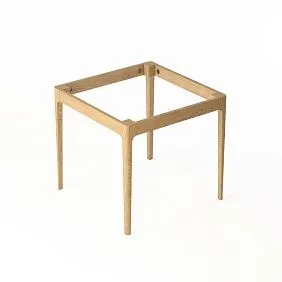
In the world of modern furniture industry Wooden legs For tables, wooden legs are an important design element and a functional component that affects the appearance and practicality of the table. They are available in various forms, styles, and materials, and can be manufactured in different ways. In this article, we will examine these aspects in detail to help you choose suitable wooden legs for your table.
Go to Catalog
What kind of wood is used to make table legs?
It is important to pay attention to the material from which they are made Wooden legs For tables. The selection of material for legs is determined by the type of table: dining, kitchen, work, or decorative. Legs can be made from different types of wood, each with its own characteristics and features, allowing you to choose legs suitable for any interior.
Most popular types of wood:
- Oak - one of the strongest materials, resistant to high humidity, temperature fluctuations, and rot. However, finished products are expensive due to special wood treatment. Over time, oak develops a richer tone.
- Walnut - also a strong and moisture-resistant wood, easily polished. However, walnut is susceptible to rot, so before use in furniture production, it is treated with a special compound.
- Beech - strong but not moisture-resistant wood, with an attractive tone. Such a table is not recommended for installation in the kitchen due to high humidity, which quickly renders it unusable.
- Redwood - beautiful wood with excellent qualities, but the most expensive among the listed types.
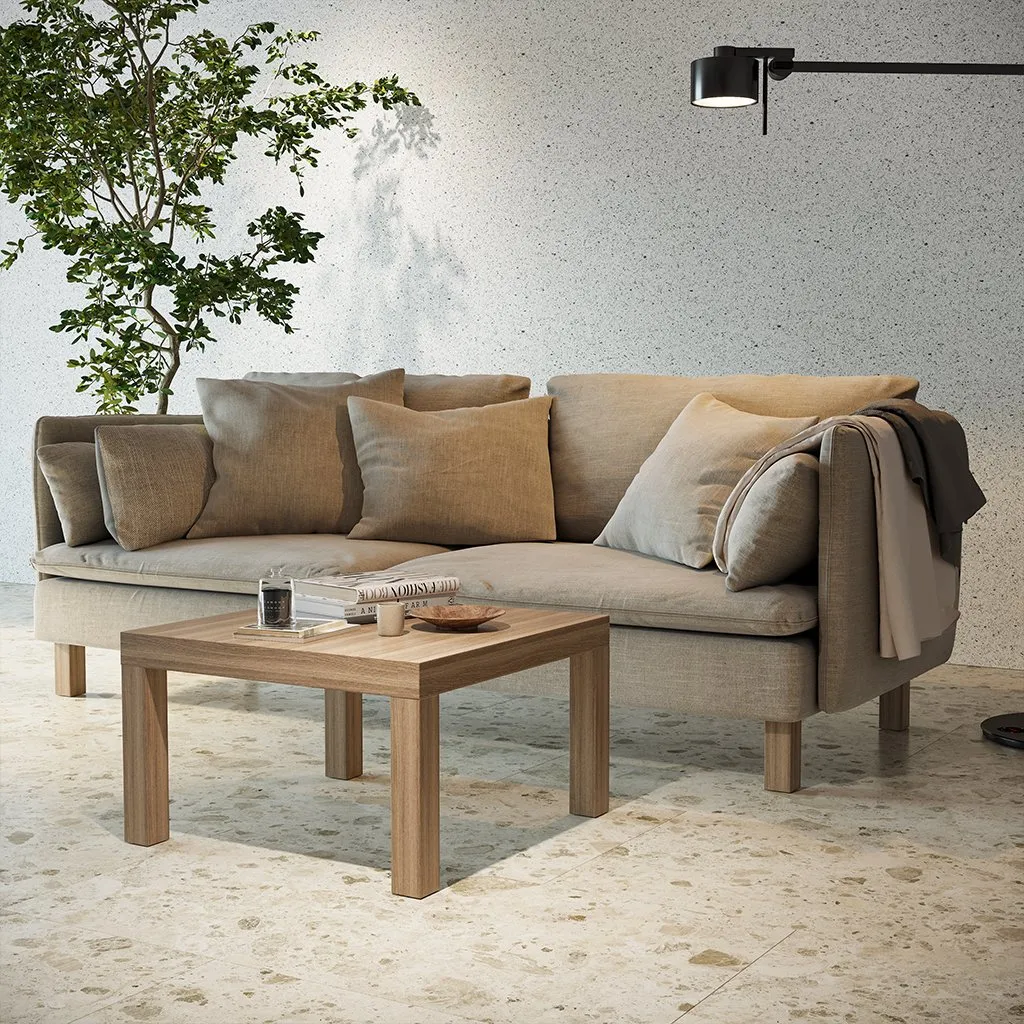
Features of wooden legs for tables
Advantages of wooden items in interior design:
- eco-friendly and natural material,
- long service life with proper care,
- individuality and elegance of design,
- creating coziness in the room,
- possibility of restoration and repair of damaged or worn parts.
Despite numerous advantages, there are some drawbacks:
- requires certain skill to properly combine items in the interior,
- influence of temperature changes on wood quality,
- high cost,
- special cleaning requirements.
Our factory also produces:
View Full Product Catalog
Structural features of a table - number of supports (legs)
The number of legs on a table depends on several factors: table size, tabletop shape, purpose, and style.
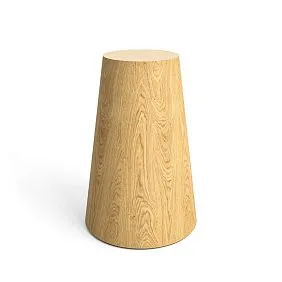
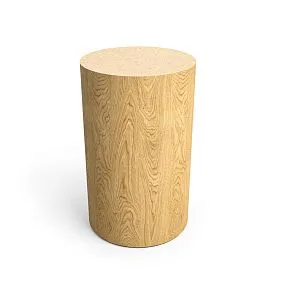
- A single large leg (support) is often used in modern interiors, as it creates a sense of lightness and spaciousness and is ideal for round and oval tabletops. For stability, a large and sturdy leg is required; otherwise, consider other leg options.
Tables with two legs usually have a more traditional design and are suitable for large rooms. Two legs placed parallel to each other are ideal for oval-shaped tables. To increase the contact area with the floor and thus the table's stability, it is recommended to use legs that widen at the bottom. Legs are connected by a special crossbar located either at the bottom or top. Models with carved crossbars look especially striking.
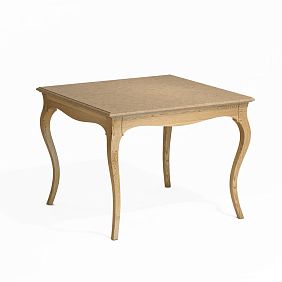
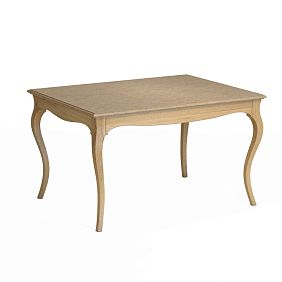
Tables with four legs are a classic option and are popular in any interior style. Here you will find a wide variety of legs in different shapes and styles. Table legs can be smooth without decoration or adorned with carving.